
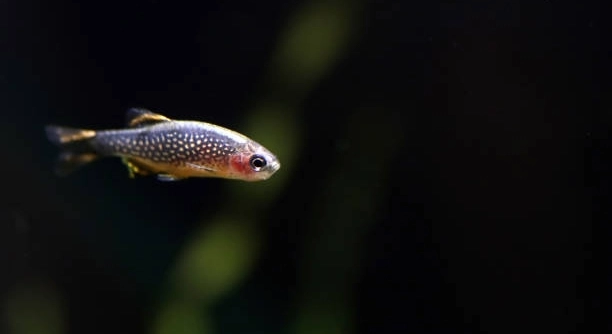
Danios are lively fish that often catch attention with their quick, flicking movements. These small gestures can indicate mood, health, or social behavior, making their actions an interesting aspect of aquarium observation for enthusiasts.
Danio flicks serve as subtle indicators of behavior, including communication, stress response, territoriality, feeding cues, and social interactions. Recognizing each flick type provides insight into the fish’s well-being and helps aquarists respond appropriately to their needs.
Observing these flicks closely can improve your care and deepen the connection with your aquarium companions. Understanding them allows for a more attentive and rewarding fish-keeping experience.
Quick Flicks
Quick flicks are short, rapid movements of the tail or body that often happen when the fish is startled or adjusting its position. These flicks are usually brief and sudden, and they can occur even in a calm tank. Observing them can help you determine if the fish is reacting to changes in its environment or to nearby tankmates. Quick flicks are common in active species and are generally harmless, but frequent or exaggerated flicks may signal stress or discomfort. The lighting, temperature, or sudden movements outside the tank can trigger this behavior, so it’s important to monitor the tank’s conditions. By noting patterns in these flicks, you can gain insight into how your danios interact with their surroundings and whether adjustments are needed to maintain a healthy habitat.
Quick flicks are primarily a reflex to sudden changes, helping fish navigate their environment efficiently.
Paying attention to these movements lets you spot potential stressors and ensures the fish stays healthy. Tracking patterns also helps you maintain a calm tank environment.
Tail Whips
Tail whips are more forceful than quick flicks and often signal excitement or agitation. These movements can be directed toward other fish or objects in the tank, and they typically involve the entire body flexing. Observing tail whips provides clues about social interactions and dominance behaviors among danios.
Tail whips can indicate aggression, territorial behavior, or high energy.
When tail whips occur repeatedly, it’s important to watch for signs of tension or conflict. They can emerge during feeding, when establishing hierarchy, or in response to new tank decorations. Frequent tail whips may also hint at overcrowding or lack of hiding spaces. Adjusting tank layout, providing sufficient space, and monitoring water quality can reduce excessive tail whipping. Recognizing the context of these movements ensures the fish remain healthy and stress-free. Proper observation helps distinguish normal energy bursts from concerning behavioral patterns, allowing for better tank management and creating a more balanced environment for all fish.
Fin Flicks
Fin flicks are small, repetitive movements of the dorsal or pectoral fins. They usually occur while swimming slowly or hovering and are often a sign of calm exploration rather than stress.
These flicks help the fish maintain balance and direction. While subtle, they can indicate curiosity or minor adjustments to water currents. Watching fin flicks over time can reveal how comfortable your danios are in their environment. Consistent flicking usually means the fish feels safe, whereas sudden stops or erratic flicks may indicate discomfort. Fin flicking is also part of normal grooming behavior, keeping the fins clean and functional. By observing these subtle movements, you can better understand daily activity levels and ensure your tank conditions support healthy, stress-free swimming.
Fin flicks can also serve as communication signals to other fish. They often show social awareness or gentle interaction within a group, helping maintain harmony.
Side-to-Side Body Flicks
Side-to-side body flicks involve the fish moving its whole body laterally. They often happen during feeding or when interacting with tankmates. This movement can indicate excitement or mild agitation and is usually short-lived.
These flicks can help danios signal dominance or establish territory in subtle ways. During group interactions, the side-to-side flick communicates intention without leading to full-scale aggression. This behavior also aids in maneuvering around obstacles or adjusting position near surfaces. Observing the frequency and context of these flicks can inform whether the fish are comfortable with tank space or if minor adjustments are needed. Recognizing patterns in body flicking ensures you can respond appropriately to stress signs and maintain a balanced environment for all inhabitants.
Rapid Tail Flicks
Rapid tail flicks are quick, repeated movements that often occur during feeding or sudden changes in the tank. They can indicate excitement or alertness, showing how the fish reacts to stimuli around them.
These flicks are usually harmless but can signal high energy or slight stress. Monitoring frequency helps gauge overall tank comfort.
Head-First Flicks
Head-first flicks occur when a danio thrusts its head forward with a sudden jerk. This movement often happens during feeding or when investigating objects. It allows the fish to explore the environment efficiently and interact with tankmates. Observing head-first flicks over time can reveal preferences for food or areas of the tank. Excessive head-first flicks may indicate competition for resources or heightened alertness, which can be mitigated by spreading food evenly or adjusting tank decor. Tracking these flicks also helps recognize social dynamics within the group, ensuring calmer, more balanced interactions. Careful observation can improve feeding routines and reduce unnecessary stress in the aquarium.
Short Side Flicks
Short side flicks are brief lateral movements that help the fish adjust its position. These flicks support swimming control and subtle communication within the tank.
FAQ
Why does my danio flick its tail constantly?
Constant tail flicking usually signals high energy, excitement, or mild stress. Danios are naturally active fish, so repeated flicks can appear during feeding, swimming in groups, or exploring new objects. If flicking becomes frantic or accompanied by other stress signs, checking water quality, tank temperature, and space can help calm them. Overcrowding or sudden environmental changes often increase tail flick frequency.
Are flicks a sign of illness?
Flicks alone are not necessarily a sign of illness. Normal flicking helps fish maintain balance, communicate, and interact socially. However, unusual patterns, such as erratic flicking combined with lethargy, loss of appetite, or fin damage, can indicate stress or disease. Monitoring overall behavior and appearance helps distinguish normal activity from potential health concerns.
Do danios flick differently when happy or stressed?
Yes, the type and speed of flicks can indicate mood. Gentle, occasional flicks and fin adjustments suggest calmness, while rapid, repeated tail flicks or head-first jerks may indicate stress or agitation. Recognizing these subtle differences allows for timely adjustments in tank conditions or social groupings to support well-being.
Can flicks help me understand social behavior?
Flicks are an important part of social communication. Side-to-side and head-first flicks often indicate interactions with tankmates, from signaling dominance to showing curiosity. Observing patterns over time provides insight into social hierarchies and helps prevent aggressive encounters. Adjusting tank layout or adding hiding spots can improve harmony.
Should I intervene when my danio flicks frequently?
Intervention is only necessary if flicking indicates stress or discomfort. Frequent flicking triggered by overcrowding, poor water quality, or aggressive tankmates should be addressed promptly. Minor adjustments like spreading food evenly, checking filtration, or rearranging decorations can reduce stress. Otherwise, normal flicking is part of healthy activity and requires no action.
Do flicks vary between individual danios?
Yes, each danio has its personality and energy level, so flick patterns can vary. Some may flick frequently while exploring, while others flick less often but more deliberately. Observing individual differences helps you understand each fish’s behavior and tailor care accordingly.
Can flicking indicate feeding readiness?
Flicking often increases before and during feeding. Rapid tail or head-first flicks can show excitement or anticipation. Paying attention to these signals ensures you feed all fish adequately and can prevent competition or stress during mealtime.
Is flicking affected by tank conditions?
Absolutely. Water temperature, quality, and space all influence flicking behavior. Sudden changes in temperature, low oxygen, or poor water parameters can increase stress flicks. Maintaining consistent, clean conditions reduces unnecessary flicking and promotes calm, healthy behavior.
Do flicks decrease as danios settle into a tank?
Yes, once danios become familiar with their environment and social group, flicking may become less frequent or more subtle. Reduced flicking often reflects comfort, confidence, and stable social dynamics within the tank.
How can I distinguish normal flicks from problem signs?
Normal flicks are brief, rhythmic, and linked to movement, exploration, or social interaction. Problem flicks are rapid, continuous, or paired with other stress signals like hiding, clamped fins, or erratic swimming. Consistent observation and awareness of context help identify when intervention is needed.
Observing danios and their flicking behaviors can reveal a lot about their health and mood. Each flick, whether a quick tail flick, a side-to-side body movement, or a subtle fin adjustment, serves a purpose in the fish’s daily routine. These movements can indicate curiosity, excitement, stress, or social interaction with other tankmates. By paying attention to the different types of flicks, you gain insight into how your fish is feeling and interacting within its environment. This awareness allows for better care, ensuring that the tank is comfortable, safe, and supportive of natural behaviors. Over time, recognizing patterns in flicking can make it easier to spot changes that may require adjustments, such as water quality improvements or rearranging tank decorations to reduce stress.
Consistent observation also helps in understanding the social dynamics among your danios. Certain flicks, like side-to-side or head-first flicks, often signal interactions with other fish, including establishing hierarchy, showing curiosity, or even mild displays of dominance. These behaviors are normal in a community tank and are important for the group’s overall balance. However, repeated aggressive flicking or sudden changes in behavior can indicate that one or more fish are experiencing stress. Monitoring these subtle movements ensures you can intervene in time, whether that means increasing hiding spots, adjusting group sizes, or improving feeding distribution. Understanding how each fish communicates through flicks promotes a harmonious environment, where fish can coexist without unnecessary tension or conflict.
Finally, recognizing flick patterns also supports the physical well-being of your danios. Movements like fin flicks and tail flicks are not just social signals—they help maintain balance, strengthen muscles, and allow the fish to navigate currents efficiently. Providing a tank that encourages these natural behaviors is essential. Regular observation, combined with attention to water quality, space, and social groupings, ensures that your danios remain active, healthy, and stress-free. Over time, you may notice how flicking behaviors evolve as the fish become more comfortable, confident, and settled in their surroundings. This understanding strengthens your ability to care for them properly and fosters a tank environment that supports both their physical and social needs.

Hello,
If you enjoy the content that we create, please consider saying a "Thank You!" by leaving a tip.
Every little bit helps us continue crafting quality advice that supports the health, happiness, and well-being of pets around the world, for pets of all shapes, sizes, and species.
We really appreciate the kindness and support that you show us!