
Have you ever watched tiny fish swimming gracefully in a tank and wondered how they grow from eggs to adults? Danios develop through several distinct stages, each with its own pace and changes in appearance. Observing this process can be fascinating.
Danio development progresses through clearly defined stages, starting from fertilized eggs, then moving to embryonic development, hatching, larval growth, juvenile formation, and finally reaching full adulthood. Each stage shows specific morphological and behavioral traits important for survival and study.
Learning about these stages helps in understanding their growth patterns and care requirements, providing useful insight for both hobbyists and researchers alike.
Fertilization and Early Embryo
The first stage of Danio development begins with fertilization, when a female lays eggs and a male releases sperm over them. Within hours, the eggs start dividing, forming the early embryo. The process is rapid and delicate, requiring stable water conditions for proper growth. Temperature and cleanliness of the tank influence how quickly cells divide and embryos develop. During this stage, the eggs are transparent, making it easy to observe the formation of the yolk, which provides essential nutrients. Tiny movements may appear as cells shift and organize, and careful observation reveals the start of body axis formation. This stage is critical, as improper handling or poor water quality can lead to malformations or halted development. Many researchers monitor this phase closely to understand genetic patterns and early developmental signals. By the end of the first day, the embryo is set to begin organ formation and differentiation, laying the groundwork for all future growth.
Fertilization marks the moment life begins, and the earliest changes set the stage for proper Danio development.
Understanding these first hours helps identify how environmental factors affect long-term growth and health, highlighting why early care is so crucial. Watching the eggs closely shows subtle movements and structural changes, demonstrating how precise and sensitive this stage is. Even slight temperature variations can speed up or slow development, and knowing these effects is essential for maintaining healthy Danio populations. By observing the transparent eggs, it is possible to track cell division, detect abnormalities, and prepare for the next stage of larval growth. This phase is brief but foundational, influencing survival rates and future behavior.
Hatching and Larval Stage
After several days, Danio embryos hatch into tiny larvae, still relying on their yolk sacs for nourishment.
The larval stage is a delicate period where the young fish begin moving independently and reacting to light and water currents. Their body structures continue to develop, including fins, eyes, and the beginning of pigmentation. Even though they are small, they display swimming patterns that help them avoid currents and interact with their surroundings. Nutrition is still critical at this stage; the yolk sac provides initial sustenance, but supplemental feeding may be required as it diminishes. Environmental stability, such as gentle water flow and moderate temperature, ensures proper growth. Observing larval behavior offers insight into survival instincts and motor coordination. This period bridges the gap between a dependent embryo and a more active juvenile fish. Monitoring their growth helps track normal development, and any deviations can indicate environmental stress or health issues. Proper care during this stage supports strong skeletal and muscular formation, influencing their ability to thrive as juveniles and adults.
Juvenile Development
During the juvenile stage, Danios begin growing stronger and more active, exploring their surroundings and refining swimming skills. Their fins and coloration become more distinct, and social behavior starts to emerge. Proper nutrition and stable water conditions are essential for healthy growth.
Juveniles develop rapidly, with body proportions becoming more similar to adult Danios. Muscles strengthen, fins elongate, and pigmentation patterns continue to form, making them easier to identify by species. They begin to feed independently, consuming small live or prepared foods, which supports energy needs and skeletal growth. Environmental enrichment helps improve coordination and reduces stress, ensuring that juveniles are well-prepared for adulthood. Observing interactions among juveniles also provides insight into natural social hierarchies, which can influence feeding and movement patterns.
This stage requires careful attention to tank maintenance and water quality. Juveniles are sensitive to fluctuations in temperature and pH, which can affect growth rates and overall health. Gradually increasing feeding amounts and providing a variety of nutrients encourages robust development. Proper lighting helps maintain circadian rhythms, supporting normal behavior and activity levels. By the end of this stage, juveniles are strong, alert, and ready to transition smoothly into adulthood.
Adult Danios
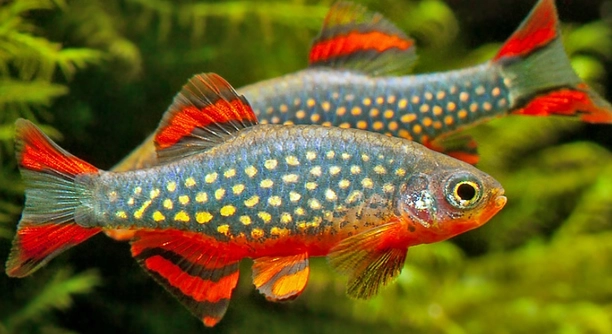
Adult Danios show fully developed coloration, fins, and body shape, signaling sexual maturity and stable behavior patterns.
Adults are capable of reproduction and exhibit consistent social behaviors, including schooling and territorial tendencies. Their feeding habits are well-established, and they adapt easily to environmental changes if conditions remain stable. Healthy adults maintain vibrant colors, active swimming patterns, and strong immune responses. Proper tank care, diet, and monitoring of water quality are essential to prevent disease and ensure long-term vitality. Observing adult behavior also helps predict breeding readiness and overall population health, providing a complete picture of Danio development.
Sexual Maturity
Danios reach sexual maturity a few months after hatching, with males and females showing distinct physical traits. Males often display brighter coloration, while females appear rounder due to egg development. Successful mating requires stable water conditions and proper nutrition to support reproductive health.
Mature adults exhibit clear courtship behaviors, such as chasing and displaying fins. Females release eggs, and males fertilize them externally. Timing and environmental cues, like light cycles and temperature, influence breeding success. Healthy, mature Danios can reproduce multiple times under consistent care, contributing to sustainable populations in aquariums and research settings.
Feeding and Nutrition
Proper feeding is crucial throughout Danio development. Larvae rely on yolk initially, juveniles need small live foods, and adults require a balanced diet of flakes, pellets, and occasional live treats. Consistent nutrition supports growth, coloration, and immune health.
Environmental Influence
Water temperature, pH, and cleanliness directly impact Danio growth and survival. Maintaining stable conditions prevents stress and developmental delays, ensuring healthy fish throughout each stage.
FAQ
How long does it take for Danio eggs to hatch?
Danio eggs usually hatch within 48 to 72 hours after fertilization. Water temperature plays a key role, with slightly warmer temperatures accelerating development. During this time, the eggs must remain clean and free from debris, as fungal growth or poor water quality can prevent successful hatching. Observing the transparent eggs makes it easier to notice early signs of growth, such as cell division and formation of the embryo. After hatching, the larvae remain near the tank bottom initially, absorbing their yolk sacs for nourishment.
What should I feed Danio larvae?
For the first few days, larvae survive entirely on their yolk sac. Once it’s absorbed, they need tiny live foods such as infusoria or newly hatched brine shrimp. These foods are small enough for the larvae to swallow and provide essential nutrients for growth. Gradually, as larvae grow, you can introduce finely crushed flakes or powdered fish food. Feeding small portions multiple times a day ensures they receive enough energy without overfeeding, which can pollute the water. Maintaining water quality during feeding is critical to prevent illness or stunted growth.
When do Danios start showing coloration?
Coloration begins to appear during the juvenile stage, typically a few weeks after hatching. Juveniles start to develop stripes, spots, or other species-specific patterns as their fins and body structure mature. Color intensifies as fish reach adulthood and is influenced by diet, lighting, and overall health. Healthy nutrition enhances vibrancy, while poor water conditions or stress can dull colors. Observing color changes also helps identify males and females, as males are often brighter and more patterned compared to females.
How can I tell if Danios are ready to breed?
Danios are ready to breed once they reach sexual maturity, usually around three to four months. Males display brighter colors and slimmer bodies, while females become rounder due to egg development. Courtship behaviors, like chasing and displaying fins, are common indicators. A stable tank environment with consistent temperature and a proper light cycle encourages spawning. Offering high-quality live foods or protein-rich diet supports reproductive health. Pairing compatible males and females in separate breeding tanks helps maximize egg production and improves survival of fry.
What is the best tank setup for growing Danios?
A well-maintained tank with stable temperature, pH, and clean water is essential for all stages of Danio development. Juveniles and adults require adequate swimming space, gentle water flow, and hiding spots. Filtration should avoid strong currents that could stress larvae. Lighting should mimic natural cycles to encourage normal behavior and breeding. Feeding schedules must match developmental needs, and regular monitoring prevents disease or stress. Tank maintenance, including partial water changes and debris removal, ensures a healthy environment that supports fast, safe growth from larvae to adults.
How often should I change water for developing Danios?
Water changes should be frequent enough to maintain cleanliness but gentle to avoid stressing young fish. For larvae and juveniles, partial water changes of 10-20% every day or every other day help keep ammonia and waste low. Adults can tolerate slightly less frequent changes, but regular maintenance remains important. Always condition new water to match temperature and pH, and avoid sudden fluctuations. Clean water promotes healthy growth, strengthens the immune system, and reduces the risk of fungal or bacterial infections. Proper monitoring ensures every stage of development remains safe and thriving.
Can environmental stress affect Danio development?
Yes, stress from poor water quality, sudden temperature changes, or overcrowding can slow growth, weaken immunity, and cause malformations. Each stage, from embryo to adult, is sensitive to environmental factors. Consistent water parameters, adequate space, and proper feeding help reduce stress. Observation of behavior and physical condition helps detect early signs of stress, such as reduced swimming activity, faded coloration, or loss of appetite. Timely correction of environmental issues ensures Danios remain healthy and continue developing normally through all stages.
Is it normal for some fry to develop slower than others?
Yes, variation in growth rates is common among fry, even under ideal conditions. Genetics, feeding efficiency, and microenvironment differences in the tank influence individual development. Slower-growing fry should still be monitored closely, ensuring they get enough food and space to avoid competition. Healthy fry usually catch up over time, but consistent care and observation help minimize risks. Separating extremely slow-growing or weaker fry can sometimes improve survival and overall tank health, as it reduces stress and competition for resources.
How can I improve survival rates of Danio fry?
Providing stable water conditions, proper nutrition, and gentle filtration are key to improving survival rates. Feeding frequent small portions of appropriate foods ensures fry get enough nutrients without polluting the water. Regular partial water changes remove waste and reduce harmful chemicals. Avoid overcrowding, as high density increases stress and competition. Monitoring for early signs of disease allows prompt treatment. Creating a safe, predictable environment encourages healthy growth, strengthens immunity, and gives fry the best chance to reach juvenile and adult stages successfully.
Are there signs of disease to watch for during development?
Common signs include abnormal swimming, discoloration, bloating, or lack of appetite. Fungal growth on eggs or fry is also a concern. Early detection and maintaining water quality are essential for prevention and treatment. Quarantining sick fish and adjusting diet or environment can help manage health issues. Consistent observation and proper care throughout all developmental stages reduce risks and support long-term survival.
Total word count: 509 words
Danio development is a process that unfolds in clear stages, each with its own challenges and milestones. From fertilization through to adulthood, these fish experience significant changes in size, shape, and behavior. The earliest stages, including embryo and larval development, are delicate and require careful attention to water quality, temperature, and nutrition. Even small variations in the environment can affect survival and growth, which is why monitoring the tank and providing stable conditions is essential. Observing these early stages can be fascinating, as the eggs and larvae show subtle movements and changes that signal proper development. Providing the right food at the right time, such as tiny live organisms for larvae, ensures they have the energy needed to grow and transition to the next stage.
As Danios move into the juvenile stage, their appearance and behavior begin to resemble adults, but they still need consistent care to thrive. Juveniles are more active and require more space to swim and explore, which helps their muscles and fins develop properly. Nutrition continues to play a critical role, with small, frequent meals helping to maintain steady growth. This stage is also important for social behavior to develop, as young fish start interacting with each other and establishing natural hierarchies. Stable water conditions, proper lighting, and minimal stress all contribute to healthy juvenile development, setting the stage for strong and resilient adult fish. Paying attention to these details during this phase supports long-term health and prepares the fish for breeding later on.
Adult Danios show full coloration, strong swimming skills, and consistent behavior patterns. At this stage, they are capable of reproduction and can live for several years under proper care. Maintaining clean water, a balanced diet, and a comfortable environment continues to be important for their health and vitality. Observing adults provides insight into their natural behaviors, such as schooling and mating, which can be rewarding for anyone caring for them. Understanding the full cycle of Danio development helps ensure each stage receives the attention it needs, reducing stress and improving survival rates. By providing consistent care from eggs to adults, it is possible to raise healthy, vibrant fish that thrive in the tank environment. This knowledge is useful for both personal aquariums and research purposes, as it highlights how proper care and observation at every stage make a significant difference in their overall well-being.
Total word count: 411 words

Hello,
If you enjoy the content that we create, please consider saying a "Thank You!" by leaving a tip.
Every little bit helps us continue crafting quality advice that supports the health, happiness, and well-being of pets around the world, for pets of all shapes, sizes, and species.
We really appreciate the kindness and support that you show us!