
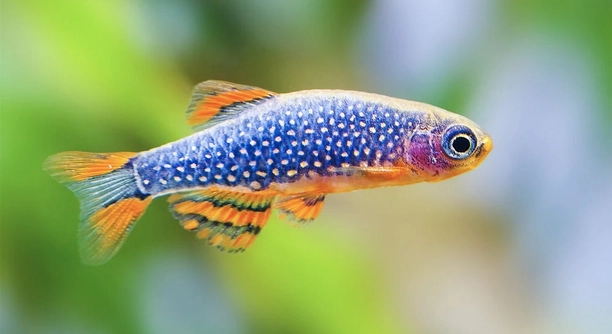
Danios are lively, social fish often admired for their vibrant colors and energetic movements. Observing them in groups can reveal behaviors that are rarely noticed by casual aquarium keepers, offering a glimpse into their natural interactions.
Understanding danio group dynamics requires close observation of their social hierarchies, swimming patterns, and interactions within a confined space. Recognizing subtle behaviors helps maintain healthy group cohesion and supports proper environmental enrichment for these active freshwater species.
Exploring these rarely seen behaviors provides insight into the complexity of danio interactions and can enhance how we care for them in aquariums.
Leadership Roles in Danio Groups
In danio shoals, certain individuals naturally take the lead during swimming and feeding. These leaders often explore first and signal movement to others. Their presence influences group cohesion, helping maintain order and preventing chaos in the aquarium. Observing these leaders can reveal how danios communicate and establish dominance without aggression. Some danios assert themselves subtly through posture, swimming speed, or positioning within the tank. Leadership is not permanent; different fish may assume the role depending on time of day or environmental changes. By recognizing these patterns, aquarists can provide better tank setups, ensuring each fish has space and reduces stress. Leaders also help weaker or younger danios navigate new spaces. These interactions reflect natural behaviors seen in rivers and streams. Understanding leadership dynamics improves social stability, feeding efficiency, and overall well-being. Watching the group interact daily offers an engaging way to study subtle hierarchy shifts that are rarely captured in short observations.
Leadership roles affect how danios feed, swim, and respond to tank changes, creating balance within the group.
Leaders influence movement patterns during daily activities. Their decisions impact the entire shoal, guiding feeding times, exploration, and retreat during disturbances. Observing these interactions helps identify fish that are less active or stressed, allowing for adjustments in tank layout, enrichment, and social balance. Providing hiding spaces and visual barriers can reduce competition and tension, letting danios express natural behaviors. Leadership also promotes synchronized swimming, which is important for exercise and mental stimulation. Over time, these dynamics become more predictable, making it easier to anticipate changes in behavior. Studying how leaders and followers interact gives insight into the subtle social cues that govern group cohesion. Even small environmental changes can alter leadership roles, demonstrating the flexibility and adaptability of danios. Recognizing these patterns ensures healthier, more harmonious aquariums, benefiting both the fish and the keeper who observes them closely.
Territorial Behavior Among Danios
Danios often establish small territories within the tank, especially near preferred plants or decorations. These areas are defended through swimming displays or gentle nudges rather than overt aggression.
Territoriality helps reduce conflict by giving each fish a sense of control over part of the environment.
Territorial behavior is subtle but consistent. Certain fish may patrol edges of plants or specific corners, signaling ownership through position and movement. Others respect these zones, leading to natural spacing within the group. Territorial boundaries can shift depending on group composition, tank size, and environmental changes. Providing multiple hiding spots and visual markers can help minimize disputes. Observing how fish adjust their space over time shows adaptability and social intelligence. Even in a shared aquarium, clear territories contribute to calmer interactions and fewer stress-related behaviors. Recognizing these patterns allows for improved tank design, ensuring each danio feels secure while maintaining social harmony. This knowledge is essential for creating a stable environment where all fish thrive and interact naturally.
Coordinated Swimming Patterns
Danios move in synchronized groups, often changing direction simultaneously. This behavior reduces stress and provides safety, as coordinated movement mimics natural shoaling instincts found in the wild. Observing these patterns helps identify dominant or influential fish within the group.
Coordinated swimming develops through repeated interactions. Fish respond to subtle cues from leaders, including changes in speed, position, and fin movement. Over time, the group achieves a rhythm that minimizes collisions and maintains social harmony. Fish that struggle to keep up may retreat temporarily, but most adapt quickly. These patterns also help distribute feeding opportunities evenly, reducing competition. Tank layout, plant placement, and lighting can influence swimming cohesion, with open spaces promoting fluid movement and tight spaces creating more scattered patterns. Monitoring these behaviors provides insight into social structure and overall tank health.
Synchronized swimming strengthens social bonds and helps fish navigate efficiently. It also allows for natural exercise, which contributes to healthier muscles and reduces boredom in the aquarium. Fish that swim together consistently display higher confidence and lower stress levels. Observing these interactions highlights individual differences, showing which fish lead, follow, or adapt to shifts in group dynamics. Adjusting tank elements like plants or hiding spaces can improve synchronization, supporting overall well-being. This behavior reflects their natural instincts and enhances the visual appeal of a thriving danio group.
Feeding Hierarchies
Feeding in danio groups follows a clear hierarchy. Dominant fish often access food first, while subordinates wait or feed more cautiously. Understanding these patterns helps prevent stress and ensures all fish receive proper nutrition.
Hierarchies influence how quickly and efficiently food is consumed. Dominant individuals may position themselves near feeding areas, nudging others aside, while lower-ranking fish learn to feed at the edges or after leaders finish. This creates a natural flow that balances competition and maintains order. Providing multiple feeding spots or slow-dispersing foods can reduce tension. Observing how fish interact during meals can indicate overall health, social stability, and potential conflicts. Leaders may alternate feeding positions over time, reflecting shifts in dominance or temporary changes in behavior. Careful observation ensures that every fish has access to adequate nutrition while minimizing aggression.
Feeding hierarchies also affect energy distribution and growth rates. Dominant fish often gain more immediate calories, while subordinate fish rely on timing and strategy to access food. Recognizing these dynamics allows for adjustments in feeding methods, such as scattering food or using feeding rings to distribute it evenly. Changes in hierarchy can signal stress, illness, or environmental discomfort, which can be addressed proactively. Observing meal interactions provides insight into social relationships and helps maintain a balanced, healthy group where all individuals thrive without persistent competition or stress-related behaviors.
Resting Behavior
Danios do not rest in the same way as other fish. They slow their swimming and hover near plants or decorations, taking short breaks while staying alert to the group.
Resting often occurs in low-light areas or near shelter. Fish remain partially active to maintain social awareness and safety.
Social Grooming
Danios engage in gentle nipping or rubbing against each other. This behavior helps maintain scale health, remove parasites, and reinforce social bonds within the group.
Response to Environmental Changes
Danios quickly adjust to changes in light, temperature, or water flow. Their group responds collectively, often altering swimming patterns and positions to adapt safely.
Interaction with Other Species
When kept with compatible tank mates, danios show curiosity but maintain boundaries. They often observe without direct aggression, balancing social interest with self-preservation.
How many danios should be kept together?
Danios are social fish that thrive in groups. Keeping at least six individuals allows natural shoaling behaviors to develop. Smaller numbers may lead to stress, hiding, or aggression. A larger group enhances movement patterns, coordinated swimming, and social interaction, making the tank environment more stable.
What tank size is ideal for observing group dynamics?
A minimum of 20 gallons is recommended for observing danio behavior in a small group. Larger tanks give fish space to explore, establish territories, and display coordinated swimming. Wider, longer tanks are preferable to height, as horizontal space encourages natural movement and reduces competition for swimming lanes.
Do danios show leadership within the group?
Yes, certain individuals naturally assume leadership roles, often leading the group during swimming or feeding. Leaders influence movement patterns and social cohesion. Leadership is flexible and can shift between fish depending on time, environment, or social interactions, reflecting adaptability and hierarchy within the group.
How do danios establish feeding hierarchies?
Dominant fish usually eat first, while subordinates wait or feed more cautiously. Feeding hierarchies reduce stress and ensure balanced distribution of food. Multiple feeding spots or scattered food can prevent conflicts, allowing all fish access to proper nutrition and maintaining harmony within the shoal.
What environmental factors affect group behavior?
Light, water flow, tank layout, and decorations all influence danio behavior. Open areas encourage coordinated swimming, while dense planting provides shelter and resting spots. Sudden changes in water temperature or lighting can disrupt patterns, causing temporary stress or shifts in hierarchy. Stability is key for healthy dynamics.
Do danios rest, and how can it be observed?
Danios do not sleep deeply like other fish. They slow their movements, hover near plants or decorations, and remain alert. Low-light areas or sheltered spaces are preferred for resting. Observing these periods helps understand stress levels, activity cycles, and overall health of the group.
How do danios interact with other species?
They generally show curiosity without aggression, keeping boundaries when housed with compatible tank mates. Compatibility depends on size, temperament, and swimming habits. Fast-moving or similarly active species are ideal companions, as slower or aggressive fish can disrupt social cohesion and lead to stress.
Can tank size affect territorial behavior?
Yes, smaller tanks may increase territorial disputes, as limited space leads to closer proximity and competition. Providing hiding spots, plants, and decorations helps reduce conflicts. In larger tanks, territories form naturally, and fish have room to maintain personal space while engaging in social behaviors safely.
Do danios groom each other?
Yes, gentle nipping or rubbing occurs between individuals. This behavior maintains scale health, removes parasites, and reinforces social bonds. It is subtle but important for overall health and group cohesion, allowing fish to support each other’s well-being naturally.
How can changes in group dynamics be identified?
Shifts in leadership, swimming patterns, or feeding order indicate changes in hierarchy or stress levels. Observing individual interactions, resting locations, and responses to environmental changes helps identify potential issues. Adjustments to tank setup or social grouping can support balance and prevent long-term stress within the shoal.
Are danios sensitive to water parameters?
Yes, stable temperature, pH, and clean water are essential. Sudden fluctuations can alter swimming patterns, feeding behavior, and social interactions. Regular monitoring and maintenance help preserve natural behaviors and reduce stress, supporting healthy group dynamics over time.
Can observing group dynamics improve fish care?
Absolutely. Understanding leadership, feeding order, coordinated swimming, resting spots, and territorial boundaries allows for optimized tank layout, feeding strategies, and environmental enrichment. Paying attention to these details ensures healthier, more confident fish and a visually engaging aquarium environment for keepers.
Observing danios in a group reveals behaviors that are often missed by casual aquarium keepers. Their social structure, swimming patterns, and interactions show a level of complexity that reflects natural instincts. Each fish has a role, whether as a leader guiding movement, a subordinate following closely, or a member maintaining balance within the shoal. These roles are not fixed and can shift depending on time, environment, or the presence of new individuals. Watching these dynamics develop over days and weeks provides insight into how fish communicate and respond to each other, highlighting the importance of group cohesion in their daily activities. Understanding these interactions also allows for better aquarium management, as recognizing dominant or territorial behaviors can help prevent conflicts and reduce stress. By providing appropriate space, plants, and hiding spots, keepers can support natural behaviors while maintaining a stable and harmonious environment for all members of the group.
Feeding times are particularly illustrative of danio group dynamics. Dominant fish usually take the lead, accessing food first, while subordinate fish wait their turn or feed more cautiously at the edges. These hierarchies reduce competition and stress, allowing every fish a chance to eat without persistent confrontation. Coordinated swimming during feeding, along with gentle nudges and positioning, ensures the group maintains order even in a competitive situation. Providing multiple feeding locations or dispersing food throughout the tank can reduce tension and allow all fish to access proper nutrition. Observing these interactions also shows how fish adapt to changes in leadership or the arrival of new individuals, reflecting flexibility and problem-solving within the group. Feeding patterns, resting habits, and territorial boundaries all contribute to a stable social environment, making careful observation an important tool for maintaining fish health and well-being.
Group dynamics go beyond leadership and feeding. Danios exhibit subtle behaviors like grooming, resting, and responding to environmental changes that affect overall harmony. Gentle rubbing or nipping helps maintain scale health and social bonds, while periods of hovering near plants or decorations indicate rest while remaining alert. Changes in light, water flow, or tank layout prompt shifts in swimming patterns and positioning, highlighting the group’s sensitivity to environmental conditions. Recognizing these behaviors allows keepers to make informed decisions about tank setup, water parameters, and social grouping, supporting both the physical and psychological needs of the fish. Ultimately, understanding these rarely seen interactions enriches the aquarium experience. It provides a deeper appreciation for the complexity of danio behavior and demonstrates that a well-managed tank is not only healthier but also more engaging to observe over time.

Hello,
If you enjoy the content that we create, please consider saying a "Thank You!" by leaving a tip.
Every little bit helps us continue crafting quality advice that supports the health, happiness, and well-being of pets around the world, for pets of all shapes, sizes, and species.
We really appreciate the kindness and support that you show us!