
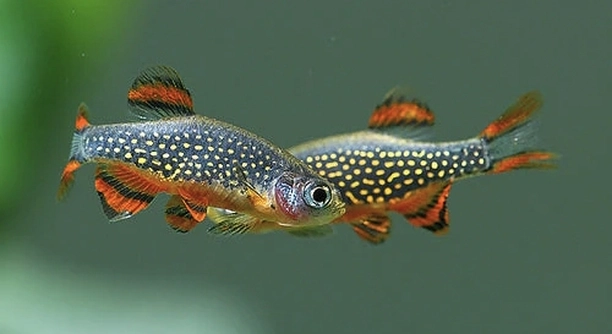
Are your danios looking a bit dull despite a clean and healthy tank? Lighting plays a crucial role in highlighting their natural colors. Small adjustments can make a noticeable difference in how vibrant your fish appear.
Optimizing aquarium lighting enhances the appearance of danio colors instantly. Using proper light spectrum, intensity, and positioning allows pigments to reflect effectively, creating more vivid hues while supporting overall fish health and maintaining a natural-looking aquatic environment.
Understanding light’s effect on color goes beyond aesthetics. These simple tricks will help your danios appear lively and striking in any tank setup.
Choosing the Right Light Spectrum
The spectrum of light in your aquarium significantly affects how danio colors appear. Full-spectrum LED lights are often the best choice because they simulate natural daylight. Cooler lights with a higher Kelvin rating emphasize blues and silvers, while warmer tones enhance reds and oranges. Avoid lights that are too dim, as they can make your fish appear muted. Positioning the light directly above the tank ensures even illumination and reduces shadows, which can distort colors. Combining different light spectrums can bring out the best in your danios, highlighting stripes, spots, and subtle color shifts. Monitoring the fish’s behavior under new lighting is essential, as sudden changes can stress them. Adjusting gradually allows your danios to acclimate without compromising their health. A consistent light schedule helps maintain natural rhythms and prevents algae overgrowth, ensuring the tank remains visually appealing. Investing in quality lighting pays off in both aesthetics and fish well-being.
Proper light spectrum enhances both color and overall tank harmony, making danios appear brighter and more defined.
Balanced lighting not only emphasizes vibrant colors but also supports plant growth and natural fish behavior. A layered approach—combining warm and cool tones—creates depth, enhancing visual contrast. Positioning the light to reduce glare and shadows ensures every part of the tank contributes to the overall display. Observing how each danio responds allows small refinements, producing a consistent, lively appearance. Additionally, matching the light intensity with tank size prevents washed-out colors or overly dark areas. Maintaining a fixed schedule mimics day and night cycles, supporting the natural rhythm of fish activity and rest. Over time, consistent, high-quality lighting transforms the tank into a lively, colorful environment that showcases your danios’ best features.
Using LED Dimmers Effectively
LED dimmers allow precise control over light intensity. Gradual adjustments prevent sudden stress and help fish display natural colors.
Dimming lights during peak daylight hours or slowly increasing intensity at feeding times can highlight color patterns subtly. Using a dimmer helps prevent overexposure while enhancing contrast, making stripes and spots stand out without causing stress. Dimmed lighting also reduces algae growth by limiting excess energy for photosynthesis. Combining dimmers with timers ensures a consistent schedule, maintaining a natural rhythm for the danios. Fine-tuning light intensity allows you to experiment with the most flattering settings for your fish. Observing their behavior during adjustments ensures they remain comfortable. The right balance between brightness and subtlety brings out maximum color vibrancy while keeping the aquarium healthy. Gradual changes are key, as abrupt shifts can make the fish appear dull or stressed. Over time, using dimmers correctly enhances the tank’s overall visual appeal while supporting the natural life cycle of the fish.
Positioning Lights Strategically
Positioning lights closer to the front of the tank highlights danios’ colors, while avoiding harsh angles that create shadows. Adjusting height and placement can make stripes and metallic sheens stand out.
Proper light placement ensures even coverage, preventing dark corners where colors fade. Placing lights slightly off-center reduces glare on the water surface, making the fish easier to view. Angling lights toward areas where danios swim most frequently highlights their natural movement and displays vibrant hues consistently. Consider layering multiple light sources at different positions to add depth, creating a three-dimensional effect that enhances every stripe, spot, and shimmer. Observing the tank from various angles helps refine positioning for optimal color display. This method works well with both LED and fluorescent systems.
Combining strategic positioning with timed lighting cycles ensures danios remain colorful throughout the day. Lights should complement natural tank elements like plants and substrate, reflecting off surfaces to create a dynamic, visually appealing display that emphasizes their patterns without causing stress.
Using Reflective Surfaces
Reflective surfaces behind or beneath the tank intensify danios’ appearance by bouncing light and creating more vivid contrasts.
Mirrors or reflective panels can enhance colors by increasing light distribution and highlighting movement. This method works best when paired with the correct spectrum and intensity, allowing colors to pop naturally without overwhelming the fish. Using subtle reflective surfaces prevents harsh glare, which can be stressful. Positioning a reflective background behind plants and decorations amplifies metallic sheens and accentuates patterns, creating a lively, engaging environment. Combining reflection with dimmers or timers further enhances visual effects, making danios appear brighter at key times while maintaining a healthy light cycle. Regular observation ensures reflections improve color without causing disorientation or stress.
Reflective surfaces also make smaller tanks appear larger and more dynamic. By directing light efficiently, these surfaces bring out hidden tones in danios, revealing details often unnoticed under standard lighting. Adjusting the angle of reflection allows precise control over which colors are emphasized, creating a more balanced and visually stimulating display. When used thoughtfully, this technique not only enhances aesthetics but also contributes to a more natural-feeling environment that encourages active swimming and interaction. The combination of light, reflection, and strategic placement maximizes the vibrancy of every danio in the tank.
Adjusting Light Duration
Shortening light exposure during the day prevents colors from fading and reduces stress. Consistent timing helps danios maintain natural rhythms.
Using timers ensures the tank receives steady light cycles. Overexposure can wash out colors and encourage algae growth, so keeping light on for 8 to 10 hours is ideal.
Layering Different Light Types
Combining LED and fluorescent lights creates depth and emphasizes different color tones. Cooler lights enhance blues, while warmer tones bring out reds and golds. Using multiple sources ensures even coverage, reduces shadows, and highlights every stripe, spot, and metallic sheen. Layered lighting brings out natural contrast, making colors more vivid without overwhelming the fish. Position lights to complement each other rather than compete, allowing the tank to feel balanced. Adjust intensity and placement gradually to find the best combination for your danios, ensuring they appear consistently bright while maintaining a comfortable environment that supports healthy behavior.
Avoiding Direct Sunlight
Direct sunlight can overheat the tank and dull danio colors. Indirect lighting keeps them vivid and safe.
FAQ
How often should I adjust my aquarium lighting to enhance danio colors?
Adjustments should be gradual and observed over time. Frequent or abrupt changes can stress fish and dull their natural colors. Minor weekly adjustments to intensity, angle, or duration are sufficient to maintain vibrancy. Using timers and dimmers helps create a consistent routine, ensuring that danios adapt naturally while displaying their best hues. Monitoring the fish’s behavior is key; active, healthy swimming indicates lighting is optimal. Avoid changing the spectrum too often, as consistent light type encourages stable coloration and reduces stress-related fading. Small tweaks combined with observation are more effective than large, rapid changes, giving your fish the best chance to look vibrant.
Can different types of LED lights affect danio colors differently?
Yes, LED lights vary in spectrum and intensity, which directly impacts how colors appear. Cool-spectrum LEDs enhance blues and silvers, while warm-spectrum LEDs bring out reds and oranges. Mixing types can create balanced visual effects, highlighting multiple tones without overwhelming the fish. Using high-quality LEDs ensures consistent output and avoids flicker, which can cause stress. Layering LEDs with reflective surfaces or dimmers can maximize color visibility while maintaining a natural appearance. Proper spacing and placement prevent shadows, allowing pigments to reflect evenly. Observing the fish under different LEDs helps determine which combination produces the most vivid and natural-looking results for your specific tank setup.
Is it safe to use reflective surfaces in a danio tank?
Yes, reflective surfaces can safely enhance color if used thoughtfully. Avoid direct mirrors that confuse fish or create excessive glare, which can stress them. Subtle panels behind or beneath the tank distribute light more evenly, emphasizing patterns and metallic sheens without causing harm. Reflective backgrounds also make small tanks appear larger while improving depth perception for the fish. Adjust angles to ensure reflections highlight natural colors without overwhelming the environment. Monitoring behavior during initial use ensures fish are comfortable. Reflection works best when paired with proper light spectrum and intensity, producing a visually appealing setup that accentuates vibrant colors without negatively affecting health.
How long should aquarium lights stay on daily for maximum color enhancement?
A consistent schedule of 8 to 10 hours per day is ideal. Too little light reduces vibrancy, while too much can wash out colors and encourage algae growth. Using a timer ensures reliable cycles, maintaining natural rhythms that support healthy behavior and bright pigments. Gradual increases or decreases in duration prevent stress. Monitoring tank temperature and fish activity alongside light exposure ensures optimal results. Adjust light length seasonally if necessary to mimic natural daylight variations. Consistency, rather than intensity alone, plays the biggest role in sustaining bright, stable colors over time, while avoiding stress-related fading or health issues.
Will dimming the lights make danios look more colorful?
Yes, dimming can enhance contrast and make colors pop by reducing overexposure. Gradual dimming during peak daylight or feeding times highlights stripes, spots, and metallic sheens subtly. Combining dimming with timers ensures consistency, preventing abrupt changes that could stress fish. Observing reactions helps refine settings. Dimmers also limit algae growth by controlling energy available for photosynthesis, maintaining a clear view of fish patterns. Adjusting dimming levels for specific areas can create depth and highlight individual danios naturally. Correct use of dimmers enhances vibrancy without sacrificing overall brightness or fish comfort, making them a useful tool for controlled lighting optimization.
Do plants in the aquarium affect danio coloration under lighting?
Yes, live plants can reflect and filter light, influencing how colors appear. Plants create shadows and highlights that bring out subtle tones, enhancing stripes and metallic sheens. Proper placement ensures light reaches both fish and plants evenly. Plants also improve water quality, indirectly supporting healthy pigmentation. Combining plants with reflective surfaces and layered lighting maximizes visual depth. Choose species that thrive under the chosen light spectrum to maintain a natural, vibrant environment. Observing fish interaction with plants ensures they feel comfortable while benefiting from color-enhancing effects. A balanced approach integrates foliage with lighting for the best aesthetic outcome.
Can changing the light spectrum stress danios?
Yes, sudden shifts in light spectrum can cause stress and temporary color dulling. Gradual transitions over days allow fish to acclimate while maintaining natural hues. Consistency is key, with periodic minor adjustments to optimize vibrancy. Avoid switching between extreme cool and warm spectrums abruptly. Observation is important; active, healthy swimming indicates proper adaptation. Pairing spectrum changes with timers and dimmers reduces the risk of overexposure. Over time, careful spectrum management enhances color without compromising fish health, supporting both pigmentation and natural behavior patterns. Gradual and thoughtful changes are always safer than sudden, large adjustments.
How does water clarity influence the effect of lighting on danio colors?
Clear water ensures light penetrates efficiently, enhancing visibility of natural colors. Murky or cloudy water scatters light, reducing vibrancy and contrast. Regular filtration, partial water changes, and avoiding overfeeding help maintain clarity. Clean water combined with correct lighting ensures colors are displayed accurately and consistently. Substrate and background choice can further influence perception of color. Observing tank conditions regularly allows timely adjustments. Maintaining water clarity works hand-in-hand with spectrum, placement, and duration to produce the brightest, healthiest-looking danios. Consistency in water quality is as critical as proper lighting for optimal visual effects.
Are there specific times of day that enhance danio colors naturally?
Yes, colors often appear most vivid during gradual lighting transitions, such as early morning or late afternoon when light intensity is moderate. Sudden high-intensity light can wash out hues. Using timers to mimic natural patterns accentuates stripes and metallic sheens without causing stress. Light fading slowly at the end of the day helps fish adjust and maintains natural rhythms. Observing danios during these periods shows how subtle changes in light can bring out hidden tones and patterns. Replicating these conditions consistently supports both visual appeal and overall health. Gradual, natural-like cycles are the most effective for sustained color enhancement.
How can I tell if my lighting setup is too harsh?
Signs include fish hiding, darting, or showing duller colors than usual. Algae may grow excessively, and water may appear washed out. Adjusting intensity, adding dimmers, or repositioning lights can reduce stress while improving visual balance. Observation over several days is crucial.
Harsh lighting often overwhelms pigments rather than enhancing them. If danios avoid well-lit areas or display irregular swimming, reduce intensity gradually and monitor behavior. Combining proper spectrum, reflective surfaces, and moderate duration ensures brightness without overexposure. A balanced setup enhances natural patterns while keeping the tank comfortable and visually appealing. Gradual tweaks prevent sudden stress, helping colors remain vivid consistently.
Can multiple light sources create better results than a single light?
Yes, layering multiple lights allows more uniform coverage and highlights different color tones. Using a combination of warm and cool lights accentuates both red and blue shades. Positioning sources strategically reduces shadows and enhances metallic sheens. Layered lighting produces depth and dimension that a single light cannot achieve. Observing fish under multiple sources helps refine placement. This method provides flexibility, enabling gradual adjustments to intensity and direction, producing more consistent color display. Multiple sources combined with dimmers and reflective surfaces ensure the tank looks vibrant without overwhelming the fish. Careful layering maintains natural aesthetics while maximizing visual appeal.
Do tank size and shape affect lighting effectiveness?
Yes, larger or unusually shaped tanks may require multiple or stronger light sources to cover all areas evenly. Shadows in corners or tall tanks can obscure colors. Proper placement and layering ensure light reaches every part of the tank, enhancing stripes, spots, and metallic sheens across all fish. Observing how each area appears under current lighting guides adjustments. Smaller tanks often benefit from reflection and dimmers to avoid overexposure. Understanding tank geometry helps achieve balanced brightness and color vibrancy throughout the environment. Proper adaptation ensures all danios look equally vivid regardless of their position in the tank.
How often should I clean lights and reflective surfaces?
Dust, algae, and water deposits reduce light penetration, dulling colors. Cleaning once every few weeks keeps output consistent. Use gentle methods to avoid damage.
Regular maintenance ensures maximum light efficiency, maintaining both color vibrancy and healthy conditions. Wiping LEDs, fluorescent tubes, and reflective panels removes obstructions that scatter or block light. Avoid harsh chemicals; warm water or soft cloths are sufficient. Keeping lights clean prevents uneven illumination, ensuring every danio benefits from optimal visibility. Observing effects post-cleaning confirms improvement. Consistent upkeep works with spectrum, placement, and intensity to create a clear, bright, and visually appealing tank environment where danios display their full range of colors naturally.
Can dimming and reflection be used together effectively?
Yes, combining dimming with reflective surfaces enhances subtle tones while maintaining brightness. Reflection distributes light evenly, while dimmers prevent overexposure, emphasizing contrast and metallic sheens. Position both thoughtfully to avoid glare. Gradual adjustments allow the most natural and vibrant results without stressing the fish.
Using these two techniques together creates a controlled, visually rich environment. Dimmers adjust intensity for the right brightness, while reflective panels amplify and spread light efficiently. This combination ensures patterns and colors are highlighted across the tank, creating depth and dynamic visuals. Monitoring fish responses confirms comfort and optimal display. Gradual fine-tuning over several weeks maximizes vibrancy while maintaining a balanced, healthy environment for danios to thrive. The synergy of reflection and controlled dimming produces consistently impressive results.
Final Thoughts
Lighting plays a central role in bringing out the natural beauty of danios. Proper light spectrum, intensity, and placement can make colors appear brighter and more vivid. Small adjustments often have a bigger impact than one might expect. Even minor changes in the angle of the light, duration, or type of lighting can influence how pigments reflect, highlighting stripes, spots, and metallic sheens that may not be visible under standard lighting. Consistent observation helps ensure that the lighting setup complements the fish rather than causing stress or dulling their natural hues. Using timers, dimmers, and reflective surfaces can help create a balanced environment where colors stand out without overexposing the fish or creating harsh shadows. Over time, maintaining these practices provides a steady, vibrant display that enhances the overall appearance of the aquarium.
In addition to technical considerations, paying attention to tank conditions and fish behavior is essential. Clear water allows light to penetrate fully, maximizing the effects of any lighting adjustments. Regular water changes and careful filtration help maintain clarity, preventing colors from appearing muted. Live plants, substrate, and background colors also interact with light, adding depth and contrast that can make danios’ colors more noticeable. Observing fish under different lighting conditions helps determine which combinations of spectrum, intensity, and reflection produce the best results. Gradual adjustments are preferable to sudden changes, as abrupt shifts can stress the fish and temporarily reduce vibrancy. Combining thoughtful lighting with a healthy, well-maintained tank ensures that danios not only look their best but remain active and comfortable in their environment.
Finally, patience and experimentation are key to achieving consistent results. Every tank is different, and factors such as size, shape, decorations, and fish behavior influence how lighting affects color. Testing different light positions, spectrums, and intensities allows for fine-tuning that highlights each fish’s unique patterns. Combining layered lighting, reflective surfaces, and controlled dimming can create a dynamic environment that enhances visual appeal while keeping the fish healthy. Maintaining a regular routine for light duration and cleaning helps sustain these effects over time. By observing fish closely, adjusting gradually, and considering all aspects of the tank, it is possible to create a vibrant, visually appealing setup that truly showcases the natural beauty of danios, making the aquarium both enjoyable to watch and healthy for the fish.

Hello,
If you enjoy the content that we create, please consider saying a "Thank You!" by leaving a tip.
Every little bit helps us continue crafting quality advice that supports the health, happiness, and well-being of pets around the world, for pets of all shapes, sizes, and species.
We really appreciate the kindness and support that you show us!