
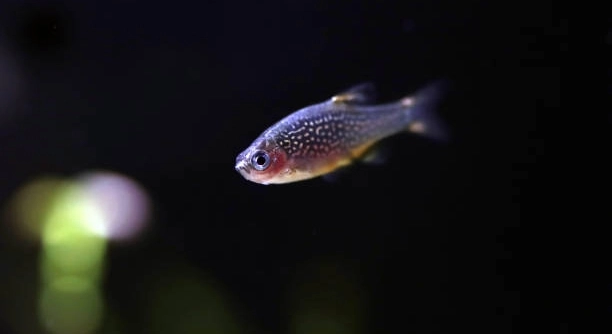
Danios are lively fish known for their playful behavior and vibrant appearance. During mating season, their colors can change dramatically, offering a fascinating display in home aquariums. Observing these shifts can be both enjoyable and educational.
During mating time, danios exhibit a range of seven distinct colors, including bright blues, fiery reds, soft yellows, subtle greens, silvery whites, deep oranges, and occasional purples. These changes signal readiness and play a key role in reproductive behavior.
Watching the transformation of their colors can add a new level of appreciation to your aquarium experience and help you understand their natural habits.
Bright Blue Danios
Bright blue danios become more vivid during mating periods, their scales reflecting light and creating a shimmering effect. This color change is more than just visual appeal; it signals their health and readiness to mate. Males often show brighter blues than females, which helps attract potential partners. Observing them closely, you might notice subtle movements and flares that accompany this color shift. These behaviors are instinctive and help establish dominance among males while guiding females toward suitable mates. The intensity of the blue can vary depending on water quality, temperature, and diet, so maintaining stable conditions ensures consistent vibrancy. Their glowing appearance can transform a simple aquarium into a lively display of movement and color, drawing attention to the details of their interactions. Watching these shifts daily provides insight into natural mating behavior and encourages careful observation of other subtle color changes that indicate readiness or stress in the fish.
Bright blue highlights often appear on fins first before spreading across the body during mating.
The bright blue coloration is influenced by the presence of iridophores in the skin. These cells reflect light and intensify the blue appearance, particularly in males. Proper nutrition, including carotenoid-rich foods, enhances this effect, making the color more vivid. Water parameters like pH, temperature, and hardness also impact the saturation of the hue. Changes in lighting can alter the perceived intensity, so aquariums with adequate natural or artificial light show brighter displays. Observing the patterns of color shift can help in identifying individual mating readiness. During this period, males often exhibit more pronounced fin flares and chase behaviors, reinforcing their bright blue presence. Females may display complementary coloration, with lighter shades and subtle hints of blue, which helps males recognize suitable mates. Regular water changes and a balanced diet ensure these colors remain at their peak. Overall, bright blue danios create a visually engaging display that reflects both health and reproductive activity.
Fiery Red Danios
Fiery red danios intensify in color as mating season approaches, often appearing more concentrated along the fins and body edges.
This deep red signaling serves to attract females and assert dominance among competing males.
The red coloration in danios is linked to carotenoid pigments acquired from their diet. When males consume sufficient carotenoid-rich foods, such as certain flakes or live foods, the reds become more vibrant and noticeable. These bright patches are not purely ornamental; they play an essential role in reproductive signaling, helping females choose the healthiest mates. Stress or poor water quality can dull the red, making it less effective in communication. Fiery red hues often appear in specific patterns, with the intensity varying between individual fish. Observing these patterns over time helps identify dominant males and understand social hierarchies within the tank. During mating, red patches are frequently paired with quick darting movements or fin extensions, emphasizing the fish’s energy and vitality. Providing a stable, clean environment encourages the red to reach its full brilliance and supports successful mating interactions.
Soft Yellow Danios
Soft yellow tones become more visible during mating, often appearing along the body and fins of both males and females.
The yellow pigmentation is mainly due to xanthophores, which reflect light in warm tones. During mating, these colors intensify slightly, signaling health and readiness. Proper nutrition and stable water conditions help maintain the vibrancy of yellow shades. When stressed, the yellow can fade, making the fish appear dull. Observing subtle changes in this color can indicate shifts in mood or reproductive activity. Soft yellow tones often complement other colors, such as blue or red, creating a balanced display that communicates status within the tank.
Yellow highlights also indicate calmer behavior, as males with bright yellow tones may show less aggressive chasing.
Yellow coloration can shift depending on lighting and diet. Fish consuming varied foods with natural pigments show more pronounced yellow, while lack of nutrients reduces brightness. This shade can interact with other colors on the body, creating gradients that signal reproductive readiness to potential mates. Monitoring yellow intensification helps track mating cycles and ensures the fish remain healthy. Stress factors like overcrowding or poor water quality can suppress the yellow, making it important to maintain consistent tank care. Observing these subtle changes alongside other colors provides a fuller understanding of mating behaviors and individual fish health.
Subtle Green Danios
Green shades often appear along the dorsal and lateral areas, becoming more noticeable in mating males. These tones are usually muted but add depth to the overall color display.
Subtle green in danios is linked to a combination of iridophores and xanthophores, reflecting light in specific ways. During mating, green can serve as a secondary signal, complementing brighter colors like blue or red. Its presence can indicate balanced health, as dull or patchy green may suggest stress or poor nutrition. Water quality, temperature, and diet influence green intensity, with stable conditions enhancing the overall display. Males with clearer green tones often exhibit more active courtship, moving around the tank to display their colors. This color works alongside yellow, blue, and red to communicate readiness and vitality to potential mates.
Green accents can also help differentiate individuals in a crowded tank, providing visual cues for both dominance and mating.
Maintaining green vibrancy requires attention to lighting and diet. Foods containing natural pigments, like spirulina or certain live foods, enhance green tones effectively. Proper filtration and regular water changes support healthy coloration, as poor water conditions can make green appear dull or uneven. Observing these shifts in combination with other colors allows better recognition of mating behaviors and individual health. Green can serve as a subtle but important indicator of reproductive activity, helping track male and female interactions and ensuring that dominant and receptive fish are easily identifiable within the aquarium setting.
Silvery White Danios
Silvery white tones shine on the scales and fins, reflecting light and creating a soft glow. This color becomes more prominent during mating, especially in males showing off their health and vitality to attract partners.
White highlights often appear along the edges of fins and the body, adding contrast to other colors.
Deep Orange Danios
Deep orange coloration intensifies as mating begins, mostly appearing on the fins and lower body. This color signals energy and readiness, helping males stand out in a tank with multiple fish. Diets rich in carotenoids enhance this hue, making it more vibrant and noticeable to females.
Males often display fin flares while showing deep orange, emphasizing dominance and drawing attention. The orange can vary in intensity depending on water conditions and overall fish health. Tanks with proper lighting allow the color to appear brighter, while dim conditions can make it appear muted. Observing orange patterns helps identify which males are most active in courtship. Consistent feeding and clean water support the full depth of orange, ensuring it remains a clear indicator of reproductive fitness. This color works alongside blue, red, yellow, and green to create a full visual display that communicates status and readiness among danios in the aquarium.
Occasional Purple Danios
Purple tones appear rarely, usually as subtle hints on fins or near the gills. These shades add variety to the overall color palette during mating.
FAQ
What causes danios to change colors during mating?
Color changes in danios during mating are triggered by hormonal shifts that signal reproductive readiness. Males often display brighter or more intense colors to attract females, while females may show subtle color shifts that indicate receptivity. Environmental factors, including water temperature, lighting, and diet, also influence these changes. A stable tank environment ensures that colors appear consistently, highlighting natural behaviors without stress. Stress, poor water quality, or inadequate nutrition can dull these colors, reducing their effectiveness as signals. Observing gradual changes over time provides insight into mating cycles and individual health.
How long do these color changes last?
The intensity of color changes generally lasts throughout the mating period, which can vary depending on species, tank conditions, and individual fish health. Bright or vivid colors may persist for several days, especially in males actively courting females. After mating activity declines, colors often return to baseline, more subdued tones. Maintaining proper lighting, water quality, and nutrition can extend the duration of these mating colors, making them easier to observe. Noticing the peak coloration periods helps identify optimal mating times and provides a clearer view of natural courtship behaviors in the tank environment.
Can diet affect danio colors?
Yes, diet significantly impacts color vibrancy in danios. Foods rich in carotenoids, such as certain flakes, pellets, or live foods, enhance reds, oranges, and yellows. Spirulina and other natural pigments boost greens and subtle blues. A balanced diet supports overall health, which in turn influences how strongly colors appear during mating. Nutrient deficiencies or inconsistent feeding can result in dull colors, even during peak mating periods. Paying attention to diet not only improves visual displays but also encourages successful reproductive behavior and helps maintain long-term vitality in the fish.
Do all danios display the same colors?
Not all danios show identical color patterns. Color intensity, location, and combination vary between males and females, as well as between species. Males typically exhibit the brightest, most noticeable hues to attract mates, while females show subtler shades that complement the male’s display. Environmental factors and genetics further influence individual differences. Observing these variations helps aquarists understand social hierarchies, mating readiness, and health status within a group of danios. Even subtle color differences can indicate dominance, stress, or reproductive potential, making careful observation essential for a balanced and thriving aquarium.
Is water quality important for color changes?
Water quality plays a critical role in the visibility and intensity of color changes. Poor conditions, such as high ammonia or unstable pH, can stress fish, causing colors to fade or appear patchy. Clean, well-maintained water supports natural coloration and encourages active mating behavior. Stable temperatures and proper filtration contribute to healthy pigmentation. Observing danios in a well-maintained environment makes it easier to notice subtle shifts in color during mating and provides a clearer picture of overall health. Prioritizing water quality ensures colors are both vibrant and reliable indicators of reproductive activity.
Do lighting conditions affect how colors appear?
Lighting can dramatically alter the perception of danio colors. Natural or full-spectrum aquarium lights enhance blues, reds, and yellows, making mating displays more visible. Dim lighting may dull colors or mask subtle changes, while overly harsh lighting can stress the fish, reducing vibrancy. Adjusting light duration and intensity to mimic natural conditions helps maintain true color displays. Observing danios under proper lighting conditions allows for a more accurate understanding of mating behaviors, color signals, and interactions within the aquarium, highlighting the full range of visual communication these fish use during reproduction.
Can stress impact mating colors?
Stress has a direct effect on the brightness and intensity of colors. Crowded tanks, aggressive tank mates, sudden changes in water parameters, or inconsistent feeding can all lead to faded or uneven coloration. Stress interferes with hormonal balance, which is crucial for color changes during mating. Reducing stress by providing adequate space, hiding spots, stable water conditions, and a consistent feeding schedule helps danios display their full range of mating colors. Observing how fish respond to environmental adjustments can provide insights into the health of the tank and the likelihood of successful reproduction.
Are color changes permanent?
Color changes during mating are temporary and closely linked to hormonal cycles. Once the mating period ends or conditions change, danios typically return to their normal baseline colors. Long-term environmental stress, poor nutrition, or illness can permanently affect coloration, but regular care and proper tank management ensure temporary shifts remain healthy indicators of reproductive behavior rather than lasting damage. Tracking these temporary changes provides useful insight into natural mating rhythms and helps aquarists support healthy, thriving fish populations.
How can I encourage mating colors in my tank?
Encouraging vibrant mating colors involves maintaining stable water conditions, providing a balanced diet rich in natural pigments, and offering adequate space and hiding spots to reduce stress. Proper lighting schedules and attention to temperature also enhance visual displays. Observing subtle behavioral cues alongside color changes can help identify optimal mating periods, ensuring a successful and healthy breeding environment.
Final Thoughts
Observing danios during mating time offers a unique look into their natural behavior and vibrant colors. Each color change, from bright blue to occasional purple, signals specific behaviors and readiness for reproduction. Males usually display the brightest colors, while females tend to show more subtle shifts. Paying attention to these changes can help you understand which fish are dominant, which are healthy, and which are ready to mate. Maintaining a clean tank with stable water conditions, proper temperature, and adequate lighting allows these colors to develop naturally and remain vivid. The interplay between colors like red, yellow, blue, green, and orange creates a visually engaging display that reflects the social structure within your aquarium. Noticing how colors change gradually over time adds depth to your observation and helps you respond appropriately to the needs of your fish.
Diet plays a significant role in enhancing danio colors. Foods rich in natural pigments, such as carotenoids and spirulina, support reds, yellows, greens, and blues, making them appear brighter and more noticeable during mating. In addition to nutrition, stress levels strongly influence color intensity. Crowded tanks, aggressive tank mates, sudden changes in water parameters, or inconsistent feeding can all cause colors to fade. Ensuring enough space, hiding spots, and a consistent routine helps minimize stress and encourages the fish to display their full range of colors. Watching the subtle shifts in colors also provides insight into overall fish health. When colors appear dull or patchy, it often signals a need to check water quality, diet, or other environmental factors. By keeping these conditions stable, you not only promote strong, healthy colors but also support the natural mating behaviors that these signals communicate.
Finally, color changes in danios are temporary but meaningful. They serve as visual cues for mating, dominance, and health. Observing these changes gives a closer connection to the life of your fish and helps maintain a balanced aquarium environment. Temporary shifts in color do not indicate permanent problems, but prolonged dullness may suggest underlying issues with nutrition, water quality, or stress. By providing consistent care and attention, you can enjoy the full spectrum of colors danios display during mating time. These color transformations create a dynamic and lively aquarium that reflects natural behavior and encourages healthy interactions among the fish. Understanding how each color signals a different aspect of their behavior adds appreciation for the complexity and beauty of these small but striking fish, making their care more rewarding and engaging.

Hello,
If you enjoy the content that we create, please consider saying a "Thank You!" by leaving a tip.
Every little bit helps us continue crafting quality advice that supports the health, happiness, and well-being of pets around the world, for pets of all shapes, sizes, and species.
We really appreciate the kindness and support that you show us!