
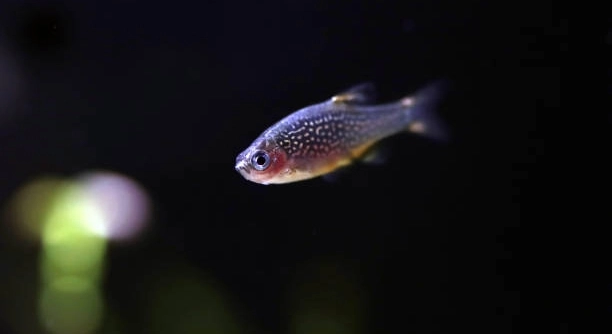
Are your danios swimming sluggishly or showing unusual behavior in your tank? Even minor changes in water conditions can quickly affect their health. Maintaining the right environment is crucial for keeping these fish lively and vibrant.
Water quality impacts danios through multiple indicators, including pH levels, ammonia, nitrite, nitrate, temperature, hardness, and oxygen content. Monitoring and adjusting these parameters promptly ensures optimal health, reduces stress, and prevents rapid deterioration of fish wellbeing in aquariums.
Keeping track of these factors can make a noticeable difference in your danios’ daily activity and overall health. Proper care starts with understanding the water they live in.
pH Levels
Maintaining stable pH levels is essential for danios to thrive. These fish prefer slightly acidic to neutral water, typically around 6.5 to 7.5. Sudden fluctuations can stress them, affecting their appetite and activity. Using a reliable pH test kit allows you to monitor the water accurately. If pH drifts too high or too low, partial water changes or natural buffers can help restore balance. It’s important to avoid drastic adjustments, as danios are sensitive to rapid shifts. Over time, consistent pH management creates a stable environment, supporting overall fish health and reducing susceptibility to disease. Keeping track of pH alongside other water indicators ensures a balanced tank ecosystem. Regular observation and timely corrections can prevent long-term health problems and promote lively, active fish.
pH directly affects danios’ metabolic processes and stress levels, making stability a key factor in their daily wellbeing.
Monitoring pH should be part of your routine. Combine regular testing with small, consistent adjustments to maintain a safe, comfortable environment for your danios. Avoid large, abrupt changes, and remember that tank decorations, substrate, and water sources can influence pH levels over time. Observing fish behavior can also provide clues if pH is off balance, such as lethargy or unusual swimming patterns. Keeping pH stable supports not only physical health but also normal behavior, feeding, and growth.
Ammonia Levels
Ammonia in aquariums comes from fish waste, uneaten food, and decaying plants. High levels are toxic and can damage gills, making it difficult for danios to breathe. Regular water testing is critical, especially in new tanks or heavily stocked aquariums.
Even small ammonia spikes can stress fish, reducing immunity and increasing vulnerability to disease.
Ammonia toxicity develops quickly, affecting multiple aspects of danios’ health. Frequent partial water changes help dilute ammonia, while maintaining a properly cycled tank reduces accumulation. Biological filtration is also essential, as beneficial bacteria convert ammonia into less harmful compounds. Overfeeding contributes to higher ammonia, so controlling food quantity is crucial. Observing fish for signs like gasping at the surface or unusual swimming can indicate rising ammonia. Addressing these issues promptly prevents long-term damage and keeps fish active. Combining testing, filtration, and feeding management creates a safer, more stable environment. Proper ammonia control ensures danios remain healthy and reduces the risk of sudden health declines.
Nitrite Levels
Nitrite forms during the breakdown of ammonia and is harmful to danios even at low concentrations. It interferes with oxygen transport in the blood, causing stress and potential long-term damage. Monitoring nitrite is essential, especially in newer tanks that are still cycling.
Keeping nitrite under control requires regular water changes and a fully established biological filter. Nitrite converts into nitrate as beneficial bacteria develop, so patience is necessary in new setups. Overfeeding or overcrowding increases nitrite buildup, so managing tank population and feeding routines helps maintain safe levels. Using test kits regularly ensures early detection, allowing adjustments before fish health is affected. Watching fish behavior, such as rapid gill movement or erratic swimming, can also indicate elevated nitrite. Consistent maintenance and monitoring create a stable environment for danios to thrive.
Filtration, proper feeding, and water testing together form the foundation for nitrite management. Partial water changes reduce concentrations, and allowing bacteria to establish in the filter converts nitrite into less harmful nitrate. Avoid adding too many new fish at once, as sudden increases in waste can overwhelm filtration. Keeping nitrite at safe levels supports normal breathing, activity, and growth, ensuring danios remain healthy and active over time.
Nitrate Levels
Nitrate is the end product of the nitrogen cycle, less toxic than ammonia or nitrite but still harmful in excess. High nitrate levels can lead to stress, poor growth, and susceptibility to disease. Regular testing is needed to ensure levels remain safe.
Maintaining low nitrate requires consistent water changes, proper feeding, and avoiding overcrowding. Live plants can also help absorb nitrates, contributing to a healthier environment.
Over time, nitrate accumulation affects danios’ overall health. Even moderate levels can slow growth and reduce vitality, making fish more prone to infections. Water changes of 20-30% weekly help control nitrate concentrations, while avoiding overfeeding reduces excess waste. Live plants absorb nitrates as part of their growth, improving water quality naturally. Monitoring nitrate alongside ammonia and nitrite ensures a balanced tank ecosystem. Combining filtration, plant life, and regular maintenance provides a stable, clean habitat that supports active and healthy danios.
Temperature
Danios are sensitive to sudden changes in water temperature. Maintaining a stable range between 22°C and 28°C keeps them active and healthy. Rapid fluctuations can stress their system, making them more vulnerable to illness.
Using a reliable heater and thermometer ensures consistent temperature. Avoid placing the tank near drafts or direct sunlight, as external factors can cause shifts.
Water Hardness
Water hardness affects mineral availability and overall fish health. Danios prefer moderately soft to slightly hard water. Extreme hardness or softness can stress them and impact growth. Regular testing helps maintain balance, and adjustments can be made with conditioners or mineral supplements to keep the water suitable.
Oxygen Levels
Adequate oxygen is critical for danios’ survival. Proper aeration through filters, air stones, or water movement prevents oxygen depletion, especially in crowded tanks. Observing fish behavior, such as gasping at the surface, can indicate low oxygen levels and the need for immediate adjustments.
FAQ
How often should I test my danios’ water?
Testing water at least once a week is ideal for monitoring pH, ammonia, nitrite, and nitrate levels. Frequent checks help detect small changes before they become harmful. In newly established tanks, daily testing may be necessary until the biological filter is fully matured.
What is the safest way to lower high ammonia or nitrite?
Performing partial water changes of 20-30% is the most effective and safe method. Avoid drastic changes, as sudden shifts can stress danios further. Using biological filter media helps convert ammonia and nitrite into less harmful compounds naturally over time.
Can overfeeding affect water quality?
Yes, uneaten food decomposes, raising ammonia, nitrite, and nitrate levels. Feeding small amounts once or twice a day and removing leftover food prevents water contamination. Monitoring feeding habits ensures both water quality and fish health remain stable.
Are danios sensitive to pH changes?
Danios are sensitive to sudden pH fluctuations. They thrive in slightly acidic to neutral water, generally between 6.5 and 7.5. Sudden shifts can reduce immunity and affect behavior. Using test kits and gradual adjustments ensures a safe environment.
How do I reduce high nitrate levels?
Regular water changes, ideally 20-30% weekly, help keep nitrate under control. Live plants can naturally absorb nitrates, while proper filtration reduces accumulation. Avoid overstocking the tank and manage feeding to prevent excess waste buildup.
What signs indicate low oxygen levels?
Gasping at the surface, sluggish swimming, or clustering near filters can indicate low oxygen. Improving aeration with air stones, stronger filtration, or increased water movement helps maintain adequate oxygen for all fish in the tank.
How do I maintain consistent temperature for danios?
Use a reliable aquarium heater and thermometer to maintain 22-28°C. Avoid placing the tank near windows, heaters, or air conditioners, as external factors can cause sudden temperature swings. Stability prevents stress and supports normal feeding and activity.
Is tap water safe for danios?
Tap water can be safe if treated to remove chlorine or chloramine. Using a water conditioner ensures harmful chemicals are neutralized. Allowing water to sit for a short time before adding fish can also help remove residual substances.
How can I prevent stress from multiple water changes?
Perform small, consistent partial water changes rather than large, infrequent ones. Gradual adjustments maintain water stability, reducing stress and supporting danios’ immune systems. Observe fish during changes to ensure they remain calm and active.
What is the role of biological filtration?
Biological filters host beneficial bacteria that convert ammonia to nitrite and then nitrate, keeping water safe. A well-maintained filter stabilizes the tank ecosystem and prevents dangerous spikes. Regular cleaning without disturbing bacteria is key to consistent performance.
How important is tank size for water quality?
Larger tanks dilute waste more effectively, reducing spikes in ammonia and nitrite. Overstocking smaller tanks can quickly lead to dangerous water conditions. Providing adequate space helps maintain stable parameters and supports healthy, active danios.
Can decorations and substrate affect water quality?
Yes, certain rocks or substrates can alter pH or hardness. Choosing inert materials and monitoring water parameters prevents unwanted chemical changes. Regular cleaning of decorations also reduces organic buildup, helping maintain a balanced tank environment.
How do I know if my danios are stressed from poor water quality?
Signs include clamped fins, lethargy, rapid gill movement, and reduced appetite. Early detection allows prompt water testing and corrections. Maintaining stable conditions and proper feeding routines minimizes stress and promotes consistent health.
Are there any supplements that help maintain water quality?
Some mineral and buffer supplements can stabilize pH or hardness. However, they should be used cautiously and based on test results. Overuse can create imbalances, so following recommended dosages and observing changes is essential for safe water management.
How can I prevent future water quality problems?
Regular testing, proper feeding, consistent water changes, and adequate filtration are the best preventive measures. Observing fish behavior and keeping the tank clean ensures long-term stability. Combining these practices minimizes risks and keeps danios active and healthy.
Maintaining healthy water conditions is essential for keeping danios active and thriving. Every small factor in the tank, from pH and temperature to ammonia, nitrite, and nitrate levels, plays a role in their overall wellbeing. Consistent monitoring allows you to notice changes before they become serious problems, preventing stress and potential illness. Even minor fluctuations in these indicators can affect their metabolism, activity, and appetite, so paying attention to these details is key. Regular testing, combined with small adjustments, creates a more stable environment, ensuring that the fish remain lively and healthy. Simple actions like partial water changes, controlling feeding, and maintaining proper filtration can make a significant difference in water quality, which directly impacts your danios’ comfort and long-term health. Over time, following these practices helps establish a reliable routine, reducing surprises and keeping your tank environment safe and predictable.
Water quality management is not just about reacting to problems but also about prevention. Proper care starts with understanding the tank ecosystem and the way different factors interact. Ammonia, nitrite, and nitrate levels are closely linked, and imbalances in one can quickly affect the others. Temperature and oxygen levels influence metabolism and stress responses, while pH and hardness affect physiological processes. Observing your danios daily can provide early warning signs of water quality issues, such as lethargy, unusual swimming patterns, or changes in appetite. By combining visual observation with regular testing, you can maintain an environment that supports healthy behavior and growth. Implementing these practices consistently ensures that your efforts have a long-lasting impact on fish health. Simple preventive measures, like avoiding overstocking, feeding responsibly, and keeping the tank clean, also help reduce the likelihood of sudden water quality spikes.
Finally, maintaining good water quality is about creating a balanced and stable environment where danios can thrive. Each factor, whether chemical, physical, or biological, contributes to the overall health of the tank. Paying attention to these details builds a predictable routine that protects the fish and supports their natural behavior. Investing time in regular testing, water changes, and monitoring not only prevents health issues but also enhances your confidence as a caretaker. Small adjustments made consistently prevent stress and reduce the risk of sudden problems. Over time, a well-maintained tank encourages active, vibrant danios and creates a safe, healthy environment. Understanding and managing these water quality indicators ensures that your fish remain healthy, resilient, and happy for years, making your aquarium a stable and enjoyable habitat.

Hello,
If you enjoy the content that we create, please consider saying a "Thank You!" by leaving a tip.
Every little bit helps us continue crafting quality advice that supports the health, happiness, and well-being of pets around the world, for pets of all shapes, sizes, and species.
We really appreciate the kindness and support that you show us!