
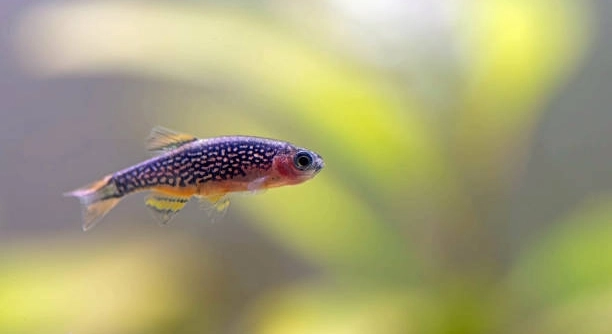
Many hobbyists enjoy keeping danios for their lively behavior and bright colors. Breeding them can be rewarding, yet it requires understanding how their environment, especially water temperature, affects their reproductive success and overall health.
Danios breed most effectively within specific temperature ranges that support egg development and fry survival. Maintaining water between 22°C and 28°C promotes mating behaviors, ensures proper embryonic growth, and reduces stress that could hinder successful spawning.
Knowing the optimal temperatures makes a significant difference in breeding outcomes and can help maintain a healthier, more active aquarium population.
Understanding Ideal Breeding Temperatures
Danios respond quickly to water temperature changes, making it essential to monitor their tank conditions. The ideal range usually falls between 22°C and 28°C. Lower temperatures can slow their metabolism, reducing mating activity, while higher temperatures can increase stress levels and shorten lifespan. Maintaining a steady temperature encourages regular spawning and healthier fry. Small fluctuations can affect egg development and survival rates, so using a reliable heater and thermometer is recommended. Tank placement also matters, as direct sunlight or drafts can alter water conditions. Additionally, separating males and females before introducing them for breeding can increase the chances of success. Feeding a balanced diet during this period ensures the fish have the energy needed for reproductive activity. Watching their behavior over a few days helps in recognizing readiness to spawn. By combining proper temperature, diet, and observation, breeding can become a consistent and successful process without unnecessary setbacks.
Proper temperature control alone is a major factor in achieving steady breeding success.
Consistent attention to tank conditions and daily observations allows you to notice subtle changes in behavior. Danios often show increased activity, chasing, or nudging when ready to spawn. Maintaining optimal water quality and temperature ensures that eggs develop properly and fry grow stronger. Using fine-leaved plants or spawning mops provides safe areas for eggs, protecting them from being eaten. Adjusting light cycles to mimic natural conditions can further encourage breeding behavior. While it may seem complex, breaking tasks into daily steps makes it manageable. Over time, observing these patterns improves understanding of your fish’s needs and creates an environment where breeding occurs naturally. With patience and careful monitoring, maintaining the correct temperature, combined with proper feeding and habitat setup, leads to healthier and more consistent fry production. This approach emphasizes steady results over rushing the process.
Temperature Fluctuations and Their Impact
Even minor shifts in water temperature can stress danios, affecting breeding performance. Sudden changes may reduce spawning activity and lower egg viability.
Temperature swings can slow growth in fry and increase susceptibility to disease. Fry exposed to unstable conditions may develop more slowly, showing weaker swimming patterns or higher mortality rates. Ensuring stable temperatures prevents these issues. Keeping the tank away from windows, heaters, or drafts and using a reliable thermostat can mitigate fluctuations. Monitoring water daily allows early detection of changes, letting you adjust conditions before problems arise. Pairing stable temperatures with proper feeding routines strengthens the health of adults and supports egg production. Using a thermometer in multiple tank areas ensures accuracy and helps maintain consistent conditions throughout. Consistent water care combined with temperature control provides the environment needed for reliable breeding, healthier fry, and less stress for the adult fish. Over time, these small adjustments create a more predictable and rewarding breeding experience.
Recommended Daytime Temperatures
Maintaining daytime water temperatures around 24°C to 26°C encourages active swimming and mating behaviors. This range supports metabolism and improves the likelihood of successful spawning in danios.
Consistent daytime temperatures create a stable environment that allows males and females to interact naturally. At this range, females develop eggs properly, and males display courting behaviors. Sudden spikes or drops can disrupt activity, making breeding less predictable. Using a reliable aquarium heater ensures water stays within this window, while frequent temperature checks prevent unnoticed fluctuations. Pairing this with a balanced diet enhances reproductive readiness and overall fish health, creating optimal conditions for egg production.
Daytime warmth also encourages fry to hatch faster and remain active. When eggs are fertilized under consistent temperatures, they tend to have higher survival rates. Observing tank behavior during these periods helps confirm readiness to spawn and indicates whether adjustments are needed. Providing shaded areas and plants allows fish to regulate their activity comfortably.
Recommended Nighttime Temperatures
Lowering nighttime temperatures slightly to 22°C to 24°C mimics natural conditions and reduces stress for the fish.
A small temperature drop at night signals a natural rhythm that encourages healthy reproductive cycles. It slows metabolism just enough for rest without affecting egg development. Nighttime cooling also helps reduce algae growth and keeps water oxygenated, benefiting both adult fish and developing fry. Using a reliable thermometer ensures temperatures stay within this narrow range. Proper nighttime conditions complement daytime warmth, creating a stable 24-hour cycle that supports breeding behaviors and strengthens the health of adults. Monitoring these conditions regularly prevents sudden changes that could interrupt spawning or harm eggs. Maintaining this balance over several weeks increases the chances of multiple successful breeding events, producing stronger, more resilient fry.
Gradual Temperature Adjustments
Changing water temperature gradually prevents stress and ensures danios remain healthy. Sudden shifts can reduce breeding activity and increase susceptibility to disease.
Adjusting temperatures slowly, around 1°C per day, allows fish to acclimate naturally. Using a thermometer to track changes helps maintain safe conditions and promotes consistent spawning behavior.
Effects of High Temperatures
Temperatures above 28°C can increase stress, lower fertility, and reduce fry survival rates. High heat accelerates metabolism but may cause exhaustion.
Prolonged exposure to elevated temperatures can lead to aggressive behavior, irregular swimming, and weakened immune response. Fertilized eggs may fail to develop properly, and fry can hatch weaker or die prematurely. Maintaining consistent, moderate temperatures prevents these issues, ensuring adult fish remain healthy and productive.
Effects of Low Temperatures
Temperatures below 22°C slow metabolism and reduce mating behaviors. Fish may become lethargic, and egg production drops significantly.
FAQ
What is the best temperature range for danio breeding?
The most effective range for breeding danios is between 22°C and 28°C. Within this range, males display active courting behaviors, and females develop eggs properly. Maintaining this temperature ensures that fertilized eggs develop normally and that fry have higher survival rates. Both daytime and nighttime temperatures should be monitored to keep them consistent. Using a reliable heater and thermometer allows you to track water conditions accurately. Gradual adjustments to temperature are better than sudden changes, which can stress the fish and disrupt spawning activity.
Can temperature alone guarantee successful breeding?
No, temperature is a key factor, but not the only one. Proper diet, clean water, and safe spawning areas are also critical. Even with ideal temperatures, neglecting water quality or overcrowding can reduce spawning success. Plants, spawning mops, or fine-leaved decorations provide eggs with protection from being eaten. Observing fish behavior daily helps determine readiness to breed, ensuring timing aligns with environmental conditions. A stable routine combined with temperature control significantly increases success rates, but it must be paired with proper care practices.
How quickly should I adjust the tank temperature?
Temperature should be changed gradually, around 1°C per day, to allow fish to acclimate. Rapid changes cause stress, reduce mating behaviors, and increase susceptibility to illness. Tracking temperature with a thermometer in multiple locations ensures accuracy. Slow adjustments also help eggs and fry tolerate minor environmental shifts.
Do danios prefer the same temperature day and night?
No, a slight drop at night is beneficial. Lowering water to around 22°C–24°C at night mimics natural conditions and reduces stress. This cooling signals a natural rhythm, helping regulate metabolism and encouraging healthy reproductive cycles. Daytime warmth supports activity and mating, while nighttime cooling allows rest. Maintaining this 24-hour cycle creates a stable environment that benefits both adult fish and developing fry.
What happens if the temperature goes too high?
Temperatures above 28°C can stress danios, reduce fertility, and lower fry survival. Heat accelerates metabolism but can exhaust fish, weaken the immune system, and increase aggression. Eggs may fail to develop, and fry might hatch weak or die early. Maintaining moderate, consistent temperatures prevents these issues and ensures adults remain productive.
What happens if the temperature is too low?
Temperatures below 22°C slow metabolism, reduce mating behaviors, and lower egg production. Fish become lethargic, courtship decreases, and fertilized eggs may develop slowly or not survive. Consistently low temperatures can affect the overall health of the adult fish and hinder fry growth. Monitoring tank conditions helps prevent extended exposure to cold water.
How can I tell if the temperature is right for breeding?
Fish behavior provides clear signals. Active swimming, chasing, and nudging indicate readiness to spawn. Females will appear fuller as eggs develop, and males display more persistent courting behavior. Eggs that are fertilized under the right temperature range tend to hatch successfully. Observing these patterns alongside regular temperature checks ensures conditions are optimal for breeding.
Do temperature fluctuations affect fry development?
Yes, even small swings can slow fry growth, cause irregular swimming, or increase mortality. Stable water conditions are essential for proper embryonic development. Using a reliable heater, thermometer, and monitoring daily prevents harmful fluctuations. Fry raised in stable conditions are stronger and more resilient, making early care easier.
Is it necessary to separate males and females for breeding?
Separating males and females before introducing them can improve breeding outcomes. This approach helps control timing, ensures readiness, and reduces stress. Once they are introduced into optimal conditions, mating behavior typically begins quickly. Observing interactions ensures that eggs are fertilized and that both adults remain healthy.
How do I maintain consistent temperature over time?
A reliable heater and thermometer are essential. Position the thermometer in different areas of the tank to avoid misleading readings. Avoid placing the tank near drafts, windows, or heat sources that may cause fluctuations. Daily checks and small adjustments maintain a steady environment, creating ideal conditions for breeding and fry development.
This FAQ addresses the most common temperature-related concerns in danio breeding, emphasizing consistency, observation, and careful adjustment to support healthy adults and strong fry.
Final Thoughts
Breeding danios successfully depends largely on maintaining proper water temperatures. Keeping daytime temperatures between 24°C and 26°C encourages active swimming and mating behavior, while slightly cooler nighttime temperatures between 22°C and 24°C allow fish to rest naturally. This small daily fluctuation mimics natural conditions, helping reduce stress and supporting healthy reproductive cycles. Using a reliable heater and thermometer ensures that temperatures remain consistent, and gradual adjustments of about 1°C per day prevent shock to the fish. Consistency in temperature is one of the simplest yet most effective steps to creating an environment where danios are more likely to spawn regularly. Over time, observing their behavior at these temperatures gives you clues about readiness to breed and helps fine-tune conditions for stronger and more active fry.
It is also important to remember that temperature is only one factor influencing breeding success. Clean water, proper filtration, and a balanced diet are equally essential. Adults in poor health or exposed to unstable conditions may not spawn, even if the temperature is ideal. Providing safe areas for eggs, such as plants or spawning mops, reduces the risk of eggs being eaten and improves fry survival. Paying attention to subtle behavior changes, such as chasing, nudging, or increased activity, allows you to identify when the fish are ready to breed. By combining these basic care practices with careful temperature management, you can create a reliable routine for breeding that is easier to maintain and produces consistent results. The combination of environmental stability, proper nutrition, and attentive observation is the key to healthier fish and stronger offspring.
Finally, patience and careful monitoring are essential for successful danio breeding. Fry are delicate during their early days, and maintaining the right conditions from the start greatly improves their chances of survival. Gradual changes in temperature, consistent feeding, and a clean tank environment support both adult health and egg development. Observing their activity, adjusting temperatures gradually, and providing a stable habitat are small steps that lead to long-term success. Even minor fluctuations or neglect can disrupt breeding patterns, so staying attentive ensures that the fish remain healthy and active. Focusing on steady, controlled conditions rather than quick fixes produces stronger, more resilient fry and a happier aquarium overall. Over time, following these simple temperature and care practices creates an environment where breeding becomes predictable, manageable, and rewarding, giving you healthier fish and more success with each spawning.

Hello,
If you enjoy the content that we create, please consider saying a "Thank You!" by leaving a tip.
Every little bit helps us continue crafting quality advice that supports the health, happiness, and well-being of pets around the world, for pets of all shapes, sizes, and species.
We really appreciate the kindness and support that you show us!