
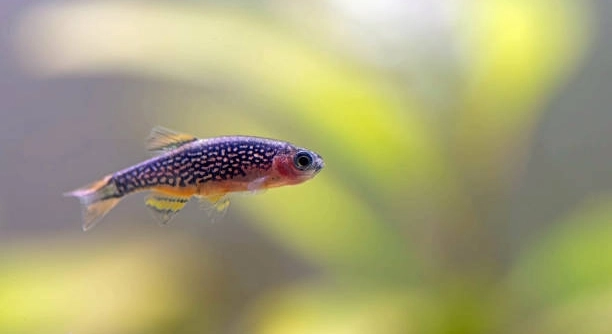
Danios are popular freshwater fish often kept in home aquariums for their vibrant colors and active behavior. Many fishkeepers assume they fully understand their habits, yet misconceptions about their needs and interactions remain widespread.
Several myths about danio behavior persist, including incorrect assumptions about aggression, schooling, feeding habits, and environmental preferences. Clarifying these misconceptions is crucial for proper care, ensuring both the health of the fish and a harmonious aquarium environment.
Recognizing the truth behind common myths allows you to create a better home for your danios. Accurate knowledge supports healthier, more natural behavior in your aquarium.
Danios Are Always Aggressive
Many people assume danios are naturally aggressive, but this is not entirely true. While they can show territorial behavior in cramped or poorly decorated tanks, aggression is usually a response to stress or lack of space. In well-maintained aquariums, they are generally peaceful and get along with other small, non-aggressive fish. Their social behavior is complex, and they often interact more with their own species than with tankmates. Observing them carefully can reveal playful chasing, which is often mistaken for hostility. Proper stocking levels, hiding spots, and smooth flow of water help reduce unnecessary confrontations. Overcrowding is one of the main reasons aggression appears, and it is easily corrected by adjusting tank population. Keeping them in schools of at least six encourages natural social structures and reduces tension. Diet also plays a role; underfed danios can become more competitive and nippy, which mimics aggressive behavior but is usually feeding-related.
Aggression in danios is often exaggerated. Stress, overcrowding, and poor conditions contribute more than innate hostility.
By addressing tank size, group numbers, and feeding schedules, it is possible to maintain calm, peaceful danios. Providing a structured environment with plants, decorations, and open swimming areas promotes healthy interaction. Observing their natural schooling patterns allows the fish to feel secure, reducing instances of chasing or nipping. It is also important to choose compatible tankmates that tolerate active swimmers. A well-maintained aquarium with proper water quality, temperature, and filtration further minimizes stress. Over time, owners notice that danios display curiosity and playfulness instead of constant conflict, creating a more enjoyable aquarium experience. Even seemingly dominant behaviors are often temporary and diminish once fish establish a social hierarchy. Learning these behaviors helps prevent mislabeling them as aggressive and ensures their well-being in a home setting.
Danios Do Not Need Schools
It is a common myth that danios can thrive alone. In reality, they are highly social fish.
Danios show reduced activity and stress when kept alone. Schools of at least six encourage movement, exploration, and natural behaviors.
Without companions, danios may become withdrawn or exhibit repetitive swimming patterns. Their social interaction provides mental stimulation and security. Keeping them in small groups supports feeding routines, reduces chasing, and allows them to display playful swimming, which is a natural aspect of their behavior. Group dynamics are crucial for observing mating behaviors and hierarchy formation. Aquarium setups that include schools of danios tend to look more dynamic, as synchronized swimming creates a lively environment. Isolation can lead to health issues, as stress lowers immunity and makes them more prone to illness. Even in larger tanks, single danios often appear listless compared to those in groups. Understanding the need for companionship ensures that danios remain active, healthy, and exhibit their characteristic vibrant patterns, benefiting both the fish and the overall aquarium aesthetic.
Danios Are Finicky Eaters
Danios are often labeled as picky, but they typically accept a wide variety of foods. High-quality flakes, pellets, frozen, and live foods are all suitable. Their eating habits are influenced more by tank conditions and feeding schedules than by preference.
Feeding danios regularly helps maintain their energy and vibrant colors. They thrive on small portions two to three times a day. Overfeeding can lead to water quality issues, while underfeeding increases stress and aggression. Observing their behavior during feeding times can reveal subtle signs of dietary needs or health concerns. Incorporating variety in their diet ensures they receive proper nutrition and prevents boredom. Many fishkeepers notice improved activity and coloration once a balanced feeding routine is established, highlighting that danios are adaptable rather than inherently selective.
Providing varied foods also supports natural foraging behaviors. Frozen or live foods encourage hunting instincts, which are important for mental stimulation. Flakes and pellets serve as staple nutrition, but alternating with treats prevents dietary monotony. It is helpful to remove uneaten food promptly to maintain water quality. Danios respond well to consistency, and gradual changes in diet are less stressful than sudden switches. Supplementing with plant matter or occasional vegetables can enhance health and digestion. A stable routine combined with diverse food options supports long-term vitality, making them resilient and easy to care for in a home aquarium setting.
Danios Prefer Calm Water
Many assume danios need fast-moving water, but moderate flow is ideal. Excessive currents can stress them and limit normal swimming patterns.
Danios naturally inhabit rivers and streams, but they adapt to aquariums with gentle to moderate flow. Strong currents can tire them and make feeding difficult. Including areas of slower water and open swimming zones allows them to move freely while resting when needed. Proper filtration and aeration maintain water quality without creating unnecessary turbulence. Tank decorations, plants, and driftwood can help break strong currents, giving fish space to navigate comfortably. Balancing water movement also supports oxygen levels and reduces aggressive interactions caused by stress.
Moderate water flow enhances overall well-being and encourages natural behaviors. Danios often swim actively in currents but return to calmer zones for resting. Observing their movement helps determine if the flow is suitable. Too little movement can reduce their activity, while excessive flow leads to fatigue and avoidance behaviors. Plants and hiding spots provide shelter from stronger currents, simulating natural conditions and encouraging exploration. Proper water management also minimizes debris accumulation and helps maintain clarity. Adjusting the flow ensures a stable environment where danios remain healthy, active, and display their characteristic schooling patterns.
Danios Are Nocturnal
Danios are not strictly nocturnal. They are most active during the day and rely on light cycles to regulate their behavior. Proper lighting encourages swimming, feeding, and social interaction.
They may rest at night, but they do not hide or remain inactive for long periods. Daylight hours influence activity patterns, helping maintain natural rhythms and overall health.
Danios Can Live in Small Tanks
While they tolerate smaller aquariums temporarily, long-term health and behavior suffer in cramped conditions. Adequate space is essential for schooling, swimming, and reducing stress.
Danios Don’t Need Plants
Plants are not optional. They provide hiding spaces, reduce aggression, and contribute to water quality. Live or artificial plants help danios feel secure, supporting natural behavior and overall health.
FAQ
What should I feed my danios?
Danios thrive on a varied diet. High-quality flakes or pellets provide essential nutrients. Supplementing with frozen or live foods like brine shrimp, daphnia, or bloodworms adds protein and encourages natural foraging behavior. Occasional vegetable matter, such as blanched spinach or zucchini, can support digestion and overall health. Feeding small portions two to three times daily prevents overfeeding and maintains water quality. Observing their eating habits ensures they are getting enough food without excess waste in the tank. A balanced diet keeps their colors vibrant and their energy levels consistent.
How many danios should be kept together?
Danios are schooling fish and do best in groups of at least six. Smaller numbers often result in stress, reduced activity, and possible aggression. A larger school encourages natural behaviors such as synchronized swimming and social interaction. Keeping them in sufficient numbers helps reduce chasing and nipping, which can appear when fish feel insecure. Proper group size supports hierarchy formation and mental stimulation. Observing how they interact within the school allows for adjustments if any fish appear isolated or overly dominant.
Can danios live alone?
Danios should not be kept alone. Isolation can lead to stress, lethargy, and repetitive swimming patterns. Being social fish, they rely on interaction with their own species for comfort and stimulation. Alone, they may lose interest in food and activity, negatively affecting their health. Maintaining a group provides mental and physical exercise, which promotes a longer, healthier life. Their natural curiosity and playful swimming are best expressed in a school setting, making companionship crucial for overall well-being.
Do danios require plants in the tank?
Yes, plants are highly beneficial. Live or artificial plants offer hiding spaces, help reduce aggression, and provide areas for exploration. Plants also improve water quality by absorbing nitrates and creating more stable tank conditions. Danios often interact with plants, using them for temporary shelter or resting spots. A planted environment supports natural behaviors and enhances overall security, reducing stress and encouraging active swimming. Even simple plant arrangements improve the aesthetic of the tank and contribute to a more natural habitat, which benefits both their physical and mental health.
How much space do danios need?
Danios require adequate swimming space. While they tolerate smaller tanks temporarily, long-term confinement can cause stress and stunted growth. A minimum of 20 gallons is recommended for a small group, with larger tanks preferred for bigger schools. Open areas for swimming combined with hiding spots from plants or decorations help maintain activity and reduce aggression. Proper tank dimensions allow them to establish social hierarchies and exhibit natural behaviors without constant conflict or stress. Observing their swimming patterns ensures the tank size meets their needs.
Are danios aggressive toward other fish?
Danios are generally peaceful but can display nipping if stressed or overcrowded. Aggression is rarely a natural trait and often results from environmental factors, such as small tanks or lack of hiding spots. Keeping them in a proper school with compatible tankmates minimizes conflicts. Observing their interactions helps determine if aggression is temporary or related to tank conditions. Ensuring proper feeding, adequate space, and suitable companions supports a harmonious aquarium.
Do danios need fast-flowing water?
Danios do not require strong currents. Moderate water flow is ideal, simulating their natural habitats while preventing fatigue. Excessive currents can stress them, limit swimming, and reduce feeding efficiency. Including calmer areas allows them to rest, while a gentle flow supports oxygenation and filtration. Balanced water movement encourages natural swimming patterns and helps maintain overall health. Driftwood, plants, and tank layout can help moderate currents effectively.
How long do danios live?
With proper care, danios can live 3 to 5 years, sometimes longer. Their lifespan depends on water quality, diet, tank size, and social conditions. Maintaining a clean environment, a balanced diet, and a compatible school increases longevity. Stress, poor nutrition, or inadequate space can shorten their lifespan. Observing their behavior, feeding, and overall health regularly helps ensure they live a full, active life.
Can danios be kept with other fish?
Yes, danios are compatible with many small, non-aggressive fish such as tetras, guppies, and mollies. Avoid keeping them with slow or long-finned species prone to nipping, as danios are fast swimmers and can harass them unintentionally. Proper tank layout, sufficient space, and compatible schooling numbers reduce conflicts. Monitoring interactions ensures a balanced environment where all species thrive together.
Do danios require special lighting?
Danios benefit from a regular light cycle, mimicking natural day and night. Proper lighting supports activity, feeding, and natural coloration. Too much light can stress them, while too little reduces activity and disrupts daily rhythms. A 10-12 hour light period is sufficient for most tanks. Adjustable lighting helps balance their environment with plants and other tankmates. Observing their behavior helps determine if adjustments are needed for optimal comfort and health.
Are danios noisy or disruptive?
Danios are quiet fish. They do not produce audible noise, but their activity can stir up substrate slightly. This is normal and does not indicate any problems. Providing adequate swimming space and a planted environment reduces substrate disturbance and keeps the tank calm. Their activity adds visual interest without causing disruption to the overall aquarium environment.
Can danios survive in cold water?
Danios tolerate a range of temperatures but thrive best in 64–75°F (18–24°C). Sudden drops can stress them, while consistently cold water slows metabolism and activity. Maintaining stable water temperature within their preferred range promotes health, growth, and normal behavior. Heaters or chillers may be needed depending on the local climate. Gradual acclimation is important when adjusting water conditions to avoid shock and maintain a healthy, active school.
Do danios need frequent water changes?
Regular water changes are essential. Weekly changes of 20–30% maintain water quality and prevent toxin buildup. Clean water reduces stress, disease, and aggression while supporting healthy growth. Observing ammonia, nitrite, and nitrate levels ensures a stable environment. Proper filtration combined with scheduled water changes keeps the aquarium safe, clean, and suitable for active, thriving danios.
Can danios jump out of the tank?
Danios are active swimmers and can jump, especially if startled or overcrowded. A secure lid prevents accidents. Ensuring proper tank conditions and minimizing sudden disturbances reduces jumping behavior. Open tanks without covers risk escapes, so a well-fitted lid is essential for safety. Providing enough space and hiding spots also keeps them engaged, reducing attempts to leap.
Do danios require special care during breeding?
Breeding danios is straightforward with proper conditions. Spawning tanks should have gentle flow, plants, and slightly warmer water. Adults may eat eggs, so separation or egg protection is needed. Providing a balanced diet encourages spawning. Observing behavior, water conditions, and environmental cues supports successful breeding and ensures fry survival. Proper care during this period is crucial for healthy offspring.
Final Thoughts
Danios are active, social, and adaptable fish that bring energy and color to home aquariums. Despite their popularity, many misconceptions exist about their behavior, care requirements, and needs. Understanding the truth behind these myths is essential for maintaining a healthy and harmonious tank environment. By addressing common misunderstandings, fishkeepers can provide a setting that supports natural behavior, reduces stress, and promotes longevity. Proper attention to tank size, water conditions, feeding routines, and social dynamics allows danios to thrive, displaying their characteristic swimming patterns and vibrant colors. Misinterpreting their behavior, such as mistaking playful chasing for aggression or assuming they can live alone, often leads to unnecessary frustration and health issues.
Creating the right environment for danios involves more than just choosing the correct tank size or providing a good diet. They benefit greatly from social interaction with their own species, a moderate water flow, and well-placed decorations or plants for shelter and exploration. While they are hardy fish, consistent care and monitoring of water quality are critical. Observing their daily habits provides insight into their health and comfort, allowing small adjustments that can have a significant impact. Feeding them a balanced and varied diet keeps them active and maintains coloration, while regular water changes help prevent stress-related behaviors. Understanding their social structure within a school encourages natural movement and reduces potential conflicts. Attention to these details ensures that danios remain vibrant, healthy, and active in a stable aquarium environment.
Ultimately, caring for danios requires knowledge, observation, and consistency. By debunking myths about aggression, feeding habits, tank requirements, and social behavior, fishkeepers can provide an environment where these fish truly flourish. Proper care encourages natural behaviors, promotes physical and mental well-being, and enhances the overall visual appeal of the aquarium. Danios are not overly delicate, but they do need thoughtful attention to thrive. When their needs are met, they demonstrate playful swimming, schooling behavior, and curiosity, making them rewarding additions to any freshwater tank. Maintaining a balanced habitat and responding to their specific needs supports both their long-term health and the enjoyment of keeping them. With the right care approach, misconceptions about danio behavior no longer pose a barrier, and these small fish can live healthy, active, and fulfilling lives in home aquariums.

Hello,
If you enjoy the content that we create, please consider saying a "Thank You!" by leaving a tip.
Every little bit helps us continue crafting quality advice that supports the health, happiness, and well-being of pets around the world, for pets of all shapes, sizes, and species.
We really appreciate the kindness and support that you show us!