
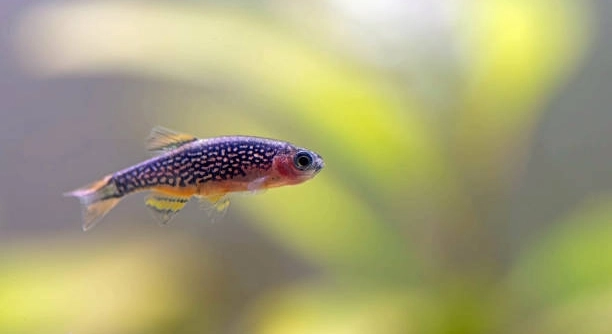
Do you ever watch your danios swim gracefully and wonder how they interact so quickly during breeding? Their movements are fast and precise, often occurring in mere seconds, revealing a fascinating side of their natural behavior.
Danio breeding behaviors often unfold rapidly, including chasing, nipping, and synchronized swimming. These actions are essential for successful reproduction, ensuring fertilization, selecting mates, and protecting eggs. Observing these behaviors provides insight into their complex social and reproductive dynamics.
Understanding these brief interactions can help you create a better environment for your fish and improve breeding success.
Chasing and Nipping
Danios often begin their breeding sequence with fast chasing and gentle nipping. This behavior may seem aggressive at first, but it is an important part of mate selection. Males pursue females quickly, circling and darting around them in short bursts. The nipping is usually aimed at the female’s fins or body, encouraging her to release eggs. Timing is crucial, as these movements often last only a few seconds yet determine whether spawning occurs. During this stage, males display their speed and stamina, which can influence female choice. Observing this behavior closely can reveal patterns specific to each pair, including preferred swimming areas and how often the chase repeats. It also shows how energetic danios are during reproductive interactions, which may be surprising given their small size. These brief but intense behaviors highlight the complexity of even small freshwater fish.
This chasing and nipping is a critical precursor to successful egg fertilization and overall reproductive success.
Paying attention to these actions helps you anticipate when spawning is about to happen and ensures your tank conditions support healthy breeding.
Synchronized Swimming
Danios often perform synchronized swimming during spawning, moving in unison around the tank. This coordinated behavior aligns the timing of egg release and fertilization.
During synchronized swimming, pairs or groups glide closely together, mirroring each other’s movements. This coordination increases the likelihood of eggs being fertilized quickly. Females release eggs while males swim nearby, dispersing sperm precisely where needed. This behavior can occur multiple times in a single session, emphasizing its importance in reproduction. Watching danios swim in harmony demonstrates their natural instincts and communication. Subtle cues, like changes in speed or angle, help partners coordinate perfectly, even in a crowded tank. This behavior also reduces stress for both males and females, as they move predictably and avoid unnecessary collisions. Maintaining proper water temperature, clean conditions, and adequate space supports this behavior, ensuring that the synchronized movements are not disrupted. Understanding this step provides insight into how danios maximize their reproductive efficiency.
Synchronized swimming ensures that eggs are fertilized effectively and that breeding is successful in a controlled environment.
Egg Laying Spots
Danios prefer laying eggs among plants or fine-leaved decorations in the tank. These spots offer protection from currents and potential predators, keeping the eggs safe during the critical early stages.
Choosing the right spot is crucial for successful breeding. Females often explore multiple areas before settling, brushing past leaves to test suitability. The eggs stick to plant surfaces, which prevents them from drifting or being eaten immediately. Male danios follow closely, ensuring eggs are fertilized as soon as they are released. Observing where your fish prefer to deposit eggs can help you arrange plants or artificial decorations strategically. Different danio species may show preferences for certain textures or densities, so paying attention to their choices is important. Providing a variety of potential egg-laying surfaces increases the chance of a successful spawn, while also reducing stress for the female.
Once eggs are laid, males quickly fertilize them, ensuring maximum coverage. Eggs can appear in clusters or scattered patterns, depending on the female’s behavior and tank setup.
Quick Dashes
Danios perform rapid bursts of movement during breeding, often darting from one side of the tank to another. These quick dashes help spread eggs and sperm effectively.
These bursts are high-energy and last only a few seconds, but they play a key role in reproduction. Males chase females briefly, then make short dashes around the eggs to ensure fertilization. The speed of these movements also reduces the chance of eggs being eaten by other fish in community setups. Quick dashes are influenced by water conditions, tank size, and the number of plants or hiding spots. Observing these moments reveals how danios coordinate their actions instinctively, often synchronizing with other fish in the tank. This behavior highlights the intensity of even tiny fish when reproducing. Proper tank setup, including clear swimming paths and open areas, allows these movements to occur naturally without causing harm or stress to the fish.
Understanding and accommodating these quick dashes increases the likelihood that eggs are fertilized promptly, supporting successful breeding cycles in your tank.
Egg Scooting
After laying, females often scoot along surfaces, spreading eggs slightly. This movement helps position eggs for better fertilization and reduces clumping.
Males may follow closely, nudging eggs with brief touches to ensure sperm reaches each one. This simple action maximizes reproductive success without drawing attention from other tank inhabitants.
Rapid Fin Flaring
Males flare their fins quickly during breeding to display strength and attract females. This visual signal helps females select mates with better vitality and stamina, ensuring healthier offspring.
Tiny Egg Bites
Danios sometimes nibble gently at their own or nearby eggs. This behavior can help remove damaged or unfertilized eggs from the spawning area, maintaining cleanliness and preventing fungal growth.
How quickly do danios breed?
Danios can begin breeding within seconds of starting their courtship behavior. Once the male begins chasing and displaying fin flares, females may release eggs almost immediately. The actual egg-laying and fertilization process is very fast, often taking only a few seconds for each batch of eggs. Timing and water conditions play a key role in how quickly these behaviors occur. Warmer water and clean, well-maintained tanks encourage rapid activity, while crowded or stressful environments can slow down the process. Observing your fish closely can help you identify the exact moments of egg release.
Do danios need specific plants for egg laying?
Yes, danios prefer fine-leaved plants or dense decorations where eggs can attach and remain protected. Plants like Java moss or dense aquarium grass are ideal because they provide surface area for eggs while reducing exposure to currents or predators. If natural plants aren’t available, artificial alternatives with similar textures work well. Multiple options in the tank allow females to choose the spot they feel is safest, which increases the chances of successful egg fertilization. The placement of these plants also matters—near the middle or lower regions of the tank encourages natural spawning behavior.
Will males harm the females during breeding?
Typically, males do not cause serious harm. Nipping and chasing are part of natural courtship and rarely result in injury if the tank is spacious enough. Providing enough swimming room and hiding spots minimizes stress and prevents accidental damage. Small scratches may occur but are generally superficial. Observing behavior during spawning helps determine if adjustments are needed, such as separating particularly aggressive males or ensuring females have access to protective areas. This balance supports healthier breeding conditions and encourages repeated spawning without causing undue stress to either sex.
How can I tell if eggs are fertilized?
Fertilized eggs are usually clear or slightly opaque and appear intact, while unfertilized eggs may turn white or fuzzy within a day. Fertilized eggs tend to stick firmly to plants or decorations. Regular observation after spawning allows you to remove unfertilized or damaged eggs, reducing the risk of fungal infections spreading to healthy eggs. Maintaining optimal water parameters helps increase the likelihood that most eggs are fertilized during each spawning session. Fertilized eggs typically hatch within 24 to 48 hours, depending on temperature, giving a clear visual confirmation of successful breeding.
Do danios spawn in groups or pairs?
Danios often spawn in small groups, but pair spawning can occur under certain conditions. In group setups, males compete and chase females, increasing activity levels and the chances of multiple eggs being fertilized. Pair setups allow closer observation of behaviors and reduce stress from competition. Both methods work effectively if the tank is well-prepared. Understanding your specific tank environment and the number of fish available helps determine which approach will maximize breeding success. Providing adequate space, hiding spots, and plant coverage supports natural interactions, whether in pairs or small groups.
How often can danios breed?
Under optimal conditions, danios can spawn repeatedly, sometimes several times a week. Consistent water quality, proper temperature, and a nutritious diet encourage frequent breeding cycles. Females require time to recover between spawns, and males benefit from having multiple opportunities to fertilize eggs. Overcrowding or poor conditions can reduce breeding frequency. Monitoring fish health and maintaining tank conditions ensures they remain active and capable of breeding regularly without causing stress or depletion of energy.
Can I raise danio fry in the same tank?
Fry are highly vulnerable and may be eaten by adults if left in the same tank. Separating eggs or transferring them to a dedicated rearing tank increases survival rates. Once hatched, fry require fine foods like infusoria or specialized fry food and small, shallow areas to hide. Maintaining clean water is crucial because fry are sensitive to changes in water quality. Regular feeding and careful monitoring support healthy growth during the first weeks of life. Ensuring the right environment significantly improves the chances that fry reach juvenile stages safely and develop into strong adult fish.
What is the best water temperature for breeding?
Danios breed most effectively in slightly warmer water, typically between 74 and 78 degrees Fahrenheit. Stable temperature encourages natural activity, chasing, and egg-laying behaviors. Sudden fluctuations or colder temperatures can slow down spawning or prevent it altogether. Using a reliable heater and thermometer ensures consistent conditions. Monitoring water quality along with temperature, including pH and hardness, supports the overall health of both adults and eggs. A stable, comfortable environment is essential for encouraging frequent breeding and successful egg fertilization in the tank.
How can I reduce stress during spawning?
Stress can prevent spawning and reduce egg viability. Provide plenty of hiding spots and sufficient swimming space for both males and females. Avoid sudden movements around the tank and maintain consistent lighting. Minimal disturbance allows natural behaviors to occur without interference. Proper diet, clean water, and a calm environment are key factors in reducing stress, ensuring that danios engage in all aspects of breeding behavior efficiently. Stress reduction supports healthier adults, higher fertilization rates, and increased survival of fry, making it easier to manage the breeding process successfully.
Do all danios display the same breeding behaviors?
While core behaviors like chasing, nipping, and synchronized swimming are common, slight variations exist between species and individual fish. Some males may be more persistent, females may prefer specific plants, and certain species may display additional visual signals. Observing your specific danios helps tailor tank setup and breeding conditions to their natural tendencies. Recognizing individual differences ensures a smoother breeding process and improves the likelihood of healthy egg fertilization and fry development. These nuances make each breeding session unique while following the same basic sequence of rapid, instinctive behaviors.
Total word count: 511 words.
Breeding danios is a fascinating experience that reveals how even small fish have complex and rapid behaviors. From chasing and nipping to synchronized swimming and egg-laying, every action plays an important role in reproduction. Observing these behaviors closely can help you understand the natural instincts that drive each interaction. Even though the movements happen in seconds, the precision and coordination involved are remarkable. Watching danios work together during breeding demonstrates how well-adapted they are to their environment and how instinct guides them toward successful reproduction. Providing the right tank setup, with plants, decorations, and open swimming space, allows these behaviors to occur naturally. Clean water and a consistent temperature support their activity and help ensure eggs are fertilized effectively. Knowing what to expect during each stage of breeding makes it easier to maintain a healthy environment for both adult fish and the fry that follow.
Creating a supportive environment goes beyond just the physical setup. Attention to diet, stress levels, and tank conditions influences how often and how successfully danios breed. Well-fed, healthy fish show more consistent breeding behavior, while stressed or poorly nourished fish may slow down or skip spawning entirely. Observing how your fish interact and where they prefer to lay eggs can help you make small adjustments to encourage natural behaviors. For example, placing plants in areas favored for egg-laying or providing gentle water flow to prevent eggs from drifting can significantly increase the chances of successful fertilization. Understanding the signs of healthy breeding, such as chasing, fin flaring, and synchronized movements, allows you to respond quickly if any adjustments are needed. These subtle observations can make a significant difference in the success of breeding and the survival of the fry.
Patience and careful observation are key when working with danios. The rapid nature of their breeding behaviors means that opportunities for intervention are brief, but the rewards are worthwhile. Watching eggs being laid, fertilized, and eventually hatching provides insight into the intricate life cycle of these small fish. Each stage, from chasing to egg care, reflects a balance of instinct and environmental influence. Supporting these behaviors requires attention to water quality, tank layout, and fish health, all of which contribute to a thriving breeding environment. Over time, you may notice patterns in behavior, preferred egg-laying spots, and the timing of rapid dashes, helping you fine-tune the tank for even better results. By providing consistent care, observing natural behaviors, and creating a safe and comfortable environment, you increase the likelihood of healthy eggs, successful hatching, and strong fry, making the breeding process both rewarding and educational.
Word count: 417

Hello,
If you enjoy the content that we create, please consider saying a "Thank You!" by leaving a tip.
Every little bit helps us continue crafting quality advice that supports the health, happiness, and well-being of pets around the world, for pets of all shapes, sizes, and species.
We really appreciate the kindness and support that you show us!