
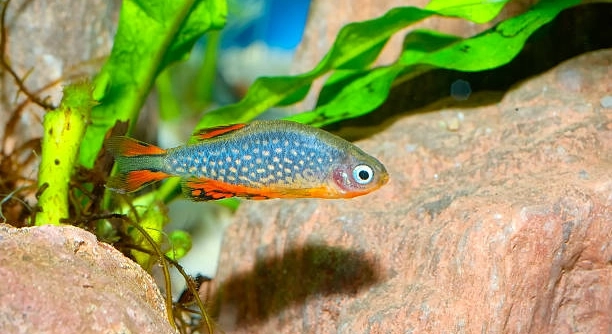
Danios are small, active fish that brighten home aquariums. Observing them can be fun, but many subtle behaviors go unnoticed, especially during breeding periods when their actions are delicate and brief.
Danio breeding behaviors include chasing, color changes, egg scattering, fin displays, territorial marking, nest hiding, and synchronized swimming. These behaviors are often subtle, requiring careful observation and understanding of their patterns to ensure successful breeding and fish wellbeing.
Recognizing these tiny behaviors can improve your care and make watching your fish even more rewarding and enjoyable over time.
Chasing and Courtship
Male danios often chase females as part of their breeding routine. The chase is rapid and precise, showing strength and stamina. This behavior can seem aggressive at first, but it is a natural method for males to attract females and establish interest. Females may dart away, only to return, indicating receptiveness. The chasing helps both sexes coordinate timing for egg release, ensuring better chances for fertilization. Observing this behavior closely allows you to recognize readiness and anticipate when eggs might be laid. Some aquarists note that chasing can increase during morning hours or after feeding, suggesting that energy levels influence activity. Proper tank conditions, including hiding spots, help females avoid stress while still participating in natural behaviors. Continuous observation will reveal patterns, giving insight into each fish’s personality and breeding readiness. Careful monitoring of chases reduces risk of injury and supports a healthy environment for spawning.
Chasing is often brief but repeated several times, signaling male interest and female readiness for breeding.
Watching these interactions provides subtle clues about timing, energy levels, and which fish are most compatible for spawning, helping ensure successful breeding.
Color Changes and Displays
Danios often display brighter colors during breeding, especially males.
Color intensification signals health and readiness. Brighter patterns attract females and indicate dominant status. Some males darken stripes or highlight fins, making them more noticeable. These visual cues are essential in establishing hierarchy and encouraging successful mating.
Breeding colors are temporary and vary by individual, tank conditions, and stress levels. Watching for these changes helps predict breeding activity. Females also respond, sometimes showing lighter tones, signaling receptiveness. Observing color shifts alongside behavior like chasing and fin displays provides a complete picture of readiness. Lighting, water quality, and diet can enhance these natural displays, ensuring your danios are healthy and able to perform their full range of behaviors. Color changes also help differentiate between males and females when size alone is not enough. Recognizing these subtle signs improves breeding management and helps maintain a calmer, more predictable tank environment. Regular observation allows you to note changes over time, giving insight into your fish’s cycles and overall wellbeing.
Egg Scattering
Egg scattering is a common danio breeding behavior. Females release eggs randomly in the water, often among plants or substrate. Males quickly follow, fertilizing them externally. This process happens in short bursts and repeats several times until all eggs are released.
The eggs are tiny, round, and slightly sticky, allowing them to adhere to plants or other surfaces. Observing egg scattering helps identify the most active breeders in your tank. Proper tank setup with fine-leaved plants or a spawning mop gives eggs a safe place to attach. Water quality and temperature play a critical role, as danios need stable conditions to spawn successfully. Avoid removing adults immediately, as some may eat eggs, but keeping plants or protective mesh ensures higher survival. Monitoring this stage provides insight into the timing of hatching and overall reproductive health.
Danios may scatter eggs in multiple areas, revisiting spots several times. This strategy increases fertilization chances and protects eggs from predators, making observation both fascinating and useful.
Fin Displays
Male danios often flare fins during breeding. Fins extend fully to appear larger and more attractive.
Flaring shows strength and signals dominance to both females and rival males. This behavior is short but frequent, often paired with chasing.
Fin displays help males communicate readiness without direct contact. Extended fins highlight color patterns and body condition, which females notice when choosing a mate. Multiple males in one tank may flare repeatedly, creating a dynamic display environment. Flaring also serves as a warning to rivals, helping reduce actual physical conflict. Observing the timing and frequency of fin displays allows aquarists to predict spawning events and identify dominant males. Proper nutrition enhances color intensity, making displays more vivid. Tank decor influences visibility, as males will display in open areas where they can be fully seen. Understanding these displays helps you support natural breeding behaviors and maintain a balanced aquarium hierarchy.
Territorial Marking
Male danios often claim small areas in the tank during breeding. They swim aggressively around chosen spots to signal ownership and deter rivals.
Territorial behavior is temporary but repeated during breeding periods. Males may chase intruders and flare fins to defend boundaries, maintaining control over their chosen area.
Nest Hiding
Some danios seek out plants, rocks, or other hiding spots to protect eggs. These secluded areas reduce risk from other fish.
Hiding ensures eggs are safer from accidental predation. Females may return repeatedly to the same spots, and males may hover nearby. Observing these choices can help aquarists provide optimal tank arrangements that encourage natural breeding and improve egg survival rates.
Synchronized Swimming
Danios often swim together in coordinated patterns during breeding. This behavior strengthens pair bonding and helps time egg release accurately.
Synchronized swimming is brief but precise. Watching it gives clues about readiness and compatibility between males and females, helping predict when eggs will be scattered.
FAQ
How can I tell when my danios are ready to breed?
Danios show readiness through increased chasing, flaring fins, and brighter colors. Males are more active, chasing females in short bursts, while females may hover near plants or spawning areas. Observing patterns over several days helps predict when eggs will be released.
What tank conditions encourage breeding?
A well-planted tank with hiding spots, stable water temperature, and clean water encourages natural breeding behaviors. Slightly warmer water often stimulates activity. Avoid strong currents that may disturb eggs or fry. Fine-leaved plants or a spawning mop give eggs safe places to attach.
Do I need separate tanks for males and females?
Not always, but separating can reduce stress and egg predation. In community setups, providing plenty of plants or barriers allows females to escape persistent males, protecting both adults and eggs. Monitoring interactions ensures balanced behavior.
How often do danios breed?
Danios can spawn multiple times a week under ideal conditions. Spawning frequency depends on water quality, diet, and fish age. Younger, healthier fish breed more reliably. Observing chasing, egg scattering, and color changes helps track breeding cycles accurately.
Can I prevent males from harassing females too much?
Providing hiding spots, dense plants, or spawning mops allows females to avoid excessive chasing. If a male is overly persistent, temporarily separating them for a short period can reduce stress and protect female health.
What should I do with the eggs?
You can leave eggs in the main tank if adults are peaceful, but many danios eat their eggs. Using a breeding tank or protective mesh ensures higher survival. Keep water clean and stable to support healthy hatching.
How long until the eggs hatch?
Danio eggs typically hatch in 24–36 hours depending on temperature. Warmer water speeds up development, while cooler water slows it down. Newly hatched fry are tiny and need infusoria or specially prepared food.
How can I care for fry?
Feed tiny, frequent meals such as infusoria or finely crushed fish food. Keep water clean with gentle filtration. Avoid strong currents, as fry are fragile swimmers. Gradually increase food size as they grow, ensuring steady development.
Do all males display the same breeding behaviors?
No, individual personalities influence activity. Some males chase more aggressively or flare fins frequently, while others are more passive. Observing multiple behaviors gives a complete picture of breeding readiness and helps manage pairings effectively.
Can breeding stress harm my danios?
Excessive chasing or overcrowding can stress fish, weakening their immune systems. Providing space, plants, and careful monitoring minimizes risk. Separating overly aggressive individuals or reducing tank population during breeding periods helps maintain healthy conditions.
How important is diet for breeding success?
A high-quality, protein-rich diet enhances color, stamina, and egg production. Feeding live or frozen foods like brine shrimp or daphnia encourages activity and readiness. Poor diet may result in weak eggs or low fertilization rates.
Can danios breed without plants?
Yes, but plants or spawning mops increase egg survival. Without attachment points, eggs may sink or be eaten. Providing any structure for attachment improves hatching success and reduces stress for both sexes.
How do I know if eggs are fertilized?
Fertilized eggs appear clear or slightly yellow with small dark spots developing inside. Unfertilized eggs often turn white or opaque and may become moldy. Observing egg color within a few hours helps determine fertility.
Is it safe to keep fry with adult danios?
Not usually. Adults may eat tiny fry. Using a separate breeding tank or protective barriers gives fry time to grow safely. Once they reach a larger size, they can be introduced gradually to the main tank.
What is the best way to encourage natural behaviors?
Maintain stable water conditions, provide plants, and feed a varied diet. Avoid overcrowding and excessive handling. Observing subtle behaviors like chasing, color changes, and synchronized swimming helps you support and understand natural breeding processes.
How long do danios live after breeding?
With proper care, danios continue normal lifespans even after repeated breeding. Stress, poor diet, or poor water quality can shorten life expectancy. Monitoring health and adjusting care routines ensures long-term well-being and continued breeding potential.
Can environmental changes trigger breeding?
Yes, small changes in water temperature, lighting, and food availability can stimulate spawning. Gentle adjustments mimic seasonal changes, encouraging natural breeding cycles without causing stress. Monitoring responses helps fine-tune conditions for successful reproduction.
What is the easiest way to observe spawning without disturbing the fish?
Position the tank where fish feel secure, use gentle lighting, and watch from a distance. Avoid tapping or moving the tank. Observing gradually over several days gives better insight into timing and behaviors without adding stress.
Are there differences in breeding behaviors among danio species?
Yes, behaviors vary slightly by species. Some are more aggressive, while others are more secretive. Researching the specific species in your tank helps anticipate actions like chasing, egg scattering, or fin displays, allowing for tailored care and higher success rates.
How do I prevent fungus or infections on eggs?
Maintaining clean water, stable temperature, and gentle aeration reduces risk. Some aquarists use antifungal solutions in breeding tanks. Removing unfertilized eggs promptly prevents mold, supporting healthy development of viable eggs.
Can breeding improve my fish’s color and health?
Successful breeding often enhances males’ color intensity and overall activity. Healthy breeding behaviors indicate good nutrition and proper care. Observing natural behaviors helps you ensure the tank environment supports both appearance and long-term vitality.
What is the best way to track breeding success?
Keep a journal noting chasing frequency, color changes, egg counts, and hatching times. Recording observations over time reveals patterns and helps improve conditions, predict spawning events, and monitor fry growth effectively.
How do I know when to move fry to a larger tank?
Once fry are strong swimmers and large enough to eat standard fry food, they can be gradually introduced to a larger tank. Avoid sudden changes in water chemistry or overcrowding, which can stress young fish and affect growth.
What common mistakes should I avoid during breeding?
Overcrowding, poor water quality, lack of hiding spots, and inconsistent feeding reduce success. Removing adults too early or leaving them with eggs without protection can result in loss. Monitoring tank conditions and fish behavior prevents most issues.
How can I encourage multiple spawns in the same tank?
Maintain excellent water quality, provide varied food, and leave adults in a well-planted environment. Allow recovery time between spawns. Observing repeated chasing, color displays, and egg scattering indicates readiness for another round.
Is it normal for some eggs to be eaten by adults?
Yes, it is a natural behavior. Providing hiding places or a separate breeding area increases survival rates. Even with protection, some loss may occur, but careful planning minimizes it and supports fry development.
How do I manage aggressive males in a breeding tank?
Separate overly persistent males temporarily or provide dense plants for females to escape. Balancing male-to-female ratios reduces stress and ensures both sexes can participate in spawning without injury or excessive harassment.
Can breeding affect tank dynamics?
Yes, chasing, territoriality, and flaring may increase tension temporarily. Adding plants, rearranging decor, or adjusting the number of fish helps maintain balance. Careful observation ensures stress levels remain low and breeding can proceed naturally.
What is the ideal male-to-female ratio for breeding?
A ratio of two to three females per male is often recommended. This reduces stress on females and allows males to display without constant harassment. Observing interactions ensures a balanced and productive environment.
How long does it take for fry to become independent?
Fry begin swimming freely and eating larger foods after about 2–3 weeks. Gradual transition to standard foods ensures steady growth. Regular monitoring supports healthy development and prepares them for introduction to the main tank.
Are there signs that breeding is unsuccessful?
Unfertilized eggs, lack of chasing, muted color changes, or persistent stress indicate problems. Addressing water quality, diet, and tank setup promptly can improve outcomes and prevent repeated failures.
Can I use commercial breeding aids?
Yes, products like spawning mops, gentle aeration, and temperature regulators can help. Use them alongside proper tank care, as natural behaviors are still critical for successful reproduction.
Do all females release the same number of eggs?
No, egg counts vary by size, age, and health. Younger females or those under stress may produce fewer eggs. Observing multiple spawns helps estimate normal production and supports planning for fry care.
How important is observation during breeding?
Careful monitoring helps recognize behaviors, timing, and potential problems. Observing subtle cues like chasing patterns, fin flares, and synchronized swimming ensures you can support breeding successfully without interfering with natural processes.
Can danios breed in cold water?
Cold water slows metabolism and spawning activity. Breeding may be delayed or unsuccessful if temperatures are too low. Maintaining stable, slightly warmer conditions improves success rates and encourages normal behaviors.
What happens if I mix different danio species?
Some species may breed with others, producing hybrids, while others may not interact. Observing chasing, courtship, and egg scattering helps determine compatibility. Mixing species requires careful monitoring to prevent aggression or unwanted crossbreeding.
How do I know when fry are ready for regular feeding?
Once fry are strong swimmers and can consume small particles without difficulty, you can introduce finely crushed flakes or micro pellets. Gradually increase portion size and frequency as they grow.
Can stress prevent spawning entirely?
Yes, overcrowding, poor water quality, and frequent disturbances can inhibit breeding behaviors. Providing space, hiding spots, and calm conditions helps reduce stress and supports successful spawning activity.
Are there seasonal patterns to breeding?
Some danios breed more readily in conditions mimicking spring or summer. Longer daylight hours, warmer water, and abundant food can naturally stimulate spawning, even in home aquariums with controlled environments.
What are the most common signs of fertilized eggs?
Fertilized eggs are usually clear or slightly yellow, sometimes showing a small dark spot. They remain intact and develop over 24–36 hours, unlike unfertilized eggs, which turn white or fuzzy and may become moldy.
How do I prevent adults from eating fry?
Use protective barriers, breeding tanks, or dense plants. Removing adults temporarily during early fry stages minimizes predation. Observing adult behavior helps decide if additional separation is needed to protect young fish.
Can breeding improve overall tank health?
Successful breeding encourages natural behaviors, activity, and proper feeding. Observing these behaviors provides insight into fish health, social interactions, and environmental balance, indirectly promoting a healthier tank ecosystem.
How do I handle weak or deformed fry?
Remove or isolate them to prevent competition and potential harm from stronger fry. Providing proper nutrition and stable conditions improves survival for the majority. Consistent care ensures healthier overall fry development.
Is it necessary to remove uneaten food during breeding?
Yes, leftover food can pollute water and promote fungus, harming eggs and fry. Regular cleaning and gentle filtration maintain water quality and support a successful breeding environment.
Can breeding affect adult fish lifespan?
Repeated stress or poor conditions may shorten life, but with proper care, most danios continue normal lifespans. Maintaining diet, water quality, and minimal stress ensures both reproductive success and longevity.
How often should I check on breeding progress?
Daily observation is ideal. Note chasing, color changes, egg counts, and fry development. Minimal disturbance ensures accurate monitoring without stressing fish, while keeping track of progress supports timely interventions if needed.
What is the best way to track fry growth?
Measure size periodically, note swimming ability, and track food consumption. Keeping a simple log helps anticipate feeding needs, tank transfers, and eventual integration with the main aquarium. Accurate tracking supports healthy development and planning.
Can breeding behavior indicate overall tank conditions?
Yes, active chasing, color changes, and egg production signal good water quality, proper diet, and low stress. Conversely, lack of activity or poor egg survival may indicate environmental issues that need attention.
Do males ever fight during breeding?
Occasionally, males compete over females or territory. Flaring fins and chasing are typical, but severe aggression is rare if the tank has adequate space and hiding spots. Observing and managing conflicts prevents injuries and stress.
How long should I keep fry separate from adults?
At least until they are strong enough to swim and feed independently, usually 2–3 weeks. Gradual introduction to the main tank ensures safety and reduces competition.
Can changing tank layout influence breeding behavior?
Yes, adding plants, rearranging decor, or adjusting hiding spots can stimulate natural behaviors, encourage egg-laying in preferred locations, and reduce stress during the breeding process.
How can I tell if a male is dominant?
Dominant males chase others more, flare fins frequently, and maintain prime territory. Observing interactions over several days helps identify leaders and predict which males will successfully breed.
Are there signs that females are stressed during breeding?
Females hiding excessively, avoiding males, or showing dull colors may be stressed. Providing escape routes, plants, or temporary separation reduces pressure and supports healthier breeding behavior.
Can I breed danios without observing behaviors closely?
While possible, close observation ensures higher success. Recognizing chasing, color changes, and egg scattering allows timely interventions, protects eggs, and improves fry survival. Minimal monitoring may result in unnoticed stress or lost eggs.
Do tank mates affect breeding success?
Yes, aggressive or large tank mates can stress danios, reducing breeding activity. Providing a peaceful environment or a dedicated breeding tank improves safety and increases the likelihood of successful spawning.
How do I distinguish between male and female danios?
Males are usually slimmer, more colorful, and display chasing and fin flaring behaviors. Females are rounder, especially when carrying eggs. Observing both appearance and behavior together gives the clearest identification.
What is the safest way to move fry to a new tank?
Use a small container with matching water parameters. Transfer gradually to reduce stress. Avoid sudden temperature or chemistry changes, which can harm delicate fry.
How long should I wait before attempting another spawn?
Allow at least a few days of recovery for adults. Ensure water quality is stable, and fish are well-fed. Rushing breeding cycles may stress fish and reduce egg quality.
Can danios breed in small tanks?
Yes, but limited space increases stress and aggression. Providing plants, hiding spots, and careful monitoring helps compensate for size constraints, supporting natural behaviors and higher survival rates.
What is the most common reason eggs fail to hatch?
Poor water conditions, unfertilized eggs, or predation by adults are the main causes. Maintaining stable, clean water and protective structures improves hatching success.
Are there any signs of unhealthy fry?
Weak swimming, pale color, or lack of appetite indicate health issues. Early intervention with clean water, proper nutrition, and isolation of weak fry improves survival chances.
Do danios require special lighting for breeding?
Natural or consistent lighting supports normal activity and breeding cycles. Too much direct light may stress fish, while a consistent day-night cycle encourages regular spawning behavior.
Can overfeeding affect breeding?
Yes, excess food pollutes water and increases stress. Proper feeding ensures energy for chasing, color displays, and egg production without harming water quality or fry survival.
Is it normal for females to hide a lot?
Yes, hiding protects them from persistent males. Adequate plants or structures reduce stress and support natural egg-laying behavior, allowing females to participate safely in breeding.
What should I do if fry are not eating?
Check water quality and ensure food is appropriate for their size. Offer infusoria, finely crushed flakes, or micro pellets. Small, frequent feedings encourage feeding and growth.
Can breeding affect tank cleanliness?
Yes, scattered eggs, uneaten food, and increased activity can reduce water quality. Frequent monitoring, gentle filtration, and cleaning maintain a healthy environment for both adults and fry.
How do I prevent overpopulation in a breeding tank?
Move fry to separate grow-out tanks once they are strong enough. Monitor adult fertility and plan spawns to avoid excessive numbers, ensuring enough space and resources for all fish.
Do danios ever skip breeding seasons?
Yes, stress, poor health, or unsuitable conditions may delay spawning. Ensuring stable water, proper diet, and low-stress environments helps maintain regular breeding cycles.
How can I tell if a male is ready to breed?
Look for bright colors, chasing behavior, fin flaring, and interest in females. Consistent observation over several days confirms readiness and helps plan for spawning success.
Are there any signs of overbreeding?
Excessive chasing, stress, weakened females, or poor egg quality indicate overbreeding. Providing recovery periods, proper diet, and monitoring limits strain on fish and ensures long-term health.
Can environmental stress stop breeding completely?
Yes, sudden changes in temperature, pH, or overcrowding can halt all breeding behaviors. Maintaining stable conditions and observing subtle cues supports normal reproductive activity.
Do danios ever breed in groups?
Yes, multiple males and females may spawn simultaneously. Observing group interactions helps identify dominant individuals, reduces aggression, and ensures eggs are scattered effectively for higher survival.
How can I tell if eggs are developing properly?
Fertilized eggs show gradual darkening and small embryo formation. Unfertilized or infected eggs may turn white or fuzzy. Close observation during the first 24–36 hours is essential for monitoring development.
Can breeding behaviors indicate fish health?
Yes, active chasing, flaring, and color changes suggest good health. Lack of activity or weak displays may indicate stress, poor nutrition, or illness, helping identify issues early.
How do I prevent mold on eggs?
Remove unfertilized eggs promptly, maintain clean water, and provide gentle aeration. Protective structures like plants or mesh reduce contamination and increase hatching success.
Are there differences in breeding between male and female danios?
Males actively chase, flare fins, and display bright colors. Females release eggs, hide when stressed, and respond to males’ behaviors. Observing both sides gives a full picture of the breeding process.
What is the best diet for breeding danios?
High-protein foods like brine shrimp, daphnia, and quality flakes improve color, stamina, and egg production. Feeding small, frequent portions ensures energy without polluting the tank.
How long does it take fry to reach maturity?
Fry typically mature in 2–3 months under ideal conditions. Growth depends on diet, water quality, and space. Regular observation ensures proper development and preparation for breeding readiness.
Can temperature changes trigger spawning?
Yes, slightly warmer water often stimulates activity and egg release. Grad
Final Thoughts
Breeding danios can be a rewarding experience, but it requires patience, attention, and care. These small fish display subtle behaviors that are easy to miss if you are not observing closely. From chasing and color changes to egg scattering and fin displays, every action plays a role in successful reproduction. Understanding these behaviors allows you to create a supportive environment for your fish and increases the chances of raising healthy fry. Even simple changes in tank setup, diet, or water quality can make a noticeable difference in how your danios behave and how effectively they breed. Paying attention to details like hiding spots, plant density, and water temperature helps ensure that both males and females are comfortable and able to perform their natural behaviors without unnecessary stress.
Maintaining stable water conditions is critical for successful breeding. Danios are sensitive to sudden changes in temperature, pH, or cleanliness, and any fluctuations can reduce egg viability or fry survival. Regular monitoring of water parameters and consistent maintenance routines help keep the tank environment safe and predictable. Nutrition also plays an important role. A protein-rich diet supports both adult fish and developing eggs, enhancing color, stamina, and overall health. Watching your fish over time gives insight into their daily rhythms and helps identify patterns in breeding behavior. By observing when males chase or display fins and when females scatter eggs, you can better plan for egg collection, fry protection, and long-term tank management. This careful attention to natural processes makes the breeding experience smoother and more successful.
Even with careful planning, patience is necessary. Not every spawn will result in a large number of surviving fry, and some eggs may be eaten or fail to develop. This is normal, and it is important to maintain a calm, consistent approach. Providing protective structures, keeping adults and fry separate when needed, and adjusting tank conditions gradually will improve success rates. Breeding danios is not just about producing offspring; it is about observing and supporting natural behaviors while ensuring the health and safety of all fish involved. By creating an environment that mimics their natural preferences, you can enjoy watching your danios grow and thrive, gaining a better understanding of their fascinating and delicate breeding behaviors.

Hello,
If you enjoy the content that we create, please consider saying a "Thank You!" by leaving a tip.
Every little bit helps us continue crafting quality advice that supports the health, happiness, and well-being of pets around the world, for pets of all shapes, sizes, and species.
We really appreciate the kindness and support that you show us!