
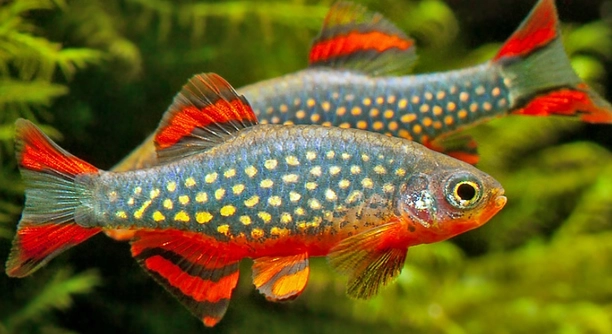
Watching your danios grow over seven weeks can be an exciting experience. These small, active fish show noticeable changes in size, color, and behavior as they mature in a home aquarium environment.
Over the course of seven weeks, danios typically experience steady growth, with juveniles increasing in size and gradually developing adult coloration. Their fins, body shape, and swimming patterns also become more defined, reflecting normal healthy development.
Observing these stages closely will help you ensure your danios stay healthy and adapt well to their environment.
Week 1: Settling In
During the first week, danios spend most of their time adjusting to their new environment. They may hide behind plants or decorations, exploring cautiously while familiarizing themselves with the tank and water conditions. Their swimming is often short and quick, and feeding patterns may seem inconsistent at first. Providing small, frequent feedings helps encourage proper growth and ensures they get used to your presence. Water quality is especially important during this period, as fluctuations in temperature or pH can stress young fish and slow their development. Observing their behavior closely can reveal early signs of health issues or stress, allowing for prompt action. By maintaining stable conditions and a consistent feeding routine, you help your danios feel secure, which sets the foundation for steady growth in the coming weeks. Proper acclimation during this stage is critical to reducing mortality rates and promoting strong, healthy fish.
Most danios begin exploring more confidently by the end of the first week, showing early signs of personality.
Keeping a routine with gentle handling and consistent water changes will encourage comfort and activity, preparing them for the rapid growth phase that starts in week two. Observation and patience are key to understanding how each fish adapts.
Week 2-3: Active Growth
During weeks two and three, danios grow noticeably faster. Their bodies begin filling out, and fins become more defined. Feeding frequency and quality significantly impact development during this time, so providing balanced, nutrient-rich food is essential. Small flakes, micro-pellets, or live food help support healthy growth while encouraging natural foraging behaviors. Social interactions also become more apparent; danios may start forming small groups, chasing each other, and displaying playful behaviors. This activity is a positive sign of health and proper acclimation. It is also important to monitor water quality closely, as increased activity can produce more waste, potentially affecting water parameters. Regular partial water changes, temperature checks, and observation of fish behavior help prevent stress and disease. By maintaining a consistent routine, you ensure that the fish continue growing steadily and remain vibrant. This period sets the stage for stronger, more confident adults.
At this stage, you can observe subtle color changes and fin expansion that indicate healthy development.
Feeding, clean water, and attentive observation will support consistent growth, helping danios thrive as they approach full juvenile size.
Week 4-5: Developing Features
Danios start showing more distinct features during this period. Their bodies are more proportional, fins longer, and colors gradually intensify. Swimming becomes smoother, and social behaviors like chasing and schooling are more frequent.
Feeding should remain consistent, focusing on high-quality flakes, pellets, or occasional live food. Providing a varied diet encourages strong growth and coloration. Regular observation helps detect early signs of stress or illness. Water quality remains critical, with partial changes preventing harmful buildup. At this stage, the fish are active, exploring the tank thoroughly. Watching them interact shows how personalities begin to emerge. Careful monitoring and routine maintenance support ongoing healthy development during these weeks.
Tank decorations and plants offer hiding spots and break up territories, reducing stress. Danios use these spaces to rest, retreat, and explore safely. Proper space ensures balanced interactions and minimizes aggression.
Week 6-7: Near Adult Size
By week six, danios approach adult size. Colors are vibrant, and fins are fully formed. Growth slows slightly as they near maturity, but activity levels remain high. Social interactions like schooling and chasing continue to strengthen.
Feeding should remain consistent, ensuring they get enough nutrients for healthy body development and maintaining bright coloration. Overfeeding should be avoided to prevent water quality issues. Observation of behavior and body condition is important to catch early signs of illness or injury. Tank environment should remain stable, with regular water changes and maintenance.
By week seven, danios show near-adult patterns, both in appearance and behavior. They swim confidently, interact socially, and adapt well to the tank environment. Monitoring and maintaining consistent care ensures they stay healthy and thrive beyond the seven-week mark.
Feeding and Nutrition
Proper feeding supports steady growth and overall health. Danios should receive small, frequent meals of high-quality flakes, pellets, or occasional live food to maintain energy and vibrant coloration.
Overfeeding can harm water quality and fish health. Careful portioning and routine monitoring prevent uneaten food from accumulating and ensure balanced nutrition for all tank inhabitants.
Behavior and Interaction
Danios become more active and social as they grow. Schooling, chasing, and playful swimming are common, showing normal development. Interaction helps strengthen social bonds and reduces stress, contributing to overall well-being. Observing these behaviors allows adjustments to tank conditions if any signs of aggression or imbalance appear.
Water Maintenance
Keeping water clean is essential for growth. Regular partial changes and monitoring of temperature, pH, and ammonia levels prevent stress and disease in young danios. Consistent maintenance supports healthy development and ensures the tank remains a safe environment.
Monitoring Health
Regular observation helps catch early signs of illness. Look for changes in swimming, color, or appetite to address potential issues promptly.
FAQ
How quickly do danios grow in the first few weeks?
Danios grow steadily during the first weeks, but the pace varies depending on water quality, temperature, and diet. Most juveniles will show noticeable size increases by the end of week three, and body shape starts becoming more proportional around week four. Proper feeding and stable tank conditions support consistent growth.
What should I feed danios during their growth period?
A varied diet works best. High-quality flakes and micro-pellets are suitable for everyday meals, while occasional live or frozen foods provide extra protein. Feeding small portions two to three times daily encourages healthy growth without overloading the tank with uneaten food. Overfeeding can lead to water quality problems.
How often should I change the water?
Partial water changes of 20-30% weekly are usually sufficient for young danios. Frequent changes help remove waste, control nitrates, and keep water parameters stable. Clean water supports growth, reduces stress, and prevents disease. Adjust the schedule if the tank is crowded or if water quality drops quickly.
How can I tell if my danios are healthy?
Healthy danios are active, swim smoothly, and interact with tank mates. Fins should be intact, and colors gradually intensify as they grow. Appetite should remain consistent, and there should be no signs of gasping, lethargy, or unusual spots. Observing behavior daily helps catch problems early.
Why do some danios grow faster than others?
Growth differences can be due to genetics, social hierarchy, or access to food. Dominant fish may eat more, while shy individuals might grow slightly slower. Ensuring even feeding distribution and adequate space helps minimize disparities and encourages uniform growth among all fish.
When do danios reach adult size?
Most danios approach adult size around seven to eight weeks, depending on conditions. Colors, fins, and body shape are more defined by this time. Growth slows after this period, but maintaining good nutrition and clean water continues to support their overall health and vitality.
Can I mix danios of different ages in the same tank?
Mixing ages is possible, but younger fish may be outcompeted for food by older, larger danios. Providing extra hiding spots and feeding carefully can reduce stress. Monitor interactions to ensure smaller fish are not bullied or stressed, which can affect growth and health.
What are common health issues during growth?
Stress, poor water quality, or overfeeding can lead to illness. Common issues include fin damage, lethargy, and digestive problems. Early detection through observation, proper nutrition, and clean water helps prevent serious problems. Prompt action, such as water adjustments or treatment, supports recovery.
How important is tank size for growth?
Adequate space prevents overcrowding, reduces stress, and allows proper swimming, which supports development. A minimum of 10 gallons is recommended for a small group, but larger tanks are better for multiple danios. Providing open areas and hiding spots balances activity and security.
Do danios need live plants or decorations?
Plants and decorations create hiding spots, reduce stress, and encourage natural behaviors. They also break up territories and prevent aggression. While not strictly necessary for survival, a well-decorated tank promotes overall health, comfort, and normal growth patterns.
How do water temperature and pH affect growth?
Stable water conditions are critical. Danios grow best in temperatures between 72-78°F and a pH around 6.5-7.5. Sudden changes can stress fish, slow growth, and increase susceptibility to disease. Monitoring and adjusting water parameters ensures a stable environment.
Can I speed up growth safely?
Growth depends on genetics, diet, and environment. Providing high-quality food, stable water, and proper tank conditions promotes healthy development. Overfeeding or extreme changes in temperature may stress fish and lead to health issues rather than faster growth.
How can I track growth effectively?
Measuring fish periodically or observing changes in body size and fin length helps track growth. Keeping notes on feeding, water changes, and behavior provides insight into development patterns. Comparing individuals over weeks helps identify any fish that may need extra attention.
What role does social behavior play in growth?
Danios are active schooling fish, and social interaction affects stress levels and appetite. Fish that feel secure in a group are more likely to eat properly and grow steadily. Observing group dynamics can help identify if a fish is being bullied or isolated.
Is it normal for growth to slow after week seven?
Yes, growth slows as danios approach adult size. Colors, fins, and body proportions are largely established by this time. Continuing proper feeding and maintenance supports overall health, but rapid size increases are unlikely after this period.
Watching danios grow over the first seven weeks is a rewarding experience. Each stage of development brings noticeable changes in size, coloration, and behavior, making it easy to see how quickly these small fish mature. In the early weeks, danios spend a lot of time exploring their environment cautiously, learning to navigate the tank, and adjusting to new surroundings. Providing a stable tank environment, maintaining clean water, and offering a proper diet ensures that the fish remain healthy and stress-free. Even small details, like adding plants or decorations, can make a significant difference in how comfortable they feel. Observing them closely during this period allows you to catch any potential health issues early, such as lethargy or irregular swimming patterns, and take corrective steps before they escalate.
As growth continues into weeks four through seven, the changes become more obvious. Juveniles start showing adult body proportions, fins elongate, and colors become brighter and more defined. During this stage, feeding becomes even more important. Offering a balanced diet that includes high-quality flakes or pellets along with occasional live or frozen food encourages proper growth and helps the fish develop strong bodies and vibrant colors. Social interactions also increase as the fish start schooling more consistently and establishing territories. Watching these interactions can give insight into their personalities and help identify any dominant or shy individuals. Providing enough space and proper hiding spots ensures that each fish can grow without stress or competition interfering with their development. Maintaining water quality through regular changes and monitoring of temperature, pH, and ammonia levels is equally essential, as active fish produce more waste and are more sensitive to fluctuations in their environment.
By the seventh week, danios reach near-adult size and demonstrate confident, active swimming, well-defined fins, and strong social behavior. Although growth begins to slow at this point, their continued health relies on consistent care. Proper nutrition, routine tank maintenance, and attentive observation remain important even after the initial growth period. Paying attention to subtle changes in behavior, appetite, and coloration ensures any issues are addressed promptly. Supporting their health and environment from the beginning sets the foundation for long-term vitality and well-being. With patience, attention to detail, and proper care, watching danios develop over these seven weeks provides not only an educational experience but also a satisfying glimpse into the natural growth patterns of these lively, energetic fish. Observing them flourish demonstrates how a stable environment, consistent feeding, and careful monitoring contribute to their overall success and happiness in the tank.

Hello,
If you enjoy the content that we create, please consider saying a "Thank You!" by leaving a tip.
Every little bit helps us continue crafting quality advice that supports the health, happiness, and well-being of pets around the world, for pets of all shapes, sizes, and species.
We really appreciate the kindness and support that you show us!