
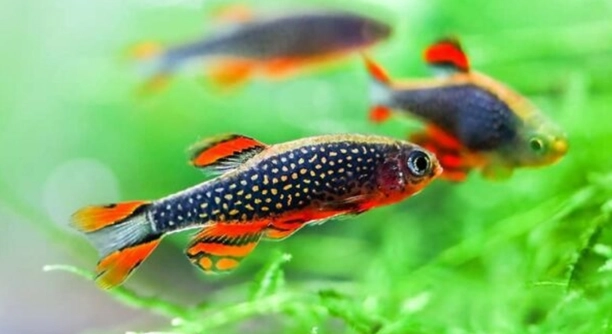
Celestial Pearl Danios are small, peaceful fish often admired for their sparkling appearance and calm nature. Many aquarium enthusiasts enjoy watching their gentle movements, but few know the unique details hidden in their anatomy and structure.
Celestial Pearl Danios possess several subtle anatomical traits, including tiny, precise scales, specialized fin structures, and compact internal organs. Their skeletal and muscular features are adapted for quick, agile swimming, while sensory organs allow acute environmental awareness and predator detection.
These lesser-known traits offer insight into why these fish thrive in home aquariums and natural habitats. Understanding them can improve care and appreciation for these delicate, charming creatures.
Tiny, Detailed Scales
The scales of Celestial Pearl Danios are surprisingly intricate for such small fish. Each scale is tiny but strong, giving them a sparkling, reflective surface. Their scales overlap in a precise pattern, providing protection from minor injuries and parasites. These fish can appear delicate, but the scales play a big role in keeping them healthy. The scales also contribute to their shimmering appearance, which makes them stand out in any aquarium setting. Even under dim lighting, the scales catch light and create subtle flashes of color. These protective layers are flexible, allowing easy movement without sacrificing strength. The density of the scales varies slightly across the body, offering extra protection around the head and back. This adaptation helps them survive minor scrapes in planted tanks. Overall, their scales are both functional and beautiful, combining strength with an eye-catching visual effect that adds charm to their calm swimming patterns.
Their scales are not just for beauty; they serve as armor and enhance swimming efficiency in tight spaces.
Understanding the role of these small scales can help you maintain a safe tank environment. Keeping the water clean and free of sharp objects preserves their protective layer and prevents infections, while plants provide natural cover. Observing how light interacts with their scales can also offer insight into their health and stress levels, since dullness often signals underlying issues. By noticing these details, you can better support their wellbeing and appreciate the delicate complexity hidden in their tiny bodies.
Specialized Fin Structures
Celestial Pearl Danios have fins that are compact but flexible, allowing them to maneuver quickly in tight spaces. Their dorsal and pectoral fins work in tandem for sudden turns and stability.
The fins are more than decorative; they are highly functional. The pectoral fins near the head help with braking and precise movement, letting the fish hover or dart between plants. The tail fin provides propulsion, giving bursts of speed when needed. Even the small anal fin aids in balance during swimming, preventing tipping in fast currents. These fins are reinforced with tiny fin rays, offering both support and flexibility. The rays allow the fish to adjust fin shape slightly depending on movement, conserving energy over long periods of swimming. Some fins also have subtle color patterns that can indicate age or health status. Proper tank setup, with adequate space and gentle water flow, ensures these fins remain intact. Watching them navigate obstacles shows how their fin anatomy supports agility and grace, which is essential for feeding and evading stress in confined spaces.
Their fins are delicate yet resilient, giving them control and precision in their environment.
Knowing how these fins work helps you design a tank that encourages natural behavior. Avoid overcrowding, provide plants for shelter, and monitor water flow to prevent fin damage. Gentle observation of their movements can reveal if a fin is torn or if the fish is struggling, allowing prompt care. The combination of strong fin rays and flexible membranes is remarkable for such a small fish. Over time, supporting these structures contributes to longer lifespan and healthier swimming patterns, letting them display their natural elegance with minimal stress. Maintaining the right environment ensures these fins continue to function optimally while showcasing their subtle, sparkling patterns.
Compact Internal Organs
Their internal organs are small and efficiently arranged, allowing for streamlined swimming. Digestive, reproductive, and respiratory systems occupy minimal space without sacrificing function, supporting energy efficiency and agility in their compact bodies.
The digestive tract of Celestial Pearl Danios is short but effective, processing tiny food particles quickly. Their stomachs and intestines are compact, optimized for rapid nutrient absorption. The liver and pancreas work together to metabolize energy efficiently, fueling their constant movement. Reproductive organs are also small but fully functional, supporting frequent spawning in suitable conditions. The heart is proportionally sized for steady circulation, and gills are highly efficient, enabling effective oxygen exchange even in low-oxygen environments. Their compact organ arrangement reduces weight, contributing to better maneuverability in planted aquariums. Despite their size, each organ performs its function reliably, which is essential for the fish’s survival and daily activity. Proper diet and clean water maintain organ health, preventing stress and ensuring long-term vitality.
This internal efficiency allows Celestial Pearl Danios to remain active and agile without overexerting themselves.
Compact organs are sensitive to water quality, diet, and stress levels. Monitoring tank conditions, avoiding sudden temperature changes, and providing small, nutritious feedings can preserve organ function. Overfeeding or poor water can lead to bloating or digestive issues, which impact swimming and overall health. Observing their activity and body shape gives clues about internal wellbeing. In essence, their small anatomy is an advantage, but it requires careful maintenance to support their energy, growth, and reproductive success.
Enhanced Sensory Organs
Eyes, lateral lines, and olfactory systems are highly developed, allowing precise perception of their environment and subtle changes in water conditions.
Celestial Pearl Danios rely heavily on their lateral lines, which detect vibrations and movement around them. This system helps them sense approaching objects, nearby fish, or predators, even in low-light conditions. Their eyes are adapted for detecting color and contrast, aiding in locating food and navigating complex tank layouts. The olfactory organs are sensitive to chemical cues, helping them recognize territory, mates, and potential threats. These sensory adaptations allow them to interact safely with tank mates and avoid stressors. Sensory organs are crucial for their survival and social behavior, enabling coordination within small schools and quick responses to sudden changes in their environment.
Maintaining sensory organ health involves stable water conditions and minimal exposure to pollutants.
Water quality, light intensity, and tank enrichment impact the function of these sensory systems. Excessive noise, chemicals, or poor filtration can impair the lateral line or olfactory abilities, causing stress or abnormal behavior. Observing their reactions to movement and feeding patterns provides insight into sensory health. Providing plants, hiding spots, and gentle currents helps them use these senses naturally. Healthy sensory organs enhance feeding efficiency, predator avoidance, and social cohesion, making the fish more resilient and active in their environment. These adaptations highlight how even small fish are finely tuned to their surroundings.
Coloration and Pigmentation
Celestial Pearl Danios display vibrant, pearl-like spots across their bodies. This coloration is caused by specialized pigment cells that reflect light, giving them a sparkling appearance.
Pigment patterns can vary slightly between individuals and may intensify with age, diet, and environmental conditions. Healthy fish show more vivid and distinct markings.
Small, Agile Skeleton
Their skeletons are lightweight yet sturdy, allowing fast, precise movements. Bones are thin but well-formed, supporting fins and internal organs efficiently. This structure contributes to their ability to navigate dense plants and tight spaces without injury.
Delicate Jaw and Mouth Structure
The jaw and mouth are small but functional, adapted for picking tiny food particles. Their feeding efficiency relies on precise movements and coordination with sensory organs.
FAQ
What do Celestial Pearl Danios eat?
They primarily eat small live or frozen foods, such as daphnia, brine shrimp, and micro-worms. High-quality flake or pellet food works as a supplement. Feeding small amounts multiple times a day helps maintain their health and prevents overfeeding, which can lead to digestive issues.
How large do they grow?
Celestial Pearl Danios remain small, usually around 1 to 1.5 inches in length. Their compact size makes them ideal for smaller aquariums, and their growth is influenced by tank conditions, diet, and water quality. Proper care ensures they reach their full potential size.
What water conditions do they need?
These fish prefer soft to moderately hard water with a pH between 6.5 and 7.5. Temperatures between 22–26°C (72–79°F) are ideal. Stable water conditions are essential for their health. Sudden fluctuations can stress them, impacting feeding, coloration, and immune function.
Are they schooling fish?
Yes, they thrive in groups of six or more. Schooling provides social interaction and security. Fish kept alone may become shy, stressed, or less active. A well-sized group encourages natural behavior, coordinated swimming, and displays of their full coloration.
How often should I clean their tank?
Regular maintenance is important. Perform partial water changes of about 25% weekly to remove waste and maintain water quality. Clean decorations and substrate gently to avoid disturbing beneficial bacteria. Avoid deep scrubbing, as it can disrupt the biological balance in the tank.
Can they live with other fish?
Celestial Pearl Danios are peaceful and compatible with other small, non-aggressive fish. Avoid larger or territorial species that may harass or eat them. Ideal tank mates include small tetras, rasboras, and shrimp. Observing interactions initially helps ensure harmony in the aquarium.
Do they breed easily in home aquariums?
Yes, they can spawn readily under proper conditions. Provide a separate breeding tank with fine-leaved plants or spawning mops. Maintaining slightly warmer water and high-quality food encourages spawning. After eggs are laid, adults may eat them, so consider removing adults if breeding success is the goal.
How do I know if my fish is healthy?
Healthy fish are active, show vibrant coloration, and feed regularly. Signs of illness include faded color, clamped fins, erratic swimming, or loss of appetite. Monitoring behavior and appearance daily allows early detection of issues, which increases the chance of successful treatment.
Do they need a lot of light?
Moderate lighting is sufficient. Too much light can stress them, while too little can reduce their coloration. Providing a natural day-night cycle helps regulate activity and feeding patterns. Floating plants can offer shaded areas, allowing fish to rest and feel secure.
How long do they live?
With proper care, they typically live 3–5 years. Lifespan depends on water quality, diet, tank size, and social conditions. Consistent care, balanced feeding, and a well-maintained environment maximize longevity and ensure they remain active and healthy.
Are there common health issues?
They are generally hardy but can suffer from ich, fin rot, or bacterial infections if water quality is poor. Quarantining new fish and maintaining clean water helps prevent disease. Early treatment is essential to avoid spreading illness in the tank.
Can they tolerate different water flows?
They prefer gentle to moderate currents. Strong currents may tire them, while stagnant water can reduce oxygen levels. Adjusting the flow with filters or pumps helps mimic their natural habitat and encourages natural swimming behavior.
Do they require live plants?
Plants are not strictly required but greatly enhance their wellbeing. Dense planting provides hiding spots, reduces stress, and encourages natural behaviors. Live plants also improve water quality by absorbing nitrates, which benefits overall health and tank stability.
What tank size is ideal?
A minimum of 10 gallons is recommended for a small school. Larger tanks allow for more plants, swimming space, and stable water conditions. Adequate space reduces stress, supports social interaction, and allows for proper filtration and maintenance.
How can I enhance their coloration?
A varied diet with high-quality foods rich in carotenoids and vitamins enhances color. Stable water conditions, proper lighting, and a calm environment also contribute. Stress, poor water quality, or insufficient nutrition can dull their natural sparkle.
Is it necessary to cycle the tank before adding them?
Yes, cycling establishes beneficial bacteria that process waste. This prevents toxic ammonia and nitrite spikes, which are harmful to small fish. Patience during tank setup ensures a stable, healthy environment before introducing Celestial Pearl Danios, supporting their long-term health and activity.
Can they live in a community tank with shrimp?
Yes, they are generally peaceful and compatible with shrimp species. Provide plants and hiding spaces to protect shrimp, especially juveniles. Observing interactions ensures fish do not stress or harm invertebrates, maintaining a harmonious tank environment.
Do they need specific water parameters for breeding?
Slightly softer, slightly acidic water encourages spawning. Stable temperature and high-quality live food improve fertility. Monitoring conditions closely helps achieve consistent breeding success and reduces stress during the reproductive process.
Are they sensitive to temperature changes?
Yes, sudden changes can cause stress, disease, and reduced activity. Maintaining a stable temperature within their preferred range ensures comfort, proper feeding, and overall health, allowing them to display natural behaviors without disruption.
How can I introduce new fish safely?
Quarantine new fish for two weeks before introducing them. Acclimate slowly to avoid shock from temperature or pH differences. Observing their behavior during integration ensures the existing school remains stable and stress-free.
Celestial Pearl Danios are small but fascinating fish, offering more than just their sparkling appearance. Observing them closely reveals the subtle details of their anatomy, from their delicate scales to their compact internal organs. Each feature serves a purpose, whether it’s protecting them, helping them swim efficiently, or sensing the environment around them. Their fins and skeletons allow precise movements, which make them appear graceful and agile. Even their sensory organs are highly developed, enabling them to detect small changes in water and interact smoothly with other fish. Paying attention to these traits helps in understanding their needs and ensuring they remain healthy and active in an aquarium setting. Their small size may make them easy to overlook, but each detail of their anatomy shows careful adaptation to their habitat and lifestyle.
Caring for Celestial Pearl Danios requires attention to their environment and routine. Stable water conditions, moderate lighting, and a proper diet are crucial for keeping them healthy. They thrive best in groups, which allows them to display natural social behaviors and reduces stress. Providing hiding spots, plants, and gentle water flow supports their physical and mental wellbeing. Understanding their compact internal organs, small jaw structure, and delicate fins can guide feeding practices and tank design. Their shimmering scales and coloration are not just for decoration but also indicate their health and comfort level. Observing their behavior, swimming patterns, and interactions with other tank mates gives insight into whether the environment is meeting their needs. Even minor adjustments in diet or tank layout can enhance their wellbeing and make them more vibrant and active.
These fish are surprisingly resilient when given proper care, but they still require consistent monitoring. Watching them closely over time allows early detection of illness or stress, which is essential for intervention. Their small, agile skeletons and specialized fins allow them to navigate tight spaces safely, but overcrowding or poor water conditions can create problems. Maintaining a balanced aquarium environment ensures their sensory organs function properly, their fins remain intact, and their internal systems stay healthy. Supporting their natural behaviors through schooling, gentle currents, and live plants encourages an active and fulfilling life. Overall, Celestial Pearl Danios demonstrate how even tiny fish have intricate, purposeful anatomy that affects every aspect of their behavior, appearance, and health. By paying attention to their unique traits, a caretaker can ensure they thrive, remain colorful, and exhibit their natural grace in a well-maintained aquarium.

Hello,
If you enjoy the content that we create, please consider saying a "Thank You!" by leaving a tip.
Every little bit helps us continue crafting quality advice that supports the health, happiness, and well-being of pets around the world, for pets of all shapes, sizes, and species.
We really appreciate the kindness and support that you show us!