
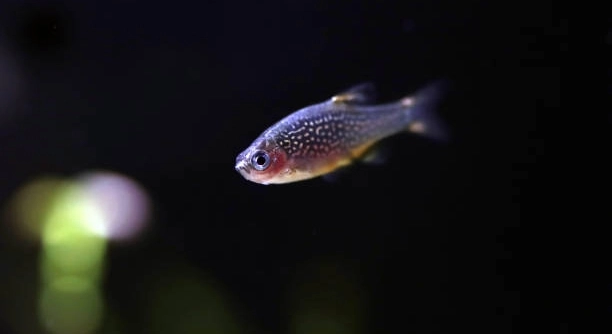
Have you noticed your danios swimming in pairs more often than usual? These lively fish are social by nature, but subtle changes in their behavior can indicate they are beginning to form bonds. Observing closely can reveal interesting patterns.
Danios often pair off through a series of subtle behavioral cues, including synchronized swimming, increased following of a single partner, and gentle nudging or chasing behaviors. Recognizing these signs provides insight into their social interactions and breeding tendencies.
Identifying these patterns can help you better understand your fish’s behavior and support a healthy, harmonious aquarium environment. Observing carefully offers valuable insights into their natural instincts.
Increased Swimming in Pairs
It becomes noticeable when danios start spending more time near one specific tank mate. They often swim side by side, mirroring each other’s movements. This synchronized behavior is a clear indicator of pairing. Unlike normal schooling behavior, which involves the entire group, these pairs focus on each other. You may notice them chasing one another gently or circling the same areas of the tank repeatedly. Observing these patterns over several days makes it easier to distinguish between random swimming and deliberate pairing. Sometimes one danio will pause, and its partner will remain close, keeping a steady distance without leaving the area. Subtle fin displays or nudges may occur during these interactions, signaling interest or readiness to engage in more intimate behaviors. Paying attention to these small actions helps in understanding their social dynamics. Tank layout can influence these behaviors, so providing open space with minimal obstacles encourages visible pairing without interference.
Pair swimming often intensifies during feeding or when exploring new tank areas.
Watching these pairs interact closely can give insight into their compatibility and social structure, allowing better management of tank dynamics. Observing subtle interactions helps in providing a stable and healthy environment.
Gentle Nudging and Chasing
Gentle nudging and chasing are common behaviors among pairing danios.
These interactions show engagement between the pair without aggression. They may nudge each other along the glass, decorations, or even swim under one another, maintaining a constant awareness of their partner. Chasing is usually slow and deliberate, unlike the fast, random movements seen in playful activity or competition for food. Nudges may seem minor, but repeated behavior indicates preference and bonding. Sometimes a danio will circle its partner or lightly tap fins, which can be mistaken for aggression if not closely observed. Recognizing these behaviors can prevent unnecessary concern and helps ensure tank conditions support healthy interactions. Tank decorations should allow open space for these behaviors, while avoiding overcrowding that might stress the pair. Consistent observation reveals whether the nudging and chasing are part of pairing dynamics or just general social activity. Tracking these patterns over time helps confirm that the bond is stable and ongoing.
Over several weeks, these behaviors may become more synchronized. Pairs often establish consistent routines that reinforce their connection. Observing and documenting these routines can help maintain balanced tank relationships. Providing a calm environment without sudden disturbances supports the development of pairing behaviors. Adjustments in lighting, hiding spots, and feeding schedules may influence how the pairs interact. Additionally, understanding these subtle cues allows aquarists to separate fish only when necessary, minimizing stress. Each pair may show slightly different levels of interaction, but overall, consistent nudging and chasing signal a healthy pairing process that is crucial for social stability.
Color Changes and Display
Pairing danios often show subtle color changes. These shifts are not as dramatic as during full breeding displays but indicate heightened interest and readiness to interact with a chosen partner. The colors may appear brighter along the body or fins when the fish are near one another.
These slight intensifications in color usually occur when a danio approaches its partner or swims close during feeding. The change can be a deeper stripe along the side or slightly more vivid fin tips. Not all danios display this equally, and some may only show faint variations. Observing multiple interactions over several days helps distinguish natural color changes from stress-related fading or environmental effects. Color intensity can be influenced by water quality, diet, and lighting, so maintaining consistent conditions ensures that these signs are reliable indicators of pairing. Recognizing these subtle displays is a useful tool for monitoring compatibility in the tank.
Sometimes paired danios flare their fins slightly while circling one another, making the colors more noticeable. This behavior is gentle and non-aggressive, signaling social bonding rather than conflict. Watching these moments regularly helps confirm the stability of the pair and their mutual interest.
Preferred Territory
Paired danios tend to claim small areas within the tank as their preferred territory. They swim consistently within these zones, often returning to the same spots after exploring.
This behavior demonstrates a level of comfort and familiarity that reinforces the bond between the pair. The chosen area may be near decorations, plants, or open spaces, depending on their preference. Other fish generally respect this territory, with minimal intrusion, especially if the pair displays mild chasing or nudging toward any intruders. Consistent use of the same territory indicates stability in the pair’s relationship and provides a sense of security. Providing multiple areas within the tank allows different pairs or groups to establish zones without constant conflict. Monitoring these zones helps understand social hierarchies and ensures a harmonious tank environment. Environmental adjustments like rearranging decorations or adding hiding spots can influence which areas the pairs prefer. Maintaining these preferences reduces stress and supports natural behaviors that contribute to overall health.
Mutual Grooming
Paired danios often engage in gentle grooming behaviors. They may nibble softly at each other’s fins or swim closely while adjusting positions. These actions help reinforce the bond between the pair and maintain comfort in shared spaces within the tank.
Grooming is usually subtle and non-aggressive. Both fish participate equally, often taking turns leading or following. This mutual behavior indicates trust and a stable relationship. Observing grooming over time can help identify established pairs and differentiate them from temporary associations or random interactions.
Coordinated Feeding
Paired danios often feed in a coordinated manner, swimming together toward food and sometimes waiting for each other before eating. This synchronization helps maintain their bond and reduces competition with other fish in the tank. Watching how they approach and share food highlights the subtle dynamics of pairing behavior.
Resting Proximity
Paired danios frequently rest near one another. They may pause together near plants, decorations, or the tank bottom, showing comfort and security in shared spaces.
Increased Activity
When danios pair off, their activity levels often increase. They explore more areas together, swim energetically, and display playful interactions that are consistent with social bonding behaviors.
How can I tell if my danios are pairing off?
Paired danios exhibit several subtle behaviors that distinguish them from casual tank interactions. They often swim closely together, mirror each other’s movements, and show a preference for spending time near the same areas of the tank. Gentle nudging or circling behaviors are also common.
Color changes can indicate heightened interest in a specific partner. Paired danios may show slightly brighter fin tips or deeper body stripes when interacting. These color shifts are subtle and best observed over multiple days. Resting proximity is another indicator. Paired fish tend to pause near each other during periods of low activity. Coordinated feeding behavior, such as approaching food simultaneously or waiting for the partner before eating, also suggests a developing bond. Mutual grooming, gentle nibbling at fins or bodies, is a reliable sign of a stable pairing. Observing patterns over time helps distinguish genuine pairing from general schooling or playful interaction.
Do danios need special conditions to pair?
While pairing can occur naturally, providing a stable tank environment helps reinforce these behaviors. A moderately sized tank with open swimming areas allows pairs to interact without obstruction. Plants or small decorations create resting spots and minor territories, encouraging danios to explore and choose preferred areas together. Consistent lighting, temperature, and water quality reduce stress and make pairing more likely. Overcrowding can prevent pairs from forming or maintaining bonds. Maintaining a balanced diet and predictable feeding schedule also supports synchronized behavior during feeding and exploration. Stressful conditions, such as sudden water changes or aggressive tank mates, may disrupt bonding and cause temporary separation. Careful observation ensures that environmental adjustments encourage natural pairing behaviors rather than forcing interactions.
Can pairing indicate readiness to breed?
Pairing is often a precursor to breeding but does not guarantee it. When danios pair off, they demonstrate social preference, comfort, and trust, which are necessary for reproduction. Increased activity, fin displays, nudging, and mutual grooming may precede spawning. Some pairs, however, may remain bonded without showing immediate reproductive behavior. Ensuring the tank has appropriate conditions, such as slightly cooler water or fine-leaved plants for egg-laying, increases the likelihood of successful breeding. Pairs may also synchronize their feeding and swimming patterns, which helps establish routines supportive of reproductive activity. Observing these behaviors over time gives insights into potential breeding readiness without requiring intervention.
Will all danios pair in the same way?
Behavior can vary depending on individual temperament and age. Some danios form strong, consistent bonds, while others show looser associations. Pairing behaviors may also differ slightly between males and females. For example, males may chase more during courtship, while females may show subtler nudging or color changes. Tank conditions and the presence of other fish can influence how pairs interact. Monitoring patterns over several weeks helps identify true pairings rather than temporary or coincidental associations. Individual differences mean that some pairs may display stronger visual cues, such as fin flaring or color intensity, while others rely more on proximity and synchronized swimming to indicate bonding.
How can I support paired danios in my tank?
Providing adequate space, consistent environmental conditions, and minimal stressors is key. Avoid overcrowding and aggressive tank mates that may disrupt pairs. Include plants and decorations to create zones where pairs can establish territory and rest. Regular feeding routines encourage synchronized behaviors and reduce competition. Monitoring water quality and maintaining stable temperature and pH levels supports overall health, which allows natural pairing behaviors to flourish. Observing interactions daily helps ensure that pairs remain compatible and comfortable. Adjusting tank layout gradually can enhance bonding without causing stress. Supporting paired danios involves combining environmental stability with careful observation to maintain their natural behaviors.
Can I separate danios if needed without harming the pair?
Yes, but separation should be done carefully. Temporary removal for tank cleaning or medical reasons is usually safe if handled gently. Gradual acclimation to new areas reduces stress. Avoid sudden changes, as paired danios rely on visual and environmental cues to maintain their bond. Reintroducing them slowly after separation helps restore normal interactions. In cases where permanent separation is necessary, providing new companions or rearranging tank spaces can reduce stress and prevent behavioral issues. Observing the pair after reintroduction ensures compatibility and comfort, allowing them to reestablish routines and territory without aggression or anxiety.
Do paired danios need any special diet?
Paired danios do not require a specialized diet, but high-quality, balanced food supports activity, color, and social behavior. Feeding small, frequent portions encourages synchronized feeding and reduces competition. Variety, including flakes, pellets, and occasional live or frozen foods, helps maintain interest and overall health. Adequate nutrition contributes to reproductive readiness and vibrant color displays, both of which are associated with pairing behavior. Consistency in feeding schedules reinforces routines and helps paired danios interact harmoniously during meals. Monitoring food consumption ensures all fish, including less dominant individuals, receive enough nutrition without disrupting the bond between paired fish.
How long do danio pairings typically last?
Pair duration varies depending on individual temperament, age, and tank conditions. Some pairs remain bonded for months, while others may shift partners or interact more loosely over time. Stable environmental conditions and low-stress surroundings increase the likelihood of long-lasting pairings. Observing consistent swimming patterns, synchronized feeding, and mutual grooming over weeks indicates a strong and stable bond. Changes in tank population or layout may influence the duration of pair interactions, so ongoing observation is necessary. Long-term pairing can provide social stability and improved well-being for the danios involved, reinforcing natural behaviors in a home aquarium setting.
Are there signs that a pairing is unhealthy?
Unhealthy pairings often involve aggression, avoidance, or lack of synchronization. Constant chasing that results in injury, extreme hiding, or lack of interaction may indicate stress or incompatibility. Environmental issues, such as poor water quality or overcrowding, can contribute to these behaviors. Monitoring for persistent aggression or withdrawal helps identify problems early. Adjusting tank conditions, separating aggressive individuals, or providing additional hiding spaces can restore balance. Healthy pairings exhibit gentle nudging, coordinated swimming, and mutual grooming. Lack of these behaviors or visible stress signs suggests the pair may not be compatible, requiring intervention to maintain overall tank harmony and fish well-being.
Observing danios in your tank can be a rewarding experience, especially when you notice subtle signs of pairing. These small fish communicate and bond in ways that may not be immediately obvious, but with careful observation, the patterns become clear. Paired danios often swim together, mirror each other’s movements, and maintain proximity during both active and resting periods. These behaviors are gentle and consistent, showing that the fish feel comfortable and secure with one another. Even subtle actions, like nudging or light fin displays, are important indicators of their social bonds. Over time, watching these behaviors helps you understand the natural interactions and relationships within your tank, giving insight into their needs and well-being. Observing pairs closely also allows you to distinguish between temporary interactions and long-term bonds, which is useful when managing tank populations and ensuring harmony among all fish.
Supporting paired danios requires providing a stable and appropriate environment. This includes consistent water quality, proper temperature, and enough space for each pair to interact comfortably. Open swimming areas combined with plants or decorations give the fish room to establish small territories and resting spots, which can reduce stress and encourage natural pairing behavior. Feeding routines also play a role in strengthening bonds, as synchronized feeding provides a shared activity that reinforces the relationship. Paying attention to environmental factors, such as avoiding overcrowding or aggressive tank mates, is essential to maintaining stable pairings. By keeping the conditions consistent and stress-free, paired danios are more likely to remain healthy, active, and socially connected. Observing their interactions over days and weeks allows you to notice patterns in movement, color displays, and feeding behaviors, giving valuable insight into their overall social dynamics.
Understanding and supporting the subtle signs of pairing in danios benefits both the fish and the tank as a whole. Recognizing their behaviors, such as synchronized swimming, gentle nudging, color changes, and mutual grooming, helps you provide an environment where the fish can thrive. Stable pairings can contribute to a calmer, more balanced aquarium, as well as a better chance of natural reproduction if that occurs. Paying attention to these small details allows you to respond to any stress or conflicts early, ensuring the health and well-being of all the fish. Observing paired danios also offers a deeper appreciation for their natural instincts and social behaviors, showing that even small fish have complex ways of interacting. Maintaining proper care, feeding, and habitat conditions ensures that these pairs remain active, comfortable, and harmonious, providing both visual enjoyment and a better understanding of their natural tendencies.

Hello,
If you enjoy the content that we create, please consider saying a "Thank You!" by leaving a tip.
Every little bit helps us continue crafting quality advice that supports the health, happiness, and well-being of pets around the world, for pets of all shapes, sizes, and species.
We really appreciate the kindness and support that you show us!