
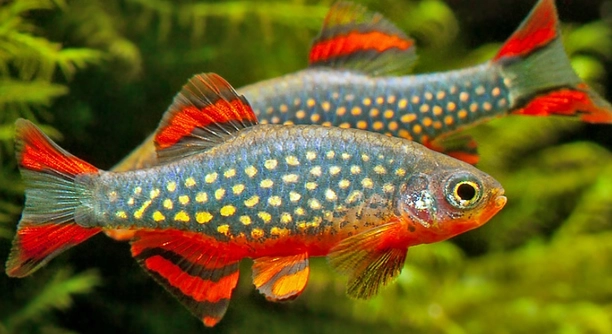
Keeping a tank of mixed danios can be a joyful experience, but it often comes with challenges. Some fish may become aggressive, and finding harmony requires attention and care. Small adjustments can make a big difference in the tank.
Creating peace in mixed danio tanks involves careful selection of species, maintaining proper tank size, providing hiding spaces, establishing territories, feeding appropriately, monitoring behavior, and maintaining consistent water conditions to reduce stress and aggression among fish.
Learning simple strategies can make life easier for both you and your fish, ensuring a calm and balanced environment in your aquarium.
Choosing Compatible Danio Species
When selecting danios for a mixed tank, compatibility is key. Some species are naturally more aggressive, while others are calmer and better at coexisting. Zebra danios, for example, are generally peaceful but can become territorial if space is limited. Pairing them with other active, but non-aggressive species, creates a balanced environment. Avoid mixing danios with species that are too slow or timid, as this can increase stress and lead to constant chasing. Observing natural behavior before introducing new fish can prevent conflicts and reduce stress. Properly researching each species’ temperament, size, and activity level helps you anticipate interactions and prevent unnecessary aggression. Paying attention to growth patterns is also important, as adult fish may behave differently from juveniles. Overcrowding can amplify tensions, so plan for enough swimming space. Adjusting tank setup with plants, rocks, and hiding spots provides natural barriers and helps fish feel secure. Regular monitoring ensures the group remains stable as they grow.
Introducing compatible species ensures a more harmonious tank, reducing stress and minimizing aggressive behaviors among danios.
Keeping species compatibility in mind prevents frequent conflicts and promotes natural behavior. With careful selection, each fish can thrive in the same environment.
Maintaining Proper Tank Size
A tank that is too small can quickly increase aggression among danios. They are active swimmers, and cramped conditions cause stress and competition for space. For a small group of three to five danios, a minimum 20-gallon tank is recommended. Larger groups need even more room to establish territories and swim freely. Long tanks are better than tall ones, as danios prefer horizontal swimming space. Decorations and plants should not overly restrict swimming areas but provide visual boundaries. Overcrowding can result in persistent chasing, fin nipping, and uneven feeding. Keeping water conditions stable in a larger tank is easier, reducing stress. Frequent water changes, a good filtration system, and consistent temperature help maintain a healthy environment. Observing fish behavior in relation to space can guide future adjustments. Adding more fish gradually allows you to see how the group interacts and whether the tank remains suitable for all inhabitants.
Proper tank size allows danios to move naturally, reduces conflict, and supports their overall health. Maintaining spacious conditions is essential for long-term peace in the tank.
Providing Hiding Spaces
Hiding spots help danios feel secure and reduce stress-related aggression. Plants, rocks, and small caves give fish places to retreat when needed. Proper placement prevents dominant fish from controlling the whole tank, letting everyone feel safe.
Creating varied hiding areas ensures all fish can escape when threatened. Dense plants along the sides, open swimming areas in the center, and small caves near decorations give natural refuges. Floating plants can also provide shade and a sense of security. Changing decorations occasionally can prevent territorial disputes, keeping the environment dynamic. Observing which fish use specific areas helps you adjust placements. Combining artificial and live plants works well, giving both visual interest and safety. Hiding spaces reduce conflicts, minimize chasing, and create a more peaceful atmosphere. Ensuring every fish has access prevents bullying and promotes balanced social behavior.
Even with peaceful species, hiding spaces maintain calm by offering refuge from more active or dominant fish. Fish will naturally gravitate toward safe zones, making interactions less stressful and promoting a balanced tank.
Establishing Territories
Danios naturally establish small territories in a tank. Marking boundaries with decorations or plants helps reduce conflict. Each fish needs a space to retreat without interference from others.
Territorial boundaries prevent constant chasing and stress, allowing fish to focus on swimming, feeding, and social interactions. When territories are clear, dominant fish are less likely to harass smaller or weaker ones. Plants and rocks can act as natural dividers, creating separate zones for each fish or group. Even in open areas, visual boundaries help fish feel secure. Observing interactions can indicate if some fish are consistently pushed out, signaling a need to adjust placements. Rearranging decorations occasionally prevents long-term dominance patterns, giving all fish fair access to space. This approach helps maintain a structured, calm environment. Providing varied textures and heights within the tank also supports natural behavior.
A well-planned layout with clear territories reduces aggression and encourages balanced social interactions. It supports each fish’s comfort, allowing them to thrive together in harmony.
Feeding Appropriately
Regular feeding reduces competition and aggression among danios. Providing small, frequent meals ensures all fish get enough without fighting over food.
Using a mix of flakes, pellets, and occasional live food keeps diets balanced. Spreading food across the tank prevents dominant fish from monopolizing meals.
Monitoring Behavior
Watching your danios daily helps spot early signs of stress or aggression. Quick intervention prevents serious conflicts and injuries. Observing swimming patterns, chasing, or fin damage guides adjustments in tank setup or feeding routines.
Maintaining Consistent Water Conditions
Stable water temperature, pH, and cleanliness reduce stress and aggression. Danios thrive in predictable environments, making consistency essential.
FAQ
How many danios can I keep in a mixed tank?
The number of danios depends on tank size and species. A small group of three to five needs at least a 20-gallon tank. Larger groups require more space to reduce chasing and stress. Horizontal swimming space is more important than height for these active fish.
What are the best plants for hiding spaces?
Dense, tall plants along the sides work best. Java fern, hornwort, and Amazon sword provide cover while leaving open swimming areas. Floating plants add shade and create a sense of security. Artificial plants can also help if you want low-maintenance options.
Can danios live with other types of fish?
Yes, but only with compatible species. Avoid slow, timid, or very aggressive fish. Peaceful, fast-swimming species that tolerate similar water conditions are ideal. Monitoring interactions is necessary to prevent bullying.
How often should I feed danios?
Feed small amounts two to three times daily. This prevents competition and ensures all fish eat enough. Mixing flakes, pellets, and occasional live food keeps their diet balanced. Spread food evenly to avoid dominant fish taking all of it.
What is the best tank setup for mixed danios?
A long tank with plenty of horizontal swimming space is ideal. Include hiding spots like caves and plants. Visual boundaries prevent constant chasing. Ensure proper filtration, stable temperature, and regular water changes to maintain a calm environment.
How do I know if my danios are stressed?
Signs include hiding constantly, frayed fins, pale colors, or erratic swimming. Aggressive chasing or nipping also indicates stress. Observing daily behavior helps catch issues early. Adjust tank layout, reduce overcrowding, and maintain water quality to improve comfort.
Should I rearrange decorations in the tank?
Occasional rearrangement prevents long-term territorial dominance. Moving plants or rocks helps reduce conflict and allows all fish fair access to space. Avoid complete disruption, which can stress the fish. Make small, gradual changes to maintain balance.
What water conditions do danios prefer?
Stable temperature around 70–78°F, pH between 6.5–7.5, and clean water are essential. Regular water changes and a good filtration system prevent stress-related aggression. Avoid sudden fluctuations in temperature or chemistry, which can trigger fights.
Can I keep both juveniles and adults together?
Yes, but monitor interactions carefully. Adults may chase smaller juveniles. Providing hiding spots and plenty of space helps juveniles avoid being bullied. Gradually introducing juveniles allows them to acclimate to the established hierarchy.
How do I handle aggressive behavior?
Separate overly aggressive fish temporarily if chasing becomes constant. Adding hiding spots or rearranging decorations can reduce tension. Feeding evenly and monitoring daily helps prevent conflicts from escalating. Maintaining consistent water conditions also minimizes stress-induced aggression.
Is it necessary to group danios together?
Yes, danios are schooling fish and feel safer in groups. A minimum of three to five is recommended, but larger groups spread aggression and create a more natural environment. Isolated danios may become stressed or display abnormal behavior.
What types of food are best for variety?
Flakes and pellets provide balanced nutrition, while occasional live or frozen foods like brine shrimp or daphnia offer enrichment. Rotating food types ensures dietary variety and helps maintain vibrant colors and healthy activity levels.
How often should I check water parameters?
Weekly testing of temperature, pH, and ammonia levels is ideal. More frequent checks may be necessary in newly set-up tanks or if fish show stress signs. Consistent monitoring keeps the environment safe and peaceful for all inhabitants.
Can hiding spots prevent bullying completely?
Not always, but they reduce stress and give fish a way to escape. Combined with proper tank size, compatible species, and stable water conditions, hiding spots help maintain overall harmony. Observing fish behavior allows you to adjust as needed.
What should I do if aggression persists?
Consider reducing overcrowding, rearranging decorations, or separating particularly dominant fish. Ensure feeding is even and stressors like sudden changes in water or lighting are minimized. Consistent observation and small adjustments usually restore balance in the tank.
Are floating plants necessary?
Not required, but they provide shade and security. Floating plants reduce stress and create natural boundaries for active swimming. They can also help diffuse aggressive behavior by breaking sight lines between dominant and submissive fish.
How long does it take for a mixed tank to stabilize?
It varies, usually a few weeks to a couple of months. Stability depends on species, group size, and tank setup. Monitoring behavior, maintaining water quality, and providing hiding spaces help the group settle faster. Patience is key to a peaceful tank.
Can danios live in a tank with slow bottom dwellers?
Yes, if the bottom dwellers are peaceful and not stressed by active swimming above. Ensure enough space and hiding spots. Danios generally stick to the middle and top levels, so interactions are minimal when species are chosen carefully.
Do danios need light variations in the tank?
Yes, alternating periods of light and darkness mimic natural conditions and reduce stress. Standard aquarium lighting with a daily on/off cycle is sufficient. Hiding spots also help fish feel secure during bright periods, giving them a choice of shade.
What is the best way to introduce new danios?
Quarantine new fish first to prevent disease. Introduce them slowly, keeping an eye on interactions. Gradually acclimate them to tank conditions. Placing decorations to create temporary boundaries can reduce initial aggression.
How can I encourage peaceful interactions?
Provide enough space, hiding spots, and even food distribution. Maintain consistent water conditions and observe behavior regularly. Adjusting tank layout or separating overly dominant fish can also promote calm behavior. Consistency and monitoring are essential for harmony.
Is it normal for danios to chase each other?
Yes, but excessive chasing indicates stress or territorial disputes. Moderate chasing is part of natural schooling behavior. Ensuring adequate space, hiding spots, and compatible species helps keep chasing from becoming harmful.
Can I keep danios with larger fish?
Only with non-aggressive species that won’t eat or stress them. Ensure tank size allows for separation and escape routes. Observing initial interactions is critical, as mismatched sizes can cause fear or aggression.
How do I prevent fin nipping?
Provide enough space, compatible species, and hiding spots. Avoid overcrowding and uneven feeding. Observing dominant fish and separating them temporarily if needed can prevent injuries. A balanced, calm environment reduces fin-nipping tendencies.
What should I do if water quality drops?
Perform immediate partial water changes and test parameters. Check filtration and remove uneaten food or debris. Maintaining consistent water quality prevents stress-induced aggression and protects fish health. Regular maintenance prevents repeated issues.
Is tank decoration important for peace?
Yes, strategic placement of plants, rocks, and caves helps create boundaries, hiding spots, and visual barriers. Thoughtful decoration reduces stress and aggression, providing fish with areas to retreat and feel safe. Adjusting layouts occasionally prevents long-term dominance.
How do I know when the tank is balanced?
Peaceful swimming, minimal chasing, even feeding, and healthy fins indicate a balanced tank. Fish use hiding spots without constant fear. Observing daily interactions confirms whether the tank environment supports calm, natural behavior.
Can I mix male and female danios?
Yes, but males may display mild chasing during mating behavior. Providing space, hiding spots, and enough group size minimizes stress. Observing interactions ensures both genders coexist without prolonged aggression.
Do danios need a specific water flow?
Moderate flow is ideal, mimicking natural streams. Too strong a current can stress fish, while stagnant water increases aggression. Proper filtration and circulation maintain oxygen levels and a healthy environment.
How often should I clean the tank?
Partial water changes weekly or biweekly are recommended. Remove debris, vacuum the substrate, and check filters. Maintaining clean water reduces stress, prevents aggression, and supports healthy social interactions.
Can I keep danios with shrimp or snails?
Yes, if shrimp or snails are hardy and not stressed by active fish. Dense plants and hiding spots help protect them. Monitor initial interactions to prevent harassment, especially for small shrimp or delicate snail species.
What are signs of a well-settled tank?
Calm schooling, fair access to food, minimal chasing, and healthy fins indicate balance. Fish utilize hiding spots naturally, and aggression is rare. Observing these signs confirms the tank provides a stable, peaceful environment.
How do I manage water temperature for mixed species?
Keep temperature stable and within the range tolerated by all species. Use heaters and thermometers to maintain consistency. Sudden changes can trigger aggression and stress, so gradual adjustments are safer. Stable temperature promotes calm behavior.
Can I keep danios with bettas?
Usually not recommended, as bettas can be territorial. If attempted, a very large tank with multiple hiding spots is required. Observe interactions closely, but even with precautions, risks remain high for aggressive behavior.
How do I prevent stress in mixed danio tanks?
Provide adequate space, hiding spots, stable water conditions, compatible species, and even feeding. Minimize sudden changes in light, temperature, or decorations. Daily observation helps catch early signs of stress, allowing for timely adjustments.
Are water additives necessary for peace?
Generally, no. Proper water quality, stable parameters, and a well-maintained tank are more important. Some additives can help correct pH or hardness, but they should not replace proper tank management practices.
How long can I expect peace to last?
With consistent care, stable water, compatible species, and adequate hiding spots, peace can last indefinitely. Monitoring behavior and making small adjustments when needed ensures the tank remains calm and balanced over time.
Do danios need a specific lighting schedule?
A standard day/night cycle is enough. About 10–12 hours of light and 12–14 hours of darkness mimic natural conditions. Proper lighting reduces stress and supports natural behavior, helping maintain harmony among fish.
Can overcrowding ever be fixed without removing fish?
Somewhat, by adding hiding spots and rearranging decorations, but removing excess fish is the most effective solution. Overcrowding increases stress and aggression, so adjusting group size ensures a peaceful tank.
How do I know if a fish is being bullied?
Look for hiding, torn fins, pale colors, or avoiding certain areas. Persistent chasing by dominant fish is a clear sign. Adding hiding spaces, rearranging the tank, or separating aggressive fish can help.
Are live plants better than artificial for peace?
Live plants provide natural hiding spots, oxygenation, and visual boundaries. Artificial plants work too, but live plants offer extra benefits for water quality and fish comfort. Combining both types is often ideal.
Can changing water too often cause stress?
Yes, sudden or large water changes can shock fish. Partial, gradual changes with similar temperature and chemistry minimize stress while maintaining water quality. Consistency is key.
Is it normal for dominant fish to chase others occasionally?
Yes, mild chasing is natural, especially in active schools. Problems arise when chasing is constant or causes injury. Adequate space, hiding spots, and careful monitoring prevent excessive aggression.
How do I keep all fish fed evenly?
Spread food across the tank and offer small portions multiple times a day. Mix flakes, pellets, and occasional live food. Watch to ensure shy or submissive fish are not left out.
Can tank size alone prevent aggression?
No, but it significantly helps. Adequate space reduces territorial disputes, allows natural swimming, and combined with hiding spots and compatible species, minimizes stress.
How often should I observe my tank?
Daily observation is best. Even a few minutes each day helps spot stress, aggression, or illness early. Regular monitoring allows for quick adjustments before problems escalate.
Are decorations more important than plants for peace?
Both are important. Plants provide natural cover, oxygen, and boundaries. Decorations create visual barriers and hiding spots. Using both strategically creates a calm, structured environment that supports peaceful interactions.
Can aggression return after months of peace?
Yes, changes like growth, new fish, or rearranged decorations can trigger aggression. Continuous observation and small adjustments maintain long-term stability.
Do I need to quarantine all new fish?
Yes, to prevent disease and allow gradual introduction. Quarantine helps protect established fish and gives you time to observe temperament and behavior before mixing species.
How can I reduce chasing during feeding?
Use small portions, spread food throughout the tank, and offer frequent feedings. Ensure hiding spots are available so submissive fish can eat without being chased. Consistency prevents competition-related aggression.
Is tank lighting enough to prevent stress?
Lighting alone is not enough. Stable water, proper tank size, hiding spots, and compatible species are all required. Lighting supports natural rhythms, complementing other factors for a peaceful environment.
Do danios fight more at certain times?
Aggression may increase during feeding, breeding, or when new fish are introduced. Maintaining space, hiding spots, and consistent conditions reduces conflicts during these periods. Observation allows timely intervention.
Can rearranging the tank trigger aggression?
Yes, sudden major changes can stress fish. Small, gradual adjustments are safer. Rearranging occasionally prevents long-term territorial dominance without causing widespread conflict.
Are danios more peaceful in larger groups?
Yes, small groups may result in dominance hierarchies that stress weaker fish. Larger schools spread aggression, balance social interactions, and create calmer, more natural behavior patterns.
Can temperature changes trigger aggression?
Yes, sudden or extreme changes increase stress and chasing. Maintaining stable temperature and gradual adjustments help prevent fights and support peaceful behavior.
How do I balance multiple hiding spots?
Ensure each fish has access to at least one area without interference. Combine caves, plants, and rocks strategically to create multiple zones and prevent dominance over resources.
Can feeding high-protein food cause aggression?
Not directly, but competition for preferred foods may increase chasing. Spreading food evenly and feeding small amounts multiple times daily helps prevent aggression linked to feeding.
How often should I rearrange decorations?
Every few months is enough. Minor changes prevent long-term territorial disputes. Avoid frequent, major rearrangements, which can stress the fish and trigger aggression.
Are some danios naturally more aggressive?
Yes, species and individual temperament vary. Observing behavior before mixing helps prevent problems. Providing adequate space, hiding spots, and proper group size balances dominant personalities.
What role does tank height play in peace?
Minimal. Danios are active horizontal swimmers, so horizontal space matters more than height. Decorations and plants should create zones along the horizontal plane to reduce conflicts.
Can stress make peaceful danios aggressive?
Yes, poor water quality, overcrowding, or lack of hiding spots can trigger unexpected aggression. Maintaining optimal conditions prevents stress-related fights.
How can I protect weaker fish?
Provide hiding spots, separate aggressive fish temporarily, and ensure even feeding. Observing behavior and adjusting tank layout keeps submissive fish safe and reduces bullying.
Do danios need companions to reduce aggression?
Yes, they are schooling fish. Being alone can stress them, causing unusual aggressive behavior. A minimum group of three to five is recommended for natural social behavior.
Can adding plants calm aggressive fish?
Yes, dense plants give fish places to hide and reduce line-of-sight conflicts. Multiple types and heights of plants support balanced interactions and lower stress.
Should I mix fast and slow swimmers?
Generally not recommended. Slow fish may be constantly chased, increasing stress. Pair danios with similar activity levels to promote peaceful coexistence.
How do I fix persistent fin nipping?
Separate aggressive fish temporarily, increase hiding spots, and ensure proper feeding. Observing behavior and adjusting decorations can prevent further injuries. Maintaining calm water conditions supports recovery and reduces aggression.
Is it better to introduce several fish at once?
Yes, simultaneous introduction helps establish a balanced hierarchy. Adding one fish to an established group may increase stress and bullying. Gradual acclimation with boundaries reduces conflicts.
How do I reduce stress during tank cleaning?
Perform partial water changes gradually, avoid disturbing hiding spots too much, and maintain stable temperature and water chemistry. Gentle cleaning helps prevent stress-induced aggression.
Do danios need a separate breeding area?
Yes, breeding may increase chasing. A separate breeding tank or partition prevents stress for the main group and protects weaker fish during the process.
Can tank size compensate for aggressive personalities?
To some extent. Larger tanks give dominant fish space to spread aggression without harming others. Combined with hiding spots and compatible species, it reduces conflict.
How do I know when a tank is overcrowded?
Constant chasing, stress signs, and uneven feeding indicate overcrowding. Adequate space per fish, hiding spots, and monitoring behavior prevent long-term aggression.
Can water flow affect aggression?
Yes, moderate flow is ideal. Too strong a current stresses fish, while stagnant water may increase chasing. Proper circulation supports health and calm interactions.
Should I use visual barriers?
Yes, rocks, plants, or decorations create visual boundaries. Breaking line-of-sight reduces dominance behavior and allows all fish access to resources without constant stress.
Do danios need companions of the same species?
Yes, they form natural schools. Mixing multiple compatible species works, but having a core group of the same species maintains natural social behavior and reduces stress.
Can seasonal changes affect aggression?
Yes, changes in temperature, light, or feeding routines may trigger stress. Consistent conditions throughout the year help maintain calm behavior and prevent conflict.
How do I balance feeding and hiding spots?
Feed multiple small portions across the tank, and ensure hiding areas are accessible. This prevents competition and allows all fish to eat safely without being chased.
Can aquarium size alone prevent bullying?
Not entirely, but it greatly reduces it. Space, hiding spots, compatible species, and stable conditions together create a peaceful environment. Observation and adjustments are necessary for long-term harmony.
How do I know if fish are stressed from aggression?
Look for hiding, pale colors, frayed fins, and avoidance of certain areas. Persistent chasing signals stress. Adjust hiding spots, decorations, or remove aggressive fish if necessary.
Can adding live plants reduce aggression permanently?
They help significantly by providing cover and visual barriers. While not a complete solution, combined with space, compatible species, and stable water, live plants maintain long-term peace.
How do I introduce plants to reduce aggression?
Add dense plants along tank sides and open central swimming areas. Floating or tall plants provide shade and visual barriers. Observe fish interactions and adjust placement as needed to balance territories.
What is the role of tank layout in peace?
Strategic layout creates territories, hiding spots, and visual barriers. Proper placement reduces conflicts, spreads aggression, and allows all fish fair access to resources, supporting calm interactions.
Can frequent monitoring prevent aggression?
Yes, daily observation catches early
Creating a peaceful mixed danio tank takes time, attention, and careful planning. Choosing compatible species, providing enough space, and including hiding spots are all essential steps. Danios are active and social fish, and their natural behaviors must be considered when arranging the tank. Observing how they interact with one another can help you identify potential problems before they escalate. Even small changes in the tank, like rearranging decorations or adding a new plant, can influence behavior and affect the overall calmness. Maintaining stable water conditions is equally important, as fluctuations in temperature, pH, or cleanliness can increase stress and trigger aggression. Taking the time to understand the natural habits and needs of each species allows you to create an environment where all fish can coexist peacefully.
Feeding practices also play a significant role in maintaining harmony. Offering small, frequent meals spread across the tank prevents dominant fish from taking all the food and allows shy or submissive fish to eat comfortably. A balanced diet that includes flakes, pellets, and occasional live or frozen foods keeps fish healthy and active, reducing irritability. Monitoring fish behavior during feeding times can give insight into potential stress or bullying issues. If any fish are being chased excessively or not eating properly, adjustments such as additional hiding spots, changes to tank layout, or temporary separation may be necessary. These small interventions help maintain fairness and minimize conflicts, creating a calmer atmosphere overall. Over time, these consistent practices help establish predictable routines, which fish respond to positively, reducing unnecessary aggression and promoting stability.
Long-term success with a mixed danio tank requires patience and careful attention. Even in a well-planned tank, occasional disputes may arise, especially during changes like introducing new fish or rearranging decorations. The key is to address problems calmly and systematically rather than making sudden or extreme changes. Observing fish daily, maintaining water quality, and adjusting the tank as needed ensures that conflicts are managed effectively. Overcrowding should always be avoided, and providing enough swimming space for each fish reduces tension. By combining compatible species, proper tank size, strategic hiding spots, consistent feeding, and stable water conditions, it is possible to create a harmonious aquarium. With these considerations in mind, your mixed danio tank can remain a peaceful and balanced environment, allowing each fish to thrive and display natural, healthy behavior.

Hello,
If you enjoy the content that we create, please consider saying a "Thank You!" by leaving a tip.
Every little bit helps us continue crafting quality advice that supports the health, happiness, and well-being of pets around the world, for pets of all shapes, sizes, and species.
We really appreciate the kindness and support that you show us!