
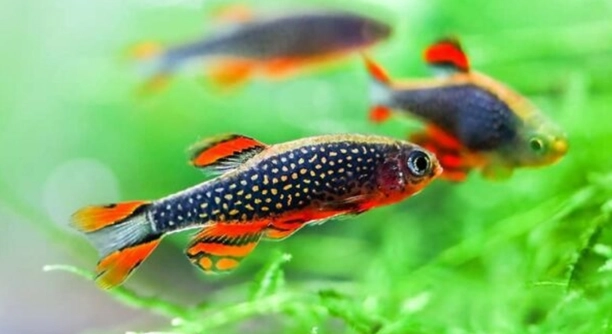
Are your danios turning up their noses at every meal you offer? Feeding these lively fish can sometimes feel like a challenge, especially when they favor only certain types of food. Maintaining proper nutrition is essential for their health.
There are several feeding options suitable for pickier danios, ranging from high-quality flakes and pellets to live and frozen foods. Each option provides different nutrients and textures, encouraging better feeding habits and supporting their growth and overall well-being.
Exploring these feeding options can make mealtime easier and help ensure your danios stay healthy and active in their aquarium environment.
High-Quality Flakes
High-quality flakes are a convenient and balanced feeding option for pickier danios. These flakes are designed to provide essential vitamins and minerals, supporting overall health. Look for flakes that contain proteins, omega fatty acids, and plant matter to ensure a well-rounded diet. Feeding flakes once or twice a day helps maintain energy levels and keeps danios active. When introducing flakes, crush them slightly for younger or smaller fish to make eating easier. Observe how your danios respond to different brands and formulas, as some may prefer certain textures or flavors. Rotating flakes with other food types can prevent boredom and nutritional gaps. Storing flakes properly in a cool, dry place keeps them fresh and prevents nutrient loss.
Flakes are easy to feed and can be a staple for picky danios when combined with other food types.
Choosing flakes that meet these nutritional needs ensures your danios receive consistent, reliable energy while promoting healthy growth and coloration. Proper feeding techniques also prevent overfeeding and water quality issues, making flakes a practical choice for busy aquarists.
Frozen and Live Foods
Frozen and live foods offer variety and high nutritional value. These options appeal to picky eaters due to their natural movement and fresh taste.
Incorporating frozen and live foods such as brine shrimp, daphnia, or bloodworms can stimulate feeding interest. Thaw frozen foods properly and rinse them to remove excess preservatives. Live foods encourage natural hunting behavior and provide a rich protein source. Feeding these items two to three times a week ensures danios get supplemental nutrition without overloading their diet. Rotate different types to prevent reliance on a single food source and to maintain interest. Observation is key: note which foods are favored and how much is consumed to avoid waste. Combining these with flakes or pellets creates a balanced feeding plan. Managing portion sizes prevents water pollution, helping maintain a healthy tank environment.
A careful mix of frozen and live foods can enhance diet diversity, support growth, and encourage natural activity. Using these foods alongside flakes or pellets ensures danios enjoy meals while receiving complete nutrition. Monitoring their eating habits allows adjustments to prevent leftover food buildup and maintain water clarity. This approach keeps your aquarium stable and reduces stress for your fish.
Pellets
Pellets provide concentrated nutrition and are less prone to water pollution than flakes. They come in sinking or floating forms, letting you target different feeding levels.
High-quality pellets contain essential proteins, vitamins, and minerals, making them a reliable daily food source for pickier danios. They often have a denser composition than flakes, which can satisfy fish with slower eating habits. Feeding pellets in small portions ensures that all fish can eat without overfeeding the tank. Some danios may prefer soaking pellets briefly to soften them, improving palatability. Rotating pellet types or sizes can help maintain interest and prevent selective eating. Observing your fish during pellet feeding helps gauge portion sizes and monitor appetite. Proper storage in a cool, dry place preserves nutrients and prevents spoilage, maintaining the quality of each feeding session.
Using pellets alongside flakes or live foods creates a balanced diet that encourages healthy growth, coloration, and consistent energy levels. Small adjustments in pellet size or texture can make picky danios more willing to eat regularly.
Vegetables and Plant Matter
Leafy greens and blanched vegetables supply fiber, aiding digestion and gut health. Spinach, zucchini, or peas can be lightly steamed or chopped for easy consumption.
Adding plant matter to a danio’s diet introduces natural nutrients and supports digestive health. Many picky danios may nibble on softened vegetables when other foods are less appealing. Blanching or steaming vegetables softens them and reduces the risk of choking. Chop vegetables into small, manageable pieces to encourage feeding and prevent leftover waste from polluting the tank. Feeding vegetables two to three times a week can complement protein-rich foods without overwhelming the diet. Rotating different vegetables keeps meals varied, stimulating interest and providing a range of vitamins and minerals. Observing feeding behavior allows adjustments in portion size and type, ensuring optimal consumption.
Plant matter also contributes to a more natural diet, supporting longer-term health and reducing digestive issues. When combined with flakes, pellets, or live foods, vegetables provide essential fiber and micronutrients, balancing meals while keeping picky danios engaged in feeding. Consistent inclusion helps promote better growth, activity, and overall vitality.
Freeze-Dried Foods
Freeze-dried foods are convenient, nutrient-rich options for picky danios. They retain most vitamins and proteins and are easy to store and portion for daily feeding.
Common options include bloodworms, tubifex worms, and brine shrimp. Rehydrating them briefly before feeding improves digestibility and reduces the risk of choking.
Gel Foods
Gel foods provide a soft, customizable feeding option. They can be mixed with supplements or vegetables and tailored to your danios’ preferences.
Gel foods retain moisture, reducing the risk of overeating and water contamination. They are especially useful for small or picky fish that may reject harder foods.
Homemade Mixes
Homemade food mixes allow control over ingredients and nutrients, ensuring a balanced diet. Combining proteins, vegetables, and supplements can create appealing meals for picky danios.
Homemade mixes can include cooked egg, finely chopped vegetables, and small amounts of shrimp or fish. Preparing small portions and freezing extras ensures freshness. This approach allows you to monitor which ingredients your danios prefer and adjust recipes accordingly. Regular rotation of mixes prevents monotony and supports a more complete nutritional profile. Using homemade mixes alongside flakes, pellets, or live foods helps maintain a varied, healthy diet while keeping picky danios engaged during feeding sessions.
Sprouted Seeds
Sprouted seeds like mung beans provide natural nutrients and fiber. They can be chopped and added to daily meals.
FAQ
What is the best way to get picky danios to eat?
Offering a variety of foods is essential. Alternating flakes, pellets, live foods, and vegetables can encourage interest. Observe your danios’ preferences and adjust portion sizes accordingly. Smaller meals multiple times a day often work better than a single large feeding. Rotating textures and flavors keeps them engaged and prevents selective eating habits.
Can I feed only one type of food?
Relying on a single food type is not recommended. While flakes or pellets provide basic nutrition, combining them with live or frozen foods and vegetables ensures balanced vitamins, proteins, and fiber. A varied diet promotes growth, coloration, and digestive health.
How often should I feed my danios?
Feeding two to three times daily in small portions is ideal. Overfeeding can pollute the tank and stress fish, while underfeeding may lead to malnutrition. Adjust portion sizes based on appetite and monitor leftovers to prevent water quality issues.
Are live foods necessary for picky eaters?
Live foods are not strictly necessary but are highly beneficial. They stimulate natural hunting behavior and provide concentrated protein. Options like brine shrimp or daphnia can reignite appetite in hesitant eaters. Feeding live foods two to three times per week complements flakes or pellets.
Can I use frozen foods instead of live foods?
Frozen foods are an excellent alternative. They are convenient, nutrient-rich, and safe from disease risks. Thaw and rinse before feeding to improve palatability. Frozen brine shrimp, bloodworms, or daphnia can replace live foods while maintaining dietary variety.
How do I prepare vegetables for danios?
Vegetables should be blanched or lightly steamed to soften them. Chop into small pieces to make them easier to eat. Spinach, zucchini, and peas are suitable options. Feeding vegetables two to three times a week adds fiber and micronutrients without overloading the diet.
What are gel foods and how do I use them?
Gel foods are soft, moist foods that can include proteins, vegetables, and supplements. They are ideal for picky or small danios. Soften or mold portions to the right size. Rotating gel foods with other types maintains interest and improves nutritional balance.
Is it safe to feed homemade mixes?
Yes, homemade mixes allow control over ingredients and nutrients. Combining small amounts of proteins, vegetables, and supplements ensures a balanced meal. Freeze extras to preserve freshness. Observing preferences and rotating recipes prevents monotony and supports overall health.
How can I prevent water contamination while feeding?
Feed small portions and remove uneaten food promptly. Soaking dry foods slightly or using gel foods reduces debris. Rotating foods prevents overfeeding, and monitoring leftovers ensures cleaner water and healthier fish.
What should I do if my danios still refuse to eat?
Try changing textures or introducing live or frozen foods. Observe feeding behavior to identify preferences. Gradually mix new foods with familiar ones. Consistency and patience usually encourage picky danios to eat, while monitoring water quality ensures they remain healthy.
Can feeding too many different foods be harmful?
Introducing a variety is helpful, but abrupt changes in quantity or type can stress fish. Rotate foods gradually, keeping portions controlled. A balanced approach ensures nutritional needs are met without upsetting digestive systems or water quality.
How important is portion control for picky danios?
Portion control is critical. Overfeeding leads to water pollution, obesity, and digestive issues. Small, frequent meals help maintain appetite and prevent leftovers. Adjust portions based on the number of fish and observed consumption to maintain tank health.
Do danios prefer floating or sinking foods?
Preferences vary by individual. Some danios feed at the surface, others mid-water or near the bottom. Offering a mix of floating and sinking foods ensures all fish can access meals comfortably and encourages natural feeding behaviors.
Can I use supplements in danio diets?
Supplements can be useful if they provide vitamins or minerals lacking in regular foods. Use them sparingly and according to instructions. Over-supplementing can disrupt water quality or harm fish. Balanced, varied feeding usually reduces the need for extras.
How long can I store different food types?
Dry flakes and pellets should be kept in a cool, dry place to maintain nutrients. Frozen foods are best stored at consistent low temperatures and used within recommended timeframes. Homemade or gel foods should be refrigerated or frozen in small batches to ensure freshness.
Are there signs my danios are not getting proper nutrition?
Watch for faded coloration, lethargy, or slow growth. Uneaten food or changes in appetite may indicate dissatisfaction or digestive issues. Adjusting diet variety and portion sizes usually restores health and encourages active feeding behavior.
How do I introduce new foods to picky danios?
Gradually mix new foods with familiar ones to prevent refusal. Start with small portions and increase over time. Observation helps gauge acceptance and allows adjustments. Consistent introduction combined with rotation builds a more diverse, balanced diet.
Can I use commercial treats for danios?
Treats are fine occasionally but should not replace core foods. Use sparingly to avoid overfeeding and maintain nutritional balance. Treats can be useful for enticing picky eaters but should be part of a larger feeding strategy.
Do water conditions affect feeding habits?
Yes, water quality, temperature, and pH influence appetite. Poor conditions can make danios reluctant to eat. Maintaining stable water parameters supports consistent feeding and overall health. Regular monitoring ensures both the tank and fish remain in optimal condition.
Is it normal for danios to be picky sometimes?
Occasional pickiness is common and usually not concerning. Changes in appetite may be seasonal, related to stress, or due to minor water fluctuations. Maintaining variety and proper conditions helps encourage consistent feeding and prevents nutritional gaps.
How can I monitor if my feeding strategy is working?
Track consumption, behavior, and health regularly. Fish should eat without excessive leftovers, remain active, and show good coloration. Adjust portion sizes, food types, or feeding schedules based on observations to maintain a balanced and effective feeding routine.
What is the best combination of foods for picky danios?
A mix of flakes or pellets, frozen or live foods, and occasional vegetables or gel foods provides a balanced diet. Rotating options and monitoring appetite ensures nutritional needs are met while keeping meals interesting and palatable for even the pickiest danios.
Feeding picky danios can sometimes feel challenging, but with the right approach, it becomes much easier to ensure they get proper nutrition. Understanding their preferences and offering a variety of foods is essential. Flakes and pellets provide a solid nutritional foundation, supplying proteins, vitamins, and minerals needed for growth and health. These foods are convenient and reliable, making them an everyday option for your fish. Observing which types your danios prefer allows you to adjust feeding strategies, ensuring that all fish receive the nutrients they need. Small portions given multiple times a day help prevent overfeeding and reduce waste in the tank, keeping the water cleaner and healthier for the fish. Rotating foods occasionally also keeps meals interesting and helps prevent selective eating habits.
In addition to dry foods, frozen and live foods are excellent for picky eaters. Foods such as brine shrimp, daphnia, and bloodworms provide high-quality protein and encourage natural hunting behavior. Live foods are particularly useful for stimulating appetite, while frozen foods offer convenience and ease of storage. Introducing these foods a few times a week alongside flakes or pellets ensures a balanced diet that meets all nutritional needs. Vegetables and plant matter, such as spinach, peas, or zucchini, contribute fiber and essential micronutrients, supporting digestive health and overall vitality. Gel foods and homemade mixes also provide alternatives that can be tailored to your fish’s preferences, offering softer textures or combined ingredients that may be more appealing to hesitant eaters. Using a mix of these options prevents monotony and keeps your danios engaged in their meals.
Maintaining a consistent feeding routine and monitoring your danios’ health is key to long-term success. Portion control, clean water, and variety work together to encourage proper feeding habits and prevent issues such as poor growth, lethargy, or digestive problems. Observing your fish during feeding times helps identify preferred foods and any potential issues before they become serious. Over time, using a combination of flakes, pellets, frozen or live foods, vegetables, and occasional homemade or gel foods will create a balanced and nutritious diet. The effort invested in providing a varied and suitable diet pays off in healthier, more active, and vibrant danios. Consistency, observation, and small adjustments when necessary will ensure that even the pickiest danios remain well-fed and thrive in their aquarium environment.

Hello,
If you enjoy the content that we create, please consider saying a "Thank You!" by leaving a tip.
Every little bit helps us continue crafting quality advice that supports the health, happiness, and well-being of pets around the world, for pets of all shapes, sizes, and species.
We really appreciate the kindness and support that you show us!