
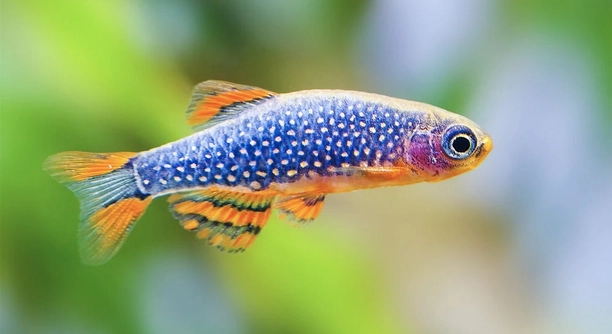
Raising Danio fry can be exciting, especially when watching them grow quickly in a healthy tank. Feeding them properly is key, and there are many ways to introduce new foods while supporting their development and energy needs.
Providing varied feeding options for Danio fry ensures balanced nutrition, stimulates growth, and supports overall health. Incorporating live foods, prepared fry diets, and finely crushed flakes can improve survival rates and promote active, strong, and vibrant fry.
Exploring these feeding variations will help you give your fry the best start in life while keeping their environment clean and balanced.
Live Foods for Danio Fry
Live foods are excellent for Danio fry because they provide essential nutrients and encourage natural hunting behavior. Baby brine shrimp, microworms, and infusoria are common choices that support growth. Introducing live foods early helps fry develop strong digestive systems. Consistency is important; feed small amounts multiple times a day to prevent overfeeding and maintain water quality. Observing your fry while feeding also allows you to notice any weak or slow-growing individuals, giving you a chance to adjust their diet. Live foods can be easily cultured at home or purchased from local fish stores. It’s important to rinse or prepare them properly to avoid introducing harmful bacteria. While live foods are highly nutritious, they should be rotated with other feeding options to provide a balanced diet. Using live foods helps fry develop energy for swimming, exploring, and responding to their environment. Fry fed well from the start tend to grow healthier and more resilient.
Live foods are highly nutritious and help fry develop stronger digestive systems, encouraging natural behaviors while promoting active growth and overall health.
Rotating live foods with other feeding types prevents dietary gaps and ensures fry receive a full range of nutrients. This approach supports long-term growth and vitality.
Crushed Flakes and Prepared Fry Diets
Crushed flakes and prepared fry diets are convenient ways to feed Danio fry. They are easy to measure, reduce water contamination, and can be enriched with vitamins. While not as stimulating as live foods, they provide consistent nutrition and are widely available. Many brands offer formulas specifically designed for fry growth, including protein-rich and fortified options. Gradually crushing adult flakes or using powdered versions ensures fry can consume them easily. Consistent feeding with these diets helps maintain steady growth and prevents gaps in nutrition. Mixing flakes with a little live food can increase acceptance and provide variety. It’s important to avoid overfeeding, as leftover flakes can quickly cloud the water and affect water quality. Observing how the fry respond allows adjustments in portion size and frequency. Combining these prepared diets with live foods ensures a balanced approach. Fry tend to adapt well to this combination and show improved activity and coloration.
Prepared diets provide steady nutrition, reduce water contamination, and are easy to manage for regular feeding schedules.
A balanced approach using crushed flakes, powdered foods, and fortified fry diets supports growth, strengthens immunity, and reduces stress. When paired with occasional live foods, fry develop more evenly and show improved swimming performance. This combination is practical for maintaining healthy tanks and encouraging consistent feeding habits. Over time, fry learn to recognize and accept various food types, which simplifies their care as they grow into adults. Properly prepared and measured feeds prevent overfeeding, protect water quality, and create a controlled feeding routine. The convenience of these diets allows for daily care without compromising nutrition, making them an essential part of raising Danio fry successfully.
Freeze-Dried Foods
Freeze-dried foods are convenient for Danio fry because they store easily and retain nutrients. They provide a protein boost and are simple to portion. Rehydrating them before feeding prevents digestive issues and makes them easier for fry to eat.
Using freeze-dried foods, like baby brine shrimp or daphnia, adds variety without the need for live cultures. These foods can be introduced gradually alongside crushed flakes or prepared fry diets to ensure fry adjust without stress. It’s important to soak them properly in tank water for a few minutes before feeding. Dry particles can float and become difficult to consume, while rehydrated foods mimic natural textures more closely. Consistent use of freeze-dried options supports growth, strengthens immune systems, and gives fry energy to swim and explore. Alternating freeze-dried foods with live and prepared diets helps maintain nutritional balance.
Freeze-dried foods also reduce the risk of introducing pests or bacteria compared to live foods. Their shelf stability makes them reliable for daily feeding. Using them strategically supports fry health, development, and overall activity levels.
Homemade Baby Foods
Homemade baby foods for Danio fry allow complete control over ingredients and freshness. Ingredients like finely mashed vegetables, boiled egg yolk, and blended infusoria provide essential nutrients in a soft, digestible form.
Preparing homemade foods involves finely straining or blending to create particles small enough for fry to consume. This ensures that every bite is digestible and nutrient-dense. Using natural ingredients avoids additives and preservatives found in commercial foods. Consistent preparation and portioning help prevent water fouling while giving fry a variety of tastes and textures. Mixing these foods with small amounts of crushed flakes or rehydrated freeze-dried options balances their diet and promotes steady growth. Rotating homemade foods with live and prepared options encourages healthy feeding habits. Observation is key to adjusting texture and portion size, ensuring fry can eat efficiently. Over time, they adapt to the flavors, helping reduce picky eating as they mature.
Homemade foods encourage natural feeding behavior and provide a fresh, nutrient-rich alternative to commercial options. Regularly rotating these with other feeds ensures balanced nutrition and healthy growth.
Micro Worms
Micro worms are tiny, live foods ideal for newly hatched Danio fry. They are easy to culture at home and provide essential proteins and nutrients necessary for early growth.
These worms stimulate natural hunting behavior and improve digestive development. Feeding small amounts multiple times a day ensures fry get enough without fouling the water.
Infusoria
Infusoria consists of microscopic organisms perfect for the first few days of fry life. They are soft, easy to digest, and highly nutritious. Providing infusoria helps fry transition smoothly from yolk sac nutrition to external feeding. Properly prepared infusoria ensures a clean, safe feeding environment.
Rotating Food Options
Rotating different foods ensures fry receive a variety of nutrients. Alternating between live, freeze-dried, and prepared diets promotes balanced growth, improves immune strength, and encourages active swimming patterns, supporting overall health and development.
Vegetable Matter
Small amounts of finely chopped or mashed vegetables can be added to fry diets. They provide fiber, support digestion, and offer vitamins that complement protein-based foods, contributing to overall well-being and healthy growth.
FAQ
How often should Danio fry be fed?
Danio fry should be fed small amounts several times a day, typically three to five times. Their tiny stomachs cannot hold large meals, so frequent feeding ensures they get enough nutrients without overwhelming their digestive system. Overfeeding can lead to poor water quality, which can harm fry. Monitoring their behavior during feeding helps determine if they are getting enough. Uneaten food should be removed promptly to maintain a clean tank. A steady, consistent schedule supports steady growth and keeps the fry active.
What is the best first food for newly hatched fry?
Infusoria is the most suitable first food because it is microscopic and easy for newly hatched fry to digest. It mimics the natural food they would encounter in the wild, providing essential nutrients for early growth. As fry grow, they can transition to micro worms or baby brine shrimp, which are slightly larger but still manageable. Using infusoria consistently during the first few days increases survival rates and helps fry develop strong digestive systems.
Can I feed adult fish flakes to fry?
Adult flakes are generally too large and dense for very small fry. Crushing the flakes into a fine powder allows fry to consume them safely. Powdered flakes are a convenient source of protein and vitamins. Introducing them gradually alongside live foods ensures fry accept the new texture and gain balanced nutrition. Carefully measuring portions helps prevent leftover particles from clouding the water, keeping the tank clean and fry healthy.
Are freeze-dried foods safe for fry?
Yes, freeze-dried foods are safe if rehydrated before feeding. They provide protein and nutrients without the need for live cultures. Rehydrating prevents digestive stress and makes the food easier to consume. Freeze-dried baby brine shrimp and daphnia are popular options. Using them in rotation with live or prepared diets ensures fry get variety and balanced nutrition. Careful portioning is necessary to avoid excess particles in the tank, which can impact water quality.
How long should I continue feeding live foods?
Live foods are most important during the first two to three weeks, depending on fry growth. They provide high-quality protein and stimulate natural feeding behaviors. As fry grow, prepared diets and crushed flakes can gradually replace some live food portions. Rotating between live, freeze-dried, and prepared options ensures balanced nutrition. Observing fry growth and activity helps determine how much live food is still needed. Even after transitioning, occasional live food boosts health and encourages active swimming.
Can fry survive on a single type of food?
Fry can survive on a single type of food temporarily, but a varied diet is essential for optimal growth and health. Rotating between live foods, powdered flakes, freeze-dried options, and finely prepared homemade foods provides proteins, vitamins, and minerals. Diversity in feeding strengthens immunity and encourages active behavior. Limited diets may cause slower growth, weaker immune systems, or nutritional deficiencies. Monitoring fry and adjusting feeding types ensures a balanced approach that supports long-term vitality.
How do I know if fry are eating enough?
Fry should appear active and swim energetically during and after feeding. They will eagerly chase small particles or live foods. Slow growth, lethargy, or disinterest in food may indicate insufficient feeding or nutritional gaps. Observing the tank after meals ensures leftovers are removed and portions are correct. Adjusting feeding frequency and variety helps fry get enough nutrients without compromising water quality. Keeping a consistent routine helps maintain steady growth and reduces stress for the fry.
Is it okay to mix live and prepared foods?
Yes, mixing live and prepared foods is beneficial. It provides a balance of nutrients and stimulates feeding behavior. Live foods encourage natural hunting instincts, while prepared diets offer consistent protein and vitamins. Rotating or combining them in small amounts helps fry adapt to different textures and ensures they receive comprehensive nutrition. Careful monitoring prevents overfeeding and maintains tank cleanliness. This combination approach supports healthy growth, strong immune systems, and active fry development.
How much vegetable matter can I feed fry?
Vegetable matter should be given in very small amounts, finely chopped or mashed, and mixed with other foods. It provides fiber, vitamins, and minerals that complement protein-based diets. Overfeeding vegetables can spoil the water quickly. Including small portions occasionally ensures fry receive additional nutrients without affecting water quality or growth.
When can fry start eating regular adult fish food?
Fry can gradually transition to adult fish food once they are large enough to handle the size and texture, usually after four to six weeks. Crushing or soaking flakes before offering them helps the fry adjust. Slowly introducing adult food alongside regular fry diets ensures they continue to receive essential nutrients. Observing feeding behavior and growth ensures a smooth transition without compromising health.
Raising Danio fry can be both exciting and demanding, especially when it comes to feeding. Providing the right nutrition during their early days is essential for healthy growth and development. Fry need a variety of foods to get the right balance of proteins, vitamins, and minerals. Live foods like micro worms and baby brine shrimp are excellent for building strength and encouraging natural feeding behavior. Prepared diets and powdered flakes are convenient, easy to manage, and provide consistent nutrients. Freeze-dried foods, when rehydrated, are also a good option to add variety without introducing bacteria. Each type of food has its advantages, and using a combination helps ensure fry get what they need at every stage of development.
Consistency and attention are key when feeding Danio fry. Feeding small amounts several times a day prevents overfeeding and keeps the water clean. Observing the fry during meals helps identify which foods they prefer and if any fry are struggling to eat. Adjusting portions or switching food types as needed can prevent nutritional gaps. Homemade baby foods, finely mashed vegetables, and other natural options can supplement their diet, offering additional vitamins and fiber. Rotating foods not only provides balanced nutrition but also stimulates active swimming and foraging behaviors. Maintaining a clean tank while offering varied meals will help fry grow evenly and avoid common problems like slow growth or weak immune systems.
Patience is essential when raising fry. Growth and development take time, and early nutrition plays a major role in shaping healthy adult fish. By combining live, prepared, freeze-dried, and vegetable-based foods, you give fry a strong foundation for survival and vitality. Monitoring their behavior, adjusting diets when necessary, and keeping their environment clean will make a noticeable difference in their health. Over time, fry will adapt to a range of foods and show strong activity, vibrant coloration, and steady growth. Feeding Danio fry is a small but important responsibility that ensures they thrive and develop into strong, healthy adult fish capable of swimming actively and living comfortably in their tank.

Hello,
If you enjoy the content that we create, please consider saying a "Thank You!" by leaving a tip.
Every little bit helps us continue crafting quality advice that supports the health, happiness, and well-being of pets around the world, for pets of all shapes, sizes, and species.
We really appreciate the kindness and support that you show us!