
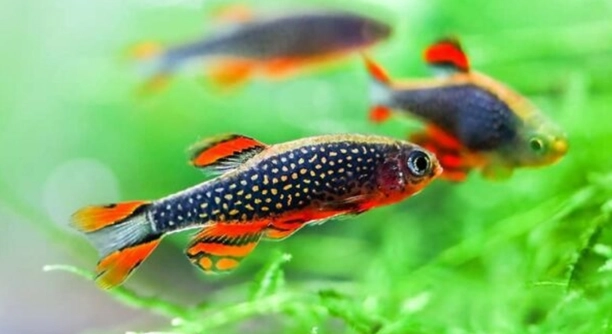
Do you ever find yourself observing your danios and noticing subtle signs of territorial behavior in your aquarium? Understanding their interactions can help you create a more balanced and harmonious aquatic environment for these lively fish.
Enhancing danio territory awareness can be achieved through specific additions to their habitat that provide visual boundaries, hiding spots, and stimulation. These elements reduce aggression, promote natural behaviors, and encourage healthier social interactions within the aquarium.
Implementing these adjustments can transform your tank dynamics, making your danios more comfortable and confident in their environment.
Floating Plants for Natural Boundaries
Floating plants create visual breaks in the aquarium that help danios define their own territories. They reduce stress by providing shaded areas, softening aggressive encounters, and offering a sense of security. Plants like duckweed or water lettuce drift across the water surface, giving fish natural zones to explore or retreat to. By placing floating plants strategically, you can guide danio movement and reduce territorial disputes. These plants also improve water quality by absorbing excess nutrients, which can limit algae growth and maintain a healthier tank environment. In addition to boundaries, they give the aquarium a more natural appearance, supporting fish behaviors that resemble their natural habitats. Danios use these plants for temporary hiding spots or to observe other fish without confrontation. Over time, you may notice more balanced interactions and less chasing, as the floating greenery helps break up open spaces that often trigger competitive behavior among the fish.
Danios respond positively to the shaded and structured environment that floating plants create, reducing stress and encouraging calmer interactions overall.
The visual complexity of floating plants encourages natural exploration. Fish feel more confident and use different levels of the tank. These plants also support microfauna growth, which can provide additional stimulation for the danios. By varying plant density, you can create areas that are more open for swimming and zones where fish can rest or hide, minimizing conflict. Consistent maintenance, like trimming overgrowth, ensures that plants don’t overcrowd the tank. Floating plants act as gentle barriers, allowing danios to establish boundaries without constant confrontation. Over weeks, these additions often result in more harmonious behavior patterns and healthier social dynamics among all fish in the aquarium.
Driftwood for Territory Anchors
Driftwood gives danios fixed points to recognize and claim, reducing overlap and tension in the tank.
Strategically placed pieces of driftwood act as natural territory markers. They create shaded areas and encourage exploration while offering visual and physical barriers between fish. Driftwood can be arranged to form small caves or overhangs, providing hiding spots and resting zones. Danios often swim along or around these structures, using them as reference points for personal space. Beyond behavioral benefits, driftwood releases tannins into the water, slightly lowering pH and softening the environment, which many danios prefer. The combination of structure, shading, and chemical changes promotes calmer, more predictable interactions. Driftwood also supports beneficial bacteria growth on its surface, contributing to a healthier aquarium ecosystem. By observing how fish use each piece, you can adjust placement to improve territory distribution. Over time, this encourages stable social hierarchies and reduces the likelihood of stress-induced health issues, making the tank more enjoyable to watch and maintain.
Rock Formations for Visual Barriers
Rock formations provide clear boundaries that danios use to establish territories. They reduce conflict by offering hiding spots and visual separation. Arranging rocks in clusters or tiers creates zones where fish can retreat or rest safely, supporting calmer tank dynamics.
By placing rocks of different heights and shapes, you can create multiple layers of territory. Danios naturally explore these areas, weaving through gaps and resting behind larger rocks. This encourages exercise while giving shy or less dominant fish spaces to avoid more aggressive tank mates. The formations also add texture and dimension to the tank, making it more visually engaging while supporting natural behaviors. Rocks near the bottom offer stable hiding spots, while elevated structures create lookout points, helping fish feel secure. This variety in terrain ensures each danio has access to both open swimming areas and protected zones, reducing stress and fostering balanced interactions.
Proper arrangement is key. Avoid sharp edges and overcrowding. Leave open swimming spaces to prevent territorial disputes. Over time, fish will learn to respect the zones you’ve created, and the tank will feel more organized and peaceful.
Live Plants for Shelter and Territory
Dense live plants provide shelter that danios use to mark personal space, reducing aggression and stress. Multiple plant clusters allow fish to retreat and explore at their own pace.
Plants like Java fern, Anubias, or Vallisneria grow vertically and horizontally, creating layers of cover. Danios use these areas to hide from dominant fish or to observe surroundings without confrontation. Rooted plants also improve water quality by absorbing excess nutrients, reducing algae growth, and maintaining a stable environment. The presence of live plants encourages natural behavior, such as foraging and schooling, while giving weaker fish safe zones. By alternating dense and open areas, you can manage traffic flow in the tank and minimize conflict. The texture, color, and placement of plants make the tank visually interesting and stimulate fish mentally, keeping them active and healthy.
Over time, live plants establish natural boundaries that danios recognize and respect. Careful trimming and placement maintain accessibility while preventing overcrowding. The variety of plant shapes and sizes ensures that every fish can find a preferred space, encouraging more harmonious interactions. Healthy plants also contribute to overall tank stability, supporting long-term comfort and activity for all inhabitants.
Leaf Litter for Ground-Level Hiding
Leaf litter creates natural hiding spots that danios use to feel secure. Scattered across the substrate, it provides cover for shy fish and reduces conflicts over open areas.
Decomposing leaves also release tannins, slightly softening water and creating a calmer environment. Fish often forage among the leaves, mimicking natural behaviors while staying protected from more dominant tank mates.
Caves and Hollow Decorations
Caves offer defined shelters that danios claim as personal space. They reduce aggression by giving fish safe retreat areas. Properly sized caves prevent overcrowding, support natural behaviors, and encourage fish to explore different areas while respecting each other’s boundaries.
Visual Dividers
Using glass or acrylic dividers creates separate zones within the aquarium. These barriers help danios establish territories while still allowing water flow and visibility, minimizing stress and aggression in the tank.
FAQ
How do I know if my danios are stressed due to territory issues?
Stressed danios often display chasing, nipping, or constant hiding. Fish may lose color or appear lethargic. Observing interactions over time helps identify patterns. If multiple fish are repeatedly being chased or confined to corners, it indicates that territorial boundaries are not well defined. Adjusting decorations, plants, or hiding spots usually reduces stress and balances interactions.
Can too many decorations cause problems for danios?
Yes, overcrowding the tank with decorations can limit swimming space and create new conflict areas. While boundaries are helpful, leaving sufficient open areas for swimming is crucial. Danios are active fish, so a mix of structured zones and open water ensures they can maintain territories without constant stress or aggression.
How often should I rearrange territory-enhancing elements?
Minimal changes are better for stability. Frequent rearrangement can confuse fish and increase stress. Observe how fish use existing boundaries first. Minor adjustments, like moving a plant slightly or adding a small new hiding spot, are fine, but large-scale rearrangements should be avoided to maintain established territories.
Are floating plants better than rooted plants for territory awareness?
Both types serve different purposes. Floating plants create shaded, visual barriers, helping fish feel safe in the mid-to-upper water levels. Rooted plants provide shelter and boundaries at the bottom or mid-levels. Using a combination ensures danios have varied zones for retreat and exploration.
Do driftwood and rocks need special maintenance?
Driftwood should be soaked or boiled before placement to prevent tannin overload. Rocks should be smooth and stable to avoid injury. Cleaning can be done gently without disturbing beneficial bacteria. Proper maintenance ensures the structures remain safe and functional for territory marking.
How do I balance open swimming areas with hiding spots?
The goal is to provide both. Dense plants, rocks, or caves offer retreats, while leaving open water ensures danios can swim freely. Fish will naturally choose spaces according to dominance, temperament, and comfort. Observing behavior helps determine if the balance is correct. Adjustments can be made gradually based on fish responses.
Will territorial behavior decrease as fish settle in?
Yes, as fish recognize boundaries and establish hierarchies, aggression usually decreases. Proper tank layout and defined zones accelerate this process. Fish become more confident and use established areas without constant chasing or stress. Maintaining consistent territory markers supports long-term harmony.
Are there signs that a territory setup is not working?
Signs include persistent chasing, damaged fins, isolated fish, or constant hiding. If these occur, it suggests boundaries are insufficient or poorly arranged. Reassess the tank layout, ensuring adequate hiding spots, visual breaks, and open swimming areas to reduce conflict.
Do all danios use territory-enhancing elements the same way?
No, individual fish have different temperaments. Some are more dominant and claim larger spaces, while others prefer hiding or mid-level zones. Providing multiple types of shelters and visual markers ensures all fish can find a suitable space to reduce stress and encourage natural behavior.
Can these methods improve overall health?
Yes, reduced stress leads to stronger immunity, better appetite, and more vibrant colors. By supporting natural behavior and giving fish confidence in their territories, overall well-being improves. Stress-free fish are less prone to disease and exhibit more active, engaging behavior in the aquarium.
Is it necessary to use all seven methods at once?
Not necessarily. The methods can be combined based on tank size, fish numbers, and available materials. Start with a few key elements, like plants and rocks, and add additional items gradually if needed. Observing fish behavior is the best guide for what works.
How long does it take for danios to adjust to new territory elements?
Adjustment can take days to weeks, depending on the fish and complexity of changes. Initial curiosity or caution is normal. Fish gradually explore and establish personal zones. Patience is important to ensure stress is minimized and natural behaviors develop properly.
Can small tanks still benefit from these additions?
Yes, even in smaller tanks, thoughtful placement of plants, rocks, or small caves can create clear zones. Scale decorations to tank size to prevent overcrowding while still providing opportunities for fish to claim and respect territories.
What if aggression persists despite all adjustments?
Persistent aggression may indicate incompatibility of individuals or overcrowding. Consider reducing fish numbers or separating highly aggressive individuals. Consistent observation and minor adjustments to the environment can help, but some behavioral issues may require separating fish to maintain harmony.
Do these methods work for other active schooling fish?
Yes, the principles apply to other territorial or active species. Providing visual boundaries, shelters, and open swimming areas encourages natural behavior, reduces stress, and promotes balanced social interactions in a variety of aquarium species.
Creating a well-balanced environment for danios requires attention to both their natural behaviors and the layout of their aquarium. By incorporating elements like floating plants, driftwood, rocks, caves, and leaf litter, you provide clear visual and physical boundaries that help each fish feel secure. These additions allow danios to establish personal zones and reduce conflicts, which is especially important in community tanks or smaller setups. Over time, fish will begin to recognize these boundaries and use them to navigate the tank, creating a more harmonious environment for all inhabitants. This careful planning supports not only their social interactions but also overall health, as stress levels drop and fish are able to engage in natural behaviors like schooling, foraging, and exploring.
Maintaining a balance between structured spaces and open swimming areas is critical for active fish like danios. While hiding spots and territory markers are important, the tank must also allow for freedom of movement to prevent feelings of confinement and frustration. Observing how fish respond to decorations, plants, and other additions provides insight into their comfort and preferences. Adjustments can be made gradually, such as adding a new plant cluster, moving a piece of driftwood, or trimming overgrown vegetation. Small, considered changes often have a larger impact than completely rearranging the tank, as stability helps fish feel secure and reduces territorial aggression. Consistency in the setup allows dominant and shy individuals alike to find spaces that suit their behavior, promoting calmer interactions throughout the day.
Long-term care and observation are essential to ensure that territory-enhancing elements continue to benefit your danios. Regular maintenance, such as cleaning rocks and driftwood, trimming plants, and monitoring water conditions, supports both the health of the fish and the effectiveness of the setup. It is also important to recognize that individual fish may have different needs, and some may prefer certain zones over others. By offering a variety of hiding spots, visual breaks, and shaded areas, you cater to the natural tendencies of all inhabitants. When done thoughtfully, these additions not only reduce stress and aggression but also create a more engaging and visually appealing aquarium. Over weeks and months, the benefits become clear as fish appear more confident, active, and comfortable in their environment, demonstrating the value of designing a tank with territorial awareness in mind.

Hello,
If you enjoy the content that we create, please consider saying a "Thank You!" by leaving a tip.
Every little bit helps us continue crafting quality advice that supports the health, happiness, and well-being of pets around the world, for pets of all shapes, sizes, and species.
We really appreciate the kindness and support that you show us!