
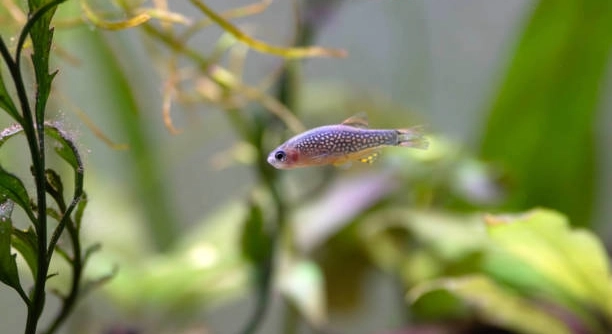
Moving danios to a new tank requires careful preparation to keep them healthy and stress-free. These small, active fish are sensitive to sudden changes in water conditions and environment, making a proper transition essential for their well-being.
Before relocating danios, it is crucial to prepare the new tank with stable water parameters, ensure appropriate filtration, and gradually acclimate the fish. This method reduces stress, prevents disease, and supports long-term health and adjustment to the new environment.
Following these steps will make the move smoother and help your danios thrive in their new home without unnecessary stress or risk.
Preparing the New Tank
Before introducing danios, make sure the new tank is fully cycled. Cycling establishes beneficial bacteria that help break down waste and maintain water quality. Test the water for ammonia, nitrite, and nitrate levels to ensure it is safe. Adjust the temperature to match the current tank, usually around 72-78°F, to prevent shock. Add decorations, plants, and hiding spots to create a comfortable environment. Proper filtration and aeration are essential to keep water clean and oxygenated. Avoid overfeeding initially, as excess food can pollute the water. Make any necessary adjustments to pH, hardness, or temperature a few days in advance. This allows the tank to stabilize, giving the danios a safe and comfortable new habitat. By taking the time to prepare the tank thoroughly, you reduce stress on the fish and minimize the risk of illness. Patience in this step ensures a smoother transition overall.
A stable and properly set up tank gives your danios a safe place to explore and grow healthy.
When the tank is ready, monitor water parameters closely for the first few days. Small adjustments may be necessary, and regular observation ensures the environment stays balanced. Keep the lighting on a consistent schedule and maintain quiet around the tank to reduce stress. Slowly introduce fish to their new surroundings, avoiding sudden changes that can cause shock. A well-prepared tank makes the transition easier, encouraging healthy behavior, proper feeding, and natural swimming patterns. Over time, your danios will adapt to their new space, creating a lively and thriving aquarium. Consistent care and attention during this stage set the foundation for long-term health and enjoyment.
Acclimating Danios to Their New Home
Float the sealed bag in the tank for 15-20 minutes to equalize temperature.
Gradually mix small amounts of tank water into the bag over 30-60 minutes. This helps the fish adjust to differences in pH, hardness, and other water chemistry factors. Avoid pouring bag water directly into the tank, as it may introduce contaminants. Observe the danios during this period, ensuring they swim actively and do not show signs of stress. When they appear comfortable, gently release them into the tank using a net. Watch their behavior closely for the first few hours, confirming they explore the space and interact normally. Keep feeding light for the first day to prevent water contamination. Acclimation is a slow, careful process, but it ensures your danios settle in safely and remain healthy in their new environment. Proper attention at this stage reduces stress, prevents disease, and helps the fish adapt naturally to the new tank.
Monitoring Water Quality
Regularly check ammonia, nitrite, and nitrate levels in the tank. Consistent water testing ensures a safe environment and prevents stress or illness in danios.
Keeping water parameters stable is essential for healthy fish. Frequent testing allows you to catch issues early, adjust filtration, and make partial water changes if needed. Temperature and pH should also be monitored to maintain consistency. Sudden changes can shock the fish and weaken their immune system, making them more susceptible to disease. Using reliable test kits and keeping a log helps track trends and identify potential problems before they escalate. Clear, clean water encourages natural behavior, proper feeding, and healthy growth, making this step vital for long-term success.
Observe your danios daily for signs of distress or unusual behavior. Rapid breathing, clamped fins, or hiding may indicate water issues. Quick action, like adjusting filters or performing partial water changes, can correct problems before they become serious. Maintain a regular cleaning schedule, removing debris and uneaten food to preserve water quality. Over time, consistent monitoring keeps the aquarium balanced, allowing danios to thrive, swim freely, and display their natural colors.
Feeding and Nutrition
Feed small amounts 1-2 times daily, adjusting based on consumption. Overfeeding pollutes the water and stresses the fish.
Provide a varied diet including flakes, pellets, and occasional live or frozen foods. High-quality nutrition supports growth, vibrant colors, and overall health. Observe feeding habits to ensure all danios eat and adjust portions accordingly. Proper nutrition helps prevent disease, strengthens the immune system, and encourages natural activity.
Introduce new foods gradually to avoid digestive upset. Rotate diet types to provide a balance of proteins, vitamins, and minerals. Fresh or frozen options like brine shrimp or daphnia supplement flakes and pellets, enhancing variety. Feeding routines should align with tank conditions, avoiding leftover food that can decay and harm water quality. Monitoring behavior and appetite ensures your danios are receiving sufficient nutrition, helping them stay energetic and healthy in their new environment.
Observing Behavior
Watch how your danios interact in the new tank. Normal swimming, exploring, and schooling indicate comfort.
Signs of stress include hiding, clamped fins, or erratic swimming. Early detection allows for quick adjustments in water quality, temperature, or tank setup to help them settle safely.
Maintaining Cleanliness
Perform regular partial water changes to remove waste and debris. Cleaning helps prevent algae buildup and maintains a healthy environment for your fish.
Quarantine New Additions
New fish should be quarantined before adding to the main tank. This prevents introducing diseases and ensures the health of your existing danios.
FAQ
How long should danios acclimate before being fully introduced to a new tank?
Danios should be gradually acclimated over 30 to 60 minutes. Start by floating the sealed bag in the tank for 15-20 minutes to equalize temperature. Slowly add small amounts of tank water into the bag every 5-10 minutes. This step helps the fish adjust to differences in pH, hardness, and temperature, reducing stress and preventing shock. After acclimation, gently release the danios using a net and avoid adding the bag water directly to the tank to maintain water quality. Careful acclimation improves survival and promotes natural behavior in the new environment.
What is the ideal water temperature for danios?
Danios thrive in water temperatures between 72°F and 78°F. Maintaining a consistent temperature is essential, as sudden fluctuations can cause stress and make them more prone to disease. Use a reliable aquarium heater and thermometer to monitor temperature daily. Minor variations can be tolerated, but abrupt changes, even a few degrees, can shock the fish. If the tank is placed near windows or drafts, check temperatures frequently to ensure stability. Keeping a steady temperature encourages active swimming, proper feeding, and overall health, making the fish more comfortable in their new surroundings.
How often should I feed danios in a new tank?
Feed small amounts once or twice daily, adjusting based on what the fish can consume in a few minutes. Overfeeding is a common mistake and can pollute the water, leading to poor water quality and health issues. Include a mix of high-quality flakes, pellets, and occasional frozen or live foods like brine shrimp or daphnia. Introduce new foods gradually to prevent digestive upset. Monitoring their eating habits ensures all fish receive proper nutrition and prevents leftover food from decomposing in the tank. A consistent feeding schedule supports growth, vibrant colors, and overall energy.
What are signs of stress in danios after moving to a new tank?
Stress can show as clamped fins, erratic swimming, hiding, or loss of appetite. Fish may also become less active or display unusual aggression. Stress often results from poor water quality, sudden environmental changes, or incompatible tank mates. Observing these behaviors early allows quick corrective action, like checking water parameters, adjusting temperature, or providing more hiding spots. Reducing stress is essential to prevent illness and encourage natural activity. Creating a calm environment with stable water, regular feeding, and minimal disturbances helps your danios adapt quickly and remain healthy.
How do I prevent disease when moving danios to a new tank?
Quarantine new fish for at least two weeks before introducing them to the main tank. This prevents the spread of illness and allows observation of any signs of infection. Maintain clean water, monitor temperature, and avoid overfeeding. Proper acclimation reduces stress, which also lowers the risk of disease. Avoid introducing water from unknown sources and sanitize nets or equipment used in multiple tanks. By following these precautions, your danios are less likely to develop illness, helping them settle safely and thrive in their new environment.
Can danios live with other fish during the move?
Danios are generally peaceful but active swimmers, so they can coexist with similarly sized, non-aggressive species. Avoid slow-moving or delicate fish that may be stressed by danios’ speed. Maintain adequate space and hiding areas to reduce competition. Observing interactions ensures no bullying occurs. Mixing compatible species can enrich the tank environment and promote natural schooling behavior, but always monitor closely after introducing new fish. Adjust tank size and layout as needed to accommodate all inhabitants comfortably, ensuring everyone has space to swim, hide, and feed without conflict.
How long should I wait before adding decorations or rearranging the new tank?
Set up all decorations, plants, and hiding spots before introducing danios. Avoid rearranging immediately after the move, as this can cause stress. Fish need time to explore and adapt to their new environment. Wait at least a few days before making minor adjustments to avoid confusing the fish. A consistent layout helps them establish territories and reduces hiding due to fear. Proper placement of plants and decor provides security and promotes natural behavior, such as schooling and exploration. Stability in the tank setup supports long-term health and reduces the risk of stress-related issues.
Is it necessary to monitor water parameters daily after moving danios?
Yes, daily monitoring is important for at least the first week. Check ammonia, nitrite, nitrate, pH, and temperature to ensure stable conditions. Early detection of any changes allows for timely corrections, preventing stress or disease. Use reliable test kits and keep records to track trends over time. Gradual adjustments are preferable to sudden changes, as abrupt shifts can shock danios. Consistent monitoring helps maintain a healthy environment and ensures the fish adapt successfully to their new home, encouraging proper feeding, swimming patterns, and overall wellbeing.
How do I know if the acclimation process was successful?
Successful acclimation is indicated by normal swimming, active schooling, and regular feeding behavior. Fish should explore the tank, interact naturally, and display vibrant colors. Lack of hiding, clamped fins, or erratic swimming suggests they have adjusted well. Continue to observe water parameters and feeding habits to confirm ongoing comfort. Gradual adaptation reduces stress and helps the danios remain healthy, ensuring they thrive in their new tank. Over time, their activity levels and interactions with other fish will demonstrate that the transition was smooth and that the environment is suitable for long-term wellbeing.
Final Thoughts
Moving danios to a new tank can feel like a big task, but careful planning and patience make the process much easier. The most important steps include preparing the new tank, acclimating the fish slowly, and monitoring their health and behavior. A well-prepared tank with stable water parameters, proper filtration, and plenty of hiding spaces gives the fish a comfortable environment to explore and adjust. Gradual acclimation reduces stress and helps them adapt to changes in temperature, pH, and water chemistry. Observing the fish during and after the move ensures they settle in safely and remain active and healthy. Even small details, like consistent lighting schedules and avoiding sudden changes, can have a positive impact on their well-being.
Proper nutrition is another essential factor in keeping danios healthy after a move. Offering a varied diet of flakes, pellets, and occasional live or frozen foods provides the vitamins and proteins they need to thrive. Feeding small amounts once or twice a day prevents overfeeding, which can lead to water pollution and stress. Monitoring their eating habits ensures all fish receive enough food and allows you to identify any issues early. Healthy feeding routines combined with clean water help maintain vibrant colors, strong immune systems, and natural behavior. By paying attention to both the environment and the diet, you give your danios the best chance to settle into their new home comfortably and safely.
Consistency and regular maintenance are key to long-term success with danios. Checking water parameters, performing partial water changes, and observing behavior should be part of a routine to prevent potential problems. Keeping decorations, plants, and hiding spots stable helps fish feel secure, while quarantining new additions protects the main tank from disease. Stress reduction through a calm environment, stable conditions, and careful acclimation allows the fish to remain active and display natural schooling behavior. Moving danios may seem challenging, but following these steps ensures a smooth transition and supports their long-term health and happiness in a new tank. With attention to detail, patience, and consistent care, your aquarium will thrive, and your danios will flourish in their new surroundings.

Hello,
If you enjoy the content that we create, please consider saying a "Thank You!" by leaving a tip.
Every little bit helps us continue crafting quality advice that supports the health, happiness, and well-being of pets around the world, for pets of all shapes, sizes, and species.
We really appreciate the kindness and support that you show us!