
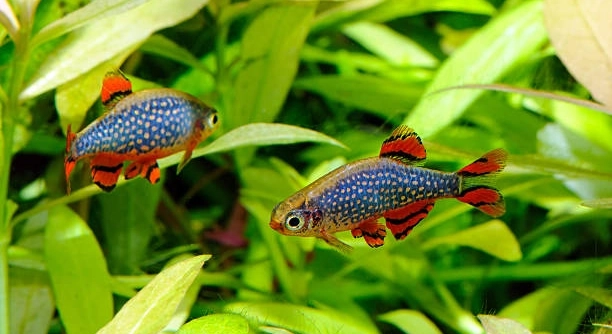
Adding new danios to your aquarium can bring life and color to your tank. Watching them settle in and interact with existing fish is both exciting and important for maintaining a balanced environment.
After introducing new danios, it is essential to monitor water quality, observe social behavior, check for signs of stress or illness, maintain a consistent feeding routine, and ensure adequate space to prevent aggression and support overall health.
These key steps will help you support your new fish and create a harmonious environment for your entire aquarium.
Monitor Water Quality Closely
When you add new danios, the water conditions in your tank can change quickly. Ammonia and nitrite levels may rise, even in a well-established tank. Testing the water daily for the first week helps ensure it stays within safe ranges. Temperature and pH should also be consistent to avoid stressing the fish. I usually keep a small test kit near the tank and log results to notice even minor fluctuations. Using a sponge filter or increasing aeration can help keep the environment stable. Sudden changes can weaken your danios’ immune systems, making them more prone to illness. It’s easy to underestimate how sensitive these fish can be to shifts in water quality. Even slight changes can affect their appetite, behavior, and coloration. Keeping a close eye during this period makes a significant difference in helping the new danios adjust comfortably without disturbing the existing fish.
Maintaining stable water parameters ensures that danios stay healthy and adapt quickly to their new environment, reducing stress and potential disease outbreaks.
A good routine includes small, frequent water changes and observing each fish daily. Watching for changes in swimming, breathing, or appearance gives early warnings of issues. Adjusting feeding and filtration as needed keeps the tank balanced.
Watch Social Behavior
Danios are active and social, but introducing new fish can shift existing hierarchies.
Pay attention to interactions between old and new danios. Aggression can occur, especially if the tank is crowded. Keep notes on chasing, nipping, or hiding. Separate fish temporarily if fights escalate to prevent injury. Introducing the new fish gradually or using a divider can reduce tension. Observing their group swimming patterns helps identify dominant individuals. Creating hiding spots with plants or decorations provides safe spaces for more timid fish. Adjusting the number of new danios to match the existing group’s size helps maintain harmony. Stress from bullying can lead to decreased appetite or illness, so early intervention is important. Over time, most danios establish a social balance, but it requires patience and vigilance during the first few days. Using gentle handling and consistent care reassures both new and existing fish, making the tank a calmer place for everyone.
Check for Signs of Stress
New danios may hide or dart nervously at first. Watch for clamped fins, faded colors, or rapid gill movement.
Stress can weaken their immune system and make them prone to illness. It often occurs when the tank environment changes suddenly or when social tensions arise. Keeping lighting consistent, maintaining proper temperature, and avoiding sudden movements around the tank help reduce stress. I like to observe my danios during feeding, noting which ones seem hesitant or isolated. Adding extra plants or decorations gives them places to retreat, helping them feel safer. Sometimes, small adjustments like lowering water flow or spacing out feeding spots make a noticeable difference. Stress signs can also be subtle, such as staying at the bottom of the tank or not joining group swimming. Early detection allows you to intervene before stress affects their health significantly. Over time, most danios adapt, but consistent monitoring is necessary to keep them comfortable and secure in their new environment.
Watching behavior during different times of the day can reveal patterns. Some danios are more active in the morning, while others may hide after lights go on.
Observing interactions between new and existing fish helps spot early problems. Subtle signs, like one fish avoiding another, can indicate tension. I note these behaviors daily, making adjustments if needed. Temporary isolation, rearranging decorations, or slowing feeding can reduce stress and prevent escalation. Small changes often have a big effect on tank harmony.
Maintain a Consistent Feeding Routine
Danios need regular, balanced meals to stay healthy. Feed them small amounts multiple times a day.
Inconsistent feeding can cause aggression or stress. Offering the same type and amount at regular intervals keeps fish calm and predictable. I prefer using a mix of high-quality flakes, micro pellets, and occasional live or frozen foods. Watching their feeding response shows which fish are thriving and which may need extra attention. Overfeeding can quickly pollute the tank, so I remove uneaten food after a few minutes. Maintaining routine helps new danios settle while keeping established fish content. Gradually adjusting feeding quantity as they grow ensures proper nutrition. This approach supports their energy levels and overall health, making social interactions smoother and reducing competition. Feeding consistently also makes monitoring appetite changes easier, which can be an early indicator of stress or illness.
Provide Adequate Space
Crowded tanks increase stress and aggression among danios. Make sure your aquarium has enough room for all fish to swim freely.
Spacing out decorations and plants prevents territorial disputes. Open swimming areas combined with hiding spots create a balanced environment, helping both new and existing danios feel comfortable and secure.
Observe Swimming Patterns
Danios are active swimmers, and irregular movement can signal health issues. Watch for lethargy, erratic swimming, or staying near the surface or bottom.
Sudden changes in swimming behavior often indicate stress, illness, or poor water quality. Keeping a daily watch allows early intervention, ensuring all fish remain healthy and safe.
Keep an Eye on Growth
Monitor how your new danios are growing compared to existing fish. Uneven growth can suggest nutritional or environmental problems.
Slower growth may indicate insufficient food, poor water conditions, or underlying health issues. Regular observation helps detect problems early. Adjust feeding routines and water care to support proper development and maintain a balanced, healthy tank environment.
Adjust Lighting as Needed
Lighting impacts fish behavior and stress levels. Avoid sudden changes and maintain a consistent day-night cycle for your danios.
How soon should I introduce new danios to my main tank?
New danios should be introduced gradually. I usually quarantine them in a separate tank for at least two weeks before adding them to the main aquarium. This helps prevent the spread of diseases and allows you to monitor their behavior and health. During this period, I check for any signs of illness like white spots, clamped fins, or unusual swimming. Quarantine also gives the new fish time to adjust to water conditions similar to your main tank. Slowly acclimating them to temperature and pH changes reduces stress. Once they show normal activity and feeding behavior, they are usually ready for integration.
What signs indicate that new danios are stressed?
Stress in danios can appear in several ways. I notice clamped fins, faded colors, rapid gill movement, or hiding more than usual. Sometimes they stop eating or swim erratically. Stress can also appear as aggression between fish. Providing hiding spots, keeping a consistent water temperature, and avoiding sudden disturbances usually helps reduce stress. Observing them during feeding and at different times of the day makes it easier to spot subtle changes in behavior. Early detection allows small adjustments that prevent bigger health problems.
How often should I test water after adding new fish?
Daily testing is ideal for the first week after adding new danios. I measure ammonia, nitrite, nitrate, and pH levels. Any sudden spike can harm the fish. After the first week, I usually test every few days until the tank stabilizes. Maintaining consistent water parameters reduces stress and supports healthy adaptation. Adding new fish can increase biological load, so small, frequent water changes help keep everything balanced. Observing fish behavior alongside water testing gives a better picture of their health and comfort.
Can new danios get along with existing fish immediately?
Not always. Danios are social but can be aggressive when establishing hierarchy. I watch for chasing, nipping, or hiding, especially during the first few days. Providing enough space and hiding spots helps reduce tension. Gradually introducing new fish or using a temporary divider can make social integration smoother. Most fish settle into a routine, but early observation is key to preventing injuries. Avoid overcrowding, as it increases stress and aggression. Over time, most danios form a stable social group when environmental and social needs are met.
What should I feed new danios during their first week?
Small, frequent meals work best. I provide a mix of high-quality flakes, micro pellets, and occasionally frozen foods. Watching how each fish responds helps identify shy eaters or weaker individuals. Overfeeding can pollute the tank, so I remove uneaten food promptly. Maintaining a consistent feeding schedule reduces stress and promotes healthy growth. Gradually, I adjust the amount as they adapt to the tank and interact with existing fish. Feeding patterns also help monitor appetite, which is an early indicator of stress or illness.
How can I prevent disease when adding new fish?
Quarantining new danios is the most effective step. I observe them for at least two weeks before introducing them. Keeping the main tank clean and testing water regularly also helps. I avoid using equipment between tanks without proper cleaning or sterilization. Feeding high-quality food and maintaining stable water parameters supports the immune system. Early detection of unusual behavior or physical changes allows prompt treatment. A little patience and careful observation reduce the risk of spreading illness to existing fish.
How do I know if my tank is overcrowded?
Signs of overcrowding include increased aggression, hiding, reduced swimming space, and poor water quality. I count fish relative to tank size, typically allowing one inch of fish per gallon of water. Overcrowding stresses all inhabitants and makes disease more likely. Rearranging decorations or adding more space can alleviate tension. Maintaining a proper balance ensures healthier, happier danios and reduces long-term issues.
What should I do if aggression persists?
If aggression continues, I may separate the new or existing fish temporarily. Adding plants, decorations, or visual barriers gives shy fish a place to retreat. I also check the number of fish and tank size. Gradual reintroduction often resolves conflicts. Persistent aggression usually decreases as hierarchies stabilize and fish adapt to their environment.
How long does it take for new danios to fully adjust?
Adjustment usually takes one to two weeks, depending on tank conditions and fish temperament. Observing their behavior daily helps track progress. During this period, stable water, consistent feeding, and careful monitoring of social interactions ensure a smoother transition. Most fish gradually display normal swimming, feeding, and social behavior once they feel safe in their new environment.
Can lighting affect my new danios’ behavior?
Yes, lighting influences activity and stress levels. Sudden changes can startle them. I maintain a consistent day-night cycle and avoid bright, direct lights. Proper lighting encourages normal swimming and feeding behavior, supporting their health and reducing anxiety in the tank.
Introducing new danios to an established aquarium requires patience and careful observation. The first few days are critical, as the fish adjust to their new surroundings and to each other. Monitoring water quality, checking for stress, and maintaining a consistent feeding routine are all essential steps during this period. Even small changes in temperature, pH, or ammonia levels can affect the fish’s health, so frequent testing and small water adjustments help prevent problems. I usually keep a daily log of water parameters and behavior, which makes it easier to spot issues early. These small efforts can make a big difference in helping new danios settle comfortably.
Behavioral observation is just as important as maintaining water conditions. Danios are active and social, but introducing new fish can temporarily disrupt existing hierarchies. Watching interactions between the new and established fish helps identify aggression, hiding, or avoidance. Providing adequate space, decorations, and hiding spots allows timid fish to feel secure while letting dominant fish establish their territory. Feeding consistently and in small amounts reduces competition and stress during this adjustment period. Over time, most danios form a stable social group, but it requires patience and attention in the first few weeks. Early intervention when problems arise prevents injuries and supports a healthier environment for all the fish.
Creating a calm and consistent environment benefits both new and existing danios. Maintaining stable lighting, keeping a regular feeding schedule, and providing open swimming areas alongside safe hiding spots encourages natural behavior and reduces stress. Quarantining new fish before introduction further protects the entire tank from disease. Regularly observing swimming patterns, appetite, and color helps detect potential health issues early, making it easier to act promptly. By combining careful monitoring, consistent routines, and small adjustments when needed, you can help your new danios adapt successfully while maintaining a balanced and harmonious aquarium. Over time, these practices contribute to stronger, healthier fish and a more enjoyable and peaceful tank environment.

Hello,
If you enjoy the content that we create, please consider saying a "Thank You!" by leaving a tip.
Every little bit helps us continue crafting quality advice that supports the health, happiness, and well-being of pets around the world, for pets of all shapes, sizes, and species.
We really appreciate the kindness and support that you show us!