
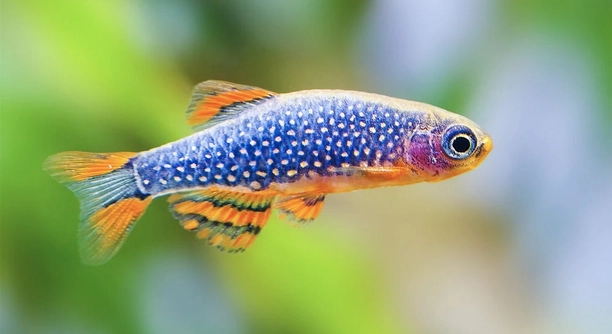
Introducing new Danios to a tank can be exciting, but rushing the process may harm both the newcomers and the existing fish. Proper preparation helps maintain a healthy environment and ensures a smoother transition for all inhabitants.
Before adding new Danios, it is essential to address seven key changes in the aquarium. These adjustments include water quality, temperature consistency, tank space, filtration efficiency, hiding spots, compatible tank mates, and feeding routines to minimize stress and prevent health issues.
Making these changes beforehand creates a stable and safe habitat for your fish. Implementing each step carefully will help your Danios thrive in their new environment.
Check Water Quality and Parameters
Maintaining stable water conditions is crucial before introducing new Danios. Test the water for pH, ammonia, nitrite, and nitrate levels to ensure they are within the safe range. Danios prefer slightly alkaline water with a pH around 6.5 to 7.5. Temperature consistency is equally important; sudden fluctuations can stress the fish and lower immunity. Conduct partial water changes if levels are off and consider using a water conditioner to remove harmful chemicals. Filtration should be running efficiently, as clean water reduces the risk of disease and creates a more natural environment. Regular monitoring over several days helps confirm that conditions remain stable. Observing the behavior of existing fish can provide insights into water quality. If they appear stressed or lethargic, it may indicate the need for further adjustments. Preparing the water properly ensures that new Danios acclimate easily and remain healthy.
Stable water conditions set the foundation for a thriving tank. This step prevents avoidable health issues and stress.
Preparing the tank by checking pH, temperature, and chemical levels ensures the environment supports new fish. Danios adjust better to stable water, reducing aggression and illness. Observing current fish reactions helps identify hidden problems, and running a reliable filter keeps water clean. Using conditioners and adjusting parameters gradually prevents sudden shocks. This careful preparation creates a smooth introduction process.
Provide Adequate Space and Hiding Spots
New Danios need sufficient swimming space and shelter. Overcrowding can lead to aggression and stress.
Ensure your tank is spacious enough for the total number of fish, allowing them to swim freely. Add plants, rocks, or décor to create hiding spots, which give timid Danios a sense of security and reduce territorial disputes.
Proper spacing and hiding areas support natural behaviors and reduce stress. Fish feel safer, and aggression among tank mates decreases. A well-organized layout encourages activity while giving each Danio a chance to rest when needed. Strategically placing shelters also allows you to observe interactions and identify potential conflicts early. Combining open swimming areas with secluded spots creates a balanced habitat, helping new Danios integrate smoothly. Adjusting tank layout before introducing newcomers avoids sudden disruptions and fosters a peaceful environment, supporting both existing and new fish.
Adjust Feeding Routines
Feeding should be consistent and balanced. Overfeeding can foul water, while underfeeding may stress both new and existing Danios.
Gradually adjust feeding schedules to match the needs of all fish. Provide small portions two to three times daily, ensuring food is consumed within a few minutes. Remove uneaten food promptly to prevent decay and maintain water quality. Offering a mix of high-quality flakes, pellets, and occasional live or frozen food promotes overall health. Consistent feeding supports digestion, reduces aggression caused by competition, and allows new Danios to acclimate without sudden dietary changes. Monitoring how fish respond helps fine-tune portion sizes and frequency.
Introducing new Danios works best when feeding routines are stable. Proper nutrition supports immunity, encourages activity, and reduces stress-related behaviors. Adjusting slowly prevents sudden changes that could unsettle the tank environment. Observing how both old and new fish adapt ensures harmony.
Review Tank Mates
Compatibility is key for a peaceful tank. Aggressive or territorial fish can intimidate new Danios and disrupt social balance.
Assess your current fish to identify species that may cause stress or compete for food. Danios are generally active and social, so they do best with other calm, mid-sized species. Remove or temporarily separate any aggressive fish during the acclimation period. Observing interactions over several days helps detect signs of bullying, such as chasing or fin-nipping. Ensuring compatible tank mates reduces stress and improves survival rates.
Introducing new Danios requires careful observation. Even subtle tension can affect health and behavior. Gradually integrating newcomers, using barriers or quarantine tanks if necessary, allows the fish to adjust. A harmonious mix encourages activity, feeding, and exploration, while minimizing stress. Reviewing the tank’s social dynamics ensures all fish coexist peacefully, promoting long-term stability and reducing the risk of injury or illness.
Quarantine New Danios
Separating new Danios before introducing them prevents the spread of disease. A two-week quarantine period is recommended for observation.
During quarantine, monitor fish for signs of illness such as spots, lethargy, or abnormal swimming. Treat any issues before adding them to the main tank.
Maintain Proper Filtration
Efficient filtration keeps the water clean and oxygenated. Check filters for clogs and ensure they match tank size. Regular maintenance prevents waste buildup, stabilizes water parameters, and supports fish health.
Stabilize Water Temperature
Sudden temperature changes stress fish and lower immunity. Keep water consistently within the preferred 22–26°C range for Danios. Avoid placing the tank near drafts, heaters, or direct sunlight. Stable temperature encourages normal behavior and supports a smooth adjustment period.
Observe Behavior Closely
Watch both new and existing fish after introduction. Early signs of stress or aggression help prevent injuries and maintain harmony in the tank.
FAQ
How long should I quarantine new Danios?
Quarantining new Danios for at least two weeks is ideal. This period allows you to observe for signs of illness, parasites, or stress without risking the health of your established fish. Monitor swimming patterns, appetite, and appearance closely during this time.
Can Danios live with other fish species?
Yes, but compatibility matters. Danios are active, social fish that do best with peaceful, similarly sized species. Avoid aggressive or overly territorial fish, as they can chase or injure Danios. Proper tank mates reduce stress and encourage natural schooling behavior.
What is the ideal tank size for multiple Danios?
A minimum of 20 gallons is recommended for a small group. Larger tanks provide more swimming space and reduce aggression. Adequate space allows Danios to school comfortably, explore hiding spots, and maintain healthy social dynamics.
How often should I feed Danios?
Feed small portions two to three times daily. Ensure food is consumed within a few minutes to prevent water contamination. Mix high-quality flakes, pellets, and occasional live or frozen food for balanced nutrition. Avoid overfeeding, which can lead to waste buildup and water quality issues.
How do I introduce new Danios to the main tank?
Gradually acclimate them by floating the bag or using a drip method to equalize water temperature and chemistry. Introduce them slowly over an hour or more to reduce shock and stress. Observing interactions during the first 24–48 hours is important for maintaining harmony.
What signs indicate stress in Danios?
Signs include clamped fins, rapid breathing, lethargy, hiding excessively, or fin-nipping. Stress can result from poor water quality, sudden changes, aggressive tank mates, or overcrowding. Early intervention, such as adjusting tank conditions, helps prevent illness and ensures a smoother transition for new fish.
Do Danios need hiding spots?
Yes, plants, rocks, and décor provide shelter and security. Hiding spots help timid Danios feel safe and reduce stress. Balanced tank layouts with open swimming areas and secluded spaces promote healthy behavior and minimize aggression among fish.
Can I add Danios to an established tank without adjustments?
It’s not recommended. Sudden introductions without preparation can lead to stress, disease, or conflicts. Ensure water parameters are stable, compatible tank mates are present, and hiding spots are available before adding newcomers. Proper preparation increases survival and integration success.
How do I prevent disease when adding new Danios?
Quarantine is the most effective step. Maintain clean water, stable parameters, and avoid overcrowding. Observe for unusual behavior or appearance, and treat any illness promptly. Regular maintenance and careful monitoring reduce the risk of spreading infections.
What is the best way to monitor water quality?
Test pH, ammonia, nitrite, and nitrate levels regularly. Observe fish behavior as an indicator of water health. Partial water changes and filter maintenance keep conditions stable. Consistent monitoring prevents stress, illness, and poor adaptation for new Danios.
How long does it take for Danios to settle in?
Danios usually adjust within a week to two, depending on tank conditions and existing fish behavior. Providing stable water, adequate space, hiding spots, and compatible companions supports faster acclimation and reduces stress. Observing them during this period helps detect issues early.
Are Danios schooling fish?
Yes, they thrive in groups of at least five or six. Schooling promotes natural behavior, reduces stress, and encourages activity. Smaller numbers may lead to anxiety or aggression. Grouping Danios appropriately enhances tank dynamics and overall health.
Can temperature fluctuations harm Danios?
Yes, sudden changes can stress them, weaken immunity, and trigger disease. Keep water consistently within 22–26°C. Avoid placing the tank near heaters, drafts, or direct sunlight. Stable temperature supports normal behavior and smooth acclimation for new Danios.
What is the best diet for Danios?
High-quality flakes or pellets form the base, supplemented with live or frozen food. Variety supports growth, color, and overall health. Balanced nutrition strengthens immunity, prevents aggression caused by hunger, and helps new fish adapt to the tank environment.
How do I reduce aggression after adding new Danios?
Ensure adequate space, hiding spots, and compatible tank mates. Introduce new fish gradually and monitor interactions. Avoid overcrowding, maintain water quality, and follow consistent feeding schedules. These measures lower stress and encourage peaceful integration.
What if a Danio refuses to eat?
Refusal may indicate stress, illness, or dietary changes. Ensure water parameters are stable, hiding spots are available, and feeding routines are consistent. Offer small portions of preferred food and observe behavior. Most Danios adjust within a few days once stressors are minimized.
How often should I change the water after adding new Danios?
Partial changes of 10–20% weekly help maintain clean water and stable conditions. Avoid drastic changes that may shock the fish. Regular water maintenance supports health, reduces stress, and ensures proper acclimation for newcomers.
Can Danios live in a planted tank?
Yes, plants provide hiding spots and improve water quality. Live plants contribute to oxygenation and natural filtration, creating a balanced habitat. Arranging plants strategically encourages natural behavior and gives timid fish security.
How do I know if my tank is overcrowded?
Signs include aggressive behavior, constant chasing, or fish hiding excessively. Stock according to tank size and species needs. Adequate space reduces stress, promotes health, and helps new Danios integrate smoothly without conflict.
Are water conditioners necessary for new Danios?
Yes, conditioners remove chlorine, chloramine, and heavy metals, making tap water safe. They reduce stress, prevent health issues, and support smooth acclimation. Using conditioners is a simple but effective step before introducing new fish.
How can I tell if my Danios are healthy after introduction?
Healthy Danios are active, swim in groups, eat regularly, and display vibrant colors. Watch for consistent behavior, alertness, and no signs of illness. Early detection of problems ensures timely intervention and long-term wellbeing.
Do I need to rearrange decorations when adding new Danios?
Sometimes. Rearranging plants or décor can create new territories and reduce aggression. It helps both existing and new fish adjust, providing hiding spots and open areas for swimming. Strategic layout adjustments improve tank harmony and reduce stress.
Can Danios live with shrimp or snails?
Yes, generally. Peaceful shrimp and snails coexist well, but monitor for predation or harassment. Providing hiding spaces for smaller species ensures safety while maintaining a balanced and interesting tank ecosystem.
Is it okay to introduce multiple Danios at once?
Introducing several at once can reduce stress compared to adding a single fish. They support each other and establish a new school dynamic. Ensure adequate space, hiding spots, and stable water conditions for smoother integration.
How long should I observe the tank after adding new Danios?
Close observation for the first week is critical. Watch interactions, feeding behavior, and signs of stress or illness. Adjustments may be necessary to maintain peace and health during this initial period.
What is the most important step before adding Danios?
Stabilizing water parameters and quarantining new fish are the top priorities. Proper preparation, compatible tank mates, and monitoring ensure a safe, healthy environment for both existing and new Danios.
Final Thoughts
Adding new Danios to your aquarium requires careful preparation and attention to detail. Rushing the process can lead to stress, disease, and conflicts among fish. By taking the time to check water quality, adjust feeding routines, and create hiding spots, you create a safe and comfortable environment. Stable water parameters, including pH, temperature, and chemical levels, are crucial for the health of both existing and new fish. Quarantining new Danios before introducing them to the main tank helps prevent the spread of illness and allows you to observe behavior. Small adjustments, such as ensuring proper filtration and spacing, may seem minor but have a significant impact on the tank’s overall harmony. Observing fish during this period provides insights into social dynamics, stress levels, and compatibility, allowing you to make necessary changes before problems escalate. Preparing the tank carefully reduces the risk of stress-related behaviors, promotes healthy interactions, and ensures that all Danios can thrive together.
Maintaining a consistent feeding schedule and monitoring water quality are key to long-term success. Overfeeding can quickly degrade water conditions, while underfeeding may cause stress and aggression. Providing a varied diet of high-quality flakes, pellets, and occasional live or frozen food supports growth, coloration, and overall health. Adequate hiding spots help timid fish feel secure and reduce tension among tank mates. Observing fish behavior after introducing new Danios allows you to identify and address potential conflicts early. Filtration should be efficient and regularly maintained to remove waste, stabilize water parameters, and ensure oxygen levels remain sufficient. Temperature stability is equally important, as sudden fluctuations can weaken immunity and trigger disease. Paying attention to these factors creates a more natural and comfortable environment for your Danios. A well-prepared tank encourages schooling, exploration, and healthy interactions, helping fish adjust quickly to the new addition without unnecessary stress.
Careful planning and observation make the introduction of new Danios a smooth process. Each step, from quarantining to adjusting tank layout, plays a role in minimizing stress and maintaining harmony. Compatibility with existing fish and providing enough space for swimming and hiding are essential considerations. Gradual acclimation and monitoring over the first days allow you to detect subtle signs of stress or aggression and respond promptly. Consistent water testing and maintenance help keep conditions stable, ensuring that both new and established fish remain healthy. When these measures are in place, your Danios can thrive in a balanced, peaceful aquarium. Taking the time to follow each step shows respect for the well-being of your fish and promotes a more enjoyable and rewarding aquarium experience. By investing in preparation and care, you increase the chances that your Danios will live healthy, active lives, exhibiting natural behavior and vibrant colors that enhance the tank’s overall appeal.

Hello,
If you enjoy the content that we create, please consider saying a "Thank You!" by leaving a tip.
Every little bit helps us continue crafting quality advice that supports the health, happiness, and well-being of pets around the world, for pets of all shapes, sizes, and species.
We really appreciate the kindness and support that you show us!