
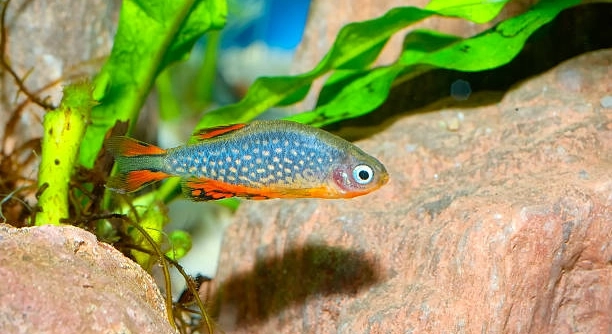
Keeping a nano tank healthy for danios can be challenging yet rewarding. Small aquariums require careful planning, from water quality to plant selection. Even minor mistakes can affect your fish, making their environment less comfortable.
Maintaining a danio-friendly nano tank involves providing adequate space, stable water parameters, proper filtration, compatible tank mates, gentle feeding routines, and appropriate decor. Regular monitoring ensures their health, reduces stress, and encourages natural behaviors in confined aquatic environments.
Following simple practices will help your danios thrive. Each adjustment creates a safer and more enjoyable space for your small aquatic community.
Choosing the Right Tank Size
A small tank can easily become stressful for danios if not properly managed. For a nano setup, a minimum of 10 gallons is recommended to give them enough swimming space. Overcrowding can lead to aggression, stunted growth, and poor water quality. It is important to consider the number of fish you plan to keep and their adult size. Adding too many danios to a tiny tank increases the risk of ammonia spikes and oxygen depletion, which directly impacts their health. Regular water testing is essential to catch problems early. Incorporating live plants can help stabilize the environment, offering hiding spots and reducing nitrate levels. Gentle filtration prevents strong currents that might exhaust these small fish. Even small changes, like adjusting the tank layout or rearranging decor, can make a noticeable difference in their activity levels. A well-planned nano tank can support a thriving, healthy school of danios over time.
Careful planning reduces stress and ensures your danios have sufficient space to swim and explore comfortably.
Monitoring water quality, spacing, and filtration consistently allows danios to remain active and maintain their vibrant appearance in a small tank.
Maintaining Stable Water Conditions
Regular testing of temperature, pH, and hardness keeps the tank suitable for danios. Sudden fluctuations can lead to illness or lethargy. Maintaining a steady temperature around 72–78°F is ideal. Water changes of 20–30% weekly remove waste and keep nitrate levels low. Avoid using strong chemicals or cleaning agents that can harm delicate fish. Adding live plants can buffer minor changes in water parameters while providing oxygenation. Filtration should be gentle but efficient to prevent debris accumulation. Observing the fish daily helps detect early signs of stress or disease. Even minor shifts in behavior can indicate water issues or improper conditions. Keeping the substrate clean and avoiding overfeeding further reduces waste buildup, contributing to a healthier environment. By monitoring these factors carefully, danios can thrive in a nano tank without frequent complications. Maintaining stable water conditions ensures your fish remain active, colorful, and less prone to disease over time.
Small adjustments like partial water changes, careful feeding, and consistent temperature checks keep the tank stable.
Consistency in water management, combined with proper filtration and plant support, creates a balanced environment that allows danios to grow naturally and display their full energy.
Selecting Compatible Tank Mates
Danios are active and social, so choosing calm, similarly sized fish helps maintain harmony. Avoid aggressive or much larger species that may intimidate or stress them. Peaceful community fish like small tetras or rasboras work well in a nano tank with danios.
Adding compatible tank mates enhances the dynamics of a small aquarium. Fast swimmers like danios can coexist with other non-aggressive species if the tank is not overcrowded. Avoid species that nip fins or compete excessively for food, as this increases stress levels. Observing interactions after introducing new fish ensures they settle in without conflict. Proper planning prevents unnecessary fights and helps all inhabitants thrive.
Even with compatible species, careful monitoring is necessary. Watch for signs of bullying, hiding, or reduced appetite, which may indicate stress. Adjust feeding routines, rearrange decor, or separate aggressive individuals if needed. Maintaining balance supports healthy behaviors, encourages natural schooling patterns, and reduces overall stress in the tank, making it a pleasant environment for all fish.
Providing Proper Diet and Feeding
Danios require a balanced diet of flakes, pellets, and occasional live or frozen foods. Overfeeding can quickly pollute a small tank, so portion control is essential. Feeding small amounts twice a day keeps them healthy and active.
A varied diet ensures danios receive necessary nutrients for growth, energy, and vibrant coloration. Supplementing their staple food with occasional brine shrimp, daphnia, or bloodworms encourages natural hunting behaviors and prevents dietary deficiencies. Avoid uneaten food lingering in the tank, as it decomposes and raises ammonia levels, threatening water quality. By observing their appetite, you can adjust portions to prevent overfeeding while still providing adequate nutrition. Maintaining a consistent feeding routine supports metabolism and overall well-being.
Supplemental foods also help maintain strong immune systems, reducing susceptibility to common illnesses. Providing occasional plant-based treats or spirulina flakes promotes digestive health and adds variety. Consistency in feeding schedules, combined with quality food, ensures danios remain energetic and healthy. Monitoring fish behavior during feeding allows you to detect issues early, ensuring all tank inhabitants receive adequate nutrition without compromising water quality.
Providing Adequate Hiding Spots
Danios need places to retreat, especially in a nano tank. Plants, rocks, and small caves offer shelter, reduce stress, and encourage natural behaviors like exploring and schooling.
Dense planting also breaks lines of sight, limiting aggression and giving timid fish confidence. Hiding spots contribute to a balanced and peaceful environment.
Regular Tank Maintenance
Consistent maintenance is key to a healthy nano tank. Partial water changes, filter cleaning, and debris removal prevent toxic buildup and ensure water clarity. Testing water parameters regularly allows quick adjustments to temperature, pH, and nitrate levels. A clean tank supports overall fish health, encourages active behavior, and prevents stress-related illnesses. Even small neglect in maintenance can lead to water quality issues that quickly affect danios in confined spaces. By staying consistent, your tank remains stable, and fish maintain their vibrant appearance and natural activity levels without interruption.
Monitoring Fish Behavior
Observing your danios daily helps detect early signs of stress, illness, or aggression. Immediate attention prevents minor issues from escalating.
FAQ
How many danios can I keep in a nano tank?
A 10-gallon nano tank can comfortably house around 4 to 6 adult danios. Overcrowding can quickly lead to stress, aggression, and poor water quality. It is better to keep fewer fish and maintain water stability than to add too many and risk health problems.
What is the ideal temperature for danios?
Danios thrive in water between 72–78°F. Consistent temperature is more important than hitting a perfect number. Sudden fluctuations can stress them, making them more susceptible to disease. Using a reliable heater and thermometer ensures the tank remains stable.
Can I keep danios with other fish?
Yes, but compatibility is key. Avoid large or aggressive species. Small, peaceful fish like rasboras or certain tetras work well. Observe their interactions after introducing new tank mates to prevent bullying or stress, and provide hiding spots to ease tension.
What should I feed my danios?
A varied diet is essential. Flakes and pellets form the main diet, while occasional live or frozen foods like brine shrimp or daphnia supplement nutrients. Feed small amounts twice daily, removing uneaten food to prevent water pollution and maintain tank health.
How often should I change the water?
Partial water changes of 20–30% weekly are recommended. This removes waste, reduces nitrate buildup, and keeps water quality high. Regular testing of pH, ammonia, and nitrites helps monitor conditions. Skipping water changes can quickly affect a small tank, stressing the fish.
Do danios need plants in the tank?
Yes, plants provide shelter, reduce stress, and help maintain water quality. Live plants also produce oxygen and absorb nitrates, benefiting fish health. Even a few well-placed plants or floating vegetation can make a noticeable difference in their behavior and comfort.
How do I prevent disease in a nano tank?
Stable water conditions and a balanced diet are the first line of defense. Avoid overstocking and maintain consistent cleaning routines. Quarantining new fish before introducing them to the main tank helps prevent the spread of illness. Watch for unusual behavior or changes in appearance.
Can danios live alone?
Danios are schooling fish and do best in groups. Keeping a single danio may lead to stress, inactivity, and poor health. A minimum of four is recommended so they can interact naturally and display normal behaviors like schooling and exploring together.
What kind of filter is suitable for a nano tank?
A gentle sponge or small internal filter works best. Danios prefer moderate water flow; strong currents can exhaust them. The filter should remove debris effectively without disturbing plants or causing stress. Regular maintenance ensures it functions efficiently.
How do I know if my danios are happy?
Active swimming, bright coloration, and healthy appetite are signs of a happy tank. They should explore their environment, interact with other fish, and rest without hiding excessively. Changes in behavior or appearance can indicate stress or poor water quality, requiring prompt attention.
Is overfeeding dangerous for danios?
Yes, overfeeding leads to excess waste, poor water quality, and health issues like bloating or digestive problems. Small, controlled portions twice a day, combined with monitoring leftover food, prevent these problems and support overall tank stability.
How can I reduce stress in my nano tank?
Provide hiding spots, maintain stable water conditions, and keep compatible tank mates. Avoid sudden changes, loud noises, or rapid movements near the tank. Observing fish daily allows quick intervention if stress signs appear. Proper environment and routine care make a significant difference in their well-being.
Do danios need a lot of swimming space?
Yes, even in a nano tank, they need room to swim actively. Open areas without obstructions encourage natural behavior and prevent aggression or lethargy. Balancing plants, decorations, and open swimming zones is essential for their physical and mental health.
Can I use tap water for my nano tank?
Tap water is usable if properly treated to remove chlorine, chloramines, and heavy metals. Using water conditioners ensures safety for sensitive fish like danios. Letting treated water sit for a few hours before adding it can also help stabilize temperature and oxygen levels.
How often should I clean the tank decorations?
Decorations should be cleaned during routine water changes as needed. Avoid harsh chemicals; a soft brush and tank water are enough to remove algae or debris. Maintaining clean decor prevents buildup that could affect water quality and fish health.
What is the best substrate for a danio nano tank?
Smooth gravel or sand works best. It allows for easy cleaning and prevents injury. Avoid sharp or rough substrates that could damage their delicate fins. Substrate choice also influences plant growth and overall tank aesthetics.
Can danios jump out of the tank?
Yes, danios are active jumpers. A secure lid is essential to prevent escape and injury. Ensure the lid fits properly and covers any openings. Even small gaps can allow fish to jump, especially during feeding or when startled.
Do danios need light in the tank?
Moderate lighting supports plant growth and natural behavior. A regular day-night cycle helps regulate activity and reduces stress. Avoid overly bright or constant light, which can cause algae buildup and disturb fish routines. Timers are useful for consistent lighting schedules.
How do I acclimate new danios?
Float the sealed bag in the tank for 15–20 minutes to equalize temperature. Slowly mix tank water into the bag over 30–60 minutes before release. This gradual adjustment reduces shock and helps the fish adapt to water chemistry differences, promoting survival and comfort.
Can I keep danios in a planted tank only?
Yes, but ensure there is still open swimming space. Dense planting provides hiding spots and improves water quality, but too many plants can restrict movement. Balance open areas with vegetation to support natural behavior and active swimming habits.
What signs indicate poor water quality?
Cloudy water, algae overgrowth, unusual fish behavior, or sudden illness are key indicators. Regular testing of ammonia, nitrites, and nitrates helps detect issues early. Maintaining proper filtration, water changes, and feeding routines prevents water-related problems and keeps danios healthy.
How long do danios typically live?
With proper care, danios can live 3–5 years in a well-maintained nano tank. Consistent water quality, balanced diet, and low-stress environment contribute to longevity and a vibrant, active life. Early intervention in health issues further supports a longer lifespan.
Can I breed danios in a nano tank?
Breeding is possible but challenging in small tanks due to limited space and water quality management. A separate breeding tank is recommended. Providing flat surfaces or plants for egg-laying, controlled feeding, and frequent water changes increases the chance of successful breeding.
What common mistakes should I avoid with danios?
Overcrowding, inconsistent water maintenance, overfeeding, and pairing with aggressive species are common errors. Avoid sudden temperature changes and strong currents. Observing behavior, testing water, and keeping a balanced environment prevent these issues and promote healthy, active fish.
Are danios sensitive to water pH changes?
Yes, danios prefer slightly neutral to slightly alkaline water (pH 6.8–7.5). Rapid changes can stress them, making them prone to disease. Gradual adjustments and regular testing ensure stable conditions in a nano tank, maintaining their health and vitality.
How often should I check my nano tank?
Daily observation of fish behavior, feeding, and tank appearance is important. Weekly testing of water parameters ensures stability. Regular checks allow early detection of problems, making maintenance manageable and preventing stress or illness among the danios.
Can I use artificial plants instead of live ones?
Yes, artificial plants provide hiding spots but do not improve water quality or oxygen levels. Combine with other tank features to maintain balance. Smooth, non-toxic materials are best to avoid damaging fins or causing stress.
Do danios need a current in the tank?
A gentle current mimics their natural habitat and encourages activity. Strong currents can exhaust them, while no flow may reduce oxygenation. Adjust filter output or use gentle circulation devices to create a moderate, safe current that supports health.
How do I introduce new fish to a danio tank?
Acclimate them gradually with temperature and water chemistry adjustments. Place in a separate section or quarantine first. Observe interactions carefully to prevent aggression. Slow integration reduces stress and ensures a smooth transition into the established environment.
Can danios live with shrimp or snails?
Yes, peaceful invertebrates like small snails or shrimp usually coexist well. Ensure hiding spots and adequate space. Avoid species that may compete for food aggressively or harass the danios. Balanced placement supports harmony in a nano tank.
What should I do if my danios appear lethargic?
Check water parameters immediately. Poor quality, incorrect temperature, or stress from tank mates can cause lethargy. Adjust conditions, ensure proper feeding, and monitor closely. Early intervention prevents further health decline and restores normal activity levels.
Is it necessary to cycle a nano tank before adding danios?
Yes, a fully cycled tank establishes beneficial bacteria, removing harmful ammonia and nitrites. Skipping this step risks rapid health decline. Cycling ensures a stable environment for danios, allowing them to thrive from the start.
How do I reduce algae growth in a nano tank?
Limit excess light, avoid overfeeding, and maintain regular water changes. Live plants compete with algae for nutrients, reducing its growth. Cleaning decorations and substrate helps control buildup without harming fish. Proper balance prevents algae from overwhelming the tank.
Can danios tolerate slightly cooler water?
Yes, they are hardy and tolerate minor fluctuations. Consistent extremes should be avoided, as prolonged exposure to cold can weaken their immune system. Moderate temperature adjustments allow flexibility without compromising health or activity.
What is the best way to rearrange a tank without stressing danios?
Move decorations slowly and avoid disturbing plants excessively. Partial water removal during rearrangement helps minimize stress. Keep hiding spots accessible and maintain open swimming areas to reduce agitation. Monitoring fish behavior afterward ensures they adjust well.
Do danios require aeration?
Moderate aeration supports oxygen levels, especially in densely planted tanks or during hot weather. Gentle air stones or filter flow can improve circulation without causing excessive disturbance to swimming patterns.
How do I prevent fin damage in a nano tank?
Use smooth substrate, avoid sharp decorations, and select compatible tank mates. Overcrowding and strong currents can also harm fins. Regular observation ensures early detection of damage and allows corrective action.
What is the best schedule for feeding danios?
Twice daily with small portions works best. Observing leftovers prevents overfeeding. Supplement occasionally with live or frozen foods to maintain nutrition. Maintaining a consistent routine supports metabolism and reduces stress in a confined nano tank environment.
How do I handle a sick danio?
Quarantine immediately in a separate tank. Identify symptoms, test water quality, and treat with appropriate medication. Maintain clean water and monitor recovery closely. Prompt attention improves survival chances and prevents disease spread.
Can danios recognize their caretakers?
Yes, they respond to movement and feeding routines. They may swim actively near the tank when you approach, indicating recognition and expectation of food. Consistent care strengthens their confidence and comfort in the tank.
What should I do if my danios stop schooling?
Check for illness, stress, or water issues. Schooling behavior reflects comfort and security. Adjust tank conditions, reduce stressors, and ensure enough swimming space to encourage natural social behavior.
Are danios compatible with bettas?
Not ideal. Bettas can be aggressive or territorial, especially in small tanks. Conflicts often arise in a confined nano tank. It is better to pair danios with peaceful species of similar size and temperament to avoid stress and injuries.
How can I encourage natural behavior in danios?
Provide open swimming areas, hiding spots, and a varied diet. Introduce gentle currents and maintain stable water conditions. Observing their schooling and exploring behaviors indicates a balanced environment, supporting both mental and physical health.
What lighting schedule is best for a nano tank?
8–10 hours of moderate light per day supports plant growth and simulates natural day-night cycles. Avoid prolonged lighting to prevent algae overgrowth. Using a timer ensures consistency and reduces stress for the fish.
Can danios survive in a bare-bottom tank?
Yes, they can, but plants or hiding spots are recommended for reducing stress. Bare-bottom tanks make cleaning easier but may feel exposed to the fish, so providing some cover is beneficial.
What is the recommended pH range for danios?
Slightly neutral to slightly alkaline, 6.8–7.5. Keeping pH stable is more important than hitting a perfect number. Gradual adjustments prevent stress and support overall health in a nano tank.
How often should I inspect my filter?
Weekly inspections ensure proper function and prevent clogging. Clean as needed using tank water to preserve beneficial bacteria. A well-maintained filter maintains water quality and reduces the risk of stress-related illnesses.
Can danios live in soft water?
Yes, they tolerate soft water, but extremes should be avoided. Balanced water chemistry is more important than absolute softness. Maintaining stable parameters prevents stress and supports normal growth and activity.
Do danios need a lot of vertical space?
They primarily swim horizontally, but some vertical space is helpful for exploring and jumping. A tank with sufficient height accommodates plants and decorations, enhancing overall environmental complexity.
How do I prevent aggression among danios?
Maintain groups of at least four, provide hiding spots, and avoid overcrowding. Ensure compatible tank mates and monitor behavior. Stable water and gentle currents reduce stress and aggression.
Is it necessary to feed at the same time every day?
Consistent feeding times create a routine that reduces stress. Fish learn to anticipate food, supporting healthy behavior and minimizing overeating or competition in a small tank.
How can I tell if my danios are stressed?
Signs include hiding, clamped fins, erratic swimming, or loss of appetite. Early detection allows adjustments to water, diet, or tank mates, preventing long-term health problems.
What is the ideal schooling number for danios?
At least four to six fish encourages natural social behavior. Smaller groups may show stress or inactivity, while overly large groups can overcrowd a nano tank. Balance is key for healthy interaction.
Can danios tolerate slightly salty water?
Minimal salt can be used for treatment or prevention of certain diseases, but long-term exposure is not recommended. Maintaining freshwater conditions is best for overall health and normal behavior.
How do I acclimate danios after transport?
Float the bag in the tank to match temperature. Gradually mix tank water over 30–60 minutes before release. This reduces shock and allows safe adjustment to water parameters.
What should I do if my tank develops excessive algae?
Reduce light exposure, maintain consistent water changes, control feeding, and introduce live plants. Manually removing algae from surfaces prevents spread. Maintaining balance in nutrients and lighting prevents recurrence.
Are danios sensitive to loud noises?
Yes, sudden loud noises can startle them. Keep the tank in a quiet area and avoid frequent tapping or vibrations. Stable surroundings support calm behavior and reduce stress.
Can I keep danios in a heated aquarium year-round?
Yes, as long as temperature remains stable within their preferred range. Avoid sudden fluctuations and monitor for overheating during hot months. A reliable heater with a thermostat ensures consistent conditions.
How do I prevent danios from jumping during maintenance?
Always cover the tank during cleaning. Move slowly and avoid sudden movements near the water. Providing open swimming space and avoiding stress helps minimize jumping attempts.
Is it necessary to quarantine new fish?
Yes, quarantining prevents disease introduction. Observe for illness and acclimate to water conditions. A separate tank reduces risk to established inhabitants and maintains a healthy environment.
Can danios live in a tank with fluctuating temperatures?
They tolerate minor changes but prolonged or extreme fluctuations cause stress. Maintaining steady temperature is essential for immune function, activity, and overall health. Use a heater or cooling system if necessary.
How do I know if my filter flow is too strong?
Danios struggling to swim, hiding, or staying at the bottom indicate excessive current. Adjust the filter, add a baffle, or redirect flow to create a gentler environment.
What is the best way to remove uneaten food?
Use a siphon or net to remove leftovers promptly. Avoid letting food decay, which increases ammonia and nitrate levels. Regular observation after feeding ensures a clean and healthy environment.
Can danios live with goldfish?
No, goldfish produce much more waste and grow larger. Their different temperature and care requirements make them incompatible with danios in a nano tank. Peaceful, small species are a better choice.
How often should I observe my fish?
Daily checks are essential to monitor behavior, appetite, and overall health. Early detection of stress, illness, or aggression allows quick intervention and prevents complications in a small tank environment.
Are danios sensitive to light changes?
Sudden changes can stress them. Maintain a consistent day-night cycle with moderate lighting. Timers help ensure regular exposure and minimize stress while supporting plant growth.
What should I do if a danio is injured?
Separate the injured fish in a quarantine tank. Monitor closely, maintain clean water, and provide any necessary treatment. Quick action reduces infection risk and improves recovery chances.
Can danios tolerate tap water additives?
Yes, conditioners that remove chlorine and heavy metals are safe. Avoid harsh chemicals. Treat water before adding to the tank to prevent stress or injury.
How do I prevent overcrowding in a nano tank?
Limit the number of fish according to tank size. Consider adult sizes, avoid overstocking, and monitor water quality. Proper planning maintains balance and reduces stress or disease risks.
What is the ideal ammonia level for danios?
Ammonia should be 0 ppm. Even small amounts are toxic and can stress fish. Regular testing and partial water changes prevent dangerous buildup.
Can danios adapt to new environments easily?
Yes, with gradual acclimation. Slow introduction to water temperature and chemistry minimizes stress. Observing their behavior ensures successful adaptation to a new tank.
How do I clean a nano tank without stressing danios?
Partial water changes and gentle cleaning during feeding times reduce stress. Avoid sudden movements, loud noises, or complete tank overhauls. Keeping some hiding spots during maintenance helps fish feel secure.
Can danios live in a filtered but unheated tank?
Yes, if room temperature remains within their tolerance range. Monitor seasonal changes carefully. Sudden drops can cause stress, so supplemental heating may be necessary in cooler conditions.
Are danios prone to diseases in small tanks?
Yes, poor water quality, overcrowding, and inconsistent care increase susceptibility. Maintaining clean water, proper feeding, and stable conditions reduces risk and supports immune health.
**How can
Final Thoughts
Maintaining a danio-friendly nano tank requires consistent attention and careful planning. Even small tanks can support a thriving group of danios if the environment is balanced. Paying attention to tank size, water quality, and suitable tank mates is essential. Overcrowding or neglecting water maintenance can quickly create stress for these active fish. By keeping the tank clean, performing regular water changes, and monitoring parameters such as temperature, pH, and nitrates, you can prevent common problems before they affect the fish. Using a reliable filter and ensuring gentle water flow also help maintain a stable environment. Simple adjustments like adding live plants, creating hiding spots, and arranging decor thoughtfully provide both physical and mental stimulation for the fish. These steps contribute to their overall well-being, allowing danios to display natural behavior like schooling, exploring, and active swimming.
Feeding routines play a significant role in keeping a nano tank healthy. Danios require a balanced diet that combines staple foods such as flakes or pellets with occasional live or frozen foods like brine shrimp or daphnia. Feeding small amounts twice daily prevents uneaten food from polluting the water. Overfeeding can quickly lead to excess waste and spikes in ammonia or nitrate levels, which harm water quality. Observing the fish during feeding also helps detect early signs of stress or illness. Offering a varied diet supports their energy levels, promotes vibrant coloration, and helps maintain strong immune systems. Consistency in both diet and routine care establishes a sense of stability in the tank, reducing stress and supporting long-term health. Even minor changes, such as adjusting the amount of food or rotating live plants, can have a noticeable effect on the comfort and activity levels of the fish.
Observation and attentiveness are key to successful nano tank management. Daily checks of behavior, appetite, and appearance allow you to spot potential issues before they escalate. Signs such as lethargy, hiding, clamped fins, or erratic swimming can indicate stress, disease, or water quality problems. Addressing these concerns promptly, whether through partial water changes, adjusting tank mates, or modifying feeding practices, helps maintain a balanced ecosystem. Creating a stable environment, combining appropriate space, water parameters, diet, and decor, ensures that danios can thrive in a small tank. Careful planning and routine monitoring allow the fish to remain active, healthy, and vibrant. Maintaining a nano tank with danios requires dedication, but the rewards of observing their natural behavior and enjoying a lively, balanced aquarium make the effort worthwhile. Consistency, patience, and attention to detail are the foundation of a successful and harmonious danio habitat.

Hello,
If you enjoy the content that we create, please consider saying a "Thank You!" by leaving a tip.
Every little bit helps us continue crafting quality advice that supports the health, happiness, and well-being of pets around the world, for pets of all shapes, sizes, and species.
We really appreciate the kindness and support that you show us!