
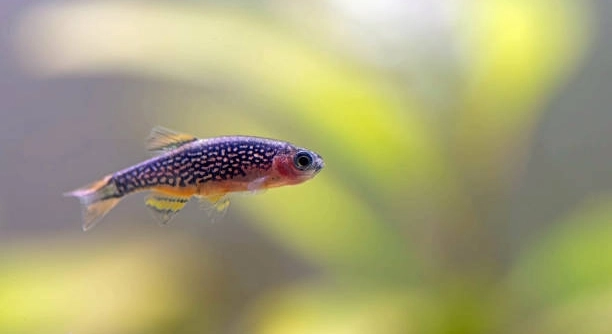
Are you interested in breeding Danios but unsure where to start with setups that actually produce results? Many hobbyists face challenges finding the right environment for these lively fish. Understanding the basics can make the process easier.
Successful Danio breeding depends on replicating natural conditions that encourage spawning. Providing proper tank size, clean water, appropriate temperature, and hiding spaces for eggs ensures higher survival rates and healthier fry development. Structured setups consistently yield reliable results.
Following these guidelines will help you create the right environment for your Danios to thrive. Small adjustments can make a significant difference in breeding success.
Simple Breeding Tank Setup
A basic breeding tank for Danios does not need to be complicated. A 10-gallon tank is enough for a small pair or trio. Fill it with clean, dechlorinated water and maintain a stable temperature between 72 and 78°F. Add a fine-leaved plant or a spawning mop to give eggs a place to attach. Keep the lighting soft to reduce stress. Use a sponge filter to ensure gentle water circulation without sucking up eggs or fry. Regular water changes of 10–15 percent every few days help maintain water quality. Condition the adults with high-protein foods like brine shrimp or bloodworms for several days before introducing them to the breeding tank. Avoid overcrowding, as too many fish can lead to aggression and lower egg survival. Monitor the tank closely during the spawning period. Remove adults after eggs are laid to prevent them from eating the eggs, ensuring higher fry survival rates.
Starting simple allows you to focus on observing natural behaviors and adjusting conditions for better results.
Keeping conditions consistent and minimal stress on the fish often leads to more reliable egg-laying.
Partitioned Tank Setup
A partitioned tank separates males and females until ready to breed.
Using a divider in a tank allows selective introduction of males to females when conditions are optimal. This method reduces stress and prevents premature spawning. Adults can be conditioned on high-quality foods, improving egg quantity and quality. Spawning mops or plants on the female side encourage egg-laying once the divider is removed. After fertilization, removing adults and maintaining gentle filtration improves survival. Temperature and water parameters must remain stable. Frequent observation ensures eggs are developing properly. This setup is particularly useful for multiple breeding pairs in one larger tank. It allows you to rotate fish without disrupting ongoing spawning. The divider also helps reduce aggression between males, which is common in confined spaces. Using this method increases control over timing and increases the likelihood of collecting viable eggs. Overall, partitioned setups combine simplicity with effective management for reliable Danio breeding.
Heated Breeding Tank
Maintaining a stable, slightly warmer temperature can encourage Danios to spawn more readily. Aim for 76–78°F. Gentle heating avoids shocking the fish while helping eggs develop faster.
A heated tank speeds up metabolism and increases activity, which often leads to spawning. Use a reliable heater and monitor the temperature daily. Keep water clean and well-oxygenated to prevent stress. Pairing males and females after a week of conditioning at the warmer temperature improves chances of successful breeding. Soft, natural lighting and plants for egg attachment remain important in this setup. Avoid sudden temperature changes, as they can reduce spawning activity.
Regular observation is crucial in a heated tank. Look for signs of pairing behavior and egg-laying sites. Remove adults after spawning to protect eggs. Adjust water flow and monitor filter output to ensure fry safety. Maintaining consistency in temperature and water quality will support healthy fry development and increase overall breeding success.
Community Tank Breeding
Some Danios will spawn in a well-maintained community tank under the right conditions. Ensure there is enough space and hiding spots for eggs.
Mature, healthy Danios in a community tank can breed if the environment is suitable. Provide plants or spawning mops to protect eggs from other fish. High-quality, protein-rich food encourages reproductive readiness. Watch for aggressive behavior and separate fish if necessary to prevent injury. Regular water changes and stable parameters are essential to avoid stress. Timing is important, as Danios often spawn in the morning. Removing eggs carefully improves survival rates. This method works best with calm, compatible tankmates that do not disturb eggs or fry.
Using a community tank requires balancing multiple species while still supporting breeding. Adequate cover, proper nutrition, and careful monitoring of water conditions allow successful spawning without creating a specialized breeding tank. Removing adults after eggs are laid is still recommended to improve fry survival. Patience and attention to daily behavior help ensure the best results in a mixed-species environment.
Pair-Only Tank
Keeping only one male and one female together can simplify breeding. It reduces stress and competition, making egg-laying more consistent.
This setup allows close observation of spawning behavior. Providing a plant or spawning mop ensures eggs are protected. Conditioning both fish with high-protein foods increases reproductive success. Adults should be removed after spawning to prevent egg predation.
Shallow Water Setup
A shallow tank encourages Danios to spawn naturally. Eggs remain accessible and are less likely to be disturbed by water flow.
Floating Plant Cover
Floating plants offer surface area for eggs and reduce light intensity, lowering stress. This creates a more natural environment for spawning.
Gravel-Free Tank
Using a tank without gravel makes egg collection easier and reduces the risk of eggs being hidden or eaten by adults.
What is the best water temperature for breeding Danios?
Danios breed most successfully in slightly warmer water, around 76–78°F. Maintaining a stable temperature is essential, as sudden fluctuations can reduce spawning activity. Using a reliable heater and checking it daily ensures consistency, while regular water changes maintain optimal water quality for both adults and eggs.
How do I prepare Danios for breeding?
Conditioning adults is crucial. Feed high-protein foods like live or frozen brine shrimp, daphnia, or bloodworms for about a week before introducing them to the breeding tank. Healthy, well-fed fish are more likely to engage in spawning behavior. Keep males and females separated during conditioning to avoid early, uncontrolled spawning.
When should I introduce males and females to the breeding tank?
Introduce the male to the female after they have been conditioned and the tank environment is stable. Early morning often triggers spawning, as Danios are more active during this time. Using a small partition can help monitor interactions before allowing full contact, reducing stress and aggression.
What type of tank setup works best for eggs?
A tank with plants, spawning mops, or floating cover protects eggs and keeps them off the substrate. Shallow tanks and gentle filtration reduce water movement that could disturb eggs. Removing adults immediately after spawning prevents them from eating eggs, increasing survival rates.
How long does it take for Danio eggs to hatch?
Danio eggs typically hatch within 24–48 hours, depending on water temperature. Warmer temperatures speed up development, while cooler water slows it. Eggs should be observed daily to ensure they remain healthy and free from fungus. Removing any unfertilized or dead eggs helps prevent contamination.
How do I care for the fry after hatching?
Fry require tiny, high-protein foods such as infusoria or newly hatched brine shrimp. Keep water clean with gentle filtration, and perform small, frequent water changes to maintain quality. Avoid overfeeding, as leftover food can pollute the water and harm delicate fry.
Can Danios spawn in a community tank?
Yes, they can, but it requires careful planning. Provide plenty of hiding spaces and plants for eggs. Observe tankmates to ensure they do not eat eggs or fry. Stable water parameters and minimal stress are critical for successful breeding in a community environment.
Do Danios require special lighting to breed?
Natural or soft lighting works best. Bright or harsh lights can stress fish and reduce spawning activity. Maintaining a consistent light cycle of roughly 10–12 hours per day helps regulate behavior and encourages natural spawning patterns.
How can I prevent fungus on Danio eggs?
Fungus can be prevented by keeping water clean and removing dead eggs promptly. Some breeders use antifungal treatments specifically designed for fish eggs, but maintaining optimal water quality and gentle water flow is usually sufficient. Proper separation from adults also reduces egg damage.
What is the ideal male-to-female ratio for breeding?
A ratio of one male to one or two females works well for small tanks. Larger setups can have more males, but overcrowding may increase stress and aggression. Observing behavior allows adjustment of ratios to ensure successful and safe spawning.
How often can Danios breed?
Healthy adults can spawn multiple times, often every week or two, if water conditions and diet remain optimal. Overbreeding can stress fish, so it’s important to allow recovery periods between spawning sessions to maintain their health and vitality.
What signs indicate that spawning has occurred?
Spawning behavior includes chasing, circling, and nudging by males toward females. Eggs are usually visible attached to plants or spawning mops. Once adults are removed, eggs should appear clear or slightly golden, indicating fertilization. Monitoring these signs helps ensure proper care for developing fry.
How do I know the eggs are fertilized?
Fertilized eggs are typically clear or slightly golden with small embryos visible inside. Unfertilized eggs often turn white and opaque within a day. Removing unfertilized eggs prevents fungus from spreading to healthy eggs and increases overall survival rates.
Can Danios spawn without a heater?
Yes, they can spawn without a heater in stable room temperatures, but it may take longer. A consistent temperature helps regulate their metabolism and increases spawning frequency, making a heater beneficial for more predictable results.
How long until fry are free-swimming?
Fry become free-swimming within 3–5 days after hatching. During this time, they absorb their yolk sac and require minimal intervention. Once free-swimming, they need very fine foods and careful attention to water quality to thrive and grow into healthy juveniles.
What is the best way to feed newly hatched fry?
Feed infusoria or freshly hatched brine shrimp several times a day in small amounts. Avoid overfeeding to prevent water pollution. Gradually transition to larger foods as fry grow, maintaining high-protein nutrition to support healthy development.
Are there any risks in using floating plants for breeding?
Floating plants are generally beneficial but can overcrowd the tank if dense. Ensure adequate surface space for eggs and maintain clean water. Floating plants reduce light intensity and provide shelter, which helps fry survival and reduces stress on adults.
How long should adults stay in the breeding tank?
Adults should be removed immediately after spawning to protect eggs. Leaving them in the tank increases the risk of predation and reduces the number of viable fry. Careful timing ensures higher survival and healthier offspring.
Can I reuse eggs that were left in a tank with adults?
It’s not recommended. Adults often eat or damage eggs, and contamination from leftover waste can lead to fungus or poor fry survival. Always separate eggs or remove adults promptly to maintain a controlled breeding environment.
How do I handle overcrowding once fry grow?
Once fry grow, move them to larger tanks or separate tanks to prevent stunted growth. Overcrowding stresses young fish and reduces survival rates. Monitor tank density and provide plenty of space, clean water, and adequate nutrition to ensure healthy development.
Breeding Danios can feel challenging at first, but creating the right environment makes a noticeable difference. Simple adjustments to tank conditions, such as stable temperature, clean water, and proper lighting, help encourage natural spawning behavior. Using plants, spawning mops, or floating covers provides safe spaces for eggs, while removing adults after spawning ensures higher survival rates. Observing fish behavior closely allows for quick adjustments when needed, preventing stress or aggression that can interfere with breeding. Conditioning adults with high-protein foods before introducing them to the breeding tank further increases the chances of successful egg-laying. These basic steps, when followed consistently, create a dependable routine for both beginners and experienced hobbyists looking to breed Danios effectively.
Different breeding setups serve different purposes, depending on the space available and how many fish are being bred at a time. A small pair-only tank simplifies monitoring and reduces competition, while a partitioned tank allows control over timing and limits stress for both males and females. Community tanks can also produce eggs, but they require careful planning to ensure other fish do not interfere with eggs or fry. Shallow tanks, heated tanks, and tanks without gravel make egg collection easier and reduce the risk of accidental predation. Each method has advantages, and understanding these options helps in selecting the setup that works best for individual circumstances. Paying attention to details like water flow, temperature, and hiding spots is critical for consistent results.
Caring for fry after hatching is equally important. Fry require tiny, high-protein foods, frequent water changes, and gentle filtration to thrive. Overfeeding or poor water quality can quickly compromise their health. Monitoring development, removing dead eggs, and adjusting feeding as fry grow ensures steady, healthy growth. By combining proper tank conditions, careful observation, and consistent care, breeding Danios becomes a manageable and rewarding process. With patience and attention to the details outlined in this article, the likelihood of successful spawning and healthy fry increases significantly, making the effort worthwhile for anyone interested in supporting these lively fish.

Hello,
If you enjoy the content that we create, please consider saying a "Thank You!" by leaving a tip.
Every little bit helps us continue crafting quality advice that supports the health, happiness, and well-being of pets around the world, for pets of all shapes, sizes, and species.
We really appreciate the kindness and support that you show us!