
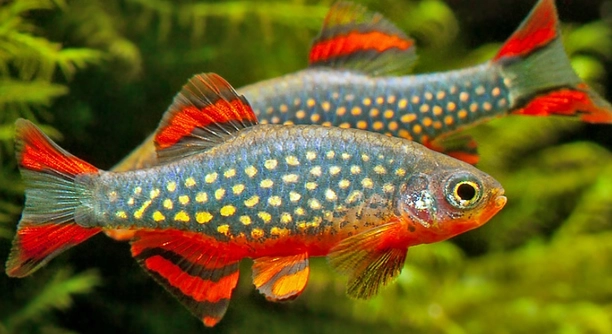
Many aquarium hobbyists enjoy keeping danios, but small tanks often make breeding seem difficult. Managing limited space while providing proper care is a common challenge for those interested in raising healthy, vibrant fry.
Successful breeding of danios in tight-space setups requires careful attention to water quality, tank organization, and feeding routines. Providing appropriate spawning sites, maintaining stable conditions, and controlling population density are essential for maximizing reproductive success and fry survival.
These simple practices can help ensure your danios thrive, even in confined aquariums, setting the stage for a healthier, more productive breeding environment.
Choosing the Right Tank for Breeding
Selecting an appropriate tank is the first step in successful danio breeding. Small tanks require careful planning to ensure fish have enough space to swim and spawn without overcrowding. A 10- to 20-gallon tank is often sufficient for a pair or small group, allowing for easier monitoring of water quality and fry development. Use a tank with a secure lid, as danios are active jumpers. Substrate choice matters too; fine gravel or bare-bottom setups make it easier to collect eggs and prevent them from being damaged. Adding spawning mops or plants gives the fish suitable areas to lay eggs, increasing survival chances. Positioning the tank in a quiet area reduces stress, which can negatively impact breeding behavior. Keep filtration gentle to avoid sucking up eggs or fry while maintaining water cleanliness. Regular water testing ensures optimal conditions, supporting healthy growth from eggs to juvenile fish.
Tank selection sets the foundation for successful breeding and easier maintenance, improving overall fry survival and development.
Providing a carefully arranged environment makes monitoring simpler and reduces stress for both adults and fry, leading to higher reproductive success.
Water Quality and Temperature
Maintaining stable water conditions is critical for breeding danios. Sudden fluctuations in temperature, pH, or hardness can prevent spawning and harm eggs or fry. Danios thrive in slightly cooler water between 72–78°F, which encourages natural breeding behavior. Regular partial water changes help remove waste and maintain chemical balance, preventing buildup of harmful substances like ammonia and nitrites. Filtration should be gentle to avoid disturbing eggs or fry while keeping the water clean. Using a sponge filter or adding a baffle to standard filters can reduce flow. Monitoring water parameters daily ensures any changes are addressed quickly. Keeping the tank free from strong chemicals, medications, or scented additives preserves the delicate environment needed for spawning. Observing fish behavior can also indicate if conditions are suitable—active swimming, chasing, and courtship displays suggest proper water quality and comfort. Adjusting temperature slowly before spawning can trigger breeding instincts naturally.
Temperature control, consistent monitoring, and gradual changes help create a stable environment that encourages healthy spawning and fry development. A stable environment reduces stress, supports growth, and allows breeders to manage small tanks efficiently. Regular observation and careful adjustments make the process manageable and predictable. Proper water management is essential to protect the eggs, reduce disease risk, and ensure fry thrive without overcrowding or competition. Establishing this level of care improves the chances of successful breeding outcomes in limited-space setups.
Would you like me to continue with the next two headers in the same format?
Selecting Healthy Breeding Pairs
Choose active, vibrant danios with no signs of disease or deformity. Strong swimmers with bright colors are more likely to produce healthy eggs and robust fry. Avoid fish that appear lethargic or have damaged fins.
Pairing male and female danios carefully increases spawning success. Look for males with more intense coloration and females with a slightly rounded belly, indicating readiness to spawn. Introducing pairs gradually helps reduce aggression and stress. Observe their interaction before moving them to a breeding tank. A healthy pair will show courtship behavior, chasing and nudging each other in gentle displays. Avoid overcrowding, as excessive numbers can lead to fighting or stress that prevents egg-laying. Maintaining a calm environment supports natural breeding patterns.
Monitor the pair daily, noting changes in behavior or health. Feed them a varied diet with high-quality protein to improve egg quality. Providing live or frozen foods encourages spawning activity, while keeping the tank clean reduces risks of disease. Careful selection and monitoring of breeding pairs ensures stronger fry and more predictable outcomes in a small tank.
Spawning Techniques
Encourage spawning by adding fine-leaved plants or spawning mops to the tank. Eggs will adhere naturally, giving fry a safe start.
Using specific tank setups can trigger natural breeding behavior. Gradually raising the water temperature by a few degrees can simulate seasonal changes, prompting danios to spawn. Removing aggressive tankmates reduces stress, allowing pairs to focus on mating. Feeding small portions multiple times daily increases energy and readiness to reproduce. Timed light cycles can also influence spawning patterns, mimicking natural daylight. Observation is key—successful spawning is indicated by eggs attached to plants or mops.
Once eggs are laid, monitor them carefully. Remove adult fish if they show signs of eating eggs, as danios sometimes consume their own spawn. Maintain stable water quality and gentle filtration to prevent eggs from being disturbed or damaged. Daily partial water changes prevent fungal growth, improving survival rates. Providing adequate hiding spaces for fry after hatching ensures they grow safely. Consistent care and observation during this stage are crucial for turning eggs into healthy juvenile fish.
Feeding for Breeding Success
Provide a high-protein diet to condition danios for spawning. Live or frozen foods such as brine shrimp or daphnia increase energy levels and improve egg quality.
Avoid overfeeding, as leftover food can degrade water quality. Small, frequent meals encourage consistent energy without creating excessive waste.
Separating Eggs and Fry
Once eggs are laid, transferring them to a separate container or breeding tank can prevent adults from eating them. Gentle handling is key to avoid damage.
Maintain stable water conditions in the fry tank. Low flow, clean water, and small hiding spots improve survival. Frequent monitoring ensures that eggs develop into healthy fry ready for gradual acclimation to the main tank.
Monitoring Growth
Track fry growth daily to ensure proper development. Observe feeding behavior and adjust portions as they grow to prevent overcrowding and competition.
Preventing Common Problems
Fungal infections and poor water conditions are frequent issues in tight-space setups. Maintaining cleanliness and gentle filtration reduces these risks, supporting healthier fry and stronger adult fish.
FAQ
How do I know when my danios are ready to breed?
Danios show readiness through behavior and physical changes. Males become more colorful and active, often chasing females gently. Females appear slightly rounded in the belly when carrying eggs. Observing courtship displays, such as nudging or circling, is a reliable indicator that breeding conditions are suitable. Ensuring stable water quality and proper diet also supports readiness.
Can I breed danios in a very small tank?
Yes, but careful management is necessary. Limited space requires monitoring water parameters closely and avoiding overcrowding. A tank of 10–20 gallons can work for a small pair or trio. Use gentle filtration, provide spawning areas, and separate eggs or fry to reduce risks of predation and stress. Regular observation helps maintain a healthy environment.
Do I need special equipment to breed danios?
Basic equipment is sufficient. A small tank, gentle filter, and spawning mops or fine-leaved plants are usually enough. Thermometers and water test kits help maintain stable conditions. Additional items like nets or small containers for egg transfer can simplify management but are not strictly required for successful breeding.
How often should I feed breeding danios?
Feeding multiple small meals per day is ideal. High-protein foods, including live or frozen options, improve egg quality and stimulate spawning. Avoid overfeeding to prevent water quality issues, which can reduce egg survival. Feeding small amounts allows the fish to maintain energy without creating excess waste.
How do I care for eggs and fry?
Once eggs are laid, transferring them to a separate container improves survival. Maintain stable temperature, low flow, and clean water. Remove unfertilized or fungus-infected eggs promptly. Once fry hatch, provide tiny foods like infusoria or freshly hatched brine shrimp. Gradually increase food size as fry grow. Regular monitoring ensures proper development.
How long does it take for danio eggs to hatch?
Eggs usually hatch within 2–3 days, depending on water temperature. Slightly warmer water accelerates development, but avoid sudden temperature changes. Keep the environment stable to prevent stress. Fry will remain near the bottom initially before actively swimming and feeding independently.
What are common problems during breeding?
Fungal infections, poor water quality, and overcrowding are the most frequent issues. Fungal growth appears as white patches on eggs, often caused by stagnant or dirty water. Adult fish may eat eggs if they are stressed or overcrowded. Gentle filtration, regular water changes, and separating eggs from adults reduce these risks.
Can I breed multiple pairs together?
It is possible, but not recommended in tight-space tanks. Multiple pairs increase competition, stress, and risk of egg predation. If using several pairs, ensure sufficient space, hiding areas, and carefully monitor interactions. Separating pairs for spawning simplifies care and improves fry survival.
How do I maintain water quality during breeding?
Regular partial water changes and gentle filtration are key. Monitor ammonia, nitrite, and nitrate levels closely. Avoid harsh chemicals or drastic changes, as eggs and fry are sensitive. Consistent testing and maintenance support healthy adult fish and improve the chances of successful spawning and fry development.
When can I move fry to the main tank?
Fry can be gradually acclimated once they are large enough to avoid being eaten by adults, usually around 4–6 weeks. Ensure the main tank is safe, with minimal risk of predation. Gradually increase water volume and observe their adaptation carefully. Proper timing helps ensure healthy growth and survival.
What diet works best for growing fry?
Start with tiny live foods like infusoria or microworms. As fry grow, switch to freshly hatched brine shrimp and finely crushed high-quality flakes. Gradual dietary changes prevent digestive issues and support steady growth. Frequent, small feedings help all fry access sufficient nutrition in confined spaces.
Can I reuse water from the breeding tank?
Yes, partially reusing water is possible if it is clean and free from waste or contaminants. Mixing with fresh water maintains stability while reducing stress from sudden changes. Always check water parameters before reuse to ensure conditions remain safe for both adults and fry.
How can I reduce stress during breeding?
Provide hiding spaces, maintain stable water parameters, and minimize handling. Avoid sudden noises, temperature changes, or overcrowding. A calm environment encourages natural spawning behavior and protects eggs and fry. Observing fish regularly helps identify early signs of stress, allowing timely adjustments.
How many eggs does a female danio lay at once?
A healthy female can lay dozens of eggs per spawning event. The exact number depends on age, size, diet, and water conditions. Ensuring optimal feeding and stable conditions maximizes egg production and increases the likelihood of fry survival.
What should I do if eggs fail to hatch?
Check water conditions, temperature, and filtration. Remove any fungus-infected or unfertilized eggs. Adjust diet and monitor adult behavior to ensure proper spawning. Sometimes, eggs fail due to stress or suboptimal conditions, so refining the environment can improve outcomes in subsequent spawning attempts.
Can I breed danios year-round?
Yes, if conditions remain stable. Consistent temperature, lighting, diet, and water quality can simulate natural seasonal cues, allowing repeated spawning. Avoid drastic changes, as danios are sensitive to environmental stress, which can reduce egg viability and fry survival.
Are there any signs of unhealthy fry?
Unhealthy fry may be lethargic, swim erratically, or fail to feed. Physical deformities or slow growth also indicate problems. Maintaining clean water, proper diet, and sufficient space helps prevent these issues. Removing weak or sick fry can reduce the spread of disease.
How important is observation during breeding?
Observation is crucial for detecting spawning behavior, egg viability, and fry health. Daily checks help catch problems early, such as fungal infections, predation, or water quality issues. Being attentive allows for timely interventions that improve survival rates and overall success in a tight-space setup.
Can I mix fry from different spawns?
Mixing fry is possible once they are large enough to compete for food without harm. Initially, keep them separate to monitor growth and ensure survival. Gradually combine groups when they are similar in size to prevent bullying and improve feeding efficiency.
What is the best lighting for breeding tanks?
Moderate, consistent lighting encourages normal activity and spawning behavior. Avoid bright or harsh light that stresses fish. Simulating natural day-night cycles with timers helps maintain regular patterns, improving breeding success and supporting healthy fry development.
How long does it take for fry to reach maturity?
Danio fry typically reach sexual maturity around 3–4 months. Proper feeding, water quality, and space influence growth rates. Monitoring development and maintaining consistent care ensures they grow into healthy adults capable of successful spawning in small tanks.
How often should I clean the breeding tank?
Partial cleaning should be done regularly, removing waste and uneaten food. Avoid complete water changes or harsh scrubbing that can disturb eggs or fry. Gentle, frequent maintenance keeps the environment stable, reducing disease risk and improving survival rates for both eggs and juvenile fish.
Is it necessary to separate males and females after spawning?
Separating adults is recommended to prevent egg predation. Males may continue to chase or stress females, and both may eat eggs or fry if left together. Timely removal protects the spawn and increases fry survival, especially in confined tanks.
What is the most effective way to increase fry survival?
Provide stable water conditions, gentle filtration, proper hiding areas, and a high-quality diet. Removing adults and monitoring growth regularly prevents predation and ensures all fry have access to food. Gradual acclimation and careful management reduce stress, supporting stronger, healthier juvenile fish.
Can temperature changes trigger spawning?
Yes, small, gradual temperature increases can simulate seasonal changes, encouraging danios to spawn. Sudden shifts should be avoided, as stress can prevent egg-laying or harm developing embryos. Consistent conditions combined with slight adjustments often yield the best results.
How can I prevent fungal infections on eggs?
Maintain clean water, remove debris, and ensure gentle circulation. Discard unfertilized or damaged eggs promptly. Low-stress conditions for adults and stable temperature reduce infection risk. Observation is key—early detection allows intervention before fungal growth spreads to healthy eggs.
What is the ideal tank setup for fry?
A shallow tank with low water flow, gentle filtration, and hiding spots promotes survival. Fine-leaved plants or spawning mops protect eggs and fry. Maintain consistent water parameters and feed appropriately sized foods to encourage healthy growth. Space management is crucial to prevent overcrowding.
How do I know when fry are ready to eat larger foods?
When fry are actively swimming and able to capture smaller prey, they can transition to finely crushed flakes or larger live foods. Gradual size increases prevent digestive issues and support steady growth. Observing feeding efficiency helps determine the right time for changes.
Is it necessary to monitor pH during breeding?
Yes, stable pH levels are important. Danios prefer slightly neutral to slightly alkaline water. Sudden fluctuations can stress adults, reduce egg viability, and harm fry. Regular testing and careful adjustments maintain a healthy breeding environment and support consistent spawning.
Can I use plants to improve breeding success?
Yes, fine-leaved plants or spawning mops provide surfaces for eggs and hiding spots for fry. This reduces egg predation and supports natural behaviors. Plants also help maintain water quality by absorbing nutrients, making them a practical addition to small breeding tanks.
How do I prevent overcrowding in a tight-space tank?
Limit the number of adults and separate eggs promptly. Monitor fry growth and consider rehoming excess juveniles if space becomes limited. Providing hiding spots and controlling population density reduces stress and ensures all fish have access to food and clean water.
What should I do if adult fish become aggressive during breeding?
Separate aggressive individuals immediately. Overcrowding or stress often causes chasing, fin nipping, or egg predation. Providing sufficient hiding spaces, monitoring interactions, and limiting group size reduces conflict and improves overall spawning success.
How can I maintain consistent water temperature in a small tank?
Use a reliable heater with a thermostat and place the tank away from drafts or direct sunlight. Gradual adjustments prevent stress, and monitoring ensures stability. Stable temperature supports egg development, fry survival, and adult health during breeding.
Can lighting alone trigger spawning?
Lighting helps regulate daily activity and can influence breeding behavior. Timers simulating consistent day-night cycles encourage natural rhythms. While lighting alone is not enough to induce spawning, it supports overall readiness when combined with proper diet, temperature, and tank conditions.
Is it necessary to remove uneaten food daily?
Yes, leftover food can decompose and harm water quality, promoting fungal growth and stressing adults or fry. Remove uneaten portions promptly and adjust feeding amounts to prevent waste, ensuring a clean and healthy breeding environment.
What signs indicate eggs are fertilized?
Fertilized eggs are usually clear or slightly golden with a visible embryo inside. They remain firm and intact. Unfertilized eggs turn opaque or white and often develop fungus. Monitoring these signs helps manage the breeding process and improve survival rates.
How do I handle fry safely during transfers?
Use soft nets or small containers to minimize stress and prevent injury. Avoid sudden temperature changes and gentle movements during the transfer. Handling carefully ensures fry survival and reduces shock during relocation.
Can I breed danios without live foods?
Yes, high-quality frozen or prepared protein-rich foods can be effective. Live foods encourage spawning but are not strictly necessary. Maintaining water quality, proper tank setup, and feeding variety are more critical to successful breeding than the food source alone.
How often should I check water parameters?
Daily monitoring during breeding and fry growth is recommended. Ammonia, nitrite, nitrate, temperature, and pH are key. Frequent checks allow timely adjustments, maintaining stable conditions essential for egg viability and fry development in small tanks.
What is the best way to feed fry in a tight-space tank?
Provide small, frequent meals to ensure all fry access food. Use appropriately sized live or prepared foods and monitor consumption. Adjust portions as fry grow to prevent overcrowding and maintain clean water. Consistent feeding supports steady growth and healthy development.
Can I reuse spawning mops for multiple breeding cycles?
Yes, as long as they are cleaned carefully between uses. Rinse in dechlorinated water and remove debris or eggs. Proper maintenance prevents fungal contamination and supports healthy subsequent spawns.
How do I acclimate fry to new water conditions?
Introduce small amounts of the new water gradually over several hours. Monitor fry for stress and adjust slowly. Gradual acclimation reduces shock and improves survival when moving fry between tanks or environments.
What temperature fluctuations are safe during breeding?
Minor daily changes of one to two degrees are generally safe. Sudden shifts or extremes can harm eggs, fry, and adults. Maintain stability as much as possible while using gradual adjustments to trigger spawning or simulate seasonal changes.
How long should fry stay in the breeding tank?
Keep fry in a controlled tank until they are large enough to avoid predation and compete successfully for food, usually 4–6 weeks. Gradual introduction to the main tank ensures survival while minimizing stress from sudden environmental changes.
Can I breed danios without separating eggs?
It is possible, but survival rates are lower. Adults may eat eggs or fry, and competition for space and food increases. Separating eggs improves hatch rates and reduces stress, making management in tight-space setups more predictable and effective.
How do I prevent fry from overcrowding?
Monitor growth and population density closely. Transfer excess fry to other tanks or increase hiding spaces to reduce competition. Overcrowding can stunt growth, increase stress, and lower survival rates. Proper planning ensures healthier juveniles in small tanks.
Are there signs that fry are stressed?
Lethargy, erratic swimming, or refusal to eat indicate stress. Environmental factors such as poor water quality, overcrowding, or sudden changes often cause this. Identifying and correcting these factors quickly is essential for healthy development.
Can I breed danios in tap water?
Yes, if treated properly. Remove chlorine and chloramines with a water conditioner, and test pH and hardness. Stable parameters are critical, as untreated tap water may contain chemicals harmful to eggs, fry, or adult fish. Proper preparation ensures a safe environment.
Is it necessary to separate weak fry?
Yes, removing weak or sick fry prevents disease spread and allows stronger individuals better access to food. This management step improves overall survival rates and ensures healthier juvenile fish in confined tanks.
How do I prevent adults from eating eggs?
Remove adults immediately after spawning or provide dense spawning mops or plants. Minimizing stress and maintaining proper spacing also reduces predation. Protective measures increase egg survival and improve fry yield.
Can I breed danios in a community tank?
It is challenging because eggs and fry are vulnerable to other fish. Separating pairs or using a dedicated breeding tank is more effective. Community tanks increase predation risk and reduce control over water quality, making successful breeding less predictable.
What is the best way to handle fungal infections on fry?
Remove affected fry promptly and maintain clean water. Treating the tank with appropriate antifungal measures can help prevent spread. Observation and early intervention are essential for protecting healthy fry in small breeding setups.
Can I use a sponge filter for fry?
Yes, sponge filters provide gentle filtration and prevent fry from being sucked in. They maintain water quality without creating strong currents, making them ideal for small tanks and tight-space breeding setups.
How important is water hardness for breeding?
Moderate hardness supports egg development and adult health. Extremely soft or hard water can reduce spawning success or fry survival. Testing and adjusting hardness as needed ensures optimal conditions for small tank breeding.
Can I breed danios in low-light conditions?
Moderate light is better, as it encourages normal activity and feeding. Low-light conditions may reduce spawning behavior and make observation more difficult. Consistent, moderate lighting supports natural patterns and healthy development.
How do I prevent disease in tight-space setups?
Maintain stable water conditions, avoid overcrowding, provide high-quality food, and remove sick or weak individuals. Regular observation and gentle cleaning routines reduce risks, keeping both adults and fry healthy during breeding.
What is the best tank size for multiple pairs?
For multiple pairs, larger tanks of 20 gallons or more are recommended. Tight spaces increase stress, aggression, and egg predation. Adequate space allows adults to interact naturally, reduces competition, and improves overall spawning success.
How do I ensure even growth among fry?
Feed small portions frequently, provide hiding spots, and monitor population density. Remove weaker fry if necessary to prevent competition. Balanced nutrition and adequate space help all fry grow at a similar rate.
Can I breed danios in a bare-bottom tank?
Yes, bare-bottom tanks simplify egg collection and cleaning. Spawning mops or fine-leaved plants provide surfaces for eggs. This setup reduces debris accumulation and allows closer monitoring of fry development, making management easier in tight spaces.
What is the role of diet in egg quality?
High-protein, varied foods improve egg viability. Live or frozen foods boost nutrition, increasing hatch rates and fry health. Poor diet reduces spawning frequency and egg survival, so consistent, high-quality feeding is essential for successful breeding.
How can I reduce stress when moving fry?
Acclimate slowly, handle gently, and maintain similar water conditions. Minimizing sudden changes and disturbances prevents shock, ensuring higher survival rates during transfers or tank changes.
How often should fry tanks be cleaned?
Partial cleaning every few days keeps water quality stable without disturbing fry. Remove uneaten food and debris carefully. Frequent, gentle maintenance prevents disease and supports healthy growth in small tanks.
What should I do if fry stop eating?
Check water quality, ensure food is appropriately sized, and observe for signs of stress or disease. Adjust conditions gradually and provide suitable hiding areas to encourage feeding. Prompt action helps prevent stunted growth or mortality.
How do I increase the number of successful spawns?
Maintain optimal water quality, provide a high-protein diet, manage tank space, and observe fish behavior closely. Gradual temperature adjustments and consistent light cycles encourage repeated spawning events while reducing stress and improving fry survival.
Can I breed danios year-round in a small tank?
Yes, stable conditions allow repeated spawns. Monitor water quality, temperature, and diet carefully. Prevent overcrowding and stress to maintain reproductive health. Regular observation ensures consistent success even in limited-space setups.
How do I separate male and female fry?
Sexual differences become noticeable after a few months. Males are generally more colorful, while females appear rounder. Sorting juveniles helps manage future breeding and prevents unwanted early spawning in tight-space tanks.
Can I reuse water from fry tanks for adults?
Partially, if it is clean and stable. Reusing water helps maintain consistency while minimizing stress. Always check parameters to ensure safe conditions for adult fish.
What is the recommended pH for breeding danios?
A slightly neutral
Breeding danios in a small tank can feel challenging, but with careful planning and consistent care, it is entirely achievable. The key is to maintain a stable environment that supports the needs of both adults and fry. Temperature, water quality, and diet all play crucial roles in successful breeding. Small tanks require more attention because conditions can change quickly, and any fluctuations may affect egg viability or fry survival. By keeping a close eye on the fish and making gradual adjustments when needed, you can create a healthy space where danios are more likely to reproduce successfully. Careful observation of the adults’ behavior helps identify when they are ready to spawn and allows for early intervention if any problems arise.
Providing suitable spawning sites, such as fine-leaved plants or spawning mops, encourages natural egg-laying behavior. Once eggs are laid, separating them from adults can greatly improve survival rates. Fry require clean water, gentle filtration, and appropriately sized foods to grow into healthy juvenile fish. Even small tanks can support multiple generations if space is used efficiently and water parameters are maintained consistently. Partial water changes, removal of uneaten food, and monitoring of ammonia, nitrites, and nitrates help prevent disease and fungal infections. Paying attention to these details reduces stress for both adults and fry and promotes stronger growth. Feeding a varied, high-protein diet enhances egg quality and gives fry a good start in life. Over time, small adjustments and daily monitoring become part of a manageable routine that keeps the tank balanced and thriving.
Managing a tight-space danio breeding setup may require patience, but the results are rewarding. Healthy fry can develop into vibrant adults, ready to breed again, creating a sustainable cycle within your tank. Avoiding overcrowding and monitoring growth ensures that all fish have access to food and clean water, which reduces stress and improves survival. Even in a confined space, thoughtful planning, observation, and care allow you to maintain a productive breeding environment. By focusing on stable conditions, proper feeding, and careful separation of eggs and fry, you can support multiple successful spawns. Small tanks do not need to be limiting when approached methodically. With attention to detail and consistent care, breeding danios in a compact aquarium can be a satisfying and manageable experience, providing healthy, thriving fish for your tank.

Hello,
If you enjoy the content that we create, please consider saying a "Thank You!" by leaving a tip.
Every little bit helps us continue crafting quality advice that supports the health, happiness, and well-being of pets around the world, for pets of all shapes, sizes, and species.
We really appreciate the kindness and support that you show us!