
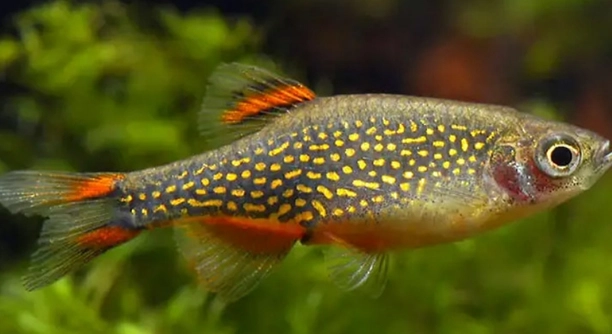
Celestial Pearl Danios are small, peaceful fish that brighten any aquarium with their shimmering colors. Their delicate fins, however, are prone to damage and infections if water conditions are not properly maintained or monitored regularly.
Fin rot in Celestial Pearl Danios is primarily caused by poor water quality, stress, and bacterial infections. Preventing it requires consistent water changes, maintaining optimal tank conditions, and ensuring the fish are not exposed to overcrowding or incompatible tank mates.
Protecting their vibrant fins starts with a few simple steps. Maintaining cleanliness and monitoring their environment will keep these fish healthy and active.
Understanding the Causes of Fin Rot
Fin rot occurs when the fins of Celestial Pearl Danios start to fray or appear discolored. This condition is often linked to poor water quality, where high levels of ammonia, nitrites, or nitrates stress the fish. Stress can also arise from sudden temperature changes, aggressive tank mates, or overcrowding. Infections caused by bacteria take advantage of weakened fins, leading to deterioration. Uneaten food and decaying plant matter can further degrade water quality, creating an environment that promotes bacterial growth. Even minor injuries from sharp decorations or rough handling can provide entry points for infection. Observing your fish regularly for early signs of fin damage can help prevent the problem from escalating. Prompt intervention, such as water changes and treatment, ensures the fins remain healthy and the fish continue to thrive in the aquarium. Attention to detail in tank maintenance significantly reduces the risk of fin rot.
Early detection is key. Observing changes in fin appearance and behavior helps prevent more severe infections from developing.
Preventing fin rot requires a combination of careful monitoring, proper feeding, and maintaining clean water. Using a reliable water testing kit helps track ammonia, nitrite, and nitrate levels. Avoid overfeeding, as excess food contributes to poor water conditions. Regular partial water changes, at least 25% weekly, support a healthier tank environment. Tank decorations should be smooth and safe to prevent accidental fin damage. Keeping compatible fish together reduces stress and aggressive interactions. Temperature should remain stable within the species’ preferred range, around 22–26°C. When any signs of fin deterioration appear, isolating affected fish can prevent spread and allow for targeted treatment. Even with preventive measures, occasional infections can occur, making observation and prompt action essential for keeping Celestial Pearl Danios healthy and vibrant.
Maintaining Optimal Water Conditions
Stable water conditions are essential for preventing fin rot in Celestial Pearl Danios. Regular monitoring and proper filtration help sustain a balanced aquarium environment.
Proper filtration removes waste and harmful chemicals efficiently. A combination of mechanical and biological filtration supports water clarity and beneficial bacteria growth. Weekly partial water changes reduce toxin accumulation and maintain water quality. Temperature stability is important, as sudden fluctuations stress the fish. Testing water parameters regularly ensures ammonia, nitrite, and nitrate levels remain safe. Using a heater and thermometer helps maintain a consistent range. Avoid overcrowding, as excess fish increase waste and strain the system. Plants can help absorb some nitrates, but decaying matter must be removed promptly. Monitoring behavior and fin condition allows early detection of stress or illness. Clean equipment and decorations minimize bacterial buildup. Investing time in proper tank maintenance prevents fin rot and ensures a healthier, more active community for Celestial Pearl Danios.
Proper Diet and Nutrition
A balanced diet strengthens Celestial Pearl Danios’ immune system and supports fin health. High-quality flake or micro-pellet foods, supplemented with live or frozen options, provide essential nutrients. Avoid overfeeding, as excess food can pollute the tank and encourage bacterial growth.
Including a variety of foods ensures fish receive proteins, vitamins, and minerals necessary for growth and resilience. Live or frozen options such as daphnia, brine shrimp, or bloodworms offer natural nutrition and promote active behavior. Rotating food types prevents nutritional deficiencies, while high-quality flakes or pellets provide a consistent baseline. Feeding small portions two to three times daily minimizes waste and keeps water conditions stable. A proper diet reduces stress, helping fins remain intact and vibrant, while supporting overall health and longevity in the aquarium.
Neglecting dietary needs can weaken fins and make Celestial Pearl Danios more prone to infections. Consistency and variety in meals significantly contribute to disease prevention and a healthier fish population.
Tank Hygiene and Maintenance
Frequent water changes and tank cleaning prevent harmful bacteria buildup. Remove uneaten food and debris promptly to maintain a clean environment.
Regular tank maintenance keeps ammonia, nitrite, and nitrate levels within safe limits. Gravel vacuuming removes waste, while scrubbing surfaces prevents algae accumulation that can harbor bacteria. Filter maintenance ensures proper water flow and effective removal of toxins. Observing fish during cleaning allows early detection of fin damage or abnormal behavior. Cleaning decorations and plants helps prevent hidden bacterial growth. Maintaining a consistent schedule reduces stress on fish and supports stable water parameters. Proper hygiene fosters a safe environment, minimizing the risk of fin rot and promoting overall health for Celestial Pearl Danios.
Quarantine New Fish
Quarantining new fish before adding them to the main tank reduces the risk of introducing fin rot or other infections. A separate tank allows observation for signs of disease and prevents the spread of bacteria to healthy Celestial Pearl Danios.
Quarantine periods typically last two to four weeks. During this time, monitor for frayed fins, unusual spots, or lethargy. Treat any detected illnesses promptly before introducing the fish. This step protects the established tank population and maintains overall water quality, reducing stress and the likelihood of outbreaks.
Avoiding Stress
Stress weakens the immune system, making fins more vulnerable to infections. Stable conditions and compatible tank mates help maintain calm environments for Celestial Pearl Danios.
Treating Early Signs
At the first sign of fin damage, isolate the affected fish. Clean water, mild antibacterial treatments, and attentive care prevent further deterioration. Early intervention is key to restoring fin health.
FAQ
What is fin rot and how does it develop in Celestial Pearl Danios?
Fin rot is a condition where the edges of the fins start to fray, discolor, or deteriorate. It develops when bacteria infect weakened fins, often caused by poor water quality, stress, injuries, or overcrowding. Maintaining clean water and stable conditions reduces its occurrence.
How can I tell if my fish has fin rot?
Early signs include ragged or discolored fins, small white edges, and occasional clamped fins. Fish may swim less actively or hide more often. Observing behavior and fin condition regularly allows for prompt treatment before the infection worsens.
Can fin rot heal on its own?
Minor damage may sometimes improve if water quality is excellent, but bacterial infections usually require intervention. Leaving infected fins untreated can allow the rot to spread and potentially affect the body, making recovery more difficult.
What are the best treatments for fin rot?
Treatment includes improving water conditions, performing partial water changes, and isolating affected fish if necessary. Mild antibacterial medications specifically formulated for aquarium fish can stop bacterial growth. Always follow dosing instructions and monitor the fish closely during treatment.
How often should I change water to prevent fin rot?
Regular partial water changes, about 25% weekly, help remove toxins like ammonia and nitrites. Consistent maintenance supports healthy fins and prevents bacteria from multiplying. Larger or heavily stocked tanks may require more frequent water adjustments to maintain balance.
Can diet affect fin health?
Yes, proper nutrition strengthens the immune system and promotes fin regeneration. Feeding high-quality flakes, micro-pellets, and occasional live or frozen foods like daphnia or brine shrimp ensures Celestial Pearl Danios receive necessary proteins, vitamins, and minerals. Overfeeding should be avoided to prevent water pollution.
Are certain tank mates better for preventing fin rot?
Peaceful fish that do not nip at fins are ideal companions. Aggressive or fin-nipping species can cause injuries, increasing the risk of bacterial infections. Maintaining a calm, compatible community reduces stress and helps keep fins healthy.
Does temperature affect fin rot risk?
Yes, sudden changes or extreme temperatures can stress Celestial Pearl Danios, weakening their immune system. Maintaining a stable range of 22–26°C reduces stress and lowers the chance of infections developing. Use a reliable heater and thermometer to monitor the tank consistently.
How long does it take for fins to heal after treatment?
Healing depends on the severity of the damage and the effectiveness of treatment. Minor fraying can improve within one to two weeks, while severe rot may require several weeks. Continued care, clean water, and proper nutrition support full recovery.
Should I remove decorations to prevent fin rot?
Sharp or rough decorations can injure fins, creating entry points for bacteria. Smooth surfaces are safer and reduce the risk of physical damage. Regular cleaning of decorations also prevents bacterial buildup and helps maintain a healthy environment for Celestial Pearl Danios.
Is quarantine necessary for new fish?
Quarantining new fish for two to four weeks before adding them to the main tank prevents disease introduction. Observation during this period ensures any signs of infection are treated early, protecting established fish from potential fin rot outbreaks.
Can stress alone cause fin rot?
Stress itself does not cause bacterial fin rot directly, but it weakens the immune system, making fish more vulnerable. Stressors include poor water quality, overcrowding, aggressive tank mates, sudden temperature changes, or frequent handling. Reducing stress supports fin health and overall well-being.
Are medications safe for Celestial Pearl Danios?
Most aquarium-safe antibacterial treatments are effective when used as directed. Overdosing or prolonged use can harm fish and beneficial bacteria. Always follow instructions and monitor the fish’s response. Supporting treatment with clean water and proper nutrition enhances recovery.
What preventive measures are most effective?
Maintaining clean water, stable temperature, a balanced diet, safe decorations, and compatible tank mates are the most effective preventive measures. Regular observation and early intervention at the first sign of fin damage are also essential for keeping Celestial Pearl Danios healthy.
Can fin rot reoccur after treatment?
Yes, if underlying conditions are not addressed, such as poor water quality or stressful tank conditions. Continued care, consistent maintenance, and observation help prevent recurrence and ensure long-term fin health.
How important is observation in preventing fin rot?
Regular monitoring of fin appearance, swimming behavior, and overall activity is critical. Early detection allows prompt treatment and reduces the likelihood of severe infection. Observation also helps identify environmental or dietary issues before they cause significant problems.
Is fin rot contagious to other fish?
Bacterial fin rot can spread in the tank if water quality is poor or infected fish are in close contact with healthy ones. Isolating affected fish and maintaining clean water prevents transmission and protects the rest of the community.
Can stress from handling trigger fin rot?
Yes, frequent or rough handling can stress Celestial Pearl Danios and damage fins, creating opportunities for bacterial infection. Minimizing handling and using proper techniques when moving fish reduces the risk of fin rot.
Does tank size influence fin rot risk?
Smaller tanks with inadequate filtration can quickly accumulate toxins, increasing stress and susceptibility to infections. Providing sufficient space, stable conditions, and proper filtration lowers the risk and supports overall fish health.
What is the role of live plants in fin health?
Live plants can improve water quality by absorbing nitrates and providing hiding spaces, reducing stress. However, decaying plant matter must be removed promptly to prevent bacterial growth that could contribute to fin rot.
How long should I monitor water parameters to prevent fin rot?
Consistent monitoring is ongoing. Checking ammonia, nitrite, and nitrate levels weekly ensures the tank remains stable. Adjustments should be made as needed to maintain safe conditions and prevent stress or infections.
Are some bacterial treatments more effective than others?
Treatments specifically formulated for fin rot or bacterial infections in freshwater fish are most effective. General medications may not target the bacteria involved. Using the correct treatment ensures faster recovery and minimizes stress on Celestial Pearl Danios.
Can stress from overcrowding lead to fin rot?
Yes, overcrowded tanks increase competition, aggression, and stress, weakening the immune system. Maintaining appropriate stocking levels for tank size reduces stress and helps prevent fin damage and bacterial infections.
What should I do if fin rot spreads rapidly?
Immediately isolate affected fish and perform partial water changes. Administer an antibacterial treatment and monitor all tank inhabitants. Address environmental factors such as overcrowding, temperature fluctuations, and poor water quality to stop further spread.
Does water hardness or pH affect fin rot?
Extreme pH or hardness levels can stress Celestial Pearl Danios, increasing susceptibility to bacterial infections. Maintaining a stable pH around 6.5–7.5 and moderate hardness supports overall health and reduces the likelihood of fin rot.
Are there natural remedies for fin rot?
Mild salt baths or herbal treatments can sometimes support fin healing, but they should complement, not replace, proper water management and antibacterial medication when necessary. Consistent care and clean water remain the most reliable prevention and treatment methods.
How can I encourage fin regrowth?
Providing clean water, a balanced diet, and low-stress conditions allows fins to regenerate naturally. Avoid aggressive tank mates and sharp decorations that can damage healing fins, and continue monitoring water quality closely.
Is fin rot more common in older or younger fish?
Younger fish may be more resilient, but stress and poor conditions can affect any age. Older fish may heal more slowly, making preventive care and early intervention crucial for all life stages.
How can I reduce the risk of future outbreaks?
Maintaining consistent water quality, a balanced diet, stable temperature, safe tank mates, and regular observation minimizes the chance of fin rot recurring. Promptly treating even minor fin damage keeps the fish healthy and vibrant.
Can fin rot affect a fish’s overall lifespan?
Severe or untreated fin rot can stress the immune system and spread infection, potentially shortening lifespan. Early detection, proper treatment, and preventive care support longevity and well-being in Celestial Pearl Danios.
What is the best way to track fin health over time?
Regularly photographing fins or keeping a log of observations helps track changes. Noting any fraying, discoloration, or behavior differences allows early intervention and ensures effective preventive measures remain in place.
Does overcrowding accelerate fin rot development?
Overcrowding increases waste buildup, stress, and aggression, all of which weaken the immune system. Ensuring adequate space and compatible tank mates prevents fin damage and supports overall tank health.
Are all bacterial infections in fish treated the same way?
No, treatments vary depending on the type of bacteria and severity of infection. Fin rot-specific medications target the bacteria causing fin deterioration, while other infections may require different approaches or combination treatments.
Can poor lighting contribute to fin rot?
Indirectly, yes. Poor lighting can affect plant growth and fish behavior, which may lead to stress or poor water quality. Adequate lighting supports a balanced ecosystem, reducing risk factors for fin rot.
How quickly should I act when I notice fraying fins?
Immediate action is important. Clean the tank, isolate affected fish if possible, and consider treatment to prevent further deterioration and potential spread to other fish. Prompt care improves recovery outcomes significantly.
Is it safe to mix treated fish back into the main tank immediately?
Only after completing treatment and confirming fins are healthy should fish be reintroduced. Gradual reintroduction ensures no lingering infection risks remain and maintains the overall health of the tank population.
How does ammonia affect fin rot?
Ammonia irritates gills and weakens the immune system, making fins more susceptible to bacterial infections. Keeping ammonia at zero through filtration and water changes is crucial to prevent stress and fin rot.
Can fin rot occur in well-maintained tanks?
Occasionally, yes. Even in clean tanks, stress, minor injuries, or sudden changes can trigger fin deterioration. Regular observation and preventive care minimize the risk and allow for quick intervention.
Are there signs that indicate full recovery from fin rot?
Healthy regrowth, restored coloration, and active swimming behavior indicate recovery. Fins should appear smooth, with no ragged edges or discoloration, signaling that the infection has been effectively treated.
How important is tank location for fin rot prevention?
Placing the tank away from drafts, direct sunlight, and sudden temperature changes reduces stress and helps maintain stable water parameters. Stable conditions lower the likelihood of bacterial infections.
Can over-cleaning the tank cause fin rot?
Excessive cleaning or removing beneficial bacteria can destabilize the environment, causing stress and vulnerability to infections. Balance between cleanliness and maintaining helpful bacteria supports fin health.
Does fin rot affect all fins equally?
Typically, the tail and dorsal fins show the earliest signs, but any fin can be affected. Prompt care and monitoring all fins prevent spread and allow for complete recovery.
Is medication always necessary for minor fin damage?
Not always. Small tears may heal if water quality is excellent and stress is minimized. However, bacterial infections require appropriate treatment to prevent worsening and full-blown fin rot.
Can stress from loud noise trigger fin rot?
Noise itself doesn’t cause infection, but sudden, repeated disturbances stress fish and weaken immunity. Minimizing disruptions creates a calm environment that supports fin health.
How do I balance preventive care with natural fish behavior?
Providing hiding spots, plants, and gentle water flow allows Celestial Pearl Danios to display natural behavior while maintaining clean water and monitoring health effectively.
What role does filtration play in preventing fin rot?
Filtration removes toxins and supports beneficial bacteria. Mechanical, chemical, and biological filtration combined maintain water clarity and balance, reducing stress and bacterial growth that can cause fin rot.
Are there specific signs that indicate a bacterial infection rather than fin wear?
Bacterial infections often show discolored edges, white tips, and rapid deterioration. Fin wear from activity alone usually appears even and lacks discoloration. Observation helps distinguish the two for correct action.
How do I prevent fin rot in a community tank?
Maintain proper stocking levels, clean water, compatible tank mates, and consistent monitoring. Treat affected fish promptly and remove hazards like sharp decorations to reduce stress and infection risk.
Is fin rot reversible?
Yes, if detected early and treated properly. With clean water, good nutrition, low stress, and appropriate medication, fins can fully regenerate over time.
Can fin rot affect breeding behavior?
Severe fin rot may reduce activity and energy, impacting courtship and spawning. Healthy fins and low-stress conditions support normal breeding behavior in Celestial Pearl Danios.
How do I know when to seek professional advice?
If fin rot persists despite proper care, spreads rapidly, or fish show lethargy, consulting a veterinarian or experienced aquarist ensures correct diagnosis and treatment for long-term health.
What are common mistakes that lead to fin rot?
Overfeeding, poor water quality, overcrowding, rough decorations, incompatible tank mates, and neglecting early signs all increase the risk. Consistent preventive measures help avoid these issues and protect Celestial Pearl Danios.
How does water circulation impact fin health?
Good water flow prevents stagnant areas where bacteria can accumulate, supports oxygenation, and keeps the tank clean. Balanced circulation contributes to strong, healthy fins.
Can stress from frequent tank changes trigger fin rot?
Frequent, abrupt changes can disturb fish and destabilize water conditions. Gradual adjustments and careful maintenance reduce stress and lower the risk of fin infections.
Does fin rot spread faster in warmer water?
Warmer water can accelerate bacterial growth, increasing the risk of fin rot spreading. Stable, moderate temperatures slow bacterial proliferation and support immune function.
Are certain fish more resistant to fin rot?
Individual resilience varies, but overall health, immune system strength, and tank conditions play larger roles than species differences. Proper care ensures most Celestial Pearl Danios resist infection.
How often should I inspect fins for early signs?
Weekly observation during feeding or maintenance allows early detection. Noting small changes in edges or coloration ensures prompt action before rot progresses.
What should I do if multiple fish show fin rot at once?
Increase water changes, isolate severely affected fish, treat with medication, and review tank conditions. Addressing environmental and health factors quickly prevents further spread.
Can fin rot occur in planted tanks?
Yes, decaying plant matter can harbor bacteria, but healthy plants help absorb nitrates. Regular cleaning and observation keep plants from contributing to fin rot.
Are there preventive additives for water?
Some aquarium-safe additives can reduce bacterial growth, but they should complement good maintenance rather than replace it. Clean water and stable conditions remain the most reliable preventive measures.
How do I maintain consistent water parameters?
Use a reliable thermometer, water testing kits, and follow a regular cleaning schedule. Avoid sudden changes in temperature, pH, or hardness to support a stable environment for Celestial Pearl Danios.
Can stress from moving tanks trigger fin rot?
Yes, relocation causes physical stress and potential minor injuries. Gradual acclimation and careful handling minimize risk and support fin health.
Does tank size relative to fish number matter?
Yes, proper stocking levels prevent overcrowding, reduce waste accumulation, and minimize stress, all of which contribute to preventing fin rot.
Can fin rot affect other organs?
If bacterial infections spread beyond fins, they may impact internal organs, leading to serious health issues. Early treatment prevents systemic infection.
What role does water pH stability play?
Fluctuating pH stresses fish and weakens immune response. Maintaining a stable, slightly acidic to neutral pH supports fin health and overall resistance to bacterial infections.
How do I balance medication with tank ecosystem health?
Follow dosage instructions carefully, avoid overmedication, and monitor beneficial bacteria. Partial water changes before and after treatment help maintain a balanced tank while treating fin rot.
Can fin rot return even after treatment?
Yes, if water quality, stress, or tank conditions are not properly managed. Consistent preventive care and observation reduce the risk of recurrence.
Is fin rot more common in certain seasons?
Temperature fluctuations in seasonal changes can stress fish, indirectly increasing the risk. Maintaining stable conditions year-round helps prevent outbreaks.
How do I ensure proper dosing of medication?
Measure accurately based on tank volume, follow the product instructions, and consider water changes if overdosing occurs. Proper dosing maximizes treatment effectiveness and reduces stress.
Are there visual cues that fin rot is fully cured?
Fins appear smooth, vibrant, and free of fraying or discoloration. Fish resume normal activity and feeding behavior, indicating recovery.
Does lighting schedule affect fin rot prevention?
Stable, moderate lighting supports plant growth and normal fish behavior. Sudden changes or prolonged darkness can stress fish, indirectly increasing susceptibility to infections.
How can I encourage a low-stress environment?
Provide hiding spaces, maintain consistent temperature and water quality, avoid aggressive tank mates, and limit sudden disturbances. Low-stress environments reduce vulnerability to fin rot.
What is the safest way to treat multiple affected fish?
Use a hospital tank for severely affected individuals, administer medication as directed, and maintain clean water. Monitor recovery closely before reintroducing them to the main tank.
How long should treatment continue?
Follow product instructions, usually several days to weeks, until fins show clear regrowth and no new damage occurs. Stopping too early risks recurrence.
Are some medications better for mild versus severe fin rot?
Yes, mild cases may respond to general antibacterial treatments and improved water conditions, while severe cases often require targeted medication and isolation for effective recovery.
How do I prevent fin rot during breeding periods?
Provide low-stress conditions, separate breeding tanks if needed, maintain clean water, and monitor for injuries from spawning activities. Proper care reduces the chance of bacterial infections.
Can fin rot be fatal?
If untreated and allowed to spread, bacterial infections can affect overall health, leading to serious illness or death. Early intervention prevents severe outcomes.
Is it necessary to change filters during treatment?
Not always, but ensure filters remain functional. Some medications may harm beneficial bacteria; consider using sponge filters or removing carbon if recommended by instructions.
Does water flow impact bacterial growth?
Yes, stagnant areas encourage bacterial buildup. Moderate circulation distributes oxygen and prevents harmful bacteria from proliferating, supporting fin health.
Can stress from sudden lighting changes trigger fin rot?
Yes, abrupt changes can stress fish, weaken immunity, and increase vulnerability to bacterial infections. Maintain consistent light schedules.
Are some decorations more likely to cause fin injuries?
Sharp or rough surfaces can tear fins. Smooth decorations and careful placement minimize the risk of injury and subsequent bacterial infection.
How often should I test water parameters?
Weekly testing of ammonia, nitrite, nitrate, and pH ensures early detection of imbalances, helping prevent stress and bacterial infections like fin rot.
Is isolation necessary for treatment success?
Isolation allows targeted treatment, prevents spread, and reduces stress from tank mates. It
Final Thoughts
Celestial Pearl Danios are delicate fish that require careful attention to maintain their health. Fin rot is one of the most common issues that can affect these small, colorful fish. The condition usually starts subtly, with small frayed edges or minor discoloration, and can quickly worsen if left untreated. Regular observation is key, as early detection allows for quick intervention. Maintaining clean water, stable temperature, and proper filtration reduces the likelihood of bacteria taking hold. Proper tank setup, including smooth decorations and appropriate stocking levels, helps prevent injuries that can lead to infections. A calm and stable environment supports the fish’s immune system, making it easier for fins to remain intact and resilient. Consistent care and attention to the details of their habitat play a major role in preventing fin rot from occurring.
Nutrition also plays an important role in supporting overall health and fin strength. A varied diet with high-quality flakes or micro-pellets, supplemented with occasional live or frozen foods, provides the proteins, vitamins, and minerals necessary for immune support and tissue regeneration. Overfeeding should be avoided because uneaten food contributes to poor water quality, which increases the risk of bacterial infections. Feeding smaller portions multiple times a day allows the fish to consume food efficiently while keeping the tank environment clean. Healthy nutrition not only helps prevent diseases like fin rot but also contributes to the fish’s activity level, coloration, and longevity. Observing feeding behavior is another way to monitor fish health, as changes in appetite can indicate stress or early signs of illness. Combining careful feeding practices with proper water maintenance creates a supportive environment that allows Celestial Pearl Danios to thrive.
Preventive care is always more effective than treatment after the fact. Quarantining new fish before introducing them to the main tank reduces the chance of introducing infections. Regular partial water changes, careful monitoring of water parameters, and maintaining safe and compatible tank mates all contribute to a healthier environment. Stress reduction, achieved through stable conditions, hiding places, and gentle handling, also supports immune function. If signs of fin rot appear, prompt treatment with water management, isolation when needed, and appropriate antibacterial medication is necessary to prevent further damage. By combining preventive measures, proper nutrition, and attentive monitoring, Celestial Pearl Danios can remain healthy, active, and vibrant. Maintaining these routines ensures that the tank remains a safe and stable environment, allowing the fish to grow and display their natural beauty without the threat of fin rot or other common health issues.

Hello,
If you enjoy the content that we create, please consider saying a "Thank You!" by leaving a tip.
Every little bit helps us continue crafting quality advice that supports the health, happiness, and well-being of pets around the world, for pets of all shapes, sizes, and species.
We really appreciate the kindness and support that you show us!