
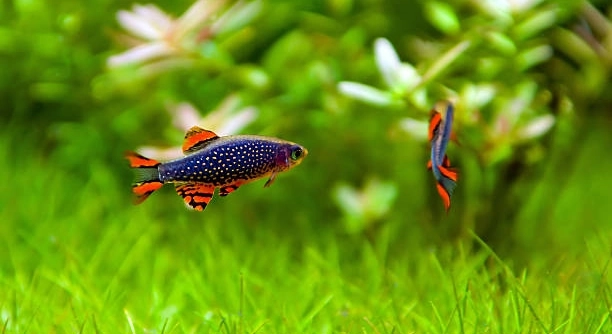
Caring for danios can be simple and affordable if you have the right tools. Many beginners think fish care requires expensive equipment, but small investments can make a big difference in keeping your fish healthy and happy.
Basic danio care can be effectively managed using inexpensive tools such as a small water testing kit, a gentle net, a simple aquarium thermometer, an air pump, a basic filter, a feeding syringe, and a gravel vacuum. These tools ensure proper water quality, feeding, and habitat maintenance.
Even small adjustments in your setup can improve your fish’s well-being and make maintenance easier for you. Simple tools often provide surprising benefits for everyday aquarium care.
Water Testing Kit
Keeping your aquarium water healthy is the first step in caring for danios. A basic water testing kit helps you monitor parameters like pH, ammonia, nitrite, and nitrate levels. These readings prevent sudden changes that can stress or harm your fish. I learned early that even small fluctuations affect their behavior and appetite. Testing water weekly becomes a simple habit once you see how stable water improves their activity and coloration. Over time, you understand what normal readings are for your tank. It also helps you detect problems before they become serious. While it may seem like extra work at first, the small time investment ensures your fish remain active and disease-free. I keep my kit in a drawer near the tank, making it easy to check water levels regularly. The results guide when to perform water changes and how much treatment, keeping maintenance straightforward and stress-free.
Regular testing keeps your danios lively and prevents unseen water issues from escalating quickly.
Consistent monitoring with a water testing kit builds confidence in your aquarium care. When you notice minor changes, you can respond immediately. It allows for proper dosing of conditioners, medicines, or supplements when needed. Over time, testing reduces unexpected tank problems. You can maintain a routine where water stays clean and parameters remain stable. This reliability encourages better feeding schedules and a healthier environment overall, keeping your fish active and comfortable.
Gentle Net
A soft, gentle net makes moving danios safer and less stressful.
Using a fine-mesh net reduces the chance of injuring their delicate fins. When I first moved fish without a proper net, a few got minor scratches, which was avoidable. A gentle net allows you to transfer fish during tank cleaning or medical treatment with minimal stress. Smaller nets are easier to maneuver in tight spaces, making routine maintenance simpler. Selecting a net sized for danios ensures it is effective without causing panic or damage.
Handling danios carefully with the right net decreases the risk of disease and improves their comfort during transfers. With practice, netting becomes a quick, low-stress part of maintenance, making your aquarium a calmer environment. Fish respond well when movements are slow and smooth. Over time, using the net properly becomes second nature, and the minor investment in a quality net shows big benefits. It also encourages more frequent cleaning and maintenance without fear of harming the fish.
Do you want me to continue with the next tools in the same format?
Aquarium Thermometer
A simple aquarium thermometer helps track water temperature, which is crucial for danios’ health. Sudden changes can stress fish, so keeping water stable ensures they remain active and feed properly.
Monitoring the tank’s temperature daily gives a clear picture of normal conditions. I place mine where it’s easy to see but out of the way of decorations. Danios are hardy, but extreme swings in temperature can weaken their immune system, making them prone to illness. Using a thermometer prevents guessing and ensures adjustments with heaters or room temperature control are accurate. This small tool reduces anxiety and keeps the environment consistent. Over time, it becomes a reliable part of tank management, saving time and avoiding unnecessary problems.
I’ve found that consistent temperature management improves the overall behavior of my danios. They swim more actively, eat regularly, and show brighter colors. Knowing the exact temperature allows me to make small corrections before issues arise. It also gives confidence when introducing new fish or plants, as I can match conditions precisely. Overall, the thermometer is a simple investment that makes daily care much easier.
Air Pump
An air pump provides oxygen circulation, supporting fish activity and tank health.
Even small aquariums benefit from constant water movement, which keeps oxygen levels stable. I use a quiet pump to avoid startling my danios while maintaining adequate aeration.
A steady air flow helps prevent stagnant areas in the tank, which reduces debris buildup and supports beneficial bacteria. It also helps distribute heat evenly, especially in larger tanks, maintaining consistent temperature. I attach a simple stone diffuser to create gentle bubbles that don’t stress the fish. Over time, I noticed my danios were more energetic and visible in the tank, swimming throughout instead of staying near the surface. The pump also assists with surface water movement, preventing a thin film from forming, which can interfere with gas exchange. Even minimal effort from this device improves oxygenation and overall tank cleanliness.
Basic Filter
A small, basic filter keeps the water clean by removing debris and supporting beneficial bacteria. Regular use prevents odors and reduces the need for frequent water changes.
I use a simple sponge filter in my danio tank. It’s easy to clean and doesn’t create strong currents that stress the fish.
Feeding Syringe
A feeding syringe allows precise portioning of food for danios. It prevents overfeeding, which can pollute the water and harm fish health. I use it to target slow eaters and ensure all fish get nourishment.
Gravel Vacuum
A basic gravel vacuum removes uneaten food and waste from the substrate. It simplifies routine cleaning and keeps water clearer, reducing risks of disease and promoting a healthier environment for danios.
FAQ
How often should I test my aquarium water?
I test my tank water at least once a week to keep track of pH, ammonia, nitrite, and nitrate levels. Weekly checks catch small changes before they affect my danios, and it also helps me plan partial water changes or treatments.
Do danios need a heater in their tank?
Danios are fairly hardy and can tolerate a range of temperatures. I don’t always use a heater, but in colder months I monitor the water closely with a thermometer. If temperatures drop below 64°F (18°C), a small heater keeps the environment stable and reduces stress.
Can I overfeed my danios?
Yes, overfeeding is one of the most common mistakes. I feed small portions once or twice a day, enough that they finish in a few minutes. Leftover food can foul the water and increase ammonia levels, which is harmful to their health.
What size tank is best for a group of danios?
A 10-gallon tank is the minimum for a small group of 5–6 danios, but I prefer a larger tank for more swimming space. They are active fish, so more room reduces aggression and keeps them happy.
How often should I clean the tank?
I do partial water changes of 20–25% weekly. Using a gravel vacuum makes this easier by removing uneaten food and debris. Deep cleanings are rarely needed if I maintain filters and monitor water quality.
Is it necessary to have an air pump?
An air pump is not strictly necessary, but it improves oxygenation and water circulation. I use a gentle air stone for better movement at the surface, which keeps the water fresh and my fish more active.
How do I introduce new danios to my tank?
I float the sealed bag in the tank for 15–20 minutes to equalize temperature, then slowly add small amounts of tank water to the bag before releasing them. This reduces shock and stress.
Can danios live with other fish?
Yes, they are generally peaceful and do well in community tanks with similar-sized fish. I avoid slow-moving or long-finned species that may be nipped or stressed by their activity.
What should I do if a danio gets sick?
I isolate any fish showing unusual behavior in a separate hospital tank. I check water parameters, ensure proper feeding, and treat with appropriate medicine if needed. Quick action prevents illness from spreading to the rest of the tank.
Do danios need live plants in the tank?
Live plants are optional but beneficial. I add a few hardy plants to provide hiding spots and improve water quality. They also make the tank more natural and give my fish areas to explore and feel secure.
How can I prevent cloudy water?
Cloudy water often comes from overfeeding or new tank setups. I use a filter and perform regular water changes. Patience is key when setting up a new tank, as beneficial bacteria need time to establish and maintain clarity.
What is the best type of food for danios?
I feed a mix of high-quality flakes and occasional frozen or live foods like brine shrimp. Variety ensures they get enough nutrients and helps maintain vibrant colors and energy levels.
How do I know if my danios are stressed?
Signs include hiding, clamped fins, erratic swimming, or loss of appetite. I check water quality, temperature, and tank conditions, and make small adjustments to reduce stress. Regular observation is important to catch issues early.
Can I keep danios in a planted tank with a substrate?
Yes, a fine gravel or sand substrate works well. I avoid sharp or large gravel that could injure their fins. Plants anchored in the substrate provide natural hiding spots and contribute to overall tank health.
Are danios schooling fish?
Yes, they thrive in groups of at least 5–6. I notice they swim in coordinated patterns and appear less stressed when kept together. Solo danios often become nervous or hide more.
How long do danios usually live?
With proper care, they live around 3–5 years. I make sure water quality, diet, and tank conditions are consistent to support their full lifespan and overall health.
Should I turn off lights at night?
Yes, danios need a regular day-night cycle. I keep the lights on for 8–10 hours and off at night, giving them rest and maintaining natural behaviors. Too much light can stress the fish or encourage algae growth.
What is the best way to handle danios?
I handle them minimally, using a soft net if needed. Gentle movements and avoiding sudden splashes reduce stress and prevent injuries to their fins and scales.
Can I mix adult and juvenile danios?
Yes, but I monitor feeding closely. Juveniles may struggle to compete for food, so I use small amounts of targeted feeding to ensure all fish get enough nutrition.
Is it okay to keep danios in a small bowl?
No, bowls are not suitable for danios. They are active swimmers, and small bowls limit oxygenation and space. I recommend at least a 10-gallon tank with proper filtration and aeration for their well-being.
How often should I replace filter media?
I replace filter media every 4–6 weeks or as recommended by the manufacturer. Regular replacement maintains efficiency while preserving beneficial bacteria, keeping the water clean and safe for my danios.
Can danios live without a filter?
Technically yes, in very small, carefully maintained tanks, but I don’t recommend it. Filters remove waste and provide oxygenation, making care easier and reducing the risk of sudden water problems.
Do danios need hiding spots?
Yes, even active fish need areas to retreat. I use plants, small decorations, or caves to create spaces where they feel secure. It reduces stress and encourages natural behaviors like resting or exploring.
How do I introduce plants safely?
I rinse plants thoroughly and inspect for pests or snails. I may dip them in a mild solution to remove potential contaminants. Adding plants gradually helps maintain water quality and reduces sudden changes in the tank environment.
What’s the best way to acclimate fish to new water conditions?
Slowly mixing tank water with the water in the bag over 15–30 minutes allows fish to adjust without shock. I repeat small additions every few minutes before releasing them completely into the tank.
How can I tell if my tank is overstocked?
Signs include overcrowding, constant competition for food, and poor water quality. I count my fish and consider tank size to avoid stress and health issues, keeping a balance between space and population.
Are danios sensitive to sudden movements or vibrations?
Yes, they can startle easily. I move slowly near the tank, avoid tapping the glass, and keep sudden changes minimal. This keeps them calm and prevents injuries from panic swimming.
How much light is ideal for danios?
I provide 8–10 hours of light daily. Adequate lighting supports plant growth if present and helps maintain a natural day-night cycle, keeping danios active and healthy.
Can I keep different danio species together?
Yes, but I watch behavior closely. Some species are more active than others, so balancing tank mates prevents stress or fin-nipping. Choosing compatible species ensures harmony and a peaceful environment.
How important is water hardness for danios?
Danios tolerate a range of water hardness. I monitor general and carbonate hardness to keep the tank stable. Sudden changes can stress fish, so consistent measurements and adjustments when needed are important.
Should I use a lid on the tank?
Yes, danios can jump occasionally. A secure lid prevents escapes while allowing air circulation. I use a lightweight cover that keeps fish safe without restricting airflow or light.
How do I prevent algae growth?
I control light duration, avoid overfeeding, and perform regular water changes. Occasional algae-eating snails or small compatible fish can help. Maintaining balance between nutrients, light, and cleaning keeps algae under control.
Are danios compatible with shrimp or snails?
Yes, small shrimp and snails are usually safe. I monitor interactions, as some active danios may chase slower tankmates. Providing plenty of hiding spots helps all species coexist peacefully.
Can I treat the tank for disease without removing fish?
Some treatments are safe for the whole tank, but I often isolate sick fish to prevent stress on healthy ones. I follow medication instructions carefully to avoid harming sensitive species or plants.
How do I maintain water clarity with minimal effort?
Regular partial water changes, a functioning filter, and careful feeding routines keep water clear. I also remove debris manually with a net or siphon, preventing buildup that causes cloudiness.
What should I do if a danio dies?
I remove the fish immediately to prevent water contamination. I check water quality and observe other fish for signs of illness. Proper cleaning and adjustments prevent further problems in the tank.
Are danios sensitive to chlorine or chloramine?
Yes, tap water must be treated with a dechlorinator before adding to the tank. I use a small amount according to instructions to neutralize harmful chemicals and keep my fish safe.
How do I prevent fin damage in a community tank?
I avoid sharp decorations and aggressive tankmates. I observe interactions and separate fish if needed. Maintaining clean water and reducing stress also helps fins stay healthy and intact.
Can I keep danios in a tank with strong currents?
Strong currents can tire danios or make swimming difficult. I use gentle filters and aeration to provide oxygenation without creating stressful conditions.
How do I know if my danios are eating enough?
I watch feeding behavior closely. All fish should grab food within a few minutes. If some are missing out, I feed smaller portions or use a feeding syringe to ensure everyone gets nourishment.
Is it okay to rearrange decorations frequently?
Occasional changes are fine, but I avoid constant rearranging. Danios appreciate some stability, and frequent changes can stress them or disrupt territorial behavior.
What are common signs of overstocking?
Crowding, aggression, slow growth, and poor water quality indicate too many fish. I count my tank’s inhabitants and keep numbers appropriate to avoid stress and health issues.
How important is filtration for a small danio tank?
Even small tanks benefit from filtration. It removes debris, supports bacteria, and improves oxygenation. I find filters make care easier and reduce water problems, keeping the tank stable and my fish healthy.
How do I avoid ammonia spikes?
Regular water changes, avoiding overfeeding, and maintaining a functioning filter prevent ammonia buildup. I test weekly and adjust care practices immediately if levels rise above safe limits.
Can danios live in slightly acidic or slightly alkaline water?
Yes, they tolerate a moderate pH range. I maintain consistent conditions rather than stressing over exact numbers, keeping sudden shifts from occurring. Stability is more important than hitting a precise value.
How often should I observe my fish?
Daily observation helps catch illness, stress, or feeding issues early. I watch behavior, color, and swimming patterns. Quick detection allows me to address problems before they worsen.
What are signs of good health in danios?
Bright colors, active swimming, regular feeding, and smooth fins indicate healthy fish. I monitor these traits regularly to ensure the tank environment supports their well-being.
Can danios live in low-tech setups?
Yes, they do well in simple tanks with basic filtration, water monitoring, and occasional maintenance. Minimal equipment can be enough if water quality and food routines are consistent.
Do danios need vitamins or supplements?
A varied diet usually provides necessary nutrients. I occasionally offer frozen or live foods for extra vitamins, which supports growth, color, and energy.
How do I prevent stress in new fish?
Slow acclimation, gradual water mixing, minimal handling, and a calm environment reduce stress. I keep the tank quiet during introduction and avoid sudden movements to help fish adjust.
What is the ideal number of danios in a tank?
I keep at least 5–6 in a 10-gallon tank. They are schooling fish, and smaller groups often appear nervous. Larger groups need more space, but proper numbers keep activity natural.
How do I clean a tank without harming fish?
Partial water changes, careful gravel vacuuming, and gentle filter cleaning prevent stress. I avoid harsh chemicals and sudden temperature changes, keeping fish safe during maintenance.
Is it necessary to remove decorations for cleaning?
Not always. I clean decorations in tank water during water changes. Removing them only if heavily soiled or covered in algae, reducing disruption for the fish.
Can I use tap water directly from the faucet?
No, I treat it with a dechlorinator to remove chlorine and chloramine. Untreated water can harm fish and disrupt beneficial bacteria in the filter.
How do I maintain healthy fin growth?
Consistent water quality, proper diet, minimal stress, and safe tank mates support healthy fins. I check for damage and adjust tank conditions promptly to prevent issues from worsening.
Are danios compatible with bettas?
Sometimes, but bettas can be aggressive. I monitor interactions closely and separate fish if stress or fin-nipping occurs. Compatibility depends on personality and tank size.
Can I keep danios in a tank with gravel substrate?
Yes, I use smooth gravel or sand to prevent injuries. It also supports plant growth and provides hiding spots without harming fins or scales.
How do I control ammonia and nitrite levels?
Regular testing, water changes, avoiding overfeeding, and maintaining filter media keep levels low. I respond immediately if readings rise to protect my fish.
Do danios need hiding spots?
Yes, even active fish benefit from places to retreat. I provide plants, caves, or decorations to reduce stress and allow resting areas in the tank.
Can I keep danios with small shrimp?
Yes, generally. I monitor interactions, ensuring shrimp are safe and can hide if chased. Providing plenty of plants or decorations helps coexistence.
Is it safe to feed danios frozen foods?
Yes, frozen foods like brine shrimp or daphnia supplement their diet. I thaw before feeding and offer small portions to prevent water pollution and overfeeding.
What signs indicate water problems?
Cloudiness, odor, algae, stressed fish, and unusual behavior often indicate water issues. I test parameters and adjust cleaning routines accordingly.
How can I reduce stress in a tank?
Stable water conditions, proper group size, gentle handling, adequate hiding spots, and minimal sudden changes keep fish calm. Observing behavior helps me adjust care practices.
Do danios need a specific pH level?
They tolerate a moderate range. I focus on stability rather than exact numbers, keeping the environment consistent for their health.
How can I tell if my filter is working properly?
I check for water flow, clear water, and clean filter media. Reduced circulation or cloudy water indicates maintenance is needed.
Are danios sensitive to sudden light changes?
Yes, abrupt lighting can stress them. I use timers to maintain consistent day-night cycles, which helps their activity and feeding patterns.
How often should I feed danios?
Once or twice a day, in small portions they can consume within a few minutes. Overfeeding risks water quality and fish health.
What should I do if my danios stop eating?
Check water parameters, observe for illness, and try offering different foods. Stress, temperature shifts, or illness often cause temporary appetite loss.
Can I mix adult and juvenile danios safely?
Yes, but I monitor feeding to ensure juveniles receive enough nutrition without competition from adults.
How important is tank maintenance for danios?
Essential. Clean water, healthy food, stable temperature, and proper equipment prevent disease and stress, supporting longevity and well-being.
What tools are most important for basic care?
Water testing kits, gentle nets, thermometers, filters, air pumps, feeding syringes, and gravel vacuums cover most basic needs, ensuring stable conditions for danios.
Can danios live in planted tanks?
Yes, they enjoy plants for hiding and exploration. I use hardy species that tolerate movement and provide natural shelter.
How do I prevent overfeeding?
Feed measured portions, observe consumption, and adjust based on activity. Small, frequent meals prevent leftover food from polluting the tank.
Are danios hardy fish?
Yes, they tolerate moderate changes in temperature and water conditions, but consistent care improves health, coloration, and behavior.
How do I manage tank algae?
Control light duration, maintain clean water, and avoid overfeeding. Occasional algae-eating species or manual removal keeps growth manageable.
Do danios need companions?
Yes, they are schooling fish. I keep groups to reduce stress, encourage natural behavior, and prevent loneliness.
How do I know if my danios are happy?
Active swimming, bright colors, normal feeding, and interaction with tank mates show contentment. Regular observation helps maintain healthy behavior.
Can danios tolerate slight temperature fluctuations?
Small, gradual changes are usually fine, but sudden swings can cause stress. I monitor temperature and adjust heaters or room conditions as needed.
What are the risks of keeping danios in a small bowl?
Limited space reduces oxygen, increases waste concentration, and prevents normal swimming. I avoid bowls entirely in favor of larger, filtered tanks.
How do I safely remove debris from the tank?
I use a net or gravel vacuum during water changes, removing uneaten food, waste, and algae without stressing the fish.
Are danios compatible with goldfish?
Generally no, as goldfish produce more waste and have different temperature needs. Keeping them together increases maintenance and stress for both species.
Do danios need special water treatments?
Only dechlorination and occasional adjustments for pH or hardness. I avoid unnecessary chemicals, keeping care simple and safe.
How do I prevent disease in a danio tank?
Maintain clean water, avoid overcrowding, provide a balanced diet, quarantine new fish, and monitor behavior closely for early signs of illness.
Can danios tolerate tap water?
Only after dechlorination. I treat water to remove harmful chemicals before adding it to the tank.
How do I introduce new plants?
Rinse and inspect thoroughly to remove pests. Adding gradually avoids sudden changes in water chemistry and keeps the tank stable.
What is the ideal water temperature for danios?
Around 70–78°F (21–25°C). I maintain stability rather than fixating on a single number, reducing stress and supporting overall health.
Can danios jump out of the tank?
Yes, especially when startled. I use a secure lid to prevent escapes while maintaining airflow.
Do danios need live or fake plants?
Either works. Live plants improve water quality, while fake plants offer hiding spaces
Caring for danios can be straightforward and rewarding when you focus on the basics. Using simple, inexpensive tools like a water testing kit, thermometer, gentle net, and filter allows you to maintain a stable environment for your fish. Regular monitoring of water parameters, such as pH, ammonia, nitrite, and nitrate, is essential to prevent stress and illness. Even small mistakes, like overfeeding or missing a weekly water check, can affect their health, but these problems are easy to manage with the right routine. By keeping the tank clean, providing proper aeration, and maintaining consistent water temperature, you create an environment where danios can thrive and display natural, active behavior. Over time, these basic practices become part of a simple, manageable care routine that ensures your fish stay healthy and happy.
Feeding danios the right amount and type of food is equally important. They thrive on high-quality flakes supplemented occasionally with frozen or live food. Overfeeding can quickly pollute the tank and increase harmful ammonia levels, so measuring portions carefully is key. Using a feeding syringe can help ensure all fish get enough food, especially in community tanks where some may be less aggressive eaters. Maintaining a balanced diet supports vibrant colors, active swimming, and general well-being. Along with proper nutrition, the presence of hiding spots such as plants, decorations, or caves provides comfort and reduces stress. Even active fish benefit from places to rest and feel secure, which encourages more natural behavior and promotes overall health.
Consistency and observation are central to successful danio care. Checking water quality, monitoring behavior, and maintaining equipment are simple steps that make a big difference. Small adjustments, such as regulating light duration, providing gentle water flow, and acclimating new fish slowly, reduce stress and help your fish adapt to their environment. Using a gravel vacuum for partial water changes and keeping a routine for filter maintenance ensures the tank stays clean without causing unnecessary disruption. By following these basic practices, you can maintain a healthy, vibrant aquarium with minimal effort. Ultimately, caring for danios is about combining attention, consistency, and the right tools to create a stable, comfortable home where your fish can flourish.

Hello,
If you enjoy the content that we create, please consider saying a "Thank You!" by leaving a tip.
Every little bit helps us continue crafting quality advice that supports the health, happiness, and well-being of pets around the world, for pets of all shapes, sizes, and species.
We really appreciate the kindness and support that you show us!