
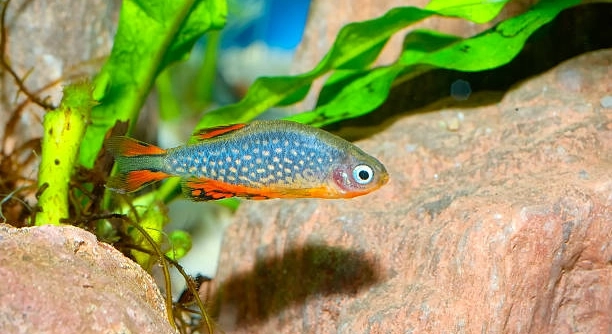
Have you ever noticed your danios acting restless or hiding more than usual in the tank? Keeping them healthy can feel tricky, especially when water quality is involved. Monitoring their environment is key for their well-being.
Danios require regular checks of water parameters to maintain optimal health. Key times include after water changes, feeding, introducing new fish, noticing unusual behavior, adjusting filtration, during disease outbreaks, and before breeding. These checks ensure stable, safe conditions.
Knowing when to monitor water can make all the difference for your danios’ comfort and longevity. Simple timing and observation prevent problems before they escalate.
After Water Changes
Changing water is one of the most important times to check your danios’ environment. Even a partial water change can alter the tank’s pH, temperature, or hardness. Sudden shifts in these parameters can stress fish, leading to erratic swimming, loss of appetite, or weakened immunity. I always test the water immediately after a change to ensure stability. Checking for ammonia, nitrites, and nitrates is essential because leftover residues from the old water or tap chemicals can affect the fish. Temperature swings are also common if new water isn’t acclimated properly. Using a reliable thermometer helps maintain the right range. Over time, consistent monitoring during water changes makes it easier to notice small shifts before they become major problems. Regular testing also helps you understand how your specific setup responds to water changes, including filter efficiency and how quickly chemicals stabilize. These small habits contribute to a healthier, calmer tank for danios.
After every water change, testing ammonia, nitrites, nitrates, and temperature ensures your danios remain in stable, healthy conditions.
Monitoring water after a change can prevent sudden stress and keep fish behavior normal. Regular observation builds confidence in maintaining a balanced tank.
After Adding New Fish
Introducing new danios or other species can impact water balance. Testing the water immediately after adding new fish helps detect sudden spikes in ammonia or nitrites, which often occur as bio-load increases. It also ensures that temperature and pH remain safe for both existing and new inhabitants.
Proper monitoring is crucial to prevent stress and disease spread. Quarantining new fish beforehand reduces risks, but the main tank should still be checked regularly. Using a test kit allows tracking nitrate buildup over several days, especially as fish adjust. Stress from new additions can lower immunity, so stable water helps them adapt faster. Observation of behavior is also important; lethargy, gasping, or unusual swimming patterns can indicate problems that testing can confirm. Keeping records of water parameters before and after adding fish provides insight for future introductions. Maintaining patience and diligence at this stage supports long-term health and reduces potential losses. Ensuring a clean, stable environment also minimizes aggression among danios adjusting to newcomers.
After Feeding
Feeding can quickly affect water quality. Uneaten food decomposes, raising ammonia and nitrate levels, which can stress danios. Checking water after meals helps prevent problems before they start.
I usually test the tank a few hours after feeding, especially if the fish are eating more than usual. Even small amounts of leftover food can affect water chemistry over time. Overfeeding often leads to cloudy water or stronger odors, both signs that testing is needed. By monitoring after feeding, I can adjust portion sizes or feeding frequency to maintain a cleaner, safer tank environment. It also helps me notice if some fish are eating differently, which can signal health issues. Consistent testing at this time prevents chemical spikes and keeps the fish comfortable.
After a few weeks of checking water post-feeding, I noticed calmer behavior and less stress in my danios. Small adjustments in feeding improve both water quality and overall fish health, making daily care easier.
When Introducing New Decorations or Equipment
Adding decorations or new equipment can change water chemistry or disrupt established biological balance. Testing ensures pH, hardness, and other parameters remain stable after the change.
New items often leach minerals or chemicals, especially if unwashed or made from unsafe materials. Testing helps detect unexpected shifts early. Filters, heaters, and lighting adjustments can also affect water temperature or oxygen levels. Monitoring water ensures that these changes don’t create stress for danios. I always check parameters over a few days after adding something new to confirm stability. Consistent observation prevents sudden drops in water quality and allows adjustments before problems arise.
Over time, this habit has made adding new decorations less stressful. My fish adapt faster, and I avoid unnecessary health issues. Testing ensures each addition improves the tank without disrupting the delicate balance. It also builds confidence in choosing new items, knowing the environment remains safe and stable for danios.
When Fish Show Signs of Stress
Stress in danios can appear as hiding, rapid swimming, or loss of appetite. Testing water immediately helps identify causes like ammonia spikes, temperature changes, or pH shifts.
Quick checks allow timely corrections. I usually focus on ammonia, nitrites, and temperature first, since these directly affect fish health and behavior.
During Disease Outbreaks
When illness appears, water quality must be closely monitored. Pathogens and weakened fish are more sensitive to changes, so ammonia, nitrites, nitrates, pH, and temperature should be checked daily. Maintaining a clean, stable environment reduces further complications and supports recovery.
Regular testing during outbreaks ensures the water does not worsen conditions. I often record readings to track trends and identify subtle changes that might affect treatment effectiveness. Adjusting water changes, improving filtration, and maintaining proper temperature become more precise with consistent monitoring. Careful attention during illness can shorten recovery time and prevent secondary issues from arising.
Before Breeding
Testing water before breeding ensures conditions are optimal. Stable pH, temperature, and low nitrate levels encourage healthy spawning.
How often should I test my danios’ water?
Testing frequency depends on tank size, stocking levels, and maintenance routines. I check water at least once a week for stable tanks, and more often after water changes, feeding, or adding fish. Frequent checks help catch small issues before they escalate into serious problems. For new setups, daily testing is best to ensure biological balance is established. Tracking parameters over time also helps recognize patterns, like how water reacts after changes or how quickly nitrates build up. Consistency provides a safer environment and reduces stress for danios, allowing them to thrive without sudden fluctuations.
Which water parameters are most important for danios?
Ammonia, nitrites, nitrates, pH, and temperature are critical for danio health. Ammonia and nitrites should always be zero, while nitrates should remain low. I pay close attention to pH, keeping it in a slightly neutral range, and monitor temperature to prevent sudden drops or spikes. Hardness and general minerals can also affect long-term health, but I focus primarily on the basics. Observing fish behavior alongside testing can confirm if parameters are within a safe range. Sudden lethargy or unusual swimming often indicates a parameter is off, so testing and observation together ensure accurate assessment.
What tools should I use for testing?
I rely on reliable liquid test kits or digital meters for accuracy. Strips are convenient, but they may be less precise, especially for ammonia and nitrites. A thermometer is essential for monitoring temperature consistently. Some people also use pH meters or electronic water quality monitors, which can provide instant readings. Keeping multiple tools allows cross-checking results, giving confidence that the readings are correct. Regular calibration of meters is important, especially if results seem off. Investing in good-quality tools reduces guesswork and helps maintain a stable environment, which is crucial for danios to stay healthy and active.
Can water changes fix all problems?
Water changes improve quality but don’t solve every issue. I use them to reduce nitrate buildup, remove excess waste, and restore balance after parameter fluctuations. However, underlying causes like overfeeding, overcrowding, or disease must also be addressed. Relying only on water changes can mask problems temporarily, but consistent monitoring and proper maintenance prevent repeated stress. Planning water changes carefully, with attention to temperature and chemical balance, supports long-term stability.
How do I handle parameter spikes?
If ammonia or nitrites rise, immediate partial water changes are my first step. Adjusting filtration and checking for decaying matter also helps. Sudden pH shifts can be corrected gradually using safe buffers. Temperature changes require gradual adjustment to avoid shocking the fish. I monitor closely over the next few hours to ensure stability. Acting quickly prevents stress, reduces the risk of illness, and keeps danios active and comfortable. Keeping a log of spikes also helps identify triggers, making future prevention easier.
Is tap water safe for danios?
Tap water can be safe if treated properly. I always use a dechlorinator to remove chlorine or chloramine. Testing for pH and hardness helps ensure compatibility with danios. Sometimes, tap water requires adjustments, such as slight heating or mixing with aged water, to match the tank environment. Consistent testing after introducing tap water prevents unexpected changes that could stress the fish. Preparing water in advance gives time for temperature and chemical stabilization, creating a smoother transition for the fish.
Can I skip testing if my tank looks fine?
Even if the water looks clear and the fish seem healthy, I never skip testing. Parameters can change silently, and stress or toxins may develop without visible signs. Regular checks prevent sudden problems and keep the environment predictable. Observing behavior is helpful, but testing confirms safety. Developing a routine builds confidence and ensures danios remain active, healthy, and less prone to disease. I treat testing as a simple habit that safeguards their daily well-being.
What signs indicate testing is needed immediately?
Immediate testing is necessary if fish show unusual behavior, such as gasping at the surface, lethargy, or rapid swimming. Cloudy water, strong odors, or excessive algae growth also signal potential chemical imbalances. I prioritize checking ammonia, nitrites, nitrates, and temperature first, then adjust as needed. Acting quickly often prevents serious health issues and keeps the tank stable. Regular observation combined with testing creates a proactive approach that minimizes stress and maintains a safe environment.
Can I rely on others’ advice for water parameters?
Recommendations from others can guide you, but I always verify them with my own tests. Every tank setup is unique, with different filtration, fish density, and water sources. Testing ensures that advice works for your specific environment. Relying solely on general advice can lead to overlooked problems or unsafe conditions. Monitoring results personally gives confidence that parameters are suitable for my danios. Over time, testing becomes intuitive, and I can anticipate changes before they affect the fish.
How long does it take for water to stabilize after changes?
Stabilization depends on tank size, filtration, and recent adjustments. Small changes in a well-established tank may take only a few hours, while larger water changes or new additions can require a day or more. I usually test twice a day initially, then reduce frequency once parameters are stable. Patience is important, as rushing adjustments can stress danios. Keeping records of past changes helps predict stabilization times. Consistent monitoring ensures the environment remains safe and prevents sudden stress or illness.
Maintaining the right water parameters for danios is not complicated, but it does require consistency and attention. Regularly testing for ammonia, nitrites, nitrates, pH, and temperature helps prevent stress and disease. Even small shifts in water chemistry can affect fish behavior and health, so observing your tank daily and checking key parameters weekly or after major events keeps your environment safe. Over time, testing becomes a simple part of routine care rather than a chore. I have found that keeping a small log of readings helps me notice trends and anticipate potential issues before they affect the fish. It also makes it easier to adjust feeding, filtration, or water changes based on what the tank needs rather than guesswork.
Water changes, feeding, adding new fish, or introducing decorations all have the potential to impact your tank’s balance. Doing small, controlled changes while monitoring the water helps danios adapt without stress. I try to introduce new elements slowly and always test parameters immediately afterward. This approach reduces surprises, such as sudden ammonia spikes or temperature drops, that could harm the fish. Using proper equipment, like thermometers and liquid test kits, ensures accurate results, which are especially important during sensitive times such as disease outbreaks or breeding. By keeping the water consistent and safe, your danios can stay active, colorful, and healthy for years. Regular attention to these details is more effective than reacting to problems after they occur.
Consistency and observation are the keys to successful danio care. Keeping testing simple and routine builds confidence and makes it easier to notice when something is off. Parameters do not have to be perfect at every moment, but they should stay within safe ranges to minimize stress. Small habits, like testing after water changes or feeding, checking for unusual fish behavior, and adjusting care as needed, go a long way in maintaining a healthy environment. Over time, these habits become second nature, and the fish thrive with minimal issues. Monitoring water is not just about preventing problems—it also improves the overall experience of keeping danios, making the tank more enjoyable to watch and care for. A stable, clean environment supports their energy, coloration, and natural behaviors, creating a balanced, healthy tank that benefits both the fish and the keeper.

Hello,
If you enjoy the content that we create, please consider saying a "Thank You!" by leaving a tip.
Every little bit helps us continue crafting quality advice that supports the health, happiness, and well-being of pets around the world, for pets of all shapes, sizes, and species.
We really appreciate the kindness and support that you show us!