
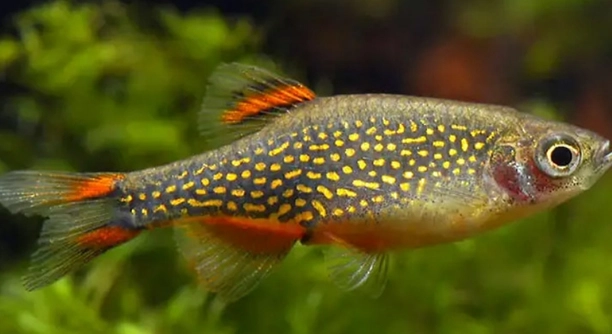
Introducing new tankmates can be an exciting yet delicate process for danios. These lively fish may display behaviors that are unexpected, ranging from cautious observation to sudden bursts of activity in response to their new companions.
Danios often respond to new tankmates with changes in swimming patterns, feeding behavior, and social interaction. They may display aggression, hiding tendencies, or increased curiosity depending on species compatibility, tank size, and environmental factors, which collectively influence their adaptation process.
Observing these behaviors closely allows you to ensure a harmonious aquarium environment and better understand how each danio adjusts to its new surroundings.
Sudden Darts and Quick Movements
When new tankmates are introduced, danios may suddenly dart around the aquarium. These quick movements are a natural response to change in their environment. You might notice them flitting from one corner to another, sometimes appearing restless or skittish. This behavior is not necessarily aggressive; it is often a way for them to assess the safety of their surroundings. Danios are active swimmers by nature, and introducing unfamiliar fish can temporarily heighten their activity levels. Observing these bursts of energy can help you gauge how comfortable they are. Over time, as they acclimate, these sudden movements generally become less frequent. Ensuring there are hiding spots and enough open swimming space can reduce stress. Plants, decorations, or even floating objects create a balanced environment. The combination of observation and preparation allows danios to adjust more smoothly to the presence of new tankmates while maintaining their natural behavior.
Danios’ bursts of speed often signal caution rather than aggression. Keeping the tank environment stable aids adjustment.
Creating a balanced tank setup encourages calmer interactions. Providing both hiding areas and open space lets danios move freely while feeling secure. Over the first few days, their activity patterns gradually normalize, reflecting growing comfort with new companions. Monitoring behavior helps you respond if stress signs persist. Proper acclimation reduces sudden dashes and supports long-term harmony, allowing the aquarium to remain lively without constant tension.
Increased Curiosity Towards Tankmates
Danios often show curiosity by approaching new fish or inspecting unfamiliar corners of the tank. This behavior is usually calm and investigative rather than aggressive.
As their confidence grows, danios may swim near the new tankmates, following them or mimicking their movements. Observing these interactions provides insights into compatibility, as some danios will quickly form loose groups while others prefer distance. Tank layout can influence these behaviors, as open areas encourage interaction, while dense decorations may limit visibility and movement. Feeding times often amplify curiosity, as danios assess how the newcomers respond to food. Over the first week, most danios gradually reduce nervous inspection and become comfortable sharing space. Patience is key, as forcing interaction can increase stress. Keeping water conditions stable and monitoring for signs of aggression ensures that curiosity remains healthy. This careful observation allows adjustments if necessary, creating a harmonious environment where danios and their tankmates coexist without conflict.
Temporary Hiding
Danios often retreat to plants or decorations when new tankmates arrive. This hiding is a normal stress response and helps them feel secure while adjusting to unfamiliar fish in the tank environment.
Providing ample cover like plants or caves reduces stress and prevents constant skittish behavior. Danios may hide for hours or even days, especially when larger or more active fish are present. The key is to observe without disturbing them, allowing them to explore at their own pace. Over time, their hiding decreases as confidence grows, and they gradually rejoin the main swimming areas. Tank design plays a crucial role, as strategic placement of hiding spots ensures that each fish can find refuge without feeling cornered. A balanced combination of open swimming space and secure areas encourages natural behavior while minimizing conflict.
Gradual exposure to new tankmates allows danios to emerge from hiding more quickly. Controlled interaction supports long-term comfort and stability in the aquarium.
Shifts in Feeding Behavior
Danios may become hesitant or competitive around food when new fish join the tank. This shift is often temporary and reflects uncertainty rather than aggression.
Initially, feeding times can become tense, with danios either rushing to grab food first or staying back to observe the newcomers. Some may nibble less, while others become more assertive, pushing for access. Monitoring these changes helps identify whether the tankmates are compatible and if adjustments to feeding strategies are needed. Using multiple feeding points or spreading food across the tank encourages equitable access and reduces stress-related behavior. Over days, most danios regain normal feeding patterns as they recognize that the tank resources are sufficient. Feeding adjustments and careful observation are essential to prevent long-term stress or nutritional issues.
Gradually, feeding behavior stabilizes as danios grow accustomed to their companions. Consistency in feeding routines supports overall health and social balance in the tank.
Mild Aggression
Danios sometimes show short bursts of aggression when new tankmates arrive. This can include chasing or nipping, usually directed at fish of similar size or slower species. It is typically brief as they establish a social hierarchy.
Aggressive displays often decrease as the fish adjust. Providing ample space and hiding areas helps reduce tension and prevents prolonged conflicts.
Color Changes
Danios may display subtle changes in coloration when introduced to new tankmates. Stress or excitement can cause temporary darkening or fading of their usual colors.
These shifts usually normalize once the fish settle into a stable routine. Monitoring water quality and minimizing sudden disturbances support faster recovery of natural coloration, ensuring that their vibrant patterns return as they feel secure.
Increased Vocalization or Movement
Some danios exhibit more frequent fin flicking, tail movement, or soft sounds during initial interactions. These behaviors signal alertness and communication.
Observing these movements helps gauge comfort levels and social dynamics. Over time, the activity becomes more coordinated and less erratic as the fish adapt to each other, promoting a peaceful aquarium environment.
FAQ
Why do my danios suddenly dart around when new fish are added?
Danios are naturally active swimmers, and sudden movements are often a response to unfamiliar tankmates. This behavior is usually temporary and reflects caution rather than aggression. They may flit between hiding spots or swim quickly along the tank edges to assess safety. Providing open swimming areas alongside plants or decorations allows them to feel secure. Over several days, their movements typically normalize as they grow accustomed to the new environment. Observation is key to ensure the bursts are short-lived and not a sign of persistent stress.
Why are my danios hiding more than usual?
Hiding is a common response when new fish enter the tank. Danios use plants, caves, and decorations to feel protected while acclimating to new companions. This behavior reduces stress and allows them to observe the newcomers from a safe distance. Hiding may last from hours to several days, depending on the size of the tank and the temperament of both existing and new fish. Ensuring multiple hiding areas prevents overcrowding and helps maintain peaceful interactions. As they gain confidence, they gradually spend more time in open swimming areas.
Why have my danios changed their feeding habits?
Feeding behavior can shift when new tankmates are introduced. Some danios may become hesitant, eating less while observing others, while some may act more competitive to secure food. Using multiple feeding points or distributing food evenly across the tank reduces stress and ensures all fish get sufficient nutrition. Over time, as the danios recognize stable access to food, their feeding patterns return to normal. Monitoring for changes in appetite helps identify potential stress or compatibility issues between tankmates.
Why do my danios show mild aggression towards newcomers?
Short bouts of chasing or nipping are common as danios establish a social hierarchy. This aggression usually targets fish of similar size and rarely causes serious harm. Providing adequate swimming space and hiding areas reduces prolonged conflicts and helps fish adjust without ongoing stress. Over days, aggressive behavior typically decreases, and the fish settle into a more balanced social structure.
Why are my danios’ colors fading or darkening?
Color changes often indicate stress or excitement due to new tankmates. Temporary darkening or fading is normal as they adapt. Maintaining stable water conditions, minimizing sudden disturbances, and providing secure hiding areas support the return of natural coloration. Over a few days to a week, most danios regain their usual vibrant patterns once they feel comfortable and safe.
Why are my danios flicking fins or showing unusual movements?
Increased fin flicking, tail movement, or subtle sounds are signs of alertness and communication when new fish are added. These behaviors help danios establish social boundaries and assess interactions. As they adapt, movements become smoother and more coordinated, reflecting growing comfort with tankmates. Observing these behaviors ensures early detection of stress or tension.
How can I help my danios adjust to new tankmates?
Provide hiding spots, maintain stable water quality, and avoid sudden changes. Gradually introduce new fish to minimize stress. Monitor interactions, especially in the first week, and adjust feeding routines to ensure fair access for all fish. Patience and careful observation encourage natural behavior and long-term harmony.
Is temporary stress harmful to danios?
Short-term stress from new tankmates is normal and rarely harmful if proper care is taken. Stress becomes concerning only if it persists, affecting appetite, swimming behavior, or coloration. Interventions like adding hiding spots, adjusting tank layout, and maintaining clean water help reduce prolonged stress.
Can danios live peacefully with all fish species?
Compatibility depends on species size, temperament, and activity levels. Danios generally coexist well with other peaceful, active fish but may show tension with slow-moving or aggressive species. Observing interactions early helps determine if adjustments or rehoming are necessary to maintain a peaceful aquarium.
How long does it take for danios to fully acclimate to new tankmates?
Adjustment usually takes several days to a few weeks. The timeline varies depending on tank size, number of new fish, and individual temperament. Continuous observation and consistent care support smoother acclimation, allowing danios to regain normal activity, feeding, and social behavior.
What signs indicate that my danios are not adjusting well?
Persistent hiding, refusal to eat, extreme aggression, or dull coloration indicate prolonged stress. Immediate action, such as separating incompatible fish or enhancing hiding spaces, is needed to prevent health issues. Early detection and intervention are critical for maintaining a balanced, stress-free aquarium environment.
Are there any preventive steps before introducing new tankmates?
Quarantining new fish, maintaining optimal water quality, and preparing the tank with hiding areas reduce stress. Gradual introductions using a divider or acclimation container allow danios to observe newcomers safely. Planning ahead ensures smoother integration and minimizes behavioral disruptions.
How does tank size affect danio behavior with new fish?
Larger tanks provide more space for exploration and hiding, reducing stress and aggression. Smaller tanks can increase tension as fish compete for limited space. Ensuring adequate room for swimming and separation helps danios adjust more comfortably to new tankmates.
Can diet changes affect danio adaptation?
Stable nutrition supports resilience during adjustment. Offering familiar foods while gradually introducing new types can reduce stress. Sudden diet changes may compound anxiety from new tankmates. Consistent feeding routines help maintain health and normal behavior during the acclimation period.
Is monitoring water quality important during introductions?
Yes. Stable water parameters reduce stress and prevent health issues. New fish can alter water chemistry slightly, so regular testing for ammonia, nitrites, and nitrates ensures a safe environment. Clean water helps danios adapt more quickly and maintain vibrant colors.
How do social dynamics influence danio responses?
Danios establish hierarchies and may display aggression or avoidance temporarily. Observing interactions helps determine if the group is compatible. Providing multiple hiding areas and space encourages peaceful relationships and minimizes conflict over territory or food.
How often should I check on danios after introducing new fish?
Frequent observation during the first week is crucial. Watching behavior, feeding, and interactions allows early detection of stress or aggression. Once patterns stabilize, regular daily checks are sufficient to maintain a balanced and healthy aquarium.
Can environmental enrichment help with adaptation?
Yes. Plants, rocks, and decorations provide hiding spots and exploration opportunities. Enrichment reduces stress, encourages natural behaviors, and allows danios to engage with their environment while gradually accepting new tankmates.
Do all danios react the same way to new tankmates?
Individual temperament varies. Some may be bold and curious, while others are shy or easily stressed. Understanding each fish’s personality helps in planning tank introductions and ensuring that all individuals adjust without prolonged stress.
What should I avoid when introducing new tankmates?
Avoid overcrowding, sudden changes, and aggressive species. Do not force interactions or remove hiding areas. Minimizing disturbances and monitoring behavior reduces stress and supports a harmonious environment for all fish.
How can I tell if my tank setup is suitable for new fish?
Check for sufficient swimming space, multiple hiding spots, and stable water parameters. A well-planned layout allows both existing danios and newcomers to coexist with minimal stress and reduces conflict over territory or food.
Are there signs that new fish are affecting danio health?
Watch for reduced appetite, color fading, unusual swimming patterns, or persistent hiding. These signs may indicate stress or incompatibility. Prompt adjustments to tank conditions or separation of fish may be necessary to protect danio health.
Can acclimation techniques reduce initial stress?
Yes. Gradual introductions using a divider, slow water mixing, and controlled observation help danios adjust without sudden shock. Acclimation techniques improve comfort and accelerate adaptation to new tankmates, supporting stable social dynamics.
How do lighting and tank layout influence behavior?
Proper lighting and strategically placed decorations provide visibility while allowing secure hiding areas. Balanced layouts encourage exploration, reduce territorial disputes, and help danios feel confident in their environment.
Is ongoing monitoring necessary after full acclimation?
Yes. Even after initial adjustment, periodic observation ensures early detection of stress, aggression, or health issues. Maintaining a consistent routine supports long-term harmony among all tankmates.
Can stress from new fish affect danio lifespan?
Prolonged stress can weaken the immune system, affect feeding, and reduce vitality, potentially shortening lifespan. Minimizing stress through proper introductions, hiding areas, and water maintenance helps protect long-term health and well-being.
Are there any tools or products that assist with acclimation?
Using acclimation containers, tank dividers, and stable water conditioners can ease introductions. These tools allow controlled observation and prevent direct contact until danios feel secure, supporting smooth integration and minimizing conflict.
How does tankmate size impact danio behavior?
Smaller or slower fish may be targets of chasing, while larger or aggressive fish can intimidate danios. Choosing compatible sizes reduces stress and promotes peaceful cohabitation. Proper observation helps identify suitable tankmates.
What is the best approach if aggression persists?
If chasing or nipping continues beyond a few days, consider separating the fish temporarily, rearranging the tank, or adding more hiding spots. Persistent aggression indicates incompatibility and requires intervention to maintain health and safety.
How can I encourage positive social behavior?
Providing enough space, multiple feeding locations, and hiding spots encourages natural social interactions. Gradual exposure and stable conditions help danios display curiosity rather than fear or aggression, promoting long-term harmony.
Should I introduce all new fish at once?
Introducing multiple fish simultaneously can overwhelm danios. Staggered introductions allow observation of each new fish’s behavior and compatibility, reducing stress and making it easier to manage adjustments.
Can stress signs be subtle?
Yes. Minor hiding, slight color changes, or reduced movement may indicate stress. Early recognition allows corrective actions before serious health issues develop, ensuring a stable environment.
Do environmental changes besides tankmates affect behavior?
Yes. Water temperature fluctuations, lighting changes, and sudden decoration rearrangements can stress danios. Keeping the environment consistent helps them adjust to new fish more effectively.
Are danios sensitive to tank noise or vibrations?
Yes. Loud sounds or constant vibration can increase stress, especially during acclimation. Minimizing disturbances supports calmer behavior and smoother integration with new tankmates.
How long should I expect behavioral changes to last?
Most temporary behaviors normalize within days to a few weeks. Continuous monitoring and proper care ensure that danios return to normal activity, feeding, and social patterns once they feel secure.
Can companionship among danios help adaptation?
Yes. Existing danios often provide social reassurance for new tankmates. Their established presence encourages calm exploration and can reduce fear, supporting smoother adaptation and stronger group cohesion.
What is the most important factor for successful integration?
Observation, patience, and environmental preparation are key. Adequate space, hiding spots, stable water quality, and careful feeding routines ensure that danios and new tankmates adjust without prolonged stress or conflict.
How do I know when it is safe to remove temporary barriers?
Once danios and new fish interact calmly, show normal feeding patterns, and display stable social behavior, dividers or acclimation containers can be safely removed. This signals that they have successfully adjusted to each other.
Can stress affect breeding behavior?
Yes. Stressed danios may postpone or avoid spawning. Ensuring minimal stress through proper introductions and a secure environment promotes healthy reproductive behavior when conditions are optimal.
Are there long-term signs of successful adaptation?
Consistent swimming patterns, normal feeding, stable coloration, and peaceful social interactions indicate full acclimation. These behaviors show that danios feel comfortable and secure in the presence of new tankmates.
How often should tank maintenance be performed during acclimation?
Regular water checks and partial changes are essential. Maintaining clean, stable conditions reduces stress and supports healthy behavior while danios adjust to their new companions.
Is there a role for observation logs?
Keeping a brief record of behavior, feeding, and interactions helps track progress and identify issues early. Logs are useful for adjusting care routines and ensuring smooth long-term adaptation.
What if a danio refuses to eat for several days?
Persistent refusal may indicate stress, illness, or incompatibility. Providing hiding areas, separating aggressive tankmates, and monitoring water quality can help, but prolonged appetite loss may require veterinary consultation.
Can lighting schedules influence acclimation?
Yes. Gradual lighting changes mimic natural conditions and reduce stress. Consistent light cycles support normal behavior and help danios adjust to new tankmates without added anxiety.
Are danios more stressed in groups or alone?
Danios are schooling fish, and being in small groups provides social security. Introducing new tankmates with a small established group reduces stress, allowing them to feel supported while exploring and adapting.
What is the best way to monitor long-term adaptation?
Regularly observe behavior, feeding, color, and social interactions. Stable patterns over weeks indicate successful integration, while deviations suggest ongoing stress or compatibility issues needing attention.
Can temperature shifts worsen stress during introductions?
Yes. Sudden temperature changes can amplify stress responses. Maintaining stable, species-appropriate water temperature helps danios remain calm and adjust more quickly to new tankmates.
How important is quarantine before adding new fish?
Quarantining prevents disease transmission and allows observation of behavior before introduction. Healthy, parasite-free fish reduce stress for danios and support a smooth acclimation process.
Does the number of new fish matter?
Adding multiple new fish at once can increase stress. Gradual introduction allows existing danios to adjust and reduces risk of conflict or prolonged hiding. Controlled numbers improve overall integration success.
How do I address prolonged hiding after several weeks?
Persistent hiding may indicate incompatibility, illness, or insufficient hiding spots. Evaluate tankmates, check water quality, and adjust environment to encourage normal exploration and activity.
Can water flow affect behavior with new tankmates?
Yes. Strong currents may stress some danios, especially timid individuals. Balanced water flow ensures comfort, allowing smoother adaptation and natural swimming behavior.
What is the role of tank decorations in social hierarchy?
Decorations provide territory markers and refuge, helping reduce aggression and allowing fish to establish personal space. Proper layout supports calm interactions and minimizes disputes during adaptation.
Do danios remember stressful interactions?
Yes. Previous negative encounters may cause temporary avoidance or caution. Over time, positive experiences with stable tankmates help rebuild confidence and normalize behavior.
How can I tell if danios are interacting positively with new fish?
Signs include calm swimming near companions, synchronized movement, normal feeding, and reduced hiding. Positive interactions reflect comfort and indicate successful adaptation.
What should I do if aggression escalates unexpectedly?
Separate aggressive individuals, increase hiding spots, or rearrange tank layout. Persistent escalation suggests incompatibility, and further adjustments may be necessary to protect the health of all fish.
Are some danio species more sensitive to new tankmates?
Yes. Species temperament varies. Some are bold and curious, while others are shy and easily stressed. Understanding species-specific behavior helps plan introductions effectively.
Can introducing plants reduce stress?
Yes. Plants provide hiding spots, create visual barriers, and offer exploration opportunities. They help danios feel secure while adapting to new companions.
Does feeding frequency impact stress levels?
Consistent feeding supports calm behavior. Sudden changes or competition can increase stress. Multiple feeding points help all fish access food without conflict.
How long should I maintain extra observation during acclimation?
At least one to two weeks of focused observation is recommended. After patterns stabilize, routine checks are sufficient to ensure continued comfort and harmony.
Can tank size changes affect adaptation?
Yes. Larger tanks provide space for exploration and hiding, reducing stress and aggression. Smaller tanks can exacerbate tension, making careful observation and management essential.
Do danios interact differently with fast-moving versus slow-moving fish?
Yes. Fast-moving fish may trigger chasing or stress, while slow-moving fish may intimidate timid danios. Choosing compatible activity levels minimizes tension and promotes peaceful cohabitation.
Can lighting intensity influence interactions?
Bright light may increase visibility but also stress shy fish. Dimmed or moderate lighting reduces anxiety, allowing calmer observation and interaction among tankmates.
How do water chemistry fluctuations affect behavior?
Sudden changes in pH, hardness, or ammonia levels can increase stress, affecting feeding, hiding, and social interactions. Stable chemistry is essential for smooth adaptation.
Is regular observation enough to prevent long-term stress?
Observation is critical but must be paired with proper tank maintenance, compatible tankmates, and enrichment to ensure long-term well-being and prevent stress-related health issues.
Can temporary barriers help prevent bullying?
Yes. Dividers allow controlled introduction, giving danios time to acclimate without direct confrontation. Gradually removing barriers ensures safe interaction once comfort is established.
How do water temperature and flow work together?
Balanced temperature and gentle flow reduce stress. Extreme currents or sudden temperature shifts can exacerbate fear responses during introductions. Consistency promotes calmer adaptation.
Should I consider adding more danios when introducing new fish?
Adding a small group of danios can provide social support and reduce stress for both newcomers and existing fish. Too many, however, may overcrowd the tank and increase tension.
How does individual temperament affect adaptation speed?
Shy or cautious danios take longer to adjust, while bold individuals acclimate quickly. Recognizing personality differences helps manage expectations and care during introductions.
Can observation of body language indicate readiness for interaction?
Yes. Relaxed fins, normal swimming, and feeding are signs danios are ready to interact. Tense postures, flared fins, or constant hiding indicate more time is needed.
Does tank maintenance frequency change during acclimation?
Yes. Frequent checks and partial water changes help maintain stable conditions, supporting smooth adjustment and minimizing stress. Routine upkeep remains essential throughout the adaptation period.
Can the presence of multiple hiding spots reduce aggression?
Yes. Hiding areas allow fish to escape confrontations and establish personal space. This reduces chasing, nipping, and prolonged stress among danios and new tankmates.
How long should I expect color changes to last?
Typically, color shifts are temporary, lasting a few days to a week. Stable water conditions and reduced stress allow danios to regain their natural vibrancy.
Can danios form bonds with new tankmates?
Yes. Over time, danios may swim together or follow new companions. These interactions indicate growing comfort and successful social integration.
Are there signs of persistent stress despite acclimation efforts?
Prolonged hiding, loss of appetite, dull coloration, or continuous aggression suggest ongoing stress. Immediate intervention is necessary to protect fish health.
How can I reduce stress for timid danios specifically?
Provide additional hiding spots, minimize disturbances, and allow gradual exposure to new fish. Patience and careful observation help shy individuals adapt safely.
Does group size influence hierarchy formation?
Yes. Small groups form faster hierarchies, while larger groups may have extended adjustment periods. Ensuring adequate space and resources prevents conflict.
Can environmental enrichment shorten adjustment time?
Yes. Plants, decorations, and open
Final Thoughts
Introducing new tankmates to danios can bring unexpected behaviors, but most are natural responses to change. Sudden darting, hiding, or shifts in feeding are ways for these fish to assess their environment and feel secure. Observing these behaviors closely provides insight into how each danio is coping with the presence of new companions. While it may seem concerning at first, most behaviors normalize over time as the fish adjust and become comfortable with their surroundings. Careful planning before adding new tankmates, including providing hiding spots, maintaining stable water conditions, and ensuring ample swimming space, helps reduce stress and supports smoother adaptation. Patience is essential, as forcing interaction or disturbing hiding areas can prolong stress or create conflict.
Danios also respond differently depending on their temperament, size, and the types of tankmates introduced. Some fish are bold and curious, exploring the aquarium and interacting almost immediately, while others may be more cautious, spending hours hiding or observing from a distance. Understanding these personality differences allows for more informed management of the tank environment. Providing multiple feeding points, plants, and decorations encourages natural behavior and prevents competition or aggression. Temporary barriers or dividers can also be useful during the first few days, giving danios time to acclimate safely. Over weeks, most danios regain their usual swimming patterns, coloration, and feeding habits, signaling that they have fully adjusted to the new tankmates. Observation remains key throughout this period to ensure all fish maintain healthy behavior and social balance.
Long-term harmony in a mixed aquarium requires consistent care, patience, and attention to environmental factors. Maintaining clean water, monitoring interactions, and minimizing sudden changes in lighting, temperature, or tank layout helps danios feel secure and prevents prolonged stress. Social dynamics within the tank are fluid, and providing adequate space for personal territories reduces tension. Even after full acclimation, regular observation ensures that subtle signs of stress or aggression are caught early. Understanding danio behavior and responding appropriately helps create a stable environment where both existing and new fish can thrive. By taking careful steps, monitoring closely, and giving each fish time to adjust, you can foster a peaceful and balanced aquarium that supports natural behaviors and long-term health for all tank inhabitants.

Hello,
If you enjoy the content that we create, please consider saying a "Thank You!" by leaving a tip.
Every little bit helps us continue crafting quality advice that supports the health, happiness, and well-being of pets around the world, for pets of all shapes, sizes, and species.
We really appreciate the kindness and support that you show us!