
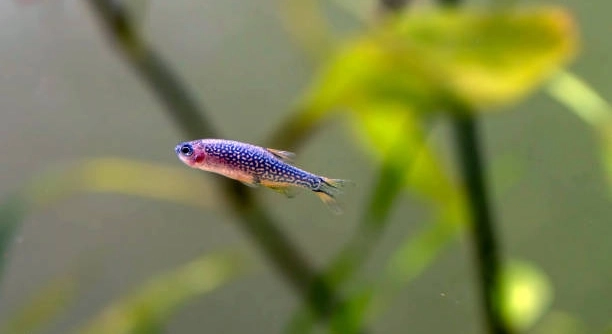
Keeping your danios calm during loud events can feel challenging, especially when sudden noises startle them. Their natural sensitivity to vibrations and sound can create stress, affecting their behavior and overall well-being in the aquarium environment.
The best approach to maintaining calm danios during loud events involves creating a stable environment, minimizing sudden disturbances, and providing visual barriers or hiding spots. Proper tank placement, gentle lighting, and consistent routines significantly reduce stress responses.
Learning how to implement these measures ensures your danios remain healthy and composed during noisy occasions, making your aquarium a peaceful and safe space for them.
Understanding Danios’ Sensitivity to Noise
Danios are naturally alert and responsive to sudden changes in their environment. Loud noises can trigger stress behaviors such as rapid swimming, darting, or hiding. Their small size and delicate physiology make them particularly sensitive to vibrations, including footsteps, slamming doors, or music. Even household appliances like vacuum cleaners or blenders can cause noticeable disturbances in their tank. Stress not only impacts behavior but also affects feeding patterns, immune response, and overall health. Maintaining a consistent environment with minimal sudden disruptions is key to supporting their well-being. Subtle adjustments in tank placement, away from high-traffic areas or windows facing street noise, can make a significant difference. Providing enrichment, like plants or decorations, also gives them secure hiding places. Regular monitoring of their behavior helps identify specific triggers so you can intervene early. Over time, these adjustments create a calmer environment where danios can thrive and exhibit natural, healthy behaviors.
Creating a predictable environment helps reduce anxiety in danios and keeps them active without unnecessary stress.
Stress responses in danios manifest through increased swimming speed, erratic movements, and hiding. Observing these behaviors consistently indicates that adjustments are necessary. Small changes like soft lighting, reduced noise exposure, and structured feeding times encourage a stable routine. Adding floating plants or shelters offers visual protection, allowing them to feel secure even during unavoidable loud events. Consistency in care and environment reduces cortisol levels in fish, helping them maintain healthy immune function. Regular interaction and gentle maintenance minimize unexpected vibrations. Choosing a quieter spot for the tank or using background white noise can dampen external disturbances. Even subtle factors, like sudden shadows or reflections, may affect their comfort. Over time, these preventative measures build resilience, helping danios handle periodic household noises without excessive stress. Observing individual responses allows for targeted solutions, ensuring each fish’s needs are met effectively and compassionately.
Preparing the Aquarium for Noisy Occasions
Before loud events, simple adjustments to the aquarium can prevent stress. Covering the tank partially with a cloth or placing decorations strategically offers hiding spots and reduces visual disturbances.
Providing ample shelter and maintaining stable water conditions ensures danios remain calm, even when unavoidable noise occurs.
Placing the tank in a low-traffic area minimizes exposure to frequent disturbances. Hiding spots like caves, plants, and floating elements give danios a sense of security. Monitoring water parameters such as temperature and pH is crucial because stress can amplify the effects of minor fluctuations. Gradual, predictable feeding routines help maintain comfort and reduce erratic behavior. Preparing ahead also includes adjusting lighting to prevent sudden changes, which can startle fish during noisy events. Reducing tank vibrations by using mats or soft surfaces underneath helps cushion the impact of household noises. These combined measures create an environment where danios feel protected and less reactive to temporary disturbances, promoting both mental and physical well-being. Regular observation before and after events ensures that adjustments are effective and that the fish remain healthy.
Managing Light and Shadows
Sudden changes in lighting can startle danios, especially during events with flashes or bright lights. Keeping a steady, moderate light level helps them stay calm. Avoid placing the tank where sunlight or reflections cause sudden brightness shifts.
Adjusting lighting gradually prevents stress. Use dimmers or timers to maintain consistent light cycles. Sharp shadows from moving people or decorations can cause sudden darting or hiding behaviors. Floating plants and tank ornaments help diffuse light and create safe zones. Consistency is key, as danios rely on predictable visual cues to feel secure. Even small changes in lighting can have noticeable effects on their behavior.
Monitoring their reactions to light adjustments allows for fine-tuning. Observing swimming patterns and interaction with shelters indicates whether the setup is effective. Combining gradual lighting changes with stable water conditions and ample hiding spots ensures danios remain composed. Over time, these measures reduce panic responses, improve feeding behavior, and enhance overall tank harmony.
Minimizing Vibrations and External Movements
Placing the tank on a stable surface reduces the impact of vibrations from walking, cleaning, or appliances. Mats or padding can further dampen movement and help danios feel secure.
Vibrations transmit through water quickly, startling sensitive fish. Even slight tremors from heavy foot traffic, laundry machines, or vacuuming can trigger stress behaviors. Using a sturdy stand and isolating the tank from high-activity areas is effective. Additionally, avoid bumping or tapping the tank during events. Plants, rocks, and ornaments inside the tank absorb some vibrations, providing a calmer environment. Monitoring fish reactions during routine household activity helps identify specific triggers and adjust placement accordingly. Minimizing these disturbances ensures calmer behavior and reduces long-term stress.
Consistent attention to tank stability supports mental and physical health in danios. Implementing measures like soft padding and careful stand placement reduces sudden shocks. Over time, they adapt to unavoidable vibrations without panic. Combining this with stable lighting, secure shelters, and routine maintenance enhances overall tank harmony. These small but deliberate adjustments create a safer environment, keeping danios composed during loud or busy household moments while preserving their natural behavior.
Using Hiding Spots Effectively
Providing plenty of hiding spots helps danios feel safe during noisy events. Caves, plants, and ornaments give them secure areas to retreat when startled.
Even simple additions like floating plants or dense foliage offer visual cover, reducing stress and encouraging natural behavior.
Regulating Feeding During Stress
Maintaining regular feeding times prevents additional stress. Sudden changes or skipped meals can increase anxiety and affect health. Observing fish eating calmly indicates that the environment supports their well-being.
Feeding smaller amounts more frequently during loud events can prevent competition and reduce frantic behavior. Overfeeding, however, should be avoided, as it can harm water quality and trigger more stress. Ensuring food is distributed evenly across the tank allows all fish access while minimizing movement that could cause panic. Combined with secure hiding spots and stable environmental conditions, careful feeding helps danios maintain composure and reduces stress-related health issues.
Water Quality and Temperature
Stable water conditions are crucial. Sudden temperature swings or poor water quality amplify stress and can impact danios’ immune systems.
Maintaining consistent temperature, pH, and cleanliness keeps them comfortable and less reactive.
FAQ
How can I tell if my danios are stressed during loud events?
Signs of stress include darting around the tank, hiding for extended periods, or decreased appetite. They may also swim frantically near the surface or cling to plants and decorations. Observing these behaviors consistently during loud events indicates that adjustments are needed to make their environment calmer.
Are some types of danios more sensitive to noise than others?
Yes, smaller or younger danios tend to be more reactive to sudden sounds or vibrations. Individual temperament also plays a role, as some fish are naturally more cautious or skittish. Understanding their specific behavior patterns helps you provide the right environment and minimize stress.
Is it safe to cover the tank during loud events?
Partially covering the tank with a cloth or decorative background is safe and helps reduce visual stimuli. This gives fish a sense of security and minimizes shadows and sudden movements that may startle them. Avoid covering the tank completely, as proper airflow and light are necessary for their health.
Should I move my danios to another room during events?
Moving the tank is generally not recommended, as sudden changes in water conditions and position can increase stress. Instead, focus on stabilizing their current environment with hiding spots, partial coverings, and minimizing vibrations to make them feel secure without relocating.
How do I maintain water quality during frequent loud events?
Keep water clean by performing regular partial water changes and monitoring temperature, pH, and ammonia levels. Stress can make fish more susceptible to illness, so stable water conditions are essential. Adding a reliable filter and avoiding sudden chemical treatments also supports overall health.
Can background noise help reduce stress for danios?
Low-level background noise, such as soft music or white noise, can mask sudden sounds and vibrations, making the environment more predictable. Avoid high-volume or bass-heavy noise, as this can increase stress instead of reducing it. Observe your fish to ensure the noise has a calming effect.
Do hiding spots really make a difference?
Yes, having places to retreat reduces stress significantly. Plants, caves, or floating decorations allow danios to feel secure, giving them control over their environment. Even small adjustments, like adding extra foliage near the front of the tank, can make a noticeable difference in behavior.
How often should I monitor my fish during loud events?
Observe your fish throughout the event but avoid excessive disturbance. Check for hiding, erratic swimming, or abnormal feeding patterns. Consistent monitoring helps identify triggers and informs adjustments, ensuring that your danios remain calm and healthy over time.
Can lighting adjustments help calm my danios?
Gradual and consistent lighting reduces stress. Avoid sudden bright lights or flashes, which can startle them. Using floating plants or partial covers diffuses light, creating a more secure environment. Stable lighting combined with hiding spots enhances overall comfort during noisy occasions.
What should I do if a danio appears overly stressed?
If a fish shows prolonged hiding, loss of appetite, or frantic swimming, ensure water quality is stable and provide additional shelter. Reduce noise exposure when possible and monitor closely for signs of illness. Temporary interventions, such as dimming lights and adjusting feeding routines, help the fish recover faster.
Can group size affect how danios handle noise?
Yes, danios are schooling fish and feel safer in groups. A proper group size allows them to display natural behavior, reducing panic responses during loud events. Too few fish can lead to heightened stress, while overcrowding can create competition and additional tension.
Are there long-term effects of repeated loud events?
Repeated stress can impact appetite, immunity, and overall health. Chronic stress may lead to susceptibility to disease, slower growth, and behavioral issues. Preventative measures like stable water conditions, hiding spots, and careful environmental management help protect your fish from long-term consequences.
Is there any benefit to gently interacting with my danios during loud events?
Minimal, calm observation can reassure danios, but avoid tapping on the glass or sudden movements. Predictable routines and gentle handling during maintenance support their sense of security, helping them cope with temporary disturbances.
How do I know which noise sources are most stressful?
Observe their reactions during typical household activities. Loud appliances, music, or sudden door slams often trigger panic. Documenting these triggers helps in planning tank placement, adding barriers, and minimizing exposure to the most disturbing noises.
Can tank decorations help reduce noise impact?
Yes, dense plants, rocks, and floating ornaments absorb some vibrations and create visual barriers. Arranging decorations strategically allows danios to retreat and reduces exposure to sudden movements or shadows, supporting a calmer environment during loud events.
How important is consistency in daily routines?
Very important. Predictable feeding times, stable lighting, and consistent maintenance create a sense of security. Regular routines reduce anxiety and allow danios to cope with occasional loud events without excessive stress. Small, steady adjustments over time make a noticeable difference in their behavior.
Final Thoughts
Keeping danios calm during loud events requires a combination of practical adjustments and careful observation. Their natural sensitivity to sound and vibrations means that even routine household activities can create stress if the environment is not properly managed. Simple steps, such as providing hiding spots, maintaining stable water conditions, and controlling light and vibration, go a long way in reducing anxiety. Over time, these measures allow danios to feel secure in their tank and maintain normal behavior even during unavoidable disturbances. Monitoring their responses consistently helps identify specific triggers and ensures that each fish receives the care it needs. Small changes can have a significant impact on their overall well-being, making it easier to manage their stress during busy or noisy occasions.
Feeding and daily routines also play a major role in keeping danios calm. Predictable feeding schedules prevent sudden disruptions and competition for food, which can increase anxiety in sensitive fish. Providing smaller, evenly distributed meals during loud events helps reduce frantic swimming and allows each fish access to food without added stress. Regular observation during these times ensures that any signs of distress, such as hiding or erratic movement, are addressed quickly. Maintaining consistent lighting and partial covers further supports a sense of security. Together, these strategies create an environment where danios can adjust to temporary noise without lasting effects, preserving both their physical health and natural behaviors.
Creating a peaceful environment for danios is about attention to detail and consistency. Tank placement in a low-traffic area, stable water parameters, appropriate decorations, and gentle management of light and vibration all contribute to a calmer habitat. Each fish may react differently to noise, so observing individual behaviors and adjusting the environment accordingly is key. Implementing these measures gradually helps fish acclimate without feeling overwhelmed. In the long term, these practices reduce stress, support immune function, and encourage natural activity and social interactions within the tank. Caring for danios during loud events is not only about minimizing immediate disturbances but also about fostering a stable, healthy environment that supports their well-being every day.

Hello,
If you enjoy the content that we create, please consider saying a "Thank You!" by leaving a tip.
Every little bit helps us continue crafting quality advice that supports the health, happiness, and well-being of pets around the world, for pets of all shapes, sizes, and species.
We really appreciate the kindness and support that you show us!