
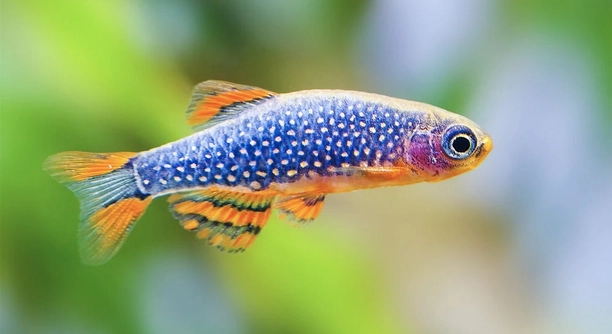
Danios are active and energetic fish that thrive in aquariums with the right substrate. Choosing a suitable base for their tank can influence their swimming patterns, feeding habits, and overall comfort in the aquatic environment.
Seven simple substrates are particularly compatible with danio behavior. Gravel, sand, and fine pebbles offer stability while allowing natural foraging. Plant-friendly soil supports live vegetation, whereas smooth river stones and inert substrates maintain water quality without altering pH levels.
Selecting the right substrate can enhance your danios’ environment and promote healthier, more natural behavior. The following guide explores these options in detail.
Gravel: A Classic Choice for Danios
Gravel is one of the most common substrates for danio tanks. It provides a firm base for the fish to swim over and makes cleaning easier. Coarse or medium-sized gravel allows water to flow freely, reducing the chance of waste accumulation. Danios enjoy darting along the bottom, and gravel gives them a stable surface without sharp edges. This substrate also supports live plants if you want a natural look. It’s important to rinse gravel thoroughly before adding it to the tank to remove dust and small particles that could cloud the water. Over time, gravel can trap debris between pieces, so regular vacuuming during water changes is recommended. Many aquarists find that gravel maintains water quality well while being visually appealing. Choosing neutral-colored gravel can help showcase the bright colors of danios without creating stress from overly bright or reflective surfaces.
Gravel offers durability, easy maintenance, and visual appeal, making it a practical substrate for active danios.
With proper care, gravel can create a healthy, dynamic environment that encourages natural swimming and foraging behaviors while keeping the tank clean and balanced.
Sand: Gentle and Natural
Sand provides a soft, natural feel for danios, preventing damage to their delicate fins and barbels.
Fine sand allows danios to dig lightly and explore without risk of injury. It also creates a smooth base for plants and decorations. Sand can compact slightly, so occasional stirring or gentle vacuuming keeps it healthy.
Using sand in a danio tank enhances natural behaviors. Fish can sift through it while searching for food, mimicking their instincts in rivers or streams. Light-colored sand brightens the tank, highlighting danio movement and coloration. When selecting sand, choose inert types to prevent changes in water chemistry. Rinsing sand thoroughly before use avoids clouding. Some aquarists mix a small layer of fine gravel beneath sand for stability and better root anchoring for plants. Maintaining sand requires careful monitoring to avoid anaerobic pockets, but regular cleaning prevents issues. Sand can also reduce the stress that occurs when fish encounter sharp edges or unstable surfaces. It’s ideal for planted tanks or minimalist setups where fish activity is emphasized.
Do you want me to continue with the next substrates in the same format?
Fine Pebbles
Fine pebbles create a smooth, natural base that danios can navigate easily. They are gentle on fins and allow water to circulate, preventing trapped debris. Pebbles also support plant roots and decorations without shifting too much.
Using fine pebbles provides stability while maintaining aesthetic appeal. The fish can forage naturally, and small particles between pebbles prevent compacting, which reduces bacteria buildup. Rinsing pebbles before adding them to the tank avoids dust and cloudiness. Over time, regular cleaning ensures a healthy environment and prevents unpleasant odors. Pebbles are durable and maintain their shape, making them suitable for active danios that swim quickly. Choosing neutral tones enhances the colors of the fish without creating stress from bright or reflective surfaces. The balance of natural texture and ease of maintenance makes fine pebbles a reliable substrate choice for both beginners and experienced aquarists.
Fine pebbles are versatile, safe, and visually pleasing, supporting plant life and active swimming behavior while keeping the tank easy to maintain.
Plant-Friendly Soil
Plant-friendly soil enriches the tank with nutrients for live vegetation. It encourages root growth and supports aquatic plants, giving danios places to explore and hide.
This soil type combines natural nutrients with stability for plants while being safe for fish. It helps maintain consistent water chemistry and supports beneficial bacteria, which improves tank health. When layered beneath gravel or sand, it anchors plants securely and prevents floating. Soil can slightly alter water pH, so monitoring is recommended. Its natural look enhances the aquarium’s visual appeal while providing a softer base than gravel alone. Danios interact with plants as they swim, which promotes activity and reduces stress. Regular maintenance includes gentle stirring and removing excess debris to keep the soil effective. Using soil supports both plant growth and fish activity, creating a balanced ecosystem.
Plant-friendly soil creates a healthier tank, benefiting both vegetation and danios, while supporting natural behaviors and maintaining water quality over time.
Smooth River Stones
Smooth river stones offer a natural texture that is gentle on danios’ fins. They create stable areas for swimming and resting while adding a natural aesthetic to the tank.
These stones prevent sharp edges from injuring fish and support plant placement. They also allow water flow around them, reducing debris buildup and keeping the tank cleaner.
Inert Substrates
Inert substrates do not alter water chemistry, making them safe for sensitive danios. They are available in various textures, from fine grains to small pebbles, and maintain a consistent pH. Using inert substrates ensures that water parameters remain stable, reducing stress on fish and preventing sudden fluctuations. They are durable, easy to clean, and compatible with planted or minimalist tanks. Inert substrates can be layered with other bases to combine stability with aesthetic appeal. Fish can swim freely without risk of injury, and plants can grow with minimal interference. Over time, they maintain their structure and appearance, offering a long-term solution for active aquariums. Choosing an inert substrate simplifies tank maintenance while promoting natural behavior and overall health for danios.
Aquarium Sand Mix
An aquarium sand mix combines fine sand with small pebbles for added stability. It allows for easy planting and creates a soft base for danios.
FAQ
What substrate is safest for danios?
Gravel, sand, and fine pebbles are the safest options for danios. Each provides a stable base and prevents injuries to their fins and barbels. Smooth surfaces reduce stress and allow natural swimming and foraging behaviors. Avoid sharp or rough substrates that could harm the fish.
Can danios live on sand alone?
Yes, sand alone is suitable for danios. It allows them to dig lightly and explore naturally. Fine sand prevents damage to delicate fins and barbels while creating a soft, comfortable base. Regular stirring or gentle vacuuming keeps the sand clean and prevents compacting.
Is plant-friendly soil necessary for danio tanks?
Plant-friendly soil is not required but highly beneficial. It supports live plants, providing hiding spots and promoting natural behaviors. Soil can release nutrients slowly, aiding plant growth, and helps maintain a balanced ecosystem when paired with proper cleaning and maintenance.
How often should substrates be cleaned?
Substrates should be cleaned regularly, depending on tank size and fish activity. Gravel and pebbles benefit from vacuuming during water changes. Sand may require occasional stirring to prevent anaerobic pockets. Soil layers need gentle maintenance to avoid disturbing plant roots while removing excess debris.
Can danios thrive with mixed substrates?
Yes, mixed substrates often work well. Combining gravel, sand, or pebbles creates stability and variety. It allows plants to root securely while offering areas for natural exploration. Mixed substrates can mimic natural riverbeds, supporting active swimming and foraging. Layering can also help maintain water quality over time.
Do substrates affect water quality?
Substrates can influence water quality. Inert options maintain stable pH, while soil may slightly alter it due to nutrients. Gravel and pebbles trap debris between pieces, so regular cleaning is essential. Choosing the right substrate helps reduce stress on fish and maintains a healthier tank environment.
Which substrate shows off danio colors best?
Neutral-colored gravel, sand, or pebbles highlight danios’ bright hues without overwhelming them. Dark substrates can create contrast, while lighter tones brighten the tank. Avoid highly reflective or colorful substrates that may stress the fish or clash with natural tank décor.
Can substrates support live plants with danios?
Yes, many substrates support live plants. Soil, sand, and fine gravel allow roots to anchor securely. Plant-friendly soil provides nutrients, while sand and pebbles offer stability. Plant placement also gives danios places to explore and hide, promoting active and natural behaviors within the aquarium.
Are river stones better than gravel?
River stones are gentle and smooth, offering a natural feel for fish. Gravel provides easier cleaning and water flow. Both options are safe, but stones add visual appeal and can create resting or hiding areas. Choosing depends on aesthetic preference and maintenance habits.
How do I prevent debris buildup in substrates?
Regular vacuuming, stirring sand, and removing excess waste prevent debris buildup. Gravel and pebbles should be siphoned during water changes. Soil requires gentle handling to avoid disturbing roots. Proper filtration also helps reduce waste accumulation, keeping the substrate and tank healthier.
Can danios damage plant roots in certain substrates?
Danios are generally light on substrates, but very fine sand or loose gravel may shift when they dig or forage. Layering soil beneath gravel or sand can protect plant roots while allowing fish activity. Careful substrate selection ensures both plants and danios thrive together.
What is the easiest substrate to maintain?
Gravel and inert pebbles are the easiest to maintain. They resist compacting, allow debris to settle for vacuuming, and maintain water quality without frequent adjustments. Sand and soil may require more care but provide natural behavior opportunities and support for plants.
Can I mix soil and sand for a danio tank?
Yes, layering plant-friendly soil beneath sand offers stability and nutrient support. This method allows plants to root while maintaining a soft top layer for danios. It balances natural behavior with aesthetic appeal and water quality management.
How do substrates affect fish behavior?
Substrates influence swimming, foraging, and hiding. Soft sand and smooth pebbles encourage natural digging, while gravel provides firm footing. Plant-supporting substrates create spaces for shelter and exploration. Choosing the right substrate promotes activity and reduces stress for danios, keeping them healthy and vibrant.
Do I need to replace substrates regularly?
Regular replacement is usually unnecessary with proper care. Gravel, pebbles, and inert substrates can last years with cleaning. Soil may need partial replacement over time to maintain nutrient levels. Monitoring substrate condition ensures a balanced and healthy environment for danios.
Can substrates affect water clarity?
Yes, improperly rinsed or disturbed substrates can cloud water. Sand and soil are more prone to clouding when first added. Rinsing thoroughly and gently stirring prevents prolonged murkiness. Gravel and pebbles are easier to manage and maintain consistent water clarity over time.
Are substrates important for breeding danios?
Certain substrates help if breeding is intended. Fine sand or smooth pebbles provide safe surfaces for eggs. Plant-friendly soil encourages plant growth, giving hiding spaces for fry. Choosing the right substrate enhances survival rates and supports natural breeding behavior.
Which substrate is best for beginner aquarists?
Gravel or fine pebbles are ideal for beginners. They are easy to clean, safe for fish, and maintain water quality with minimal effort. Sand can be used but requires careful monitoring. Soil offers benefits but needs more experience for proper maintenance.
How do I choose between sand and gravel?
Consider maintenance, aesthetics, and fish behavior. Sand is soft and natural, ideal for digging, while gravel is easier to clean and supports plants. Mixed substrates combine benefits, providing stability, visual appeal, and natural exploration for danios. Choosing depends on tank goals and personal preference.
Can danios tolerate sharp substrates?
No, sharp substrates can damage fins and barbels. Always select smooth gravel, pebbles, or sand to ensure safety. Soft, rounded surfaces reduce stress and allow active swimming without injury, promoting healthier fish and a more balanced aquarium environment.
How thick should the substrate layer be?
A layer of 1–2 inches is sufficient for most danio tanks. It provides stability and room for plants while allowing for proper water circulation. Soil layers for plants may need slightly more depth, but avoid excessive thickness that can trap debris or create anaerobic spots.
Can substrates influence tank temperature?
Substrates have minimal impact on temperature. They mainly affect water chemistry and fish behavior. Darker substrates may absorb light and slightly warm the surface, but heaters and filtration systems are the primary temperature regulators in a danio tank.
Are colored substrates safe for danios?
Yes, if non-toxic and inert. Avoid reflective or overly bright colors that may stress fish. Neutral tones usually highlight danio colors best and create a calm environment. Safety and stability should be prioritized over appearance when selecting substrates.
Can substrates affect feeding habits?
Yes, softer substrates like sand allow danios to forage naturally. Gravel or pebbles can trap food, requiring careful cleaning to prevent waste accumulation. Substrate choice can encourage natural hunting and feeding behavior while keeping the tank clean and healthy.
Do I need a substrate at all?
While not strictly necessary, substrates improve aesthetics, support plants, and enhance fish behavior. Bare-bottom tanks are easier to clean but provide less stimulation for danios. Choosing the right substrate balances maintenance with a more natural environment.
How do I transition substrates without stressing fish?
Gradually replace small sections at a time, keeping water parameters consistent. Introduce new substrate alongside old layers and monitor fish behavior. Avoid sudden changes that could stress danios or disturb tank chemistry. Proper care ensures a smooth transition and healthy aquarium environment.
Are substrates different for community tanks?
Yes, consider all species in the tank. Soft sand and smooth pebbles are generally safe for multiple fish types. Soil and plant-friendly substrates work well if plants are included. Matching substrate to the needs of all inhabitants maintains harmony and prevents injury.
Can substrates harbor bacteria?
Yes, substrates support beneficial and harmful bacteria. Proper maintenance, regular vacuuming, and water changes promote beneficial colonies. Soil may have higher bacterial activity, which is normal and helps nutrient cycling. Keeping substrates clean prevents harmful buildup and supports a healthy ecosystem.
What is the lifespan of common substrates?
Gravel and pebbles last many years with minimal maintenance. Sand can last indefinitely if stirred and cleaned. Plant soil may need replenishing every few years to maintain nutrients. Proper care extends the lifespan while maintaining safety and aesthetic appeal.
Can substrates influence water flow?
Yes, fine sand can compact and slow water movement, while gravel and pebbles allow better circulation. Layering and substrate choice help ensure consistent water flow, reducing waste accumulation and supporting healthy tank conditions for danios.
How do I prevent substrate compaction?
Stir sand occasionally or layer with small pebbles to reduce compaction. Soil should be lightly disturbed during cleaning to prevent anaerobic pockets. Gravel naturally resists compaction, making it easier to maintain optimal water flow and prevent debris buildup.
Are there substrates to avoid?
Avoid sharp, jagged, or chemically reactive substrates. Crushed coral, certain rocks, and untreated materials can alter pH, injure fish, or release harmful substances. Always rinse and research any new substrate before adding it to the tank.
Does substrate color matter for behavior?
Yes, neutral or natural tones reduce stress and highlight fish colors. Extremely bright or reflective substrates may cause agitation or shy behavior. Substrate choice influences visual comfort and helps danios feel secure in their environment.
Can substrates be reused?
Yes, gravel, pebbles, and sand can be reused after thorough cleaning and sterilization. Soil may lose nutrients over time and might require partial replacement. Proper care ensures substrates remain safe and functional for multiple tank setups.
How do substrates affect algae growth?
Substrate type can influence algae settlement. Darker, nutrient-rich substrates may encourage growth, while inert gravel reduces excess nutrients. Regular cleaning and balanced lighting help manage algae regardless of substrate type.
What is the best substrate for small tanks?
Fine gravel or sand is ideal for small tanks. They provide stability, are easy to clean, and prevent overcrowding at the bottom. Plant-friendly soil can be added in layers for live plants but should be monitored closely to maintain water quality.
Can substrates affect oxygen levels?
Compacted substrates can create low-oxygen pockets. Sand and soil may trap organic matter, while gravel allows better water circulation. Proper cleaning, stirring, and filtration ensure oxygen reaches all areas, supporting fish health and overall tank balance.
Are there substrates that help with breeding danios?
Fine sand and smooth pebbles offer safe egg-laying surfaces. Plant-friendly soil with dense vegetation gives hiding spots for fry. Choosing soft, stable substrates increases the likelihood of successful spawning and supports natural breeding behavior.
How deep should soil be under gravel or sand?
A 1–2 inch soil layer is sufficient to support plants while allowing a top layer of sand or gravel for stability. This depth prevents compaction, allows root growth, and maintains a safe surface for danios to explore.
Can substrates reduce stress in danios?
Yes, soft and smooth substrates reduce injuries and encourage natural swimming. Plant-supporting or varied textures provide hiding places and stimulation, helping danios feel secure. A comfortable substrate contributes to calmer behavior and better overall health.
Do different danio species prefer different substrates?
Most danio species thrive on similar soft or smooth substrates. Differences are minor, but highly active species may benefit from slightly firmer bases, while smaller or delicate species prefer sand or fine pebbles to prevent fin damage.
How do I balance aesthetics and function in substrates?
Combine visual appeal with practicality. Neutral or natural tones enhance fish colors while maintaining water quality. Layering sand, soil, or pebbles creates a stable and functional base while still offering an attractive and natural aquarium setup.
Can substrates impact fish growth?
Indirectly, yes. Safe, clean substrates reduce stress, injuries, and water quality fluctuations, supporting healthier growth. Plant-friendly substrates enhance food availability and natural behavior, contributing to overall well-being and size potential in danios.
Are substrates necessary for filtration?
Substrates do not replace filtration but can assist beneficial bacteria colonization. Gravel, pebbles, and soil provide surfaces for bacteria that help break down waste, complementing mechanical and chemical filtration systems to maintain water quality.
Do substrates influence tank decorations?
Yes, substrate choice affects stability and placement of decorations. Gravel and pebbles hold rocks and ornaments securely. Sand and soil may need support layers to prevent sinking. Correct substrate selection ensures safe and visually pleasing layouts.
Can I use decorative glass beads for danios?
Avoid sharp or lightweight decorative beads that can injure fish or float. Smooth, inert options are safer but may not offer the same stability as gravel or pebbles. Prioritize safety and tank balance over appearance.
How do I monitor substrate health?
Check for compacted areas, trapped debris, or discoloration. Stir sand occasionally, vacuum gravel, and gently maintain soil layers. Monitoring substrate health ensures a stable, clean environment for danios to thrive.
What is the best substrate for planted danio tanks?
Plant-friendly soil with a thin sand or fine gravel layer on top works best. It supports plant roots, provides nutrients, and creates a soft, safe surface for danios to swim and forage naturally.
Can substrates affect filtration efficiency?
Yes, compacted sand or thick soil layers can reduce water flow and trap waste. Gravel and pebbles allow better circulation, helping filters work efficiently and keeping the tank healthier for fish and plants.
Do danios rearrange substrates?
Danios may occasionally dig or explore but generally do not significantly rearrange substrates. Sand and fine pebbles are safer if they do dig lightly, while heavier gravel or stones remain stable under normal activity.
How do I prevent substrate discoloration?
Regular cleaning, water changes, and avoiding dyed or reactive materials prevent discoloration. Soil may darken naturally over time, but this is normal and does not harm the fish or plants.
Can substrates trap toxins?
Substrates can trap debris and waste, which may lead to harmful bacteria if not cleaned. Regular maintenance and proper filtration prevent buildup, ensuring toxins do not accumulate to dangerous levels.
Are substrates required for fish hiding behavior?
Not required, but beneficial. Plants and decorations paired with safe substrates give hiding spots, reducing stress. Soft sand, pebbles, or gravel allows for natural exploration while providing security and comfort for danios.
How do I choose the right substrate for water parameters?
Inert substrates maintain pH stability, while soils or certain sands may slightly alter chemistry. Match the substrate to your danio species’ tolerance to ensure stable water conditions and healthy fish.
Can substrates prevent disease?
Proper substrates reduce stress, support natural behavior, and prevent waste buildup, lowering disease risk. Maintaining cleanliness and stability helps protect danios from fin damage and waterborne illnesses.
Is substrate depth important for plant growth?
Yes, sufficient depth allows roots to anchor and absorb nutrients. Soil layers support growth, while sand or gravel on top provides stability and a safe surface for danios to swim and forage.
Do danios prefer uniform or mixed substrates?
Mixed substrates offer variety and natural exploration. Uniform substrates are easier to clean. A combination can balance aesthetics, maintenance, and behavioral needs for a more dynamic tank environment.
Can substrates affect tank maintenance frequency?
Yes, fine sand and soil require more careful cleaning. Gravel and pebbles reduce maintenance while providing a safe base. Choosing the right substrate impacts how often water changes, vacuuming, and stirring are needed.
Are substrates necessary for fry survival?
Soft substrates and plant support improve fry survival. Soil and sand provide hiding spaces and safe surfaces. Avoid sharp or rough materials that may injure young fish during early development.
Can substrates reduce tank odor?
Yes, substrates that trap debris poorly can increase odor. Gravel, pebbles, and inert sand help prevent accumulation, while plant-friendly soil may require more attention to maintain a clean-smelling tank.
Do substrates influence fish stress levels?
Soft, safe, and stable substrates reduce injuries and support natural behavior, lowering stress. Plant roots and hiding spaces further enhance comfort, making the aquarium a calmer environment for danios.
How do substrates interact with decorations and plants?
Substrates provide anchoring for plants and stable bases for decorations. Soil and sand allow roots to grow, while gravel supports ornaments and stones. Correct interaction ensures stability and prevents movement that could harm fish.
Are all sand types safe for danios?
No, only fine, smooth, inert sand is safe. Avoid sharp or chemically reactive sand. Properly rinsed sand ensures minimal clouding and a safe environment for active swimming and digging.
Can substrates be layered for effect?
Yes, layering soil, sand, and gravel combines stability, plant support, and visual appeal. It creates a natural environment while promoting safe foraging and swimming behavior for danios.
Do substrates affect fish coloration?
Yes, neutral or dark substrates can enhance fish coloration. Light or reflective substrates may stress fish or wash out colors. Choosing tones that complement danios improves their visual appearance and comfort.
How do I safely remove old substrates?
Remove gradually during water changes, keeping some areas intact. Rinse thoroughly and monitor water parameters to avoid stressing fish. Slow replacement ensures minimal disturbance and maintains tank stability.
Are substrates important for tank aesthetics?
Yes, they provide a foundation for plants, decorations, and fish display. Correct substrate selection balances visual appeal, safety, and tank functionality, creating a cohesive and attractive aquarium setup for danios.
Can substrates trap uneaten food?
Yes, fine sand, gravel, or pebbles may trap food. Regular cleaning and siphoning prevent decay and maintain water quality. Proper substrate choice ensures easy waste management without affecting fish health.
Do substrates influence algae control?
Substrates impact nutrient availability. Darker, nutrient-rich substrates may encourage algae, while inert options reduce excess nutrients. Regular cleaning and proper lighting help control growth regardless of substrate type.
Can substrates support live mosses and small plants?
Yes, fine gravel, sand, and plant-friendly soil anchor mosses and small plants. Stable substrate layers prevent floating, allowing plants to grow naturally and providing exploration areas for danios.
Are substrates required for aquascaping?
Not required but helpful. Proper substrates provide stability for plants, decorations, and hardscape elements. They make aquascaping easier while supporting fish behavior and tank health.
How do substrates affect tank filtration efficiency?
Substrate type impacts water flow and debris accumulation. Gravel and pebbles allow better circulation, while compacted sand or thick soil layers may reduce filter effectiveness. Maintaining substrate structure ensures filtration performs optimally.
Can substrates prevent fish injuries?
Yes, smooth and soft substrates reduce fin damage, scale injury, and stress. Sharp
Choosing the right substrate for your danio tank is an important step in creating a healthy and comfortable environment for your fish. Each type of substrate has its advantages and considerations, and understanding how they interact with water chemistry, plant growth, and fish behavior can make a significant difference. Gravel, sand, fine pebbles, smooth river stones, and plant-friendly soils all offer benefits that support active swimming, natural foraging, and a visually appealing aquarium. Selecting a substrate that balances durability, safety, and ease of maintenance ensures that your danios can thrive without unnecessary stress. Proper preparation before adding any substrate, such as rinsing to remove dust and small particles, is essential to prevent cloudy water and maintain good water quality.
Maintenance is another key factor when it comes to substrate choice. Gravel and pebbles generally require less frequent cleaning and are easier to vacuum during water changes, while sand and soil may need more careful attention to prevent compacting or the buildup of harmful bacteria. Plant-friendly soils require monitoring to ensure roots are not disturbed and that nutrients remain balanced. Inert substrates help maintain stable pH levels, reducing fluctuations that can stress fish. Regular observation of both the substrate and the fish behavior allows you to make adjustments as needed. By keeping the substrate clean and stable, you create an environment that supports the natural behaviors of danios, including swimming, exploring, and interacting with plants. A well-maintained substrate also supports beneficial bacterial colonies, which contribute to the overall health and balance of the aquarium ecosystem.
Finally, consider the overall design and long-term goals of your tank. Substrate choice affects not only fish health and plant growth but also aesthetics and the ease of ongoing maintenance. Neutral tones can highlight the bright colors of danios, while natural textures provide comfort and encourage natural behavior. Layering different substrates can combine the benefits of each, creating stability, plant support, and a safe surface for swimming. Substrates are not just a base for decoration; they are an integral part of the aquarium system that impacts water quality, fish well-being, and the success of planted areas. By carefully selecting and maintaining the right substrate, you can ensure that your danios enjoy a safe, stimulating, and balanced environment. The right choice supports both the health of your fish and the beauty of your tank, making the aquarium easier to care for and more enjoyable to observe.

Hello,
If you enjoy the content that we create, please consider saying a "Thank You!" by leaving a tip.
Every little bit helps us continue crafting quality advice that supports the health, happiness, and well-being of pets around the world, for pets of all shapes, sizes, and species.
We really appreciate the kindness and support that you show us!