
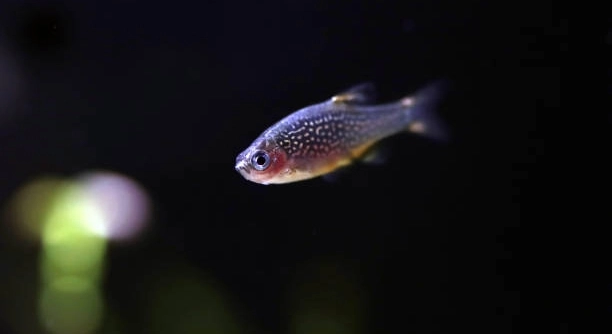
Danios are small, active fish that often live in groups, making their interactions with each other quite fascinating. Observing them can reveal a variety of behaviors that show how they communicate and respond to their surroundings.
Danios communicate through a combination of visual signals, body movements, and chemical cues. These methods help establish social hierarchies, coordinate schooling, and signal danger or mating readiness, allowing them to interact effectively within their group environment.
Exploring these communication methods will help you better understand the subtle ways danios interact and maintain harmony in their social groups.
Visual Signals
Danios use visual cues to communicate constantly. Their body coloration, fin movements, and swimming patterns convey a range of messages to others in the tank. Bright flashes of color often indicate dominance or readiness to mate, while subtle changes in posture can show submission or stress. Observing these small signs can reveal which fish lead the group and which prefer to stay in the background. Even tail flicks or quick darts across the tank serve as important signals for alerting others to food or potential threats. Schooling behavior is highly coordinated, relying on these visual signals to keep the group synchronized. Fish often mirror the movements of nearby individuals, reinforcing group cohesion. These behaviors help maintain balance and prevent conflict within the group. Over time, owners can recognize specific patterns and understand how their danios are communicating through these visual cues, offering insight into both social hierarchy and individual personality differences within the tank.
Visual communication keeps danios coordinated, alert, and socially balanced in their tank environment.
By paying attention to these visual cues, you can better understand your fish’s interactions and daily behaviors. Recognizing specific fin flicks, color flashes, and movement patterns helps identify dominant fish, submissive individuals, or those feeling stressed. This understanding allows you to maintain a more harmonious tank, ensure appropriate space, and monitor changes in behavior that may indicate illness or environmental stress. Fish often communicate subtle warnings or readiness to feed, which can improve the timing of feeding and reduce competition. Observing schooling patterns provides insight into social bonds and preferred companions. These visual behaviors are vital for both their social structure and survival instincts. Consistent observation strengthens your ability to notice small changes in interaction, making it easier to respond to the needs of each fish. Understanding these visual signals also supports breeding efforts and encourages a calm, structured tank environment. Paying attention to these details improves both fish well-being and owner awareness.
Chemical Communication
Chemical signals in danios are subtle but crucial. Fish release hormones and pheromones into the water to convey reproductive status, stress levels, or territorial boundaries.
Danios rely on chemical communication to maintain social structure and signal reproductive readiness. These signals can trigger mating behavior, alert others to threats, or reduce aggressive encounters by indicating dominance or submission. Scent markers help fish recognize familiar individuals, fostering cohesion in their school. Chemical cues are especially important in murky water or crowded tanks, where visual signals may be limited. Even minor changes in water chemistry can affect these communication pathways, impacting behavior and social interactions. Research has shown that stressed or sick fish release chemicals detectable by others, prompting avoidance or altered behavior to reduce disease spread. Reproductive pheromones play a key role during mating seasons, guiding males toward females ready to spawn and helping synchronize group spawning events. Understanding chemical communication allows you to better manage tank conditions, reduce stress, and support breeding programs. Proper filtration and regular water changes maintain chemical balance, preserving these essential social signals. Recognizing the importance of chemical cues deepens your insight into how danios navigate social interactions and maintain harmony in their environment.
Body Movements
Body movements are essential for danios to express mood and intent. Quick dashes, sudden turns, or gentle undulations can indicate alertness, playfulness, or submission.
Certain movements signal social ranking within the tank. Dominant fish may approach others with a steady, confident glide, while submissive fish retreat or flick their fins subtly. Rapid darting often occurs when fish are excited or detecting food, whereas slower, flowing movements indicate calm or neutral interactions. Observing these patterns helps track individual behavior, social hierarchies, and even stress levels. Body language is continuous, allowing fish to adjust interactions in real time and respond to environmental changes without conflict.
Body movements also coordinate schooling. Synchronized swimming and mirrored turns help the group stay cohesive. Quick directional changes alert others to danger. Posturing can prevent fights by signaling intent without physical confrontation. Over time, you can learn to read these subtle cues to understand which fish are leaders, which are cautious, and which need more space. This awareness improves tank harmony and ensures that each danio feels secure. Movements reflect both personality and mood, offering valuable insight into their daily interactions.
Fin Displays
Fin displays are a clear communication tool among danios. Flared or extended fins often signal dominance, while retracted fins suggest submission or stress.
Flashes of color on fins are used to attract mates or establish presence. Males often exaggerate fin movements to impress females or warn rivals. Rapid flicks can indicate excitement or agitation, while gentle fin undulations signal calm interactions. Observing these patterns helps in understanding hierarchy and readiness for mating. Even subtle changes in fin posture can convey caution or alertness, influencing group dynamics. Recognizing fin behavior enhances interaction monitoring and improves overall tank management.
Fin displays also serve defensive purposes. When a fish feels threatened, spreading fins makes it appear larger to deter aggression. During feeding, subtle fin movements help signal the location of food to others without direct competition. In mating contexts, males may repeatedly flare fins to demonstrate fitness, influencing female choice. Submissive fish may tuck fins to reduce tension or avoid conflict. Over time, consistent observation of fin behavior allows for a deeper understanding of each fish’s temperament and social strategies. This knowledge supports a balanced environment where dominant and subordinate fish coexist with minimal stress, enhancing both health and interaction quality.
Schooling Behavior
Schooling keeps danios safe and coordinated. Moving together helps them avoid predators and maintain social balance.
Fish adjust speed and direction based on their neighbors. This coordination reduces conflict and ensures the group stays cohesive.
Aggressive Displays
Aggressive displays establish dominance and prevent unnecessary fights. Chasing, nipping, or head-butting signals rank without prolonged physical confrontation. Proper observation helps identify which fish are assertive and which are submissive. Understanding these interactions can prevent stress and maintain harmony within the tank.
Vocalizations
Danios produce subtle sounds by moving their swim bladder or rubbing body parts. These noises communicate stress, mating readiness, or alertness to others in the tank.
Chemical Cues
Chemical cues travel through water to signal mood, reproductive state, or danger. Fish detect these to adjust behavior, maintain social order, and coordinate breeding.
How do I know if my danios are communicating effectively?
Observing your danios closely will give you clues about their communication. Signs of effective communication include synchronized schooling, minimal aggressive encounters, and clear visual signals like flared fins or rapid darting. Fish that respond quickly to each other’s movements and chemical cues are maintaining social cohesion.
Why do my danios chase each other sometimes?
Chasing is often a display of dominance rather than aggression. Dominant fish establish hierarchy by pursuing others, while submissive fish retreat or show fin retraction. Occasional chasing is normal in a healthy group, but constant aggression may indicate overcrowding, stress, or insufficient hiding spaces.
What does it mean when my danios change color suddenly?
Color changes often indicate mood, stress, or mating readiness. Bright flashes can signal dominance or attraction during breeding, while duller colors may reflect fear, illness, or submission. Monitoring these changes helps track fish health and social interactions.
How can I tell if my danios are stressed?
Stress can show through erratic swimming, hiding, loss of color, or fin clamping. Lack of response to others’ cues is also a sign. Stress often results from poor water conditions, overcrowding, or sudden environmental changes. Maintaining clean water and appropriate group size reduces stress.
Do danios communicate while feeding?
Yes, they use visual and body cues to coordinate feeding. Quick movements, tail flicks, and positioning help signal food availability to others. Aggressive chasing may also occur temporarily to establish feeding order. Observing these behaviors ensures fair feeding opportunities and minimal conflict.
Can danios communicate in low light?
In dim conditions, chemical signals become more important than visual cues. Fish rely on pheromones and body movements to maintain social order. Even subtle water vibrations can help them detect nearby fish and avoid collisions or conflicts.
Why do my danios swim in tight groups sometimes?
Tight schooling is a defensive behavior. It helps protect fish from potential threats and maintains group cohesion. Coordinated movement in such formations relies on both visual and chemical cues to keep the school aligned and responsive.
Are vocalizations important for danios?
Though quiet to humans, subtle sounds play a role in signaling stress, alerting others, or coordinating interactions. These noises complement body movements and chemical signals, enhancing communication efficiency within the group.
How do I encourage better social behavior in my tank?
Maintaining stable water conditions, proper tank size, and adequate hiding spaces supports natural communication. Providing a balanced number of fish prevents overcrowding, allowing dominant and submissive fish to interact without constant stress. Regular observation helps identify and correct conflicts early.
Do danios communicate during breeding?
Yes, males often display flared fins, bright coloration, and rapid movements to attract females. Females respond with subtle postures or synchronized swimming. Chemical cues also play a key role, signaling readiness and helping synchronize spawning events within the group.
Can chemical signals be disrupted?
Poor water quality or strong cleaning agents can interfere with chemical cues. This may result in miscommunication, increased stress, or disrupted mating behavior. Regular water changes and gentle filtration help maintain a stable chemical environment, ensuring social interactions continue smoothly.
Why do some danios seem shy while others are bold?
Individual temperament affects communication. Bold fish often take leadership roles, using visual and body cues actively, while shy fish rely on chemical signals and subtle movements. Understanding these personalities helps manage group dynamics and reduces conflicts.
How often should I monitor communication behaviors?
Daily observation is ideal. Watching interactions during feeding, swimming, and resting periods allows you to track hierarchy, detect stress, and ensure that chemical and visual communication pathways remain effective. This also helps identify early signs of illness or environmental issues.
Can communication problems lead to health issues?
Yes, disrupted communication can increase stress, lead to aggression, and reduce feeding efficiency. Chronic stress may weaken the immune system, making fish more prone to disease. Maintaining proper tank conditions and observing social behavior reduces these risks.
Do tank decorations affect communication?
Yes, hiding spots and plants influence visual and chemical signaling. They allow submissive fish to retreat, reduce aggressive encounters, and create space for clear communication. Overcrowded or bare tanks can impede these behaviors and increase stress levels.
Is it necessary to have a minimum number of danios for communication?
Danios are social fish, and a small group may struggle to maintain normal social behavior. A group of at least six is recommended to allow effective visual, body, and chemical communication while establishing hierarchy and coordinated schooling.
How do I identify dominant and submissive fish?
Dominant fish display confident swimming, bright colors, and fin flaring. Submissive fish tend to retreat, display muted colors, or keep fins close to their body. Observing these interactions over time clarifies the social structure of the tank and helps prevent stress or bullying.
Can communication improve with time in a new tank?
Yes, as fish become familiar with each other and their environment, their signals become clearer and interactions smoother. Initial stress or disorientation may cause miscommunication, but consistent conditions and observation allow natural behaviors to develop.
Are there signs that communication is failing?
Persistent chasing, hidden fish, erratic swimming, or lack of response to social cues indicate communication issues. Early intervention with water quality management, tank layout adjustments, or group reorganization can restore normal interaction and reduce stress.
Does age affect communication in danios?
Younger fish may be less confident and rely more on subtle chemical or body cues. Older, more experienced fish often lead schools, dominate feeding, and establish hierarchy through clear visual and body signals. Observing age-related behavior helps manage group dynamics effectively.
Can I train my danios to respond to cues?
Yes, consistent feeding patterns or gentle tapping can create conditioned responses. Fish learn to associate visual or chemical cues with food, helping you anticipate their behavior and strengthen communication within the group.
How important is tank size for communication?
Sufficient space allows fish to display natural behaviors, reduces aggressive encounters, and ensures chemical signals are evenly distributed. Small tanks limit movement and visibility, leading to miscommunication and increased stress. Proper tank size supports healthy social interactions and group stability.
What role does water quality play in communication?
Stable, clean water preserves chemical cues and overall fish health. Poor water quality can mask pheromones, increase stress, and impair visual signals. Regular monitoring and maintenance ensure communication channels remain effective, supporting harmonious interactions.
Can communication issues affect breeding success?
Yes, disrupted signals can prevent mating rituals, reduce courtship displays, or interfere with synchronized spawning. Maintaining proper tank conditions, observing fin displays, and monitoring chemical cues improves breeding outcomes and ensures a healthy environment for offspring.
Are there signs of stress that only occur during social interaction?
Yes, fish may hide, reduce movement, or display dull colors when stressed by group interactions. Excessive fleeing or continuous submission indicates social stress, requiring adjustments in tank structure, group size, or monitoring for dominant behavior.
Can diet influence communication?
Proper nutrition ensures energy for visual displays, swimming, and chemical signaling. Malnourished fish may become lethargic, reducing their ability to signal effectively. Balanced feeding supports normal social interactions and reinforces natural hierarchy and schooling behaviors.
How long does it take for danios to establish communication in a new tank?
Typically, a few days to several weeks are needed. Initial exploration and hierarchy formation involve frequent displays, chasing, and fin movements. Over time, fish settle into predictable communication patterns, improving group cohesion and reducing stress.
Are there environmental factors that disrupt communication?
Sudden temperature changes, loud vibrations, or strong lighting can interfere with visual and chemical signaling. Stable, calm conditions help fish communicate naturally, ensuring normal social and breeding behaviors.
How can I tell if my danios are happy with their communication?
Calm schooling, minimal chasing, coordinated feeding, and regular fin displays indicate effective interaction. Fish that explore freely, respond to others, and show normal coloration are signaling and receiving cues properly, reflecting a balanced and healthy tank environment.
Do communication styles vary between different danio species?
Yes, some species are more active and bold, using visual displays frequently, while others rely on chemical or subtle body movements. Understanding species-specific behaviors ensures appropriate tank management and supports natural social interactions.
Can introducing new fish affect communication?
Yes, newcomers can disrupt established hierarchy. Initial displays, chasing, and fin flaring help integrate them into the group. Careful observation and gradual introduction minimize stress and help the group reestablish stable communication.
Is there a way to enhance communication in my tank?
Providing adequate space, stable water, hiding spots, and proper nutrition supports all forms of signaling. Observing fish regularly ensures interactions remain healthy, aggressive encounters are minimized, and social structures are maintained effectively.
How do I know if a fish is not receiving cues properly?
A fish that consistently fails to respond to school movements, flared fins, or chemical signals may be stressed, sick, or visually impaired. Identifying these individuals allows targeted care to restore normal communication and prevent social disruption.
Can communication issues indicate illness?
Yes, unresponsive or abnormal behavior can signal disease. Reduced movement, faded colors, or lack of interaction often precedes visible symptoms, making social observation a valuable early detection tool.
Do male and female danios communicate differently?
Males often use brighter colors, fin flares, and rapid movements to signal dominance or attract mates. Females respond with subtle postures, schooling adjustments, or synchronized swimming. Recognizing these differences helps monitor mating behavior and social balance.
Can chemical cues from other species affect my danios?
Yes, chemicals from other fish can alter behavior, causing stress or miscommunication. Keeping compatible species together and monitoring water conditions ensures accurate signaling and minimizes interference with normal social interactions.
Are there signs of improved communication over time?
Fish become more predictable, displays are less frequent, and schooling is smoother. Dominant and submissive roles are clearly established, and overall stress decreases, indicating healthy and effective communication within the group.
How do environmental enrichments affect communication?
Plants, rocks, and decorations provide hiding spots, reduce conflict, and allow subtle signaling. Enrichments help fish display natural behaviors, maintain hierarchy, and coordinate schooling efficiently, supporting both social and physical health.
Can lighting affect communication?
Proper lighting enhances visual signals, helping fish read fin displays, body movements, and coloration. Overly bright or dim lighting can mask these cues, causing miscommunication, increased stress, or social tension in the tank.
Is continuous observation necessary?
Regular observation ensures that communication remains effective, highlights stress or illness, and helps adjust environmental factors. Even brief daily checks provide insight into social dynamics and fish well-being.
Do all danios communicate in the same way?
While core methods like body movements, fin displays, chemical cues, and schooling are common, individual temperament, species, and age influence how each fish signals and responds to others. Recognizing these differences improves tank management and interaction understanding.
How do I maintain healthy communication long-term?
Maintain stable water, proper tank size, balanced nutrition, and enrichment. Regular observation of social interactions and early intervention during stress or conflict supports continuous, effective communication among your danios.
Can communication patterns change as fish age?
Yes, younger fish may be more reactive, while older fish often lead or dominate. Awareness of these shifts helps manage hierarchy, reduce conflict, and support consistent social behavior across different life stages.
What is the best way to handle miscommunication?
Identify the source, such as overcrowding, illness, or stress. Adjust tank layout, remove aggressive individuals if needed, and monitor interactions until natural social balance and communication patterns are restored.
Are there long-term benefits to observing danio communication?
Yes, it improves overall fish health, reduces stress, prevents aggression, and supports breeding success. Understanding social dynamics ensures a stable, harmonious, and engaging environment for both fish and caretaker.
Danios are fascinating fish, not just because of their activity and beauty, but because of the many ways they communicate with each other. From visual cues to chemical signals, each method plays a vital role in maintaining social order, coordinating group movements, and ensuring survival. Watching these small fish interact can be surprisingly insightful. Observing body movements, fin displays, and schooling patterns shows how they establish hierarchy and respond to their environment. Even subtle gestures, like a flick of the tail or a change in color, can convey important messages that affect the entire group. Paying attention to these details allows you to understand the dynamics of your tank and see which fish are confident, cautious, or stressed. Recognizing these patterns is important for managing your aquarium effectively and supporting the well-being of each fish.
Maintaining proper tank conditions is equally important for communication. Chemical cues, for example, are highly dependent on water quality. Clean water with stable parameters ensures that pheromones and other chemical signals travel effectively, allowing fish to recognize danger, stress, or reproductive readiness. Similarly, providing enough space, hiding spots, and environmental enrichments allows fish to display natural behaviors without conflict. Overcrowded or poorly structured tanks can interfere with visual and body signaling, increasing stress and aggression. Consistent observation helps detect changes in behavior that may indicate illness, environmental stress, or social disruption. By creating an environment that supports both natural communication and healthy interaction, you allow your danios to express themselves fully, maintain hierarchy smoothly, and coordinate schooling efficiently. Understanding these communication methods makes caring for danios both easier and more rewarding.
Finally, the study of danio communication is a reminder that fish are social, intelligent creatures that rely on more than instinct to interact. They establish bonds, warn each other of threats, and respond to the moods and behaviors of their companions. This complexity emphasizes the importance of careful monitoring, proper tank management, and respect for their social needs. By observing how danios move, display their fins, use color, or release chemical signals, you gain insight into their personalities, health, and social structures. Over time, this understanding can help prevent conflicts, improve feeding efficiency, and even enhance breeding success. Encouraging natural communication not only reduces stress and promotes harmony but also provides a richer and more engaging experience for anyone maintaining a tank. Paying attention to these interactions ultimately supports the long-term health, happiness, and well-being of your danios, making the aquarium a balanced and thriving environment for every fish.

Hello,
If you enjoy the content that we create, please consider saying a "Thank You!" by leaving a tip.
Every little bit helps us continue crafting quality advice that supports the health, happiness, and well-being of pets around the world, for pets of all shapes, sizes, and species.
We really appreciate the kindness and support that you show us!