
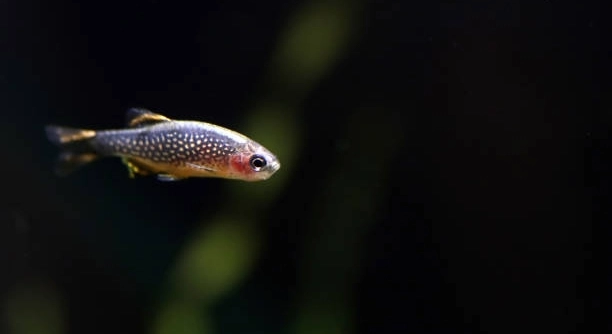
Danios are lively little fish that enjoy swimming in groups. Their active nature makes them fascinating to watch, but it also means they need spaces to feel safe and secure. Hiding spots can greatly improve their habitat.
Adding natural hiding spots to danio habitats enhances their well-being by reducing stress and promoting natural behavior. Incorporating plants, rocks, and other elements provides shelter, supports social interactions, and creates an environment that closely mimics their native surroundings.
Providing these simple additions ensures your danios feel protected, comfortable, and more confident while exploring their aquarium space every day.
Dense Plant Clusters
Dense plant clusters are excellent hiding spots for danios because they provide both cover and a sense of security. Live plants like Java moss, hornwort, or water wisteria create thick areas where fish can dart in and out, reducing stress during feeding or when they feel threatened. These clusters also help maintain water quality by absorbing excess nutrients and creating natural filtration. Floating plants, such as duckweed, can complement the setup by offering shade and breaking up the line of sight, which makes the tank feel more natural. Arranging plants at varying heights adds depth and more hiding opportunities, encouraging danios to explore and interact with their environment. Over time, the plants grow, creating a dynamic space that changes as the fish move among them. This not only keeps the fish active but also makes the aquarium visually appealing. Dense vegetation is particularly important in smaller tanks where open water can feel unsafe.
Dense plants reduce stress and encourage natural behaviors in danios while improving the overall health of the tank.
Placing dense plant clusters strategically throughout the tank ensures every danio has access to shelter. Taller plants can be positioned near the back or sides, creating safe zones while leaving swimming space open. Smaller, bushy plants can fill gaps and provide mid-level coverage. Combining rooted plants with floating varieties enhances the complexity of hiding areas. Regular trimming keeps clusters healthy and prevents overcrowding, which could limit movement. Over time, fish will learn their favorite spots, adding personality and activity to the tank. By observing where danios spend time, you can adjust plant placement to balance safety and visibility. Even in a modest aquarium, dense plant clusters make a big difference in fish behavior, reducing stress-related problems and encouraging social interactions. Proper care and thoughtful arrangement of plants create a lively, comfortable environment that supports the natural instincts of danios.
Driftwood and Branches
Driftwood and natural branches give danios shaded spots to rest and hide. Their texture also allows fish to swim through small gaps and feel protected.
Adding driftwood to a tank creates more complex terrain. It can anchor plants and moss, forming tunnels and overhangs that mimic natural habitats. Fish may use the wood to explore, rest beneath, or hide during sudden movements. Properly treated and cleaned wood will not alter water chemistry drastically and can even release beneficial tannins, slightly softening water and providing a more natural environment. Arranging multiple pieces at different angles increases hiding opportunities and makes the tank more visually interesting. Branches with irregular shapes encourage curious swimming patterns and can become focal points within the aquarium. Combining wood with rocks or plants enhances the effect, producing layers of shelter that cater to all sizes of danios. Over time, algae and biofilm may grow on the surfaces, giving the fish additional foraging opportunities. This setup mimics riverbeds and streams, helping danios display their natural behaviors more comfortably. Driftwood and branches not only improve aesthetics but also contribute to a healthy, stimulating habitat that promotes the overall well-being of the fish.
Rock Formations
Rocks can create natural shelters and caves for danios. Smooth, aquarium-safe stones reduce the risk of injury while offering places to hide and feel secure. Proper placement avoids blocking swimming space.
Stacking rocks carefully forms small caves and crevices. These formations give danios multiple hiding spots and can act as resting areas. Different sizes and shapes allow fish to explore and choose their preferred shelter. Rounded or flat stones are ideal for stability, preventing toppling that could harm the fish. Rocks can also serve as anchor points for moss or small plants, creating more complex textures and hiding opportunities. Over time, biofilm and algae growth provide additional food sources, encouraging natural foraging behaviors while improving the tank’s ecological balance. Properly designed rock formations enhance both the aesthetics and functionality of the aquarium, offering secure zones that support fish well-being.
Using a mix of tall and short rocks creates layered spaces for danios. This adds depth to the tank and makes hiding spots more varied.
Placing rocks near plant clusters or driftwood enhances safety and comfort for danios. Open areas between formations maintain swimming space, preventing territorial disputes. Rocks also help break water currents slightly, giving fish calm spots. Choosing natural colors and textures helps the aquarium feel more realistic. Regular cleaning prevents debris buildup and maintains water quality. Observing how fish use the formations lets you adjust placement for maximum benefit. With careful arrangement, rock formations provide lasting shelter and stimulate natural behaviors.
Leaf Litter
Leaf litter offers soft, low areas for danios to hide. Dried, aquarium-safe leaves sink and form natural cover on the substrate, creating shaded zones.
Leaves like Indian almond or oak release tannins that gently color water and mimic natural conditions. This helps reduce stress and promotes healthier behavior in danios. Placing leaves in clusters allows fish to navigate around them, finding preferred resting spots or temporary cover. Over time, leaves decompose slowly, offering surfaces for beneficial microbes that support the tank’s ecosystem. This natural layer can be combined with plants and rocks to create a multi-dimensional habitat, giving fish both shelter and exploration opportunities. Leaf litter also provides a subtle aesthetic, softening the substrate and adding an organic touch that complements other decorations. Properly prepared leaves avoid introducing toxins and ensure long-term tank safety, enhancing comfort and simulating a natural environment effectively.
Floating Plants
Floating plants provide shade and cover at the water’s surface. They create a safe zone for danios to hide and reduce stress in bright or open tanks.
These plants break up sight lines and give fish areas to retreat. Varieties like duckweed or frogbit are easy to maintain and spread naturally, enhancing the tank’s complexity.
PVC Tubes and Aquarium Pipes
PVC tubes or aquarium-safe pipes can be arranged to form tunnels and shelters for danios. Smooth interiors prevent injuries, and different diameters accommodate multiple fish. Placing tubes at angles or partially buried creates interesting pathways. Fish can swim through, hide, or rest inside, mimicking natural crevices. Tubes are easy to clean and move, allowing flexible rearrangement of hiding spots. Combining them with plants or rocks increases cover and encourages exploration. These structures are particularly useful in tanks lacking natural driftwood or rock formations. Observing fish preferences helps determine the best placement and number of tubes for safety and comfort.
Small Caves
Small caves made from resin, ceramic, or rocks offer secure hiding spots. Danios can rest or escape here without feeling exposed.
How many hiding spots does a danio tank need?
A good rule of thumb is to have at least one hiding spot per two to three danios. This ensures each fish has access to shelter when it feels stressed or wants a quiet space. Overcrowding hiding spots can reduce swimming room, so balance is key.
What types of plants are safest for danios?
Danios do well with hardy plants that can withstand active swimming. Java moss, hornwort, and water wisteria are excellent choices because they grow densely and provide cover. Floating plants like duckweed or frogbit also give shade and break up open areas. Avoid delicate or slow-growing plants that may get uprooted easily.
Can artificial plants replace live plants for hiding spots?
Yes, artificial plants can offer shelter, but they don’t improve water quality or provide natural biofilm for foraging. Choose soft, silk-like plants to prevent injuries. Combine them with rocks or driftwood to create layered hiding areas for a more natural feel.
Is it necessary to use driftwood or branches?
Driftwood is not mandatory, but it enhances the tank by providing textured surfaces, shaded areas, and places for moss attachment. Properly prepared driftwood releases beneficial tannins that soften water and create a more natural environment, reducing stress and supporting healthy behaviors.
How should rocks be arranged for maximum safety?
Stack rocks carefully to avoid toppling. Create stable formations with caves and crevices of varying sizes. Ensure there is enough open swimming space between formations. Anchoring rocks or combining them with plants prevents accidental movement, protecting the fish from injury.
Do danios use leaf litter?
Yes, dried, aquarium-safe leaves provide subtle cover near the substrate. Leaves slowly decompose, offering surfaces for beneficial microbes. Fish can hide among the leaves, rest in shaded areas, and forage naturally. Using leaf litter adds a realistic, organic touch to the tank environment.
Are PVC tubes or pipes safe for danios?
PVC tubes or aquarium-safe pipes are safe if cleaned properly. Smooth interiors prevent cuts and abrasions. Tubes can be arranged to form tunnels and shelter, adding variety to hiding spots. Observation is important to ensure fish feel comfortable and use the structures naturally.
How often should hiding spots be rearranged?
Rearranging can be done occasionally to encourage exploration, but frequent changes may stress danios. Watch how fish use current spots and adjust placement gradually. Combining permanent and flexible hiding areas keeps the tank engaging without causing anxiety.
Can too many hiding spots be a problem?
Yes, overcrowding the tank with hiding spots can limit swimming space and create territorial conflicts. Balance coverage and open water so fish feel safe but still have room to swim freely. Observing their behavior helps determine if adjustments are needed.
Do hiding spots affect breeding?
Hiding spots can support breeding by giving fish privacy and reducing stress. Dense plants, caves, and tubes provide safe areas for eggs or fry. Ensuring water quality and proper nutrition alongside hiding spots is essential for successful breeding outcomes.
Are there maintenance tips for hiding spots?
Regular cleaning is necessary, especially for leaf litter, tubes, and caves. Live plants need trimming to prevent overcrowding. Rocks and driftwood may collect debris or algae. Routine inspection ensures hiding spots remain safe, functional, and supportive of fish well-being.
Can hiding spots improve danio behavior?
Yes, providing natural shelters reduces stress, encourages social interaction, and allows exploration. Fish are more confident, active, and display natural instincts when secure hiding spaces are available. A well-planned tank with varied cover promotes healthy, vibrant behavior over time.
How to combine different hiding spots effectively?
Mix plants, rocks, driftwood, and artificial elements for layered coverage. Place taller structures at the back, floating plants at the top, and caves or leaf litter near the substrate. This creates multiple levels of shelter, catering to different needs and enhancing visual appeal.
Are small tanks limited in hiding spot options?
Small tanks require careful selection and placement. Compact plants, single driftwood pieces, small rocks, and PVC tubes can create effective hiding zones without crowding swimming areas. Observing fish behavior ensures adequate shelter and comfort even in limited space.
What is the main benefit of hiding spots for danios?
Hiding spots reduce stress, support natural behavior, and make fish feel secure. They contribute to physical health, mental stimulation, and social stability. Well-placed shelters transform a simple tank into a more natural, comfortable, and engaging environment for danios.
How long do natural hiding spots last?
Rocks and driftwood can last years with proper care. Leaves decompose gradually and may need replacement over time. Plants grow and may require pruning to maintain coverage. Regular maintenance ensures all hiding spots remain functional and safe for the fish.
Can hiding spots help new fish acclimate?
Yes, new danios often feel stressed when introduced. Immediate access to plants, caves, or tubes provides refuge and reduces anxiety. Gradually, fish explore open areas once they feel secure, helping them adapt faster to the tank environment.
Is lighting important for hiding spots?
Yes, dimmer areas created by floating plants or shaded caves mimic natural conditions. Overly bright tanks can stress fish, making hiding spots essential for comfort. Adjust lighting to balance visibility and shelter, ensuring danios feel safe and active throughout the day.
Do all danios use hiding spots equally?
No, individual fish have preferences. Some may spend more time exploring open water, while others favor dense plants or caves. Observing their behavior helps optimize hiding spot placement, ensuring all fish have access to shelter according to their comfort levels.
Can hiding spots prevent bullying in the tank?
Providing multiple hiding areas reduces stress and territorial conflicts. Fish can retreat from dominant individuals, minimizing aggression. Balanced placement of cover throughout the tank ensures all danios have safe zones, promoting harmony and healthier social interactions.
How do hiding spots interact with feeding?
Hiding spots allow shy or smaller fish to eat without competition. Dense areas near feeding zones let them venture out confidently. Proper distribution ensures all fish can access food while still having safe retreats nearby.
Are there cost-effective ways to add hiding spots?
Yes, natural items like rocks, leaves, and driftwood can be sourced affordably. PVC pipes and simple artificial plants are also budget-friendly. Creative arrangement maximizes coverage without expensive decorations, giving danios a secure, stimulating environment.
Do hiding spots require water testing adjustments?
Some natural items, like driftwood or leaves, may slightly alter water chemistry. Monitoring pH and hardness ensures safe conditions. Most changes are minor, but regular testing maintains a stable environment and supports fish health.
Can hiding spots improve tank aesthetics?
Yes, combining plants, rocks, driftwood, and leaves creates a layered, natural look. Hiding spots enhance visual depth, texture, and movement within the tank, making it more pleasing while benefiting the fish.
Are hiding spots necessary for all aquarium setups?
While optional, they significantly improve fish welfare. Even in simple tanks, at least a few shelters reduce stress, encourage natural behavior, and enhance overall health and activity levels.
How do you know if hiding spots are effective?
Fish that use shelters, appear less stressed, and engage in natural behaviors indicate effective hiding spots. Observation of movement patterns, resting areas, and social interactions helps determine if adjustments are needed.
What’s the best way to introduce hiding spots?
Add them gradually to avoid shocking the fish. Combine permanent and flexible options. Observe fish responses and adjust placement, ensuring a balance of open swimming space and secure areas throughout the tank.
Can hiding spots help with water flow management?
Yes, structures like rocks, plants, and driftwood can break currents, creating calm areas. This benefits weaker swimmers, reduces stress, and provides additional resting or hiding zones without affecting filtration efficiency.
How long should fish explore before using hiding spots?
New fish may spend minutes to hours acclimating, gradually using shelters as they gain confidence. Providing immediate access helps reduce stress, but allowing choice encourages natural exploration and activity.
Do hiding spots need to be anchored?
Yes, stability prevents injury. Rocks, driftwood, and artificial decorations should be secure. PVC tubes can be partially buried or supported to avoid movement. Safe, anchored structures ensure fish can hide confidently.
How do seasonal changes affect hiding spots?
Seasonal temperature or light changes can influence plant growth and behavior. Floating plants may grow faster in brighter periods, while leaf litter decomposes differently. Adjust hiding spot maintenance according to seasonal conditions to maintain a safe, balanced environment.
Can hiding spots prevent disease?
Indirectly, yes. Reducing stress with secure shelters improves immune function. Hiding spots also allow fish to avoid aggressive tank mates, decreasing the likelihood of injuries and infections that can occur from stress or conflict.
What is the ideal mix of hiding spots for danios?
A combination of plants, rocks, driftwood, PVC tubes, and leaf litter creates layered coverage. Include vertical, mid-level, and substrate-level shelters. Varied textures and spaces cater to different fish preferences, supporting natural behavior and comfort.
How often should plants and leaves be replaced?
Live plants require pruning, and decomposing leaves should be replaced as they break down. Regular monitoring ensures the hiding spots remain functional, safe, and supportive of fish behavior.
Do hiding spots affect water filtration?
Dense plants or leaf litter may slightly slow water flow, but proper filter placement maintains efficiency. Spacing decorations ensures filtration reaches all areas without leaving stagnant zones.
Can hiding spots encourage breeding behavior?
Yes, secure areas allow fish to lay eggs or protect fry. Plants, caves, and leaf litter provide privacy, reducing stress and increasing chances of successful reproduction.
Are there safety concerns with certain decorations?
Sharp edges, unstable stacks, or untreated wood can harm fish. Always choose smooth, aquarium-safe materials and secure placements to prevent accidents. Proper preparation ensures a safe, comfortable environment for all fish.
How do hiding spots affect water temperature?
Dense coverage can slightly reduce light penetration, creating cooler shaded areas. This mimics natural conditions and offers fish a choice between warmer open water and shaded refuges for comfort.
Do hiding spots need to match natural habitats?
Not strictly, but mimicking natural environments improves comfort. Elements like plants, driftwood, rocks, and leaf litter provide familiar textures and cover, supporting natural instincts and reducing stress.
Can hiding spots help with tank introductions?
Yes, when adding new fish, shelters allow gradual acclimation. They reduce stress, prevent aggressive encounters, and give new fish safe zones while they adapt to the existing tank environment.
How do you monitor hiding spot effectiveness?
Observe fish behavior daily. Frequent use, reduced stress signals, and natural swimming patterns indicate success. Adjust placement or add new structures if fish seem hesitant or overcrowded.
What’s the role of biofilm on hiding spots?
Biofilm on rocks, wood, or leaf litter provides natural foraging opportunities. It encourages grazing behavior, supplements diet, and promotes ecological balance in the tank.
Can hiding spots be used in small community tanks?
Yes, they are especially important in small tanks. They give each species safe zones, reduce conflicts, and help shy fish coexist comfortably with more active tank mates.
Do hiding spots affect water clarity?
Leaf litter or dense plant growth may slightly tint water but usually does not cause cloudiness. Regular maintenance ensures visual appeal while maintaining natural cover for fish.
How do hiding spots influence social dynamics?
Shelters allow fish to escape aggressive individuals and establish personal space. This reduces stress, promotes peaceful interactions, and lets each fish express natural behavior in a balanced tank environment.
Are hiding spots necessary for juvenile danios?
Yes, young danios are more vulnerable and benefit from easily accessible shelters. Dense plants, small caves, or leaf litter protect them while they grow and learn to navigate the tank.
Can hiding spots be combined with feeding zones?
Yes, placing small shelters near feeding areas allows timid fish to eat safely. Fish can venture from cover to feed and retreat quickly if threatened, ensuring fair access and comfort.
Do hiding spots need to be cleaned differently than other decorations?
Soft plants and leaf litter require gentle rinsing to avoid damage. Rocks, caves, and tubes can be scrubbed carefully without soap. Regular cleaning maintains water quality and prevents harmful buildup.
Can hiding spots reduce fish mortality?
Yes, by providing safety, reducing stress, and minimizing injury from aggression, hiding spots contribute to healthier, longer-living fish in the aquarium.
How long does it take for danios to fully use hiding spots?
Some fish explore immediately, while others may take days or weeks. Patience is key. Providing accessible and comfortable shelters encourages gradual use and natural adaptation.
Are hiding spots useful in tanks with other species?
Yes, they provide safe areas for danios alongside larger or more aggressive tank mates. Multiple hiding spots reduce competition and stress, promoting harmony in a mixed-species aquarium.
Do hiding spots require seasonal adjustments for plants?
Yes, trimming and repositioning may be needed as plant growth changes with light or temperature. Adjust coverage to maintain balance and accessibility for fish.
Can artificial caves mimic natural hiding spots effectively?
Yes, resin or ceramic caves provide stable, safe shelters. Combining them with natural elements like plants or leaf litter enhances realism and comfort for danios.
What is the overall benefit of multiple hiding spot types?
A variety of hiding spots supports natural instincts, reduces stress, encourages exploration, and improves social dynamics. Multiple shelter types cater to all fish preferences and create a balanced, engaging habitat.
Are hiding spots necessary for beginner aquariums?
Yes, even a few well-placed shelters help new fish acclimate, reduce stress, and encourage healthy behavior, making management easier for beginners.
Can hiding spots be shared among fish?
Yes, many danios share larger shelters like dense plants or big caves. Smaller or individual spots reduce competition, allowing timid fish personal space while maintaining group cohesion.
Do hiding spots influence fish activity levels?
Yes, safe shelters encourage confidence, allowing fish to explore and interact more actively. Lack of hiding spots often leads to timid, stressed behavior and reduced swimming.
Can hiding spots affect filtration or water flow?
Dense arrangements may slightly alter currents, but proper filter placement ensures circulation. Breaks in water flow create calm zones, enhancing comfort without compromising filtration efficiency.
How do you balance hiding spots and swimming space?
Ensure open areas between shelters for active swimming. Arrange dense cover at edges or back of tank while keeping midwater and front zones relatively open. Observation ensures balance between exploration and security.
Do hiding spots need to be replaced regularly?
Live plants grow, leaves decompose, and artificial elements may wear. Regular updates maintain function, aesthetics, and safety, ensuring shelters continue supporting fish behavior effectively.
Are hiding spots useful for stressed or sick fish?
Yes, shelters allow recovery and reduce exposure to aggression or disturbance. Safe hiding areas help stressed or ill fish regain strength while maintaining access to food and water circulation.
Can hiding spots help regulate temperature zones?
Shaded areas under plants, driftwood, or caves create cooler zones. Fish can choose preferred temperature spots, mimicking natural gradients and improving comfort in variable conditions.
Do hiding spots encourage natural behaviors?
Yes, shelters promote foraging, exploration, schooling, resting, and breeding. Properly designed hiding spots support instinctive behavior, leading to healthier, more active, and confident fish.
Are hiding spots suitable for all danio ages?
Yes, juveniles, adults, and older fish benefit. Juveniles need immediate cover, adults enjoy choice, and older fish appreciate calm resting zones, making hiding spots essential throughout life stages.
How can I tell if a hiding spot is underused?
If fish rarely visit or avoid an area, placement may be poor or accessibility limited. Adjust orientation, size, or type to encourage use and comfort.
Do hiding spots require special lighting?
No special lighting is needed, but shaded areas created naturally by floating plants or tall structures help fish feel secure while allowing normal tank illumination.
Can hiding spots prevent territorial disputes?
Yes, multiple shelters reduce aggressive encounters by giving fish options to retreat. Strategic placement ensures each fish has personal space, minimizing stress and promoting peaceful cohabitation.
How do hiding spots impact aquarium aesthetics?
They add depth, texture, and natural appeal. Combining plants, rocks, wood, and leaf litter creates visually interesting layers while serving functional purposes for fish safety and behavior.
Are hiding spots essential for community tanks?
Yes, they help shy or smaller fish avoid aggression from more active tank mates. Multiple shelter types create balance and reduce stress across species.
Can hiding spots be combined with feeding enrichment?
Yes, placing hiding areas near foraging spots encourages natural behavior. Fish can explore, feed, and retreat to safety, promoting engagement while maintaining comfort.
How do hiding spots interact with tank decorations?
Functional hiding spots can be integrated with aesthetic decorations. Combining artificial caves, driftwood, rocks, and plants creates a pleasing, realistic habitat without sacrificing utility or fish comfort.
Do hiding spots need specific substrate types?
Not necessarily, but leaf litter and buried tubes work best on softer substrates. Gravel or sand can support rocks, plants, and caves effectively while keeping hiding areas stable.
How often should hiding spots be inspected?
Check weekly for stability, cleanliness, and plant health. Adjust or replace elements as needed to maintain safety, accessibility, and comfort for all fish.
Can hiding spots support multiple fish at once?
Yes, larger shelters like dense plants, big caves, or driftwood allow several fish to share space safely. Smaller individual spots reduce competition for timid individuals.
Do hiding spots require special cleaning tools?
Simple brushes, rinsing, and gentle trimming are sufficient. Avoid soap or harsh chemicals to protect fish and beneficial bacteria.
Are there any downsides to too many hiding spots?
Excess coverage can limit swimming space, reduce visibility, and complicate tank maintenance. A balanced mix of open areas and shelters ensures both comfort and freedom.
Can hiding spots affect tank water parameters?
Some natural items may slightly alter pH or hardness. Regular monitoring ensures water remains stable while benefiting from organic cover like driftwood or leaf litter.
How do hiding spots support overall tank health?
They reduce stress, encourage natural behaviors, and create surfaces for biofilm and plant growth. This supports a balanced ecosystem, improves water quality, and enhances fish vitality.
Do hiding spots need to be varied in size?
Yes, different sizes cater to all fish. Small shelters help timid or juvenile fish, while larger spaces accommodate adults or groups. Variation improves accessibility, comfort, and tank dynamics.
Can hiding spots encourage schooling behavior?
Yes, safe zones allow fish to gather confidently. When shelters are present, danios can school openly without fear, promoting natural social interaction and movement throughout the tank.
Are hiding spots useful for stressed fish?
Absolutely. Providing shelters reduces anxiety, allows retreat,
Adding natural hiding spots to a danio tank is one of the simplest ways to improve the comfort and well-being of your fish. Danios are active and social, but they still need places to feel safe when they are stressed or resting. Plants, rocks, driftwood, leaf litter, and small caves all provide spaces where they can hide, explore, and interact naturally. By carefully choosing and arranging these elements, you can create a balanced environment that allows your fish to swim freely while still having secure areas to retreat to when needed. It is not necessary to overcrowd the tank with decorations. Even a few well-placed hiding spots can make a noticeable difference in behavior and reduce stress-related issues.
The types of hiding spots you include can also influence other aspects of the tank. Live plants and leaf litter contribute to water quality and provide surfaces for beneficial microbes and biofilm. Rocks and driftwood create structure and depth, allowing fish to move through tunnels, caves, and shaded areas. PVC tubes or ceramic caves are convenient, stable options that are easy to maintain while still offering shelter. Combining several types of hiding spots encourages natural exploration and activity. It allows shy or timid fish to have access to safe zones while more confident individuals continue swimming freely. Observing how your danios interact with these spots over time can help you adjust placement and quantity to suit the personalities and preferences of your fish.
Maintenance and care are also important for keeping hiding spots effective and safe. Live plants should be trimmed regularly to prevent overcrowding, while leaf litter may need to be replaced as it decomposes. Rocks, caves, and driftwood should be checked for stability and cleaned occasionally to remove debris or algae. Floating plants can be thinned if they become too dense. Proper care ensures that each hiding spot continues to serve its purpose without limiting swimming space or creating hazards. By providing a thoughtful mix of shelters, monitoring fish behavior, and maintaining the tank, you create a more natural and comfortable habitat that supports both physical and mental health. A well-designed environment encourages confidence, reduces stress, and allows danios to display their natural behaviors, making your aquarium a lively and engaging space for both the fish and for you as the caretaker.

Hello,
If you enjoy the content that we create, please consider saying a "Thank You!" by leaving a tip.
Every little bit helps us continue crafting quality advice that supports the health, happiness, and well-being of pets around the world, for pets of all shapes, sizes, and species.
We really appreciate the kindness and support that you show us!