
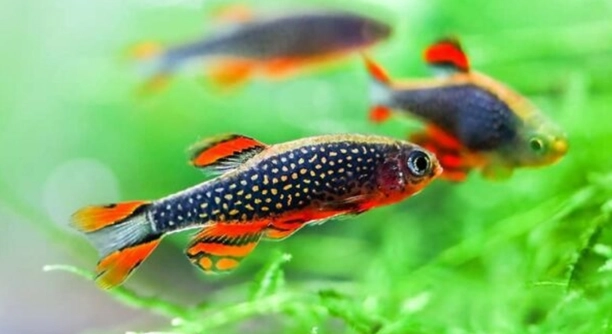
Do you ever find yourself rearranging your fish tank and wondering how the change will affect your Danios? Setting up a new layout can be exciting, but it often comes with unexpected observations and adjustments to notice.
After re-scaping a Danio tank, several noticeable changes occur. Fish behavior, swimming patterns, and territorial interactions can shift significantly. Plants, decorations, and substrate placement directly influence movement, feeding, and stress levels, revealing the importance of careful tank arrangement for stability.
Even small changes in layout can reveal surprising behaviors and highlight areas that need attention for your Danios’ comfort and well-being.
Noticeable Behavior Changes
After re-scaping my Danio tank, I immediately noticed differences in how the fish moved and interacted. The newly arranged plants created new hiding spots and pathways, which encouraged more exploration. Some fish that were previously shy became more active, swimming through open spaces and interacting with others more confidently. Conversely, a few Danios appeared cautious, sticking close to familiar areas until they adjusted. The rearranged decorations seemed to create small territories, which influenced chasing and schooling patterns. Feeding time also changed; fish approached food more quickly in areas with fewer obstacles. I realized that even minor changes in layout could impact comfort and behavior, and the tank needed time for both fish and plants to settle. Watching these adjustments was fascinating, as small details, like moving a rock or trimming a plant, could alter how the fish used the space. It reminded me that balance and observation are key when managing a Danio tank.
Behavior shifts were more noticeable in the first few days after the re-scape.
Observing these changes closely helps in understanding the tank dynamics. Fish behavior reflects comfort and stress, and even small layout changes can influence swimming, feeding, and social patterns. By noting these adjustments, it becomes easier to make further improvements, ensuring the tank remains stable and enjoyable for the Danios over time.
Plant Placement and Growth
Plant positions directly affected how Danios interacted with the tank space.
Certain plants, especially tall or dense ones, created shaded areas that the fish often used for hiding or resting. These spots encouraged more natural behavior, such as darting quickly from one open area to another, simulating the protection they would seek in nature. Planted areas also provided barriers that helped reduce aggressive interactions during feeding, as some fish could retreat and avoid competition. Over the following weeks, I noticed that fast-growing plants like hornwort and water wisteria needed regular trimming to maintain open swimming spaces. Low-growing foreground plants allowed fish to explore near the substrate without feeling trapped. The position of plants near filters and flow areas also influenced water movement, affecting how fish navigated currents. Adjusting plant placement gradually helped achieve a balance between providing shelter and maintaining activity. Monitoring growth and interaction patterns ensured both plants and fish thrived together.
The right plant arrangement improved both comfort and overall tank aesthetics.
Properly arranging plants requires understanding how they influence water flow, light distribution, and fish behavior. Dense plants can provide security, while open areas encourage swimming and schooling. Placement near filters helps disperse nutrients, benefiting both plants and fish. Observing how Danios use the planted zones informs adjustments, ensuring a balanced tank where movement, feeding, and interaction occur naturally. Regular maintenance, like pruning fast-growing species, prevents overcrowding and keeps the tank visually appealing. Combining tall, medium, and low plants creates depth and varied environments, which promotes activity and reduces stress. Each change in placement may shift social dynamics or swimming routes, so incremental adjustments are often best. Noting fish reactions helps identify which areas they prefer for resting, hiding, or feeding. Over time, this awareness allows for an optimal setup that supports plant health while accommodating the Danios’ natural behaviors. Keeping this balance ensures the tank remains lively, organized, and healthy.
Swimming Patterns
The new layout caused immediate changes in swimming routes. Fish explored open areas more, while some preferred sticking close to plants or decorations.
Re-scaping created new currents and obstacles that influenced movement. Danios adjusted their schooling behavior, sometimes splitting into smaller groups to navigate tighter spaces. They seemed more confident in open areas but relied on shaded zones when resting. Observing these patterns showed how spatial changes affected energy levels, social interaction, and stress management. Even minor adjustments like moving a rock or repositioning a plant could redirect traffic in the tank.
Over time, I noticed that the fish developed preferred paths around decorations. Some consistently swam along the edges, while others used the center more often. This helped reduce conflicts, as territorial tendencies were mitigated by natural routes. Recognizing these patterns allowed me to optimize placement for both activity and safety. Swimming routes became predictable, which made feeding easier and encouraged healthier interactions. It also revealed which areas were underutilized, guiding future adjustments for better tank balance.
Feeding Behavior
Feeding times showed clear differences after rearranging the tank. Fish approached food more cautiously near new obstacles.
Some Danios became quicker at grabbing food in open areas, while others preferred hiding spots before emerging. This led to more balanced feeding opportunities, as shy fish could access flakes without being chased. Observing their behavior showed that layout directly impacts how food is distributed. Adjusting placement of decorations and plants created zones that encouraged natural foraging.
Over several days, it became evident that strategic positioning of feeding areas reduced stress and competition. Fish learned which spots were safest, and feeding became calmer. Certain corners of the tank received more activity, while others became resting areas. By rotating feeding locations and considering flow and plant density, all Danios had a fair chance to eat. This adjustment also minimized leftover food, helping maintain water quality and encouraging healthier eating habits. Observing these subtle changes emphasized the importance of layout in daily routines and overall fish well-being.
Interaction with Decorations
Fish explored the new decorations immediately, using them as hiding spots and climbing points. The changes encouraged more movement and occasional playful chasing.
Some decorations created small territories, reducing conflicts among the Danios. The fish adapted quickly, often revisiting favorite spots and exploring new areas repeatedly.
Color and Vibrancy
The re-scape seemed to affect the brightness of the fish. Danios appeared more vivid in areas with better lighting and open spaces, while shaded zones made colors slightly muted. Overall, layout influenced how their natural coloration was displayed and highlighted.
Resting Areas
The newly arranged plants and decorations created improved resting spots. Fish used these zones to relax, retreat, and recover between active periods, showing clear preferences for shaded and sheltered corners.
FAQ
How long does it take for Danios to adjust after a re-scape?
Most Danios start exploring new layouts within a few hours, but complete adjustment can take several days. Some fish may be cautious at first, staying close to familiar hiding spots. By observing them daily, you can notice gradual increases in confidence and normal swimming patterns. Providing consistent lighting, stable water conditions, and minimal disturbances helps them adapt faster.
Will re-scaping stress my fish?
Yes, it can cause temporary stress, especially if decorations or plants are moved suddenly. Stress shows as hiding, reduced swimming, or decreased appetite. To reduce it, rearrange one section at a time, monitor water quality, and allow fish to explore gradually. Adding plants and shelter in new areas provides security.
Do plants need time to adjust after a re-scape?
Plants may need a few days to settle after being moved. Roots or stems can be disturbed, so some trimming may be required. Fast-growing species adjust quickly, but delicate plants might need gentle care. Ensuring proper lighting and nutrient levels supports recovery and healthy growth.
Should I change the filter or lighting after re-scaping?
Not necessarily. Existing filters and lighting usually remain effective unless flow or coverage is disrupted. Ensure decorations do not block water movement or light, and check that plants still receive enough exposure. Minor adjustments may be needed for optimal conditions.
Will the social dynamics of my Danios change?
Yes, tank layout directly affects schooling, chasing, and territorial behavior. Some fish may become bolder in open areas, while shy fish stick to plants. Observation is key to identifying imbalances and making small adjustments to reduce stress or aggression.
How do I know if a decoration placement is safe?
Check for sharp edges, loose parts, or unstable positions. Fish can injure themselves on rough surfaces, so secure all items firmly. Smooth rocks, driftwood, and plant pots are generally safe. Monitor fish interactions with new structures during the first few days.
Does re-scaping affect feeding behavior?
Yes, fish may approach food differently based on hiding spots and obstacles. Some may take longer to find flakes, while others benefit from calmer feeding zones. Observing patterns helps ensure all fish have access to food and prevents leftover debris that can harm water quality.
Can I re-scape frequently?
Frequent major changes can cause ongoing stress. Small tweaks, like moving plants slightly or rotating decorations, are less disruptive. Allowing the tank to stabilize between adjustments ensures fish remain comfortable and healthy while still keeping the environment interesting.
What should I watch for after a re-scape?
Monitor behavior, appetite, and interaction for signs of stress or aggression. Check water parameters, plant health, and areas where fish prefer to swim. Noting these observations helps determine if further adjustments are needed or if the tank is functioning well overall.
How do I balance aesthetics and fish comfort?
Arrange decorations and plants to provide open swimming spaces, hiding spots, and natural flow. Avoid overcrowding and sharp objects. Consider lighting, color contrast, and height variation to make the tank visually pleasing without compromising fish safety or behavior. Observing your Danios will guide future improvements.
Is it normal for fish to revisit the same spots repeatedly?
Yes, Danios often develop favorite routes or resting areas. Repeated use shows comfort and familiarity with the layout. This behavior helps reduce stress and conflicts. Adjustments should respect these preferred zones while maintaining enough variety to encourage exploration.
How does substrate affect re-scaping?
Substrate changes can impact plant stability, waste accumulation, and swimming behavior. Smooth gravel or sand is preferable for Danios, as it allows natural foraging and reduces injury risk. When rearranging, ensure plants are secure and substrate is level to prevent instability.
Can lighting changes highlight fish color after a re-scape?
Yes, brighter or better-positioned lighting can enhance natural coloration. Open swimming areas help display colors, while shaded zones may mute them. Adjust light angles and intensity carefully to avoid overheating or stressing the fish. Observing their response helps find the right balance.
What if a fish seems stressed long-term?
Persistent stress may indicate improper layout, lack of hiding spots, or water quality issues. Reassess tank arrangement, provide additional cover, and ensure proper filtration and maintenance. Isolated or injured fish may need temporary relocation to reduce stress and support recovery.
Are certain Danio species more sensitive to re-scaping?
Some species, like smaller or naturally timid varieties, may take longer to adapt. Active and bold Danios may explore quickly, while others prefer remaining near plants. Understanding species traits helps plan a layout that accommodates all tankmates comfortably.
How often should I observe the tank after a re-scape?
Daily observation for the first week is ideal. Note behavior, feeding, and interaction changes. After initial adjustment, monitoring a few times per week is sufficient, focusing on plant growth, water quality, and any behavioral changes. Consistent observation ensures a healthy, stable tank environment.
Final Thoughts
Re-scaping a Danio tank can be a surprisingly revealing experience. Even small changes in plant placement, decorations, or substrate can affect fish behavior, swimming patterns, and feeding habits. Observing these subtle shifts helps you understand your fish better and adjust the environment to suit their needs. Some fish become more confident in open areas, while others stick to shaded or sheltered spots. Noticing these preferences allows you to provide a balance of activity and comfort, which ultimately improves their overall well-being. I learned that patience is essential, as fish need time to explore new layouts and adjust to changes. Rushing or making multiple changes at once can increase stress and disrupt natural routines. By spacing out adjustments and monitoring their behavior, the tank gradually reaches a stable state where fish feel secure and the environment supports healthy movement and interaction.
Plants and decorations are not just for aesthetics; they play a critical role in shaping fish behavior and tank dynamics. Taller or denser plants provide hiding spots and resting areas, while open zones encourage swimming and schooling. Decorations like rocks, driftwood, or tunnels can create natural boundaries that reduce conflicts among Danios, giving shy or less dominant fish a chance to retreat safely. It’s important to observe how fish interact with these elements over time. Some plants may grow quickly and require trimming to maintain open swimming spaces, while decorations might need repositioning to improve flow or accessibility. Balancing the visual appeal of the tank with the needs of your fish creates an environment that is both lively and safe. Paying attention to details like light exposure, water flow, and substrate stability can make a noticeable difference in fish comfort, behavior, and even coloration. The layout doesn’t have to be perfect from the start; small tweaks based on observation are often the most effective way to achieve harmony in the tank.
Feeding behavior is another area strongly influenced by a re-scape. Some fish may take longer to approach food when hiding spots are nearby, while others adjust quickly to new feeding zones. Observing these patterns allows you to place food in areas where all fish have fair access and reduces stress or competition. Over time, I noticed that rotating feeding locations and balancing open and sheltered areas helped maintain calmer and more predictable routines. Beyond feeding, re-scaping affects social interaction, swimming routes, and resting behaviors. Some fish develop favorite paths or territories, while others explore new spaces cautiously. By taking note of these behaviors, it becomes easier to make small adjustments that benefit both fish and plants. Re-scaping may seem like a simple aesthetic choice, but it has a significant impact on daily life in the tank. Paying close attention, making careful adjustments, and respecting fish preferences ensures a healthy, balanced, and engaging environment for Danios.

Hello,
If you enjoy the content that we create, please consider saying a "Thank You!" by leaving a tip.
Every little bit helps us continue crafting quality advice that supports the health, happiness, and well-being of pets around the world, for pets of all shapes, sizes, and species.
We really appreciate the kindness and support that you show us!