
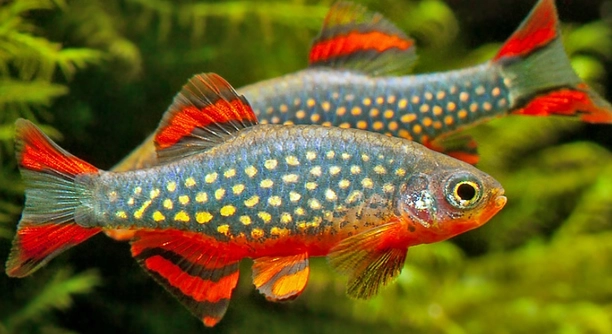
Are your danios thriving but not producing as many healthy fry as you expected? Many breeders focus on food and tank size, but water quality changes can play a critical role in encouraging successful spawning.
Performing regular water changes helps maintain stable water parameters, reduce harmful waste buildup, and provide the optimal environment for danio breeding. Consistent water renewal ensures fish health, promotes egg development, and increases the likelihood of higher survival rates among fry.
Understanding the importance of water adjustments can improve breeding outcomes and create a healthier habitat for your danios over time.
Preparing the Tank for Water Changes
Before making any water changes, it’s important to ensure your tank is ready. Start by checking that the water you plan to add matches the temperature of the tank. Sudden changes can stress danios and affect their spawning behavior. Removing debris and cleaning filters beforehand helps prevent contaminants from mixing with the fresh water. Use a siphon or gentle vacuum to avoid disturbing eggs or delicate plants. Make sure your water is treated to remove chlorine or chloramines, which can harm both adults and fry. Keeping the environment calm and stable during water changes allows fish to stay comfortable and continue their normal routines. Slowly adding the new water in small increments helps maintain consistent parameters and reduces the risk of shocking the fish. A prepared tank supports a smoother transition and ensures the water change benefits rather than harms the breeding process. Regular maintenance makes the tank a reliable place for spawning and growth.
Proper preparation prevents stress and keeps your danios healthy during changes, encouraging better breeding outcomes.
Taking time to match water conditions and gently introduce new water creates a safer environment. This careful process encourages natural behavior and supports egg development while keeping the tank stable. Maintaining these habits consistently strengthens the overall health of your breeding setup, leading to higher fry survival.
Timing and Frequency of Water Changes
Changing water at the right times is key to successful breeding. Frequent small changes are often better than large, infrequent ones, which can disrupt the tank environment and stress the fish.
For danio breeders, water changes should occur on a regular schedule, ideally two to three times per week, depending on tank size and fish density. Using partial water replacements rather than full swaps helps maintain stable chemical levels while still removing excess nitrates and waste products. Early morning changes can simulate natural conditions, signaling the fish that it is time to spawn. Observing the tank after changes allows you to notice any signs of stress or changes in behavior, giving you the opportunity to adjust your schedule. In addition to timing, the amount of water replaced should be consistent to avoid sudden parameter swings. Keeping track of temperature, pH, and hardness ensures that each change supports the breeding environment. By combining careful timing with proper amounts, water changes become an effective tool for healthier, more productive danio breeding.
Using Dechlorinated Water
Always use dechlorinated water for changes. Tap water often contains chlorine or chloramine, which can harm danios and reduce egg viability. Treating the water ensures a safer environment for both adults and fry, supporting healthy breeding outcomes.
Dechlorinated water maintains chemical stability in the tank, preventing sudden spikes that can stress fish. Using a water conditioner neutralizes harmful substances, allowing eggs to develop properly and fry to survive. Even small amounts of untreated water can cause harm over time, so consistency is important. Preparing water ahead of time also makes changes smoother and faster. Keeping parameters steady while adding new water supports overall fish health and encourages natural spawning behavior.
Water temperature should also match the tank closely. Sudden cold or hot water can shock fish, causing them to hide or stop spawning. Pouring water slowly and evenly prevents disturbances in the substrate or plants. Regularly checking water parameters ensures that dechlorination is effective and the environment remains stable. Maintaining these practices reduces stress and improves the success rate of breeding danios over time.
Gradual Partial Water Changes
Small, gradual changes are more effective than large, abrupt ones. Replacing 10-20% of the water helps remove waste while keeping conditions stable for the fish.
Performing partial water changes regularly prevents nitrate buildup and reduces toxins in the tank. Large water changes can suddenly alter pH, hardness, and temperature, causing stress to adults and affecting egg health. By changing water in smaller increments, you maintain stability and encourage normal behavior in the breeding pair. Consistency is key—regular partial changes support healthier fish and a cleaner environment without shocking the system. Tracking water parameters before and after changes ensures the environment remains optimal. Small, frequent adjustments allow the fish to adapt gradually while improving the likelihood of successful spawning. This approach balances cleanliness with stability, making it easier to manage a thriving breeding tank.
Avoiding Sudden Temperature Changes
Sudden temperature shifts can stress danios and affect spawning. Always ensure the new water matches the tank’s current temperature to keep fish calm and maintain a stable environment.
Using a thermometer helps monitor water accurately. Even small differences can impact egg development and fry survival, so consistency is important.
Removing Waste Before Changes
Siphoning uneaten food and debris before adding new water keeps the tank cleaner. This prevents toxins from building up and improves water quality for breeding.
Monitoring pH Levels
Maintaining stable pH is critical for danios. Sudden swings can reduce egg viability and stress fish, so test water regularly and adjust gradually as needed.
Using Conditioned Water
Conditioned water neutralizes harmful chemicals like chlorine or chloramine. Always prepare water in advance to ensure it is safe and ready for gradual additions to the tank.
How often should I change the water in my danio breeding tank?
Water changes should be done regularly, usually two to three times a week, depending on tank size and fish density. Partial changes of about 10-20% at a time work best. This keeps nitrates and waste low while maintaining stable water conditions, which is crucial for spawning. Consistency prevents stress and encourages natural breeding behavior.
Can I use tap water directly for water changes?
No, tap water often contains chlorine or chloramine, which are harmful to both adults and fry. Always use a water conditioner to neutralize these chemicals before adding it to the tank. Treating water ahead of time also allows it to reach the same temperature as the tank, reducing stress during changes.
What is the ideal water temperature for breeding danios?
Danios generally breed well in water between 74°F and 78°F. Consistency is more important than hitting an exact number. Sudden temperature swings can shock the fish, stop spawning, or even damage eggs. Always measure both the tank and new water before adding it.
How much water should I change at a time?
Small, partial changes of 10-20% are safest. Large changes can disrupt pH, hardness, and temperature, stressing the fish. Gradual water renewal maintains stable conditions while still removing waste and nitrates. Partial changes are easier to manage and improve survival rates of fry.
Should I change water before or after spawning?
Partial changes just before spawning can help trigger natural breeding behavior by mimicking rain or seasonal shifts. After spawning, regular changes remove waste and keep water quality high, which is essential for the development and survival of the eggs and fry.
How do I prevent shocking the fish during water changes?
Always match the temperature of new water to the tank. Pour water slowly and evenly to avoid disturbing the substrate or plants. Small, gradual changes minimize stress and help fish continue normal behaviors, including spawning. Monitoring parameters before and after changes ensures stability.
What happens if I skip water changes?
Skipping changes allows waste, nitrates, and other toxins to build up. This can stress the fish, reduce egg viability, and increase fry mortality. Over time, poor water quality can lead to disease outbreaks and unhealthy conditions that make breeding more difficult.
Are there signs my danios are stressed by water changes?
Yes. Signs include hiding, reduced activity, rapid gill movement, or stopping spawning. Fry may be less active or fail to feed properly. Observing behavior after changes helps identify if adjustments are needed in timing, temperature, or amount of water replaced.
Is conditioned water always safe for my tank?
Conditioned water neutralizes harmful chemicals but should still match tank parameters like temperature and pH. Even safe water can stress fish if introduced too quickly. Gradual addition and testing parameters ensure the water benefits the breeding environment without causing harm.
Can I combine water changes with feeding adjustments?
Yes. Reducing leftover food before a water change helps maintain water quality. Feeding smaller amounts more frequently prevents excess waste from accumulating. A clean tank combined with a controlled feeding schedule promotes healthier fish, higher egg viability, and better survival rates for fry.
How do I know if my water changes are improving breeding success?
Healthier, more active adults, increased spawning, and higher fry survival are clear signs. Monitoring water parameters and adjusting the frequency or amount of changes based on observations allows you to refine the process. Consistent improvements in tank conditions usually correlate with better breeding results.
Can I use filtered or bottled water for changes?
Yes, as long as the water matches tank parameters and is treated if necessary. Bottled or filtered water can help maintain stability, but it must be free of contaminants and conditioned properly to ensure it is safe for both adults and fry.
Should I aerate the water after changes?
Aeration can help maintain oxygen levels, especially after partial water changes or when water is warmer. It reduces stress for adults and supports healthy fry development. Gentle circulation also helps mix water evenly without disturbing eggs or plants.
Is there a best time of day to do water changes?
Early morning is often effective, as it mimics natural conditions and minimizes disruption during active periods. Performing changes consistently at the same time of day helps maintain routine and reduces stress, supporting regular spawning behavior.
What is the most common mistake breeders make with water changes?
The biggest mistake is doing large or infrequent changes that shock the fish. Sudden shifts in temperature, pH, or hardness can stop spawning and harm eggs or fry. Small, gradual, and regular water changes are much more effective and safer for breeding success.
How can I track water quality effectively?
Use a thermometer, pH strips or meters, and test kits for nitrates and hardness. Tracking parameters before and after changes helps maintain a stable environment and ensures water changes are benefiting the breeding process. Regular observation and record-keeping allow adjustments when needed.
Can water changes alone improve breeding success?
While water changes are crucial, they work best in combination with proper feeding, tank setup, and overall care. Clean, stable water creates the foundation for successful breeding, but other factors like temperature, diet, and tank structure also influence outcomes. Consistency across all aspects ensures the best results.
What should I do if fry are dying despite regular changes?
Check water parameters, temperature consistency, and leftover food levels. Ensure changes are gradual and water is properly conditioned. Other factors like overcrowding, disease, or poor diet may also contribute. Adjusting these alongside regular water changes usually improves fry survival.
Are there any tools that make water changes easier?
Siphons, buckets with spouts, and water conditioners simplify the process. Thermometers and test kits help monitor parameters. Using these tools ensures changes are safe, controlled, and consistent, reducing stress on both adults and fry while maintaining optimal breeding conditions.
How important is patience during water changes?
Patience is key. Rushing or making large, abrupt changes can harm fish and reduce breeding success. Gradual adjustments and careful observation over time lead to a healthier tank, happier fish, and better outcomes for eggs and fry. Consistency and care make the difference.
What is the overall benefit of regular, proper water changes?
They maintain stable parameters, reduce toxins, support spawning, and improve fry survival. Combined with good feeding and tank management, water changes create a reliable, healthy environment for danios to breed consistently and successfully. Proper practices reduce stress and improve overall fish health, creating a thriving breeding setup.
How do I know when I need to adjust my water change routine?
Observe fish behavior, egg viability, and fry survival. If adults seem stressed, spawning decreases, or water quality tests show elevated toxins, adjust frequency, volume, or timing of changes. Regular monitoring ensures the routine supports the best possible breeding environment.
What role does water hardness play in changes?
Maintaining consistent hardness is important for egg development and fry health. Sudden shifts can affect survival rates and overall health. Test and adjust water gradually when needed, ensuring that changes do not disrupt the delicate balance required for successful breeding.
Can seasonal changes affect how I perform water changes?
Yes, seasonal temperature fluctuations may require adjusting water change frequency or temperature control. Maintaining stability in spite of external conditions is key. Small, consistent changes prevent stress caused by shifts in the environment, ensuring danios continue to spawn reliably.
How long should I wait after a water change to feed fish?
Wait at least 30 minutes after a change before feeding. This allows the fish to acclimate, reduces stress, and ensures they respond normally to food. Feeding too soon may cause uneaten food to accumulate, negating the benefits of the water change.
Do water changes affect male and female danios differently?
Yes, sudden changes may stress males more visibly, causing reduced chasing or spawning behavior. Females may delay egg release. Gradual, stable changes minimize stress for both sexes, encouraging natural interactions and more successful spawning.
Is there a difference between changing water in breeding tanks versus regular tanks?
Breeding tanks require more careful, frequent partial changes to maintain ideal conditions for spawning and fry survival. Regular tanks focus on general cleanliness, but breeding tanks must prioritize stability, water chemistry, and minimal stress for both adults and eggs.
Can water changes help prevent disease?
Yes, regular changes reduce waste, nitrates, and toxins that contribute to illness. Cleaner water supports stronger immune systems, making adults less likely to get sick and increasing the survival rate of fry in the breeding tank.
What is the ideal water change schedule for a high-density breeding tank?
High-density tanks benefit from more frequent partial changes, typically 3-4 times a week, with careful monitoring of parameters. Smaller increments prevent stress while keeping water quality high, supporting both adult health and fry survival in crowded conditions.
Are there any additives I should use during water changes?
Use only safe water conditioners to remove chlorine or chloramine. Avoid unnecessary chemicals that may affect eggs or fry. Simple treatments that stabilize pH and neutralize harmful substances are sufficient for maintaining a healthy breeding environment.
How do I balance water changes with plant care in a breeding tank?
Remove debris gently without disturbing plants. Partial water changes maintain nutrient balance without harming vegetation. Healthy plants improve water quality, provide shelter for eggs and fry, and support the overall ecosystem of the breeding tank.
What signs indicate water changes are effective?
Active adults, frequent spawning, clear water, and high fry survival indicate effective water changes. Consistent testing of parameters confirms stability. Healthy, stress-free fish are the clearest sign that your water change routine is supporting breeding success effectively.
How can I improve the effectiveness of water changes over time?
Keep detailed records of water parameters, change frequency, and fish behavior. Adjust gradually based on observations. Combining careful timing, partial water replacement, and conditioned water ensures the routine continues to support breeding goals while minimizing stress.
What is the most important takeaway for water changes in danio breeding?
Consistency, stability, and gradual adjustments are key. Properly timed, conditioned, and monitored water changes improve adult health, encourage spawning, and increase fry survival. Careful attention ensures a thriving breeding environment.
How long should I continue water changes after spawning?
Continue regular partial changes until fry are large enough to handle minor parameter fluctuations. Maintaining clean, stable water throughout early development supports growth, reduces stress, and prevents disease. Gradual adjustment prepares the tank for future breeding cycles.
Can water changes replace other breeding care practices?
No, they complement feeding, tank setup, and general care. Stable water supports these other practices, but breeding success depends on a combination of consistent water changes, proper nutrition, and safe, comfortable tank conditions.
How do I know if my fry are benefiting from water changes?
Fry should be active, growing steadily, and feeding well. Water clarity and reduced waste indicate effective changes. Observing early development and survival rates confirms that the water change routine is supporting their health properly.
What adjustments are necessary for very small breeding tanks?
Small tanks require smaller, more frequent partial changes to avoid sudden parameter swings. Matching temperature and carefully conditioning water is critical. Gentle water addition prevents disruption, stress, or loss of eggs and fry in limited spaces.
Are there long-term benefits of maintaining a strict water change routine?
Yes, long-term consistency improves fish health, breeding frequency, egg viability, and fry survival. Stable conditions reduce disease risk, support natural behavior, and create a reliable breeding environment for future generations. Regular care pays off over time.
How do I avoid overdoing water changes?
Excessive changes can stress fish and alter parameters too frequently. Stick to a planned schedule with measured volumes, monitor water quality, and observe fish behavior. Balance is key to maintaining stability while keeping the tank clean.
What tools make monitoring water quality easier?
Thermometers, pH meters, nitrate test kits, and siphons simplify the process. Keeping these tools handy ensures changes are safe, consistent, and effective, providing a stable environment for both adult danios and developing fry.
Can I do water changes during active spawning?
Partial changes are possible but should be gentle. Avoid disturbing eggs or chasing adults during spawning. Slow addition and careful siphoning help maintain water quality without interfering with natural breeding behavior.
How do water changes affect fry growth rates?
Stable, clean water supports healthy growth by reducing toxins and stress. Fry in well-maintained tanks are more active, feed effectively, and develop more consistently, increasing the likelihood of reaching maturity successfully.
Is it necessary to track water parameters daily?
Daily checks are ideal during breeding to ensure stability, especially in small or high-density tanks. Tracking pH, temperature, and nitrates helps identify potential issues early and maintain optimal conditions for spawning and fry survival.
What is the role of partial water changes in maintaining overall tank balance?
Partial changes remove waste, stabilize parameters, and refresh oxygen levels. This maintains equilibrium in a closed system, allowing adults to breed naturally and fry to develop safely. Gradual, consistent adjustments prevent shocks that can disrupt breeding success.
How can I make water changes less stressful for the fish?
Prepare water in advance, match temperature and pH, pour slowly, and siphon debris gently. Small, consistent changes combined with careful observation minimize stress, encouraging natural behavior and supporting egg and fry health.
Are there any alternatives to traditional water changes?
Some breeders use automated systems or frequent small filtrations, but these still require monitoring and conditioning to ensure stability. Traditional partial changes remain one of the most effective and controlled methods for maintaining a healthy breeding environment.
Can I combine water changes with cleaning decorations?
Yes, but gently. Avoid disturbing eggs or fry while removing debris from rocks or plants. Partial changes alongside careful cleaning maintain water quality without causing unnecessary stress to the fish or disrupting breeding activity.
How do I handle water changes if the tank is heavily planted?
Use a siphon carefully around plants, add water slowly, and match temperature. Plants help improve water quality, so maintaining them during changes supports stability. Avoid uprooting or disturbing dense vegetation to prevent stress to fish and eggs.
What is the best way to acclimate water for a change?
Let conditioned water sit to reach tank temperature, then add slowly in small increments. This gradual acclimation prevents parameter shocks, reduces stress, and supports natural breeding behavior while keeping the tank environment stable.
Can water changes influence mating behavior?
Yes, clean water and stable parameters encourage chasing, courtship, and egg-laying. Poor or inconsistent water quality can reduce activity and delay spawning. Regular, careful changes help maintain conditions that support normal mating rituals.
How important is water clarity during breeding?
Clear water reduces stress and allows adults to locate eggs and interact naturally. Debris and waste can obscure vision, disturb eggs, and affect fry development. Partial changes keep water clear while maintaining stability.
Should I change water differently for juvenile danios versus adults?
Juveniles are more sensitive to parameter shifts. Smaller, slower partial changes are recommended, while adults tolerate slightly larger adjustments. Matching temperature and conditioning water is critical for both life stages to ensure healthy growth and breeding outcomes.
How do I prevent contaminating the tank during water changes?
Use clean buckets and siphons, avoid introducing untreated water, and rinse tools before use. Maintaining hygiene reduces the risk of disease, keeps water safe, and ensures changes benefit rather than harm the breeding environment.
Are frequent small changes better than occasional large ones?
Yes. Frequent small changes maintain stability while removing waste, reducing stress, and supporting natural spawning behavior. Large, infrequent changes can shock fish and disrupt water chemistry, harming eggs and fry.
Can water changes improve fry coloration and vitality?
Stable, clean water reduces stress and promotes proper nutrition absorption, resulting in healthier, more vibrant fry. Proper water quality supports growth and overall vitality during the critical early development stages.
How do I ensure water changes do not remove beneficial bacteria?
Partial changes remove waste without drastically altering the biofilter. Avoid over-cleaning gravel or decorations to preserve bacterial colonies that help maintain nitrogen balance. This supports both adults and developing fry.
What is the best method to pour water into the tank?
Use a slow, steady stream or a plate to diffuse the flow. This prevents disturbing substrate, eggs, or fry while mixing the new water evenly. Slow addition reduces stress and maintains stable conditions for breeding.
How do I know if my water conditioner is working effectively?
Test tap water before and after treatment for chlorine or chloramine levels. Effective conditioning will neutralize harmful chemicals and create a safe environment for adults and fry. Consistent monitoring ensures water changes are truly beneficial.
Can water changes trigger spawning?
Yes, partial changes, especially with slight temperature adjustments, can simulate seasonal rain, encouraging courtship and egg-laying. Careful timing and consistency increase the likelihood of successful spawning without stressing the fish.
Are there risks of over-conditioning water?
Excessive additives can alter pH or leave residues harmful to fry. Use only recommended amounts for neutralizing chlorine or chloramine. Follow instructions carefully to ensure the water remains safe and supportive of breeding.
How do I manage water changes in a community tank with danios?
Focus on partial, gentle changes that maintain stability for all species. Monitor each species for stress responses, and ensure water parameters meet the needs of danios without harming other tank mates. Gradual, consistent changes minimize disruption.
What should I do if my water parameters fluctuate frequently despite changes?
Check filtration, feeding, and tank maintenance practices. Adjust change frequency and volume, and test water sources. Consistent monitoring and gradual corrections stabilize the environment, supporting healthy breeding conditions.
Can water changes reduce algae growth in a breeding tank?
Yes, removing excess nutrients with partial changes limits algae proliferation. Maintaining stable parameters and cleaning debris prevents conditions that encourage algae, keeping the tank healthier for adults and fry.
How long does it take to see improvements after starting a proper water change routine?
Results may appear within a week for adult behavior and tank clarity. Fry survival and overall breeding success improve over several weeks. Consistent practices yield steady, reliable outcomes as the environment stabilizes.
Is it necessary to adjust water hardness during changes?
Only if the tap water differs significantly from tank conditions. Gradual adjustment ensures eggs and fry are not stressed. Monitoring hardness alongside other parameters maintains a balanced, supportive environment for breeding.
How do I manage water changes in very small tanks with limited space?
Use tiny, frequent partial changes to avoid parameter swings. Prepare water in advance and add slowly. Gentle handling prevents stress and preserves delicate eggs or fry in confined environments.
Can water changes prevent fungal infections on eggs?
Clean, stable water reduces fungal growth by lowering organic waste and maintaining optimal parameters. Partial changes improve circulation and water quality, supporting healthy egg development and increasing survival chances.
Should I combine water changes with adjusting lighting?
Lighting should remain consistent to avoid stressing adults. Water changes can mimic seasonal cues, but abrupt lighting shifts may confuse fish. Keep light schedules steady while performing gradual water changes.
**How do I deal with sudden water discoloration during changes
Water changes are one of the most important steps for keeping a breeding tank healthy and successful. Regularly replacing a portion of the water helps remove waste, excess food, and harmful chemicals that can build up over time. This simple routine keeps the water clean and stable, which is essential for danios to stay healthy and continue their natural spawning behavior. Consistent water changes prevent sudden changes in pH, temperature, or hardness, which could otherwise stress the fish and harm the eggs or fry. Over time, small, regular changes create a predictable environment that supports both adult fish and developing fry, making it easier to manage the tank and maintain optimal conditions.
Using dechlorinated or conditioned water is also a key part of a successful routine. Tap water often contains chemicals like chlorine or chloramine, which can be harmful to fish and eggs. Treating the water beforehand ensures it is safe to add and avoids introducing toxins into the tank. Matching the temperature of the new water to the tank is equally important. Sudden temperature shifts can cause stress, reduce spawning activity, or even damage eggs. Taking the time to prepare water properly may seem simple, but it can make a significant difference in breeding success. Over time, conditioned water and careful handling help keep fry healthy and improve survival rates, giving the breeding effort a much stronger foundation.
Finally, patience and consistency are essential. Water changes alone are not a magic solution, but when combined with good feeding, proper tank setup, and regular monitoring, they create the best possible environment for danios to thrive. Observing the fish closely after each change helps identify any stress or behavioral changes, allowing adjustments as needed. Partial, gradual water changes maintain stability while supporting natural behavior, giving adults the confidence to spawn and ensuring fry have a safe space to grow. By keeping up with regular maintenance and paying attention to water quality, breeders can achieve more reliable results and healthier, more active fish over time. Simple, thoughtful routines build a strong foundation for ongoing success in breeding danios.

Hello,
If you enjoy the content that we create, please consider saying a "Thank You!" by leaving a tip.
Every little bit helps us continue crafting quality advice that supports the health, happiness, and well-being of pets around the world, for pets of all shapes, sizes, and species.
We really appreciate the kindness and support that you show us!