
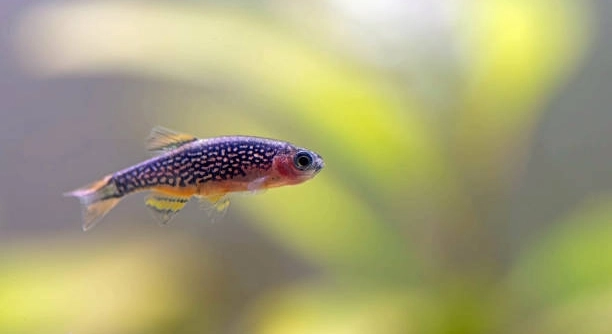
Danios are lively and social fish that spend most of their time swimming in well-lit tanks. Observing their behavior during extended periods of darkness can reveal interesting patterns about their activity and stress levels.
When exposed to seven hours of darkness, danios typically reduce their swimming activity and spend more time near the bottom or hiding spots of the tank. Their metabolism slows, and they exhibit temporary stress-related behaviors that normalize once light is restored.
Studying these reactions helps fish owners create a healthier environment and better understand the natural rhythms of their danios.
Danios’ Response to Darkness
Danios react quickly to sudden changes in light. When the tank goes dark for seven hours, they slow down and often gather near corners or plants. Their bright colors dim slightly, and they stay closer together for a sense of security. During this time, their usual playful swimming decreases, and they may hover near the bottom. Some will explore cautiously, while others remain still. This period of darkness can also affect feeding habits. If the lights are turned off during regular feeding hours, they may show less interest in food. It is interesting to see how they adjust once the lights return. Activity picks up gradually, and normal swimming patterns return. Watching them adapt can help owners notice subtle signs of stress or comfort. Over time, repeated exposure to darkness in a controlled way can help danios develop a steady routine that aligns with their natural rhythms.
Observing danios in darkness reveals clear behavioral adjustments, including reduced swimming, slower metabolism, and increased reliance on hiding or protective spaces.
These responses highlight how sensitive danios are to environmental changes. Small adjustments in lighting schedules can improve their overall health, making them more active and less stressed over time.
Tips for Managing Tank Darkness
Reducing stress is essential when planning dark periods in the tank.
Gradually adjusting light schedules helps danios adapt without sudden shocks. Starting with shorter periods of darkness and slowly increasing the duration allows them to maintain regular activity and feeding routines. Tank decorations like plants and hiding spots give them comfort during dark hours. It is also important to monitor water temperature and oxygen levels, as reduced activity can influence these factors. Some danios may initially appear restless, while others may stay still, showing that individual personalities play a role in adaptation. Logging behavior over several days can help identify patterns and ensure the fish remain healthy. Once lights return, danios often resume normal swimming and social behavior, indicating their resilience. These practices allow owners to maintain a stable, comfortable environment while supporting the natural instincts and rhythms of the fish.
Adjusting Feeding Schedules
Danios eat less during extended darkness. Skipping or delaying feeding while the tank is dark prevents uneaten food from fouling the water and keeps the fish healthier overall.
Feeding during or immediately after dark periods can cause stress. Danios rely on light cues to find food, so offering meals in darkness may lead to confusion or overeating once lights return. Observing their normal feeding times and adjusting slightly around dark periods helps maintain a steady routine. For example, feeding shortly after lights come back ensures they receive nutrition when they are most active and alert. Tracking behavior over several days allows subtle changes in appetite to be noticed, helping owners adjust without overfeeding. This approach supports both their digestion and tank cleanliness.
Monitoring individual fish during these schedule changes is important. Some danios may adapt quickly, eating normally after darkness, while others need more time. Ensuring each fish receives adequate food prevents weaker or smaller fish from being outcompeted. By paying attention to these details, the overall health of the tank improves. Changes in feeding should be gradual to minimize stress and allow natural rhythms to remain stable, especially in tanks with mixed-age groups or multiple species.
Maintaining Tank Environment
Darkness can influence oxygen levels and water quality slightly, especially in smaller tanks or heavily stocked setups.
Temperature and circulation remain key factors when lights are off. Reduced activity may lower water movement, which can affect oxygen distribution. Using gentle filters and monitoring temperature ensures stability during long dark periods. Plants may help maintain oxygen levels, and hiding spots offer fish comfort. Keeping water clean and checking chemical levels regularly reduces risks associated with decreased activity. Observation during darkness is crucial; subtle changes like lingering near the surface or bottom can indicate stress or discomfort. Adjusting filtration or aeration carefully maintains a safe and consistent environment.
Careful observation during dark periods helps owners detect early signs of stress or health issues. Danios may react differently based on age, size, or individual temperament. Younger or smaller fish may stay hidden longer, while dominant individuals continue exploring cautiously. Maintaining consistent feeding, temperature, and water quality routines supports resilience. Gradual changes, rather than abrupt adjustments, make it easier for fish to adapt. Logs or notes on behavior, eating patterns, and movement can reveal trends over time, allowing owners to respond before problems arise. Overall, consistent care during extended darkness promotes healthier and more balanced tank life.
Observing Social Behavior
Danios tend to school more tightly during extended darkness. Staying close together helps them feel secure and reduces stress in a low-light environment.
Some fish may be more active than others, exploring cautiously while the rest remain grouped. This balance between activity and safety is normal.
Light Restoration Effects
Once the lights return, danios gradually resume normal activity. Swimming speeds increase, colors brighten, and usual playful behaviors reappear. Social interactions return to their typical patterns, with fish exploring the entire tank more confidently. Recovery is usually quick, but slight caution is observed initially as they reacclimate to brightness and renewed visibility of their surroundings.
Tracking Individual Responses
Different danios respond differently to darkness. Some are bold, exploring quickly after lights return, while others remain near hiding spots until they feel safe. Monitoring these individual behaviors helps owners understand fish personalities and adjust tank care accordingly, ensuring all fish remain comfortable and healthy.
FAQ
How long can danios tolerate darkness without harm?
Danios can handle several hours of darkness without serious harm if their environment is stable. Seven hours is generally safe, but longer periods may increase stress or disrupt feeding and activity patterns. Maintaining hiding spots and ensuring water quality helps them cope better. Gradual adjustments are better than sudden long dark periods.
Will extended darkness affect their growth?
Short-term darkness, like seven hours, has minimal impact on growth. Growth depends more on consistent feeding, water quality, and temperature. Prolonged or repeated extended darkness may slightly slow metabolism, which could reduce feeding efficiency and growth over time if not monitored carefully.
Do danios get stressed in total darkness?
Yes, darkness can cause mild stress, especially if it is sudden or during normal active periods. Signs include clustering together, hiding more than usual, and reduced swimming. Stress typically decreases once lights return, but repeated sudden darkness can lead to longer-term behavioral changes.
Should I feed them during dark periods?
Feeding in total darkness is not recommended. Danios rely on light to locate food, and offering meals in darkness may lead to uneaten food that pollutes the tank. It is better to feed shortly after lights return, ensuring they eat when alert and active, supporting digestion and overall health.
Do all danios react the same way to darkness?
No, individual fish can behave differently. Some may explore cautiously, while others stay near hiding spots. Age, size, and personality influence reactions. Observing each fish helps identify those that may need extra care during extended darkness or adjustment periods.
Can tank decorations help during dark periods?
Yes, decorations like plants, caves, and hiding spots give danios comfort and a sense of security. They reduce stress by allowing fish to find safe areas, which is especially helpful during long dark periods. Simple arrangements can make a noticeable difference in behavior and stress levels.
Does darkness affect water quality or oxygen levels?
Reduced activity during darkness slightly lowers water circulation, which can impact oxygen distribution in smaller or heavily stocked tanks. Gentle filtration and proper aeration maintain stable oxygen levels. Live plants also help oxygenate the water and provide additional security for the fish.
How quickly do danios recover once lights return?
Recovery is usually rapid. Swimming activity resumes, colors brighten, and social behaviors return. Some cautious individuals may take a few minutes longer to fully explore. Observing the tank after lights come back ensures all fish are readjusting and helps identify any that may need closer attention.
Is repeated darkness harmful over time?
Occasional darkness is fine if the tank is well-maintained. Repeated or excessively long dark periods may lead to chronic stress, reduced feeding, or changes in behavior. Consistency in light schedules, hiding spots, and feeding routines helps prevent negative effects over time.
Can darkness affect their social hierarchy?
Yes, during darkness, dominant fish may still move around cautiously, while subordinate fish tend to stay hidden. This temporary shift can affect interactions but usually stabilizes once light returns. Monitoring social behavior ensures no fish are consistently stressed or outcompeted during these periods.
Should I track their behavior during dark periods?
Tracking behavior is helpful. Noting swimming patterns, hiding tendencies, and feeding response allows owners to adjust care and prevent stress-related issues. Simple observation logs over several days reveal trends and ensure fish are healthy and comfortable.
Are younger danios more sensitive to darkness?
Younger or smaller danios may be more cautious and stay hidden longer than adults. Providing adequate hiding places and avoiding sudden light changes helps them adapt. Monitoring their feeding ensures they receive enough nutrition despite their cautious behavior.
Can plants and decorations reduce stress during darkness?
Yes, natural or artificial plants and structures provide shelter and security. They give fish places to hide and reduce the stress caused by low light. Well-placed decorations can also encourage exploration once lights return, promoting normal social and swimming behaviors.
Do danios need a strict light schedule?
While not strictly necessary, a consistent light schedule helps regulate activity, feeding, and sleep patterns. Predictable lighting reduces stress, ensures proper feeding behavior, and maintains overall tank health. Gradual adjustments to the schedule are easier for fish to adapt to than sudden changes.
Is it okay to occasionally turn off the lights for more than seven hours?
Occasional longer dark periods are generally safe if the tank is stable, water quality is maintained, and fish have hiding spots. Frequent or prolonged darkness may increase stress, affect feeding, and disrupt normal behavior, so monitoring and moderation are key to safety and comfort.
Final Thoughts
Danios are resilient fish that can adjust to changes in their environment, including periods of darkness. Observing them during seven hours of tank darkness shows that they respond in ways that are natural and manageable. Most fish slow down, stick close to hiding spots, and reduce their usual swimming activity. This temporary adjustment is a normal coping mechanism. Even though they may seem less active, their health is not typically affected if the tank is stable and their basic needs are met. Watching these behaviors can help owners understand how sensitive danios are to environmental changes and how important consistent care is for maintaining their well-being.
Providing a safe and predictable environment is key. Decorations such as plants, rocks, and hiding spots give danios comfort during dark periods. These structures reduce stress by giving them places to retreat while they adjust to lower light levels. Feeding should be timed with light cycles because danios rely on visibility to find food efficiently. Overfeeding or offering food in total darkness can create water quality problems and stress the fish. Monitoring water parameters, temperature, and oxygen levels ensures that the tank remains healthy even when activity slows during darkness. Small adjustments in lighting and careful observation can help maintain a stable routine, which supports their natural rhythms and long-term health.
Understanding individual differences is important because not all danios react the same way. Some fish are more cautious and may stay hidden for longer periods, while others explore the tank immediately after lights return. Observing each fish helps owners notice patterns and respond appropriately, whether it means adjusting feeding, adding more hiding spots, or monitoring behavior for signs of stress. Gradual changes in lighting and careful observation reduce the risk of behavioral or health issues. By paying attention to these details, owners can ensure that their danios remain active, healthy, and comfortable, even during extended periods of darkness. Consistency, patience, and a focus on their needs create a balanced environment where danios can thrive.

Hello,
If you enjoy the content that we create, please consider saying a "Thank You!" by leaving a tip.
Every little bit helps us continue crafting quality advice that supports the health, happiness, and well-being of pets around the world, for pets of all shapes, sizes, and species.
We really appreciate the kindness and support that you show us!