
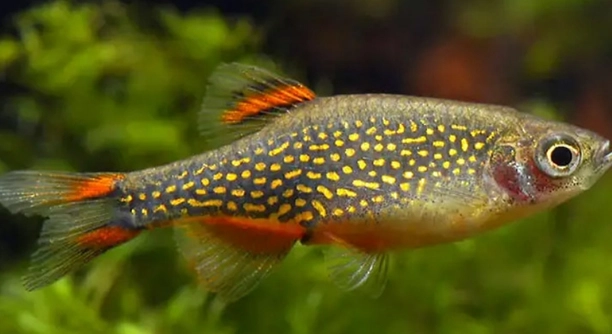
Do you ever notice your danios darting around the tank with sudden bursts of energy or stopping abruptly at certain spots? These small fish are more observant than they seem, reacting instantly to subtle changes in their environment.
Danios respond instantly to specific visual, chemical, and physical cues within their surroundings. Factors such as movement, light intensity, water flow, presence of food, tank decorations, and social interactions trigger immediate behavioral adjustments. Understanding these details is essential for proper care.
Observing these reactions can help you create a more engaging and suitable habitat for your fish. Each detail influences their comfort, activity, and overall well-being in measurable ways.
Movement in the Tank
Danios are highly sensitive to movement around their tank. Sudden gestures or shadows outside the glass often prompt them to dart or freeze, showing their instinctive alertness. Even gentle hand movements during feeding or cleaning can catch their attention immediately. Watching them respond, I often notice subtle differences depending on the time of day or how many other fish are active at the same moment. Their reactions are quick, precise, and consistent, which makes it clear that movement is a primary stimulus. This sensitivity is not limited to large motions; even small changes in water currents or reflections from nearby objects can provoke noticeable shifts in swimming patterns. Over time, I learned that adjusting the environment gradually and keeping movements predictable helps reduce stress. Properly recognizing this instinctive behavior allows the tank to feel safer for them, encouraging more natural and healthy interactions within their group.
Being aware of how movement affects danios helps maintain calmer fish and a more peaceful tank environment.
Danios use movement cues to assess threats and opportunities in their surroundings. Fast or irregular motions can trigger sudden bursts of swimming, while slow or predictable activity keeps them relaxed. Observing these responses is valuable for managing feeding, tank cleaning, and social dynamics. Movement within the water itself, such as the ripple from a filter or other swimming fish, also signals changes that require attention. For instance, when new decorations are added or rearranged, danios often explore cautiously, reacting to unfamiliar positions and shapes. Over time, familiar patterns reduce stress, allowing the fish to swim freely and maintain normal feeding routines. Monitoring these subtle interactions helps maintain optimal conditions, ensuring danios remain active, healthy, and comfortable in their environment.
Light Sensitivity
Light changes in the tank can instantly alter danio behavior. Sudden bright lights may startle them, causing rapid swimming or hiding, while dim lighting promotes calmer activity.
Danios rely on consistent light patterns to regulate daily rhythms, feeding schedules, and resting periods. Sudden shifts can disrupt behavior and increase stress. Properly timed lighting supports natural activity levels and promotes overall well-being.
Presence of Food
Danios react immediately when food enters the tank. The sight or scent triggers fast swimming and active searching, showing how attuned they are to feeding opportunities. Even small flakes or pellets spark noticeable excitement.
Their feeding response is highly consistent and easy to observe. When I sprinkle food into the water, danios quickly converge, often racing each other toward the source. This behavior reflects both instinct and learned patterns. Over time, they recognize feeding times and may anticipate the routine, swimming closer to the surface or the area where food is usually added. The intensity of their reaction varies slightly depending on hunger levels and social dynamics. Watching them interact during feeding shows clear pecking orders and competition for the most accessible morsels.
Food presence also affects movement and social interactions. Danios become more alert and coordinated, often forming temporary groups or chasing each other. Observing this behavior helps me manage portion sizes and feeding frequency, ensuring all fish get enough without overfeeding. Adjusting feeding techniques based on their reactions maintains health, reduces waste, and supports natural behavior patterns. Proper timing and consistency are essential to prevent stress and maintain active, healthy fish.
Water Flow
Danios respond quickly to changes in water flow. Strong currents prompt vigorous swimming, while still areas encourage gentle exploration and hovering near surfaces.
Water movement significantly influences activity levels and orientation. When the filter or air pump generates stronger currents, danios adjust by swimming faster or using fins to maintain balance. This response is instinctive, as currents simulate natural river or stream conditions, promoting exercise and alertness. Over time, I noticed they favor areas with moderate flow, balancing effort with comfort. Sudden changes, such as moving decorations that alter currents, can trigger immediate adjustments, including darting or hovering in calmer spots. Monitoring water flow helps maintain a stable environment, preventing fatigue and stress while encouraging natural swimming patterns.
Tank Decorations
Danios react to new or rearranged decorations immediately. They investigate unfamiliar objects with caution, swimming around and sometimes hovering nearby before approaching.
Changes in decoration positions can alter swimming patterns and hiding behavior. They often test new areas gradually, adjusting as the environment becomes familiar.
Social Interactions
Danios are highly social and respond to the presence and behavior of other fish. Movement, displays, or aggression from tank mates prompts instant reactions, from following to quick escapes. This social awareness helps maintain hierarchy, reduces conflicts, and encourages coordinated swimming and group activities within the tank.
Water Temperature
Even slight changes in water temperature trigger noticeable behavior shifts. Warmer water increases activity and feeding, while cooler conditions slow swimming and reduce responsiveness, influencing both energy levels and social interactions.
How quickly do danios notice food in the tank?
Danios respond almost immediately to the presence of food. As soon as flakes or pellets hit the water, they dart toward the source. Their reactions are instinctive, but they also learn to anticipate feeding times. Over weeks, I observed that they often gather near the top of the tank right before meals, showing a predictable routine. The excitement during feeding is not only entertaining but also a sign of healthy appetite and alertness. Watching this behavior closely helps me ensure each fish receives enough food without overfeeding, maintaining a balanced tank environment.
Do danios react differently to various types of food?
Yes, danios show clear preferences and varying intensity of response depending on the food type. Flakes are usually consumed immediately, while frozen or live foods trigger more vigorous chasing and competitive behavior. I noticed that live food, such as daphnia or brine shrimp, stimulates their hunting instincts, leading to active darting and group coordination. Even small differences in texture or movement can excite them differently, reflecting their natural predatory responses. Observing these reactions helps me balance diet variety with portion control, ensuring the fish remain healthy and engaged without causing unnecessary stress or overeating.
How do danios respond to sudden changes in light?
Danios are highly sensitive to light variations. Sudden bright light often startles them, causing rapid swimming or darting to shaded areas. Dim or consistent lighting encourages calmer exploration and natural resting behaviors. I’ve seen that gradual adjustments during tank maintenance or lighting schedules reduce stress and prevent frantic swimming. Consistent light cycles support feeding routines and daily activity, helping the fish maintain normal biological rhythms. Adjusting lighting based on observation allows me to create a stable, comfortable environment, ensuring danios remain active, healthy, and stress-free.
Do tank decorations affect their behavior?
Absolutely. Danios investigate new objects with curiosity but proceed cautiously. Rearranged decorations or unfamiliar shapes often lead to careful exploration, hovering, or temporary hiding. Over time, they become familiar with the environment, resuming normal swimming patterns. I find that gradual additions or changes in decor help reduce stress. Observing their reactions allows me to adjust placement for optimal swimming space, creating a safe and stimulating habitat. This interaction highlights their intelligence and adaptability, showing that even minor modifications in the tank can influence activity, comfort, and social dynamics.
How important is water flow for danios?
Water movement plays a significant role in danio activity. Moderate currents encourage exercise and natural swimming patterns, while sudden increases can trigger bursts of swimming or evasive maneuvers. I monitor filter output and air pump adjustments carefully, as they directly impact behavior and energy levels. Danios instinctively position themselves in areas where the flow is comfortable, balancing effort with ease. Observing these preferences helps me maintain an even, healthy flow throughout the tank. Proper water circulation supports both physical fitness and stress reduction, contributing to their overall well-being.
Do danios notice temperature changes immediately?
Yes, even small shifts in water temperature provoke noticeable behavior changes. Warmer water increases swimming speed, feeding activity, and social interactions. Cooler water slows movement and reduces responsiveness. I always monitor the heater and room conditions to keep the temperature stable. Rapid changes can cause stress or illness, so observing their reactions is a practical way to detect subtle variations early. Maintaining consistent temperature ensures danios stay active, healthy, and comfortable, preserving natural behavior and energy levels.
How social are danios in a community tank?
Danios are very social and respond instantly to other fish. Their behavior adapts to the presence, movement, or aggression of tank mates. I’ve seen them follow, chase, or evade each other depending on interactions. Social cues guide hierarchy, reduce conflicts, and promote group coordination. Observing these interactions helps me manage stocking levels, prevent stress, and ensure each fish has space to swim freely. Maintaining social balance is essential for their health, encouraging natural behaviors like schooling, playful chasing, and synchronized swimming.
Can danios sense movement outside the tank?
Yes, they are highly alert to external movement. Shadows, hand gestures, or objects passing near the tank trigger instant reactions, ranging from freezing to darting. I’ve noticed that consistent, gentle movements around the tank create a calmer environment, while sudden actions can startle them repeatedly. Being mindful of how and when I approach the tank helps reduce unnecessary stress and allows danios to swim comfortably. Their responsiveness to external cues highlights their awareness and adaptability, emphasizing the need for a predictable and stable environment.
Do danios adjust their behavior to feeding schedules?
Danios quickly learn feeding routines and often anticipate them. I observe them gathering near the top or the usual feeding area shortly before food is added. This learned behavior demonstrates both memory and social coordination, as fish may nudge each other toward food or compete slightly. Sticking to consistent feeding times reduces stress and maintains predictable energy levels. Recognizing this pattern allows me to manage portion sizes and frequency effectively, supporting their overall health while keeping behavior natural and lively.
How do danios react to new tank mates?
Introducing new fish prompts immediate curiosity and caution. Danios may chase, follow, or temporarily avoid newcomers, assessing their behavior and social standing. I always monitor interactions closely to ensure no excessive aggression or stress occurs. Gradual introductions and careful observation help maintain harmony in the tank. Over time, they adjust to new members, resuming normal swimming patterns while maintaining social hierarchy. This responsiveness reflects both instinct and adaptability, showing that their behavior is heavily influenced by social context and environmental changes.
Do danios show different reactions at different times of day?
Yes, activity levels fluctuate naturally. Morning and early evening often see increased swimming and feeding, while midday may be calmer. I adjust feeding and maintenance routines accordingly, observing their behavior to ensure it aligns with their natural rhythms. These patterns help me optimize tank care and maintain consistent, healthy conditions for the fish.
Can water quality changes trigger instant reactions?
Poor water quality immediately affects danios. Sudden spikes in ammonia, nitrite, or pH shifts cause stress behaviors like rapid swimming, hiding, or gasping near the surface. I test water regularly to prevent such issues. Their immediate reactions serve as early warning signs, helping me address problems quickly and maintain a safe environment.
Do danios interact with reflections in the glass?
Yes, reflections can trigger curiosity or territorial behavior. I often see them darting toward mirrored images or following movements they perceive as other fish. Adjusting lighting and decor helps reduce unnecessary stress from reflections, ensuring a calmer environment for all tank inhabitants.
How do danios respond to water changes?
Danios notice fresh water immediately. Gradual changes reduce stress, while sudden replacement can cause temporary hiding or erratic swimming. I pour water slowly and match temperature carefully, allowing them to acclimate. Observing their reactions helps me maintain stable, comfortable conditions and supports long-term health and activity.
Are danios sensitive to vibrations?
Yes, vibrations outside the tank can startle them. Footsteps, tapping, or appliance noise may provoke darting or freezing. I learned that minimizing sudden vibrations near the tank reduces stress and keeps their behavior calm and predictable. This sensitivity highlights their alertness and adaptability to environmental changes.
Danios are small but remarkably perceptive fish. They react quickly to changes in their environment, whether it is movement, light, water flow, or the presence of food. Observing these responses shows how instinct and learning combine to shape their behavior. Over time, I noticed that even minor adjustments in the tank can trigger immediate reactions. For instance, moving a decoration slightly can cause them to pause, swim around cautiously, or explore the area in a deliberate manner. Similarly, small changes in lighting or water temperature produce noticeable shifts in their activity and energy levels. Recognizing these details makes it easier to maintain a stable environment where danios feel secure. Their reactions are not random; they are guided by survival instincts, comfort, and routine. Understanding these patterns allows me to anticipate how they will respond to feeding, maintenance, and social interactions, helping me provide better care and ensuring they remain active and healthy.
Feeding is one of the most obvious areas where danios show instant responses. As soon as food enters the water, they become alert, swim quickly, and compete for access. This behavior reflects both instinctive hunting patterns and learned routines. Over time, they begin to recognize feeding schedules and often gather near the surface or in areas where food is usually introduced. Watching this closely allows me to control portion sizes and feeding frequency, which is essential to prevent overfeeding or stress. Danios also respond differently to various types of food. Flakes, pellets, and live foods each provoke distinct behaviors. Live food encourages chasing and more vigorous movement, while flakes produce calmer, quicker consumption. These subtle differences help me understand their preferences and ensure they receive a balanced diet that supports both nutrition and natural activity levels. Attention to these feeding cues contributes to their overall health and helps maintain harmony among tank mates, as social dynamics are often most visible during mealtime.
Social behavior and interactions with their surroundings also play a critical role in danios’ responses. They are very aware of each other and react quickly to movement, changes in water flow, or the addition of new fish. Their schooling behavior, following, and occasional chasing are all part of how they communicate and maintain a hierarchy. Even external factors like reflections, vibrations, or hand movements near the tank influence their activity and stress levels. Providing a stable environment with consistent water flow, temperature, lighting, and careful management of decorations and tank mates supports both comfort and natural behavior. Paying attention to these details has shown me how sensitive and intelligent these fish are. By observing their reactions carefully, it is possible to create a tank that meets their needs, reduces stress, encourages activity, and ensures long-term well-being. Understanding how danios respond instantly to these factors is the key to fostering a healthy, balanced, and engaging environment.

Hello,
If you enjoy the content that we create, please consider saying a "Thank You!" by leaving a tip.
Every little bit helps us continue crafting quality advice that supports the health, happiness, and well-being of pets around the world, for pets of all shapes, sizes, and species.
We really appreciate the kindness and support that you show us!