
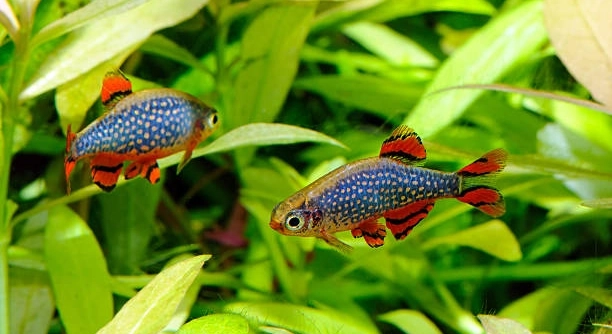
Breeding danios can be exciting for any aquarium enthusiast who enjoys watching fish grow and thrive. Their small size and energetic nature make them appealing, yet breeding requires careful thought and preparation. Many beginners overlook essential steps.
Before breeding danios, it is crucial to consider factors such as tank size, water conditions, diet, and the health of both parent fish. Proper planning ensures successful spawning and reduces the risk of stress or mortality in the fry.
Understanding these considerations will help you create a safe and healthy environment for your fish. Each decision affects not only the adults but also the survival and well-being of the offspring.
Choosing the Right Pair
Selecting healthy danios is the first step in breeding. Look for fish that are active, vibrant, and free of any signs of disease. Males are usually slimmer with brighter colors, while females tend to have rounder bellies. Avoid pairing fish that are too young or overly stressed, as this can lead to poor spawning outcomes. Observe behavior for a few days before moving them to a breeding tank. Provide a calm environment with gentle lighting and stable water conditions. A proper diet rich in protein, such as live or frozen foods, helps condition the fish for spawning. Clean the tank thoroughly and add fine-leaved plants or a spawning mop to encourage egg laying. Monitor interactions carefully to ensure compatibility. Overcrowding the tank can create stress and reduce the likelihood of successful breeding. Patience and careful observation are key to choosing the right pair.
Healthy danios with compatible temperaments and proper conditioning are essential for effective spawning. Selecting the right pair directly impacts the survival and vitality of the fry.
Properly pairing danios requires more than just color and size. Observing feeding habits, activity levels, and stress responses over several days provides insight into compatibility. Introducing the pair into a separate breeding tank ensures control over conditions. Providing hiding spots and gentle water flow reduces aggression and encourages natural spawning behaviors. Timing also matters, as danios often breed more successfully when environmental cues, such as slight temperature shifts, mimic seasonal changes. Once eggs are laid, removing adults can prevent them from eating the fry. Continuous monitoring and careful maintenance of water quality support healthy development of eggs and fry. By prioritizing fish health, temperament, and environmental factors, breeders can improve the odds of a successful spawning session.
Preparing the Breeding Tank
The breeding tank should be clean, quiet, and properly set up. Fine-leaved plants or spawning mops make egg-laying easier and protect the eggs from being eaten.
Setting up the tank involves maintaining stable temperature, clean water, and gentle filtration. Fine-leaved plants or synthetic spawning mops encourage females to lay eggs. Remove adults after spawning to prevent predation on eggs. Proper tank setup reduces stress and increases fry survival rates.
Maintaining a breeding tank goes beyond adding plants. Temperature should be consistent, usually slightly higher than the main tank, to stimulate spawning. Filtration should be gentle to avoid disturbing eggs or fry, and water changes should be minimal but regular to keep conditions optimal. Avoid overcrowding by limiting the number of breeding pairs per tank. Lighting should be natural or soft to prevent stress, and hiding spots should be provided for both males and females. Observing the fish closely during this period helps detect any aggression or health issues. Preparing the tank carefully ensures eggs remain safe and fry develop properly, increasing overall breeding success.
Feeding and Conditioning
Providing a high-protein diet helps prepare danios for spawning. Live or frozen foods like brine shrimp or daphnia boost energy and encourage egg production.
Conditioning involves feeding small portions multiple times a day to improve overall health. Balanced nutrition enhances coloration, stamina, and fertility. Overfeeding should be avoided to maintain water quality. Observing fish during this period ensures they are actively eating and showing signs of readiness. Healthy, well-fed fish are more likely to engage in successful spawning behavior. The process requires consistent attention over several days, gradually building the fish’s strength and vitality for reproduction.
Proper conditioning also involves monitoring water parameters. Stable temperature, pH, and hardness support fish metabolism and stress reduction. Gentle tank maintenance prevents sudden changes that could hinder spawning. Combining high-quality food with controlled environmental conditions maximizes reproductive success. Tracking each fish’s response to the diet helps identify any issues early, allowing adjustments before breeding begins. Conditioning is both nutritional and environmental, ensuring the pair is prepared physically and mentally for the challenges of spawning.
Recognizing Spawning Behavior
Danios show clear signs when ready to spawn, such as chasing and nudging females. Colors often brighten during this period.
Males may circle or repeatedly chase females, indicating readiness. Females might appear swollen with eggs and show less aggression. Observing these behaviors helps time the breeding process correctly, preventing stress and maximizing fertilization rates.
Spawning behavior includes subtle actions like tail flicks and rubbing against plants or tank surfaces. Increased activity, paired with vibrant coloration in males, signals readiness. Females laying eggs often pause near plants or spawning mops, allowing males to fertilize the eggs. Monitoring interactions ensures the pair is compatible and minimizes potential harm. Timing is crucial; once eggs are laid, adults should be separated promptly to prevent predation. Recognizing these behaviors allows for intervention at the right moment, ensuring higher survival rates for the fry.
Collecting and Protecting Eggs
Once eggs are laid, they need immediate protection. Remove adult danios from the breeding tank to prevent them from eating the eggs.
Use a fine mesh net or carefully transfer eggs to a separate container. Providing hiding spaces or spawning mops helps keep eggs safe and undisturbed.
Water Quality for Fry
Maintaining clean, stable water is critical for fry survival. Regular water changes with dechlorinated water prevent toxins from building up. Temperature should remain steady, usually around 78–80°F, to support healthy development. Gentle filtration ensures oxygen flow without disturbing the delicate fry. Observing water parameters daily reduces risks of fungus or disease.
Feeding Fry
Fry require tiny, nutritious foods such as infusoria or newly hatched brine shrimp. Feeding small amounts multiple times a day ensures proper growth.
Monitoring Growth
Track fry development carefully. Watch for signs of health issues, slow growth, or aggression. Early observation allows timely adjustments in feeding and tank care, promoting a stronger, healthier batch of young danios.
FAQ
How long does it take for danio eggs to hatch?
Danio eggs usually hatch within 2 to 3 days, depending on water temperature. Warmer water speeds up development slightly, while cooler water slows it down. It is important to maintain stable temperature and clean water to prevent fungus or egg loss during this period.
Can I leave adults in the tank with eggs?
No, adults often eat their own eggs. Removing them immediately after spawning is crucial to protect the eggs. Using a separate hatching container or transferring eggs to a secure area increases survival rates significantly. Spawning mops or fine-leaved plants can make the transfer process easier.
What should I feed newly hatched fry?
Fry need tiny, high-protein foods like infusoria or freshly hatched brine shrimp. Feed small amounts several times a day to avoid overfeeding and water quality issues. Gradually transition to finely crushed flakes or micro-pellets as they grow and develop stronger swimming skills.
How often should I change the water for fry?
Frequent, small water changes are better than large ones. Replace 10–20% of the water daily with dechlorinated, temperature-matched water. This maintains clean conditions without shocking the fry. Proper water changes prevent waste buildup, reduce fungus risk, and promote healthy growth.
How can I tell if eggs are fertile?
Fertile eggs appear clear with a small dark spot inside, which is the developing embryo. Unfertilized eggs often turn white or opaque and may develop fungus. Removing dead eggs quickly prevents contamination of healthy eggs and improves overall hatching success.
When should I separate male and female danios?
Separation is mainly necessary after spawning. During conditioning, males and females can stay together, but watch for excessive chasing or stress. Keeping the tank balanced and stress-free ensures better health and increases the likelihood of successful future spawning.
What is the best temperature for breeding danios?
The optimal breeding temperature is usually around 78–80°F. Slightly warmer water encourages spawning, while sudden changes can stress the fish or harm eggs. Stable water temperature combined with good filtration and clean conditions is key to healthy fry development.
How can I prevent fungus on eggs?
Maintaining clean water and using antifungal treatments like methylene blue in the hatching tank can help. Removing dead or infertile eggs promptly also prevents fungus from spreading to healthy eggs. Adequate aeration and gentle water flow reduce stagnation that can encourage fungal growth.
How quickly do fry start swimming and eating on their own?
Fry usually become free-swimming around 3–5 days after hatching. At this point, they can begin feeding on infusoria or micro-foods. Continue feeding small, frequent portions while monitoring water quality closely to support healthy growth and avoid overcrowding.
Can I breed danios in a community tank?
It is not recommended. Other fish may eat eggs or fry, and adult danios may experience stress from tankmates. Using a dedicated breeding tank ensures better control over conditions, reduces aggression, and increases the chances of a successful hatch.
How long does it take for fry to grow into adults?
Danio fry generally take 2–3 months to reach maturity. Growth rates depend on water quality, diet, and tank conditions. Providing proper nutrition and a stable environment ensures stronger, healthier adults capable of breeding in the future.
Is it necessary to remove fry from the hatching tank?
Not immediately, but as they grow, overcrowding can become an issue. Gradually moving some fry to a grow-out tank reduces competition for food and space, promoting faster growth and reducing stress. Proper tank maintenance supports healthy development during this stage.
What are common mistakes beginners make when breeding danios?
Common errors include overcrowding tanks, failing to separate adults from eggs, inconsistent feeding, and ignoring water quality. Careful planning, regular observation, and maintaining stable conditions are essential to avoid these issues and improve overall breeding success.
Can danios breed year-round?
With stable tank conditions and proper feeding, danios can breed throughout the year. However, seasonal changes in temperature or light may naturally influence spawning frequency. Keeping conditions consistent helps maintain readiness and supports repeated successful breeding sessions.
How do I know when fry are ready for solid foods?
Once fry are free-swimming and actively seeking food, usually around 5–7 days old, they can transition to finely crushed flakes or micro-pellets. Introduce solid foods gradually while continuing small live or frozen feedings to ensure proper nutrition and growth.
What is the survival rate for danio eggs and fry?
Survival depends on water quality, nutrition, and careful monitoring. With proper care, many eggs will hatch, but some loss is normal. Removing infertile eggs, separating adults, and maintaining clean conditions significantly improves survival and promotes healthy development of the fry.
This FAQ covers the most important aspects of breeding danios, from preparing parents and tanks to raising healthy fry. Understanding these details makes the process smoother and increases the likelihood of success.
Breeding danios can feel challenging at first, but it becomes easier with careful planning and observation. Paying attention to the health of the fish, water conditions, and proper feeding routines sets the foundation for successful spawning. Even small details, like choosing compatible pairs and preparing the breeding tank, make a big difference in the survival of eggs and fry. Watching the fish behave during conditioning and spawning can be very rewarding, as their natural instincts become easier to understand over time. It is important to remain patient and consistent, because rushing the process or ignoring warning signs can lead to stress, illness, or poor hatching rates. Taking the time to learn about the specific needs of danios helps prevent mistakes and ensures a safer environment for both adults and fry.
Once the eggs are laid, careful handling and monitoring are essential. Removing adults promptly prevents accidental predation of eggs, and transferring eggs to a secure setup protects them during the critical early stages. Maintaining stable water conditions, gentle filtration, and proper temperature are all important factors for healthy development. Feeding the fry the right types of food, like infusoria or newly hatched brine shrimp, ensures they get the nutrients they need to grow strong. Gradually transitioning them to small flakes or micro-pellets helps prepare them for life in the main tank. Regular observation during these stages allows you to notice any issues early, such as fungus, slow growth, or overcrowding, which can be addressed before they become serious problems.
Successful danio breeding requires attention to detail and commitment over time. There will likely be trial and error along the way, and learning from each experience improves your technique. The process offers an opportunity to understand fish behavior, improve tank management, and create an environment where both adults and fry can thrive. Even if not every egg hatches or every fry survives, careful care increases overall success and provides valuable knowledge for future breeding efforts. With patience and consistency, breeding danios can be a rewarding and educational experience, giving satisfaction in watching the fish grow from eggs into healthy, active adults.

Hello,
If you enjoy the content that we create, please consider saying a "Thank You!" by leaving a tip.
Every little bit helps us continue crafting quality advice that supports the health, happiness, and well-being of pets around the world, for pets of all shapes, sizes, and species.
We really appreciate the kindness and support that you show us!