
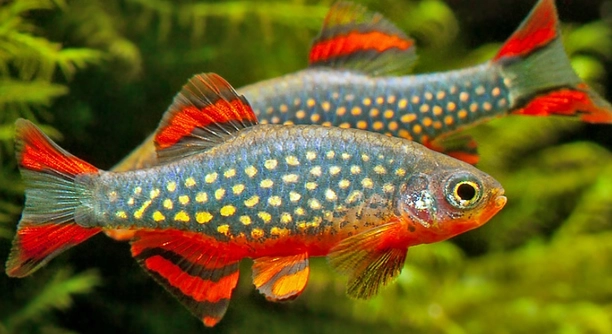
Keeping danios in a planted tank can enhance both the visual appeal and the overall health of your aquarium. Their active swimming and bright colors create a lively environment that complements lush greenery naturally.
Danios contribute to a balanced planted tank by controlling algae, promoting water circulation, and reducing detritus accumulation. Their social behavior encourages natural interactions, while their modest size and adaptability make them compatible with a variety of aquatic plants and tank conditions.
The benefits extend beyond aesthetics, offering practical advantages that improve the tank’s ecosystem and simplify maintenance for aquarium enthusiasts.
Vibrant Activity in Planted Tanks
Danios bring energy to planted tanks with their constant movement. Their active swimming helps maintain water circulation, ensuring oxygen reaches all corners of the aquarium. Watching their playful patterns can be calming and engaging, creating a lively yet soothing environment. Their bright colors contrast beautifully with green plants, adding visual appeal without overwhelming the tank. Small groups of danios interact naturally, displaying schooling behavior that enhances the dynamic of the tank. They are hardy and adapt well to planted setups, making them suitable for beginners or experienced keepers. Regular observation of their activity can also help detect early signs of stress or health issues. Plant roots benefit indirectly as the movement stirs sediments and prevents stagnant spots. Over time, the tank maintains a more balanced ecosystem. Danios encourage a subtle, natural rhythm within the aquarium that complements the growth of live plants while maintaining a clean, attractive habitat.
Their movement naturally supports plant health and overall tank balance.
Danios’ schooling patterns create an interactive environment that improves circulation and supports plants. Their activity indirectly reduces waste buildup, and their presence enhances the visual appeal. A well-populated group encourages natural behaviors, making the tank lively and engaging without requiring constant intervention. Their adaptability to temperature and water conditions ensures compatibility with various plant species. By choosing hardy plants and maintaining consistent feeding, the ecosystem remains stable. The combination of plant growth and fish activity creates a self-supporting environment that is both functional and aesthetically pleasing, encouraging longer-term care and attention to tank conditions.
Algae Control and Maintenance
Danios can help manage algae growth naturally in a planted tank.
By swimming continuously, danios stir the water and reduce stagnant areas where algae tend to thrive. They consume tiny particles and biofilm that can contribute to algae buildup. Their movement helps distribute nutrients evenly, preventing localized nutrient spikes that often fuel algae growth. A healthy group of danios indirectly encourages plants to outcompete algae by maintaining steady nutrient levels. Monitoring tank conditions and maintaining proper lighting enhances this effect. Using danios as part of algae management reduces reliance on chemical treatments and allows the plants to flourish without interference. Over time, tanks with active danios often require less manual cleaning, and the aquarium remains visually balanced. Their presence supports a sustainable, low-maintenance setup that benefits both the fish and the planted environment. Regular observation ensures the balance is maintained, keeping both plants and fish healthy.
Compatibility with Other Fish
Danios are peaceful and adapt well to community tanks. They generally coexist with small, non-aggressive species, making them ideal for planted setups. Their schooling behavior keeps them occupied, reducing territorial disputes and promoting harmony within the tank.
Their small size and non-aggressive temperament allow danios to live alongside various other fish, including tetras, guppies, and rasboras. They occupy the mid-to-top water column, leaving space for bottom-dwelling species like corydoras and small catfish. Proper group sizes of at least five danios help maintain their schooling instincts, which also minimizes stress. By choosing compatible tank mates, the overall environment remains balanced and peaceful, allowing plants and fish to thrive together. Monitoring interactions ensures the community remains stable, avoiding conflicts that could affect plant growth or fish health.
Danios’ adaptability extends to water conditions, feeding schedules, and tank layouts. They tolerate a range of temperatures and pH levels, making them flexible in mixed-species tanks. Providing hiding spots and plant cover encourages natural behavior while reducing stress. Their schooling nature adds visual interest, complementing the activity of other community fish. In planted tanks, this harmony ensures that both fish and plants thrive, creating an ecosystem that functions smoothly with minimal intervention. Observing the dynamics regularly helps maintain a calm, healthy environment.
Enhancing Plant Growth
Danios’ movement supports plant health by improving water circulation and nutrient distribution. Their swimming prevents sediment buildup around plant roots and encourages even growth throughout the tank.
The constant activity of danios helps distribute dissolved nutrients and carbon dioxide, supporting photosynthesis in plants. By gently stirring the substrate, they prevent dead spots where debris could accumulate and hinder root development. This circulation ensures that all plants receive adequate light and nutrients, promoting uniform growth. Grouped together, danios maintain a dynamic environment that encourages robust plant growth without the need for extra equipment or constant maintenance. Their presence helps maintain a more natural ecosystem within the tank.
In addition to circulation, danios indirectly benefit plants by reducing algae competition for nutrients. Their activity keeps water moving, which discourages algae from settling on leaves and stems. Healthy plants thrive in this environment, establishing strong root systems and vibrant foliage. By pairing danios with fast-growing or dense plants, the tank develops a balanced ecosystem where fish and greenery coexist naturally. Observing fish behavior ensures plants are not being disturbed while maintaining a lively, visually appealing aquarium. This synergy between fish activity and plant growth enhances the overall health of the tank.
Low Maintenance Needs
Danios are hardy fish that require minimal care. They tolerate a range of water conditions and adjust well to planted tank environments, making them practical for keeping a healthy aquarium without constant monitoring or intervention.
Feeding danios is simple, as they accept flakes, pellets, and occasional live or frozen food. Their adaptability reduces stress on the tank ecosystem and supports consistent activity levels, benefiting both plants and other fish.
Encouraging Natural Behavior
Danios’ schooling instincts and active swimming patterns promote natural interactions. Observing their coordinated movements creates a dynamic atmosphere in the planted tank. Their behavior also stimulates other community fish, leading to a more engaging and balanced ecosystem.
Small Size Advantage
Danios’ compact size makes them suitable for smaller planted tanks. They occupy minimal space while still adding energy and color, allowing room for plants to grow freely without overcrowding.
FAQ
How many danios should I keep in a planted tank?
Danios are schooling fish, so keeping at least five is ideal. A small group encourages natural behavior and reduces stress. Larger groups can enhance movement and activity in the tank, creating a lively atmosphere. Smaller numbers may lead to shy or isolated behavior.
What size tank is suitable for danios?
A minimum of 20 gallons works well for a small school of danios. Larger tanks are better if you want more fish or extensive plant coverage. Proper space ensures swimming room and reduces territorial tension, keeping both plants and fish healthy.
What water conditions do danios prefer?
Danios are adaptable to a range of temperatures from 64°F to 75°F and tolerate pH levels between 6.5 and 7.5. Stable water parameters prevent stress, while regular water changes keep the environment balanced. Plants also benefit from clean, well-circulated water.
Can danios live with other fish?
Yes, they are peaceful and compatible with many small, non-aggressive species. Fish like tetras, guppies, and rasboras are ideal companions. Avoid aggressive or much larger species that could bully them, as this can lead to stress and injury.
Do danios eat plants or damage them?
Danios are generally plant-safe. They may nibble occasionally but do not uproot or harm plants. Their movement helps distribute nutrients and improve circulation, indirectly supporting plant growth without causing damage. Dense plants may need some trimming, but not due to fish.
What do danios eat in a planted tank?
Danios are omnivores and accept flakes, pellets, frozen, or live foods. A varied diet keeps them healthy and active. Occasional treats like brine shrimp or daphnia can supplement nutrition. They do not need specialized feeding schedules, but regular portions maintain water quality.
How do I maintain algae control with danios?
While not algae eaters, their swimming helps reduce stagnant water where algae thrive. Good plant density, moderate lighting, and proper nutrient levels prevent excessive algae growth. Danios indirectly support algae control by keeping water active and nutrients balanced.
Do danios need a heavily planted tank?
Heavily planted tanks are ideal but not necessary. Plants provide hiding spots and enrich the environment, reducing stress. Even a moderate number of plants works if space and swimming paths are considered. Plants and danios together create a natural, balanced ecosystem.
How often should I clean the tank with danios?
Regular water changes of 20-25% weekly maintain balance. Substrate can be vacuumed lightly to remove debris, but excessive cleaning is unnecessary if plants are thriving. Danios’ activity helps circulate water and prevent waste buildup naturally.
Can danios breed in a planted tank?
Yes, they may spawn naturally in well-planted environments. Fine-leaved plants or spawning mops provide protection for eggs. Adults may eat eggs, so separating fry or providing dense cover increases survival rates. Breeding does not harm established plants and can be managed without disruption.
Are danios suitable for beginners?
Absolutely. They are hardy, adaptable, and low maintenance. Their peaceful nature and compatibility with most small fish make them ideal for new keepers. A simple planted setup with regular feeding and water care ensures a healthy, lively tank.
How do I monitor danio health?
Watch for lethargy, loss of appetite, or unusual swimming patterns. Healthy danios are active, schooling, and responsive. Clear eyes, intact fins, and consistent coloration indicate well-being. Early observation helps prevent disease and maintains a thriving planted tank environment.
Can danios tolerate different lighting levels?
Yes, they adapt to low or moderate lighting, which is ideal for most planted tanks. Bright lights may highlight their colors, but plants need consistent light to thrive. Balancing lighting keeps both fish and plants healthy while preventing algae overgrowth.
Do danios require special filtration?
Standard aquarium filtration works well. They benefit from gentle to moderate water flow, which supports swimming and oxygenation. Overpowering currents can stress them, while stagnant water can reduce activity. Proper filtration maintains water clarity and plant health.
How long do danios live?
Danios typically live 3-5 years with proper care. Stable water conditions, a balanced diet, and a suitable tank environment contribute to longevity. Keeping them in groups with adequate space promotes natural behavior and reduces stress, supporting a longer life span.
Are danios affected by seasonal changes in aquariums?
Danios tolerate minor temperature variations, but stability is important. Sudden changes can cause stress and illness. Maintaining consistent heating or cooling and monitoring water conditions ensures the fish remain healthy year-round. Seasonal plant growth may influence tank maintenance routines.
What are the signs of stress in danios?
Indicators include hiding, erratic swimming, loss of appetite, or faded coloration. Stress may result from overcrowding, poor water quality, or aggressive tank mates. Observing these signs early allows corrective actions to maintain a healthy environment.
Can danios coexist with shrimp or snails?
Yes, small snails and non-aggressive shrimp usually coexist peacefully. They occupy different areas of the tank, so interactions are minimal. Danios’ movement may startle small invertebrates at first, but they generally adapt, maintaining a harmonious planted tank ecosystem.
How does tank size affect danio behavior?
Smaller tanks may restrict swimming and increase stress, while larger tanks allow natural schooling and exploration. Adequate space ensures proper activity, reduces aggression, and supports both plant growth and fish health. Observing interactions helps determine if adjustments are needed.
What are the best plants for danio tanks?
Fast-growing or dense plants like java fern, hornwort, or anubias provide cover and enhance water quality. Floating plants also offer shelter and help diffuse light. A mix of plant types balances aesthetics, fish comfort, and ecosystem health, creating a thriving environment.
How do I prevent overfeeding danios?
Offer small portions that they can consume in a few minutes, once or twice daily. Uneaten food should be removed to prevent water quality issues. Balanced feeding maintains their health and minimizes nutrient spikes that could encourage algae growth.
Can danios adapt to new plants quickly?
Yes, they adjust to plant changes without stress if acclimated gradually. Sudden rearrangements may cause temporary hiding or curiosity, but their active nature allows them to explore and settle quickly. Proper plant placement ensures swimming space and natural behavior.
Are danios sensitive to water hardness?
Danios tolerate a moderate range of hardness. Soft or slightly hard water is acceptable, as long as parameters remain stable. Sudden changes in hardness can cause stress, so gradual adjustments are recommended if modifications are needed for plant or fish requirements.
Do danios require hiding spots?
While not strictly necessary, plants, rocks, or decorations provide security. Hiding spots reduce stress, support natural behavior, and protect timid fish within the tank. A mix of open swimming areas and covered zones balances activity and comfort for all inhabitants.
Can danios survive without plants?
They can survive, but plants enhance water quality, oxygen levels, and shelter. A planted tank supports natural behavior, encourages health, and reduces maintenance. Plants and danios together create a balanced ecosystem that functions more effectively than a bare tank.
How do danios affect substrate health?
Their constant swimming prevents stagnant areas and gently stirs the substrate. This reduces detritus buildup, promotes nutrient distribution, and indirectly supports root growth for planted species. Maintaining moderate substrate depth ensures both fish activity and plant stability.
What is the best temperature range for danios?
64°F to 75°F is ideal. Temperatures outside this range may cause stress or slow activity. Maintaining a consistent temperature supports metabolism, swimming behavior, and overall health, while benefiting plants that thrive in stable conditions.
Do danios need water changes if planted?
Yes, even planted tanks require regular changes. Weekly partial water changes remove excess nutrients, prevent algae growth, and maintain stable conditions. Danios contribute indirectly to cleanliness but cannot replace consistent water maintenance.
How do I introduce new danios to an established planted tank?
Acclimate slowly using the drip or floating bag method. Gradual introduction reduces stress and allows fish to adjust to water parameters. Observing behavior during the first hours ensures compatibility and smooth integration with existing fish and plants.
Are danios affected by tank decorations?
They adapt well to decorations but need open swimming areas. Dense or sharp decorations may limit movement or cause injury. Balancing cover and space supports natural behavior while maintaining aesthetic appeal and a healthy tank environment.
Do danios require special lighting?
No special lighting is needed for the fish themselves, but plants require appropriate light. Moderate lighting supports plant growth and highlights danio colors. Balanced lighting prevents algae overgrowth while maintaining healthy fish activity.
Can danios tolerate community tanks with varying temperatures?
They tolerate moderate differences but prefer stable conditions. Extreme fluctuations can cause stress or disease. Monitoring the tank’s overall temperature ensures all species coexist comfortably while maintaining plant and fish health.
Are danios affected by aggressive tank mates?
Yes, aggressive fish may stress or injure danios. Keeping peaceful companions ensures schooling behavior remains natural. Observing interactions early prevents conflict and maintains a healthy, balanced planted tank environment.
Do danios need CO2 supplementation in planted tanks?
Not specifically for the fish, but plants benefit from CO2. Danios do not interfere with CO2 systems, and their movement helps distribute it evenly. Supplementation improves plant growth and overall tank balance, enhancing the environment for both fish and plants.
How long should I monitor danios each day?
Short daily observations of a few minutes are sufficient. Check activity, appetite, and health. Regular monitoring ensures early detection of stress or illness while maintaining a balanced planted tank.
Can danios adapt to different water flow rates?
Yes, they prefer gentle to moderate flow. Too strong currents can stress them, while stagnant water reduces activity. Observing behavior helps adjust flow for comfort and optimal circulation.
Are danios prone to specific diseases?
Danios are generally hardy but may develop common freshwater illnesses if water quality is poor. Maintaining clean water, stable parameters, and balanced nutrition minimizes risk and supports long-term health.
Can danios live in a tank with fluctuating light schedules?
Yes, they adapt easily. Consistent lighting supports plant health, while slight fluctuations do not stress the fish. Maintaining a predictable day-night cycle benefits both plants and fish activity.
Do danios need substrate types?
They are adaptable to sand or gravel. Substrate choice mainly affects plants rather than fish. A nutrient-rich substrate supports plant roots, while danios help circulate sediments naturally without disturbing plants.
How do danios interact with newly planted tanks?
They explore actively but rarely damage plants. Dense planting provides security while leaving open swimming areas. Their activity benefits circulation, reduces stagnant areas, and supports plant establishment without causing stress.
Are danios suitable for nano planted tanks?
Yes, small groups of danios can thrive in nano tanks above 10 gallons. Providing swimming space, hiding areas, and appropriate plants ensures a balanced, visually appealing environment for both fish and flora.
Can danios tolerate seasonal plant growth cycles?
Yes, they adapt as plants grow or are pruned. Their movement continues to support circulation and nutrient distribution, maintaining balance while plants go through seasonal changes.
Do danios require tank covers?
A lid prevents jumping, which some danios may attempt. It also reduces evaporation and maintains stable conditions. Open areas allow swimming, while a secure cover protects both fish and plants.
How often should I feed danios in a planted tank?
Once or twice daily is sufficient. Portion control prevents overfeeding and water quality issues. A balanced diet of flakes, pellets, and occasional live food supports health and activity without disrupting the tank ecosystem.
Are danios sensitive to sudden environmental changes?
Yes, sudden changes in temperature, water chemistry, or tank layout can cause stress. Gradual adjustments and monitoring minimize risk while supporting natural behavior and a stable planted environment.
Do danios need quarantine when introducing new fish?
Quarantine is recommended to prevent disease transmission. Observing new fish separately allows early detection of illness before adding them to the main tank, protecting both danios and plants.
Can danios live in low-light planted tanks?
Yes, they tolerate low light, though plants may grow more slowly. Low-light setups still support activity and schooling behavior, and plants can thrive with appropriate care.
How do danios interact with floating plants?
They swim around or beneath floating plants without damage. Floating plants provide cover, diffuse light, and create shaded areas that reduce stress while maintaining natural swimming paths.
Are danios compatible with heavily planted tanks?
Yes, they thrive in dense plant arrangements. Plants provide hiding spaces, stimulate natural behavior, and improve water quality, while danios’ activity enhances circulation and nutrient distribution.
Do danios require supplemental aeration?
Not usually. Proper filtration and swimming activity provide sufficient oxygenation. Additional aeration may help in densely stocked tanks or very warm water but is not generally required.
Can danios be used to improve tank aesthetics?
Yes, their movement and bright colors create visual interest. Combined with green plants, they enhance depth, activity, and a dynamic appearance, making the tank attractive and lively.
Do danios affect plant trimming schedules?
Not directly. They do not harm plants, so trimming is based on plant growth rather than fish activity. Their presence helps distribute nutrients, indirectly supporting plant health.
Are danios sensitive to water additives?
They tolerate standard water conditioners and supplements for plants. Avoid harsh chemicals that affect fish or plant health. Always follow dosage instructions to maintain a safe environment.
Can danios adapt to varied tank shapes?
Yes, they adjust to long, tall, or standard tanks. Sufficient swimming space and plant placement ensure natural behavior, regardless of tank dimensions.
How do danios interact with slow-growing plants?
They do not disturb slow-growing species. Movement supports water circulation, and plants benefit from reduced debris accumulation. Careful placement ensures both fish and plants thrive.
Do danios require specific water hardness for planted tanks?
Moderate hardness is ideal but not critical. Stability is more important than exact hardness levels. Gradual changes are recommended if adjustments are needed for plant health.
Can danios coexist with bottom-dwelling fish?
Yes, they occupy different water levels, allowing peaceful coexistence. Corydoras or small catfish remain at the substrate, while danios swim above, supporting a balanced ecosystem.
Are danios suitable for breeding in community tanks?
Yes, they may spawn naturally. Dense plants provide egg protection. Adults may consume eggs, so fry survival may require careful management or separation.
Do danios need seasonal temperature adjustments?
Not strictly, but stable temperature throughout the year ensures health and consistent activity. Sudden changes can stress fish and affect plant growth.
How does tank size impact danio health?
Larger tanks allow natural schooling, reduce stress, and support plant growth. Smaller tanks may restrict movement, potentially affecting behavior and overall well-being.
Can danios tolerate minor water parameter fluctuations?
Yes, but stability is preferred. Frequent fluctuations in pH, temperature, or hardness can stress fish and affect plant growth. Maintaining consistent conditions ensures a thriving ecosystem.
Do danios need tank mates of the same species?
Not necessarily, but a small school is important for natural schooling behavior. Mixing with peaceful species enhances social interaction and reduces stress, promoting a balanced tank.
How do danios interact with newly introduced plants?
They explore the new environment but do not harm plants. Dense plant arrangements provide cover, while open areas allow swimming and natural behavior to continue unhindered.
Are danios affected by tank water flow?
Yes, gentle to moderate flow supports activity and oxygenation. Excessive currents may cause stress, while stagnant areas reduce swimming and circulation benefits.
Do danios require special care during plant pruning?
No, they are unaffected. Careful pruning should focus on plant health and maintaining swimming areas for fish. Danios continue to support water circulation and ecosystem balance.
Can danios live in tanks with different plant types?
Yes, they adapt to a variety of plants, from floating to rooted species. Their activity benefits circulation and supports a balanced ecosystem regardless of plant type.
How do danios respond to plant fertilizers?
They tolerate most standard fertilizers if dosed correctly. Proper use improves plant growth without affecting fish health, supporting a healthy planted environment.
Do danios affect substrate nutrient levels?
Their swimming lightly stirs substrate, helping distribute nutrients. This supports plant roots without causing damage or excessive disturbance. Proper substrate choice ensures optimal conditions for both fish and plants.
Are danios affected by tank decorations?
They adapt to decorations if swimming areas are available. Decorations provide cover and aesthetic interest without disrupting schooling or plant interaction.
Can danios thrive in planted tanks with varying lighting conditions?
Yes, they tolerate low to moderate light. Stable lighting benefits plants while highlighting danio colors. Balance prevents algae growth and supports overall tank health.
Do danios require special feeding schedules in planted tanks?
No, once or twice daily is sufficient. Balanced portions maintain health and minimize waste. Their activity in the tank helps distribute food particles and supports a clean, balanced environment.
Can danios survive in a tank with minimal plants?
Yes, though plants improve water quality, oxygenation, and hiding spots. Minimal plants are acceptable, but dense planting enhances their natural behavior and the tank ecosystem.
How do danios interact with water changes?
They generally adjust well to regular water changes. Gradual replacement and proper acclimation prevent stress while maintaining a healthy planted tank environment.
Do danios affect aquarium aesthetics?
Yes, their bright colors and movement complement plants, creating a lively, visually appealing tank. Proper placement and group size enhance the overall appearance and dynamic energy.
Are danios sensitive to tank temperature swings?
Yes, sudden changes can stress them. Stable temperatures support activity, metabolism, and plant growth. Consistent conditions maintain fish health and overall tank balance.
How do danios adapt to different tank layouts?
They adjust to various configurations as long as swimming space and plant cover are sufficient. Proper layout supports schooling behavior and natural activity.
Do danios require supplemental oxygen in planted tanks?
Usually not. Their swimming and filtration provide adequate oxygenation. Supplemental aeration may be beneficial in densely stocked or warmer tanks.
Can danios tolerate minor ammonia or nitrite spikes?
They are hardy but prolonged exposure can cause stress or illness. Maintaining proper filtration, cycling, and water changes ensures a safe environment.
How do danios affect plant fertilization schedules?
They do not interfere directly. Their activity supports nutrient distribution, indirectly benefiting plant growth and reducing the need for frequent localized fertilization.
Do danios need hiding places for breeding?
Dense plants or
Final Thoughts
Keeping danios in a planted tank is a practical and rewarding choice. Their small size, hardiness, and active behavior make them well-suited for a variety of planted environments. They adapt easily to different water conditions, tank layouts, and lighting levels, which reduces stress on the fish and allows them to display natural behaviors. Observing a school of danios swim together provides a sense of movement and energy that complements the calm, steady growth of plants. Their bright colors contrast nicely with green foliage, adding aesthetic appeal without the need for excessive decoration or maintenance.
Danios contribute indirectly to the overall health of a planted tank. Their constant swimming improves water circulation, preventing stagnant areas where detritus or algae can accumulate. They help distribute nutrients evenly, which benefits plant growth and keeps the substrate cleaner over time. While they are not algae eaters, their movement discourages buildup and supports a more balanced ecosystem. When kept in appropriate numbers, danios display natural schooling behavior, which reduces stress and creates a lively, harmonious atmosphere. They coexist well with a wide range of other small, non-aggressive fish, making them ideal for community tanks. This combination of energy, adaptability, and peaceful nature makes them both practical and visually appealing.
For long-term success, maintaining regular care routines is important. Consistent feeding, partial water changes, and monitoring of water parameters ensure the health of both fish and plants. Providing adequate space and hiding spots allows danios to feel secure while giving plants room to grow freely. While they are hardy, attention to temperature, pH, and general tank conditions supports a stable environment. Dense or varied plant arrangements enhance the ecosystem by offering shelter and improving water quality, creating a self-supporting habitat. Overall, danios in a planted tank provide aesthetic beauty, natural activity, and practical benefits that improve the balance and functionality of the aquarium, making them a reliable choice for both beginners and experienced keepers.

Hello,
If you enjoy the content that we create, please consider saying a "Thank You!" by leaving a tip.
Every little bit helps us continue crafting quality advice that supports the health, happiness, and well-being of pets around the world, for pets of all shapes, sizes, and species.
We really appreciate the kindness and support that you show us!