
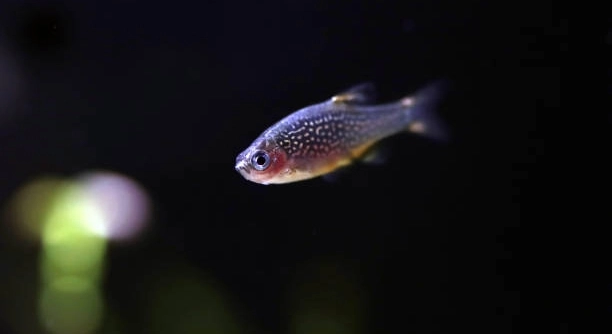
Celestial Pearl Danios are small, colorful fish that brighten any aquarium. Their social nature makes them fascinating to watch, especially when they move together in harmony. Observing these fish can be both relaxing and educational.
Celestial Pearl Danios exhibit unique grouping behaviors, including coordinated swimming, hierarchical spacing, synchronized foraging, protective clustering, mating displays within groups, territory sharing, and dynamic movement patterns. These behaviors reflect complex social structures and communication among individuals within the school.
Understanding these behaviors helps aquarists create healthier, more natural environments for their fish. Learning about their social interactions enhances care and enjoyment of these delicate, lively creatures.
Coordinated Swimming Patterns
Watching Celestial Pearl Danios swim together is mesmerizing. They often move in tight groups, adjusting their speed and direction almost instantly to match one another. This synchronized movement reduces stress and helps them respond quickly to changes in the environment. When one fish detects food, danger, or a new object, the others follow immediately. Even small deviations are corrected quickly, keeping the group aligned. Their fins and body movements seem almost choreographed, though it is instinctive. In larger tanks, multiple schools may form and interact without conflict. Observing these patterns can give insights into their natural behaviors and social needs. Proper tank setup, including open spaces and hiding spots, encourages healthy swimming habits. Avoiding overcrowding ensures that each fish has room to maintain its position within the group. Lighting, water quality, and tank decorations all influence how freely the fish can swim together. The visual harmony created by these movements is calming and rewarding to watch.
Coordinated swimming enhances survival instincts, reduces stress, and strengthens social bonds. These patterns reflect evolved behaviors designed to improve group safety and resource sharing.
These swimming patterns are not just beautiful; they reveal the importance of group cohesion. Observing how each fish responds to its peers can improve tank management, helping to maintain a calm and healthy environment for the entire school.
Hierarchical Spacing
Hierarchical spacing keeps each fish aware of its position. This spacing prevents aggression while maintaining group stability.
Celestial Pearl Danios establish subtle social hierarchies that influence where they swim and interact within the tank. Dominant individuals often occupy central positions, while less dominant fish remain near the edges or in hiding spaces. This arrangement reduces conflicts and helps everyone access food efficiently. Spacing is flexible and can change based on stress, health, or new tank additions. Providing varied environments, such as plants and rocks, allows lower-ranking fish to retreat safely. Observing their positions can indicate social tension or well-being. Proper spacing supports natural behaviors, helping fish feel secure and confident. Understanding these dynamics allows caretakers to make informed decisions on tank size, stocking levels, and placement of decorations. Even minor adjustments to the environment can improve comfort and reduce competition, creating a more peaceful aquarium overall. Managing hierarchy is subtle but critical for long-term harmony in group living.
Synchronized Foraging
Celestial Pearl Danios feed together, moving as a group to explore food sources. Their coordination ensures that everyone gets access while avoiding conflicts or overcrowding near a single spot.
When foraging, these fish show remarkable timing and awareness. As one fish discovers food, the others quickly join, yet maintain a careful distance to prevent competition. They nibble gently and often take turns, giving slower or smaller individuals a chance. This behavior reduces stress and helps maintain harmony. Feeding in groups also encourages activity, preventing boredom and supporting natural instincts. Tank setup influences how well this works; spreading food in multiple areas allows them to forage freely without fighting. Observing synchronized feeding can be rewarding and helps monitor fish health, as active participation signals good well-being and energy levels.
The rhythm of group feeding reflects their social instincts. Each fish reacts to the movement and choices of its peers, creating a balanced dynamic where all can thrive without overexertion or territorial disputes.
Protective Clustering
Protective clustering happens when Danios sense potential threats. They gather tightly, creating a shield-like formation to stay safe.
During protective clustering, individual fish respond to sudden movements, bright lights, or unusual sounds by immediately joining the group. This instinct reduces vulnerability to predators and reassures less confident members. The cluster may shift and adjust constantly, reflecting the awareness of each fish. Tank decorations, plants, and hiding spots enhance this behavior, allowing fish to feel secure. Protective clustering also reinforces social bonds, as fish depend on each other for safety. Careful observation can indicate stress levels or environmental issues. Frequent clustering might signal discomfort, while calm, spaced swimming shows confidence. Maintaining water quality and reducing abrupt disturbances helps fish feel safe and allows them to display natural protective behaviors comfortably.
This behavior demonstrates their collective instincts and trust in group dynamics. By observing clustering, caretakers can identify stress triggers and adjust tank conditions to maintain a secure, stable environment for all members of the school.
Mating Displays Within Groups
Male Celestial Pearl Danios perform subtle displays while females watch. These behaviors happen within the group, showing natural courtship instincts.
Displays include fin flaring, color intensification, and short, precise movements. These signals communicate readiness and health to potential mates.
Territory Sharing
Despite being small, Danios respect personal space. Groups navigate the tank without constant conflict, balancing shared areas with individual retreats.
Dynamic Movement Patterns
Celestial Pearl Danios often change swimming speed and direction in response to environmental cues. Their movements are fluid, with rapid bursts followed by slow gliding. These patterns help them explore safely, maintain group cohesion, and respond to perceived threats. Each fish reacts to its peers, creating a continuous flow that is both adaptive and natural. Proper tank layout, with open areas and hiding spots, encourages these patterns, allowing fish to express instincts without stress. Observing these dynamic movements can indicate overall health, social interaction, and comfort levels within the group.
Group Communication Signals
Danios use subtle signals like body posture, fin position, and swimming rhythm to communicate intentions and maintain social order within the school.
How many Celestial Pearl Danios should I keep together?
Keeping them in groups of at least six is ideal. Smaller groups can lead to stress, shyness, and uneven social interactions. Larger schools allow natural behaviors like coordinated swimming, synchronized feeding, and protective clustering to appear. Observing a full school makes it easier to notice changes in health or behavior.
Do they fight over territory?
They rarely show aggressive territorial behavior. Hierarchical spacing helps maintain social balance, allowing dominant and subordinate fish to coexist without frequent conflict. Providing hiding spots and plants reduces stress, giving lower-ranking fish safe areas to retreat. Territorial disputes are minimal compared to other species, making them suitable for community tanks.
What are the signs of stress in these fish?
Signs include hiding constantly, erratic swimming, loss of color, or refusing food. Overcrowding, poor water quality, or sudden changes in lighting can trigger stress. Protective clustering is a natural response, but prolonged or frequent clustering may indicate discomfort. Monitoring these behaviors helps adjust tank conditions for healthier fish.
Can they be kept with other fish?
Yes, they are peaceful and compatible with other small, non-aggressive species. Avoid larger or aggressive tank mates that may intimidate or harm them. Pairing them with other small schooling fish encourages natural behaviors and maintains a calm environment. Observing interactions ensures all species remain comfortable.
How do I encourage natural group behaviors?
Providing open swimming areas, plants, and decorations supports coordination, foraging, and clustering. Feeding in multiple locations encourages synchronized foraging. Stable water conditions and consistent routines help the school establish predictable patterns, allowing their social instincts to develop naturally. Changes in environment should be gradual.
What kind of diet supports healthy behavior?
A varied diet of high-quality flakes, micro-pellets, and live or frozen foods like daphnia or brine shrimp keeps them active and colorful. Feeding small amounts multiple times a day encourages movement and group interaction while reducing competition. Watching feeding patterns can indicate health issues early.
How can I tell if the hierarchy is working?
Observe how fish position themselves during swimming, feeding, and resting. Dominant individuals usually take central positions, while less dominant fish stay near edges or hiding spots. Minimal aggression and smooth coordination indicate a balanced hierarchy. Sudden fights or repeated chasing may signal a disruption that requires environmental adjustments.
Do they show individual personalities?
Yes, even within a tight school, individual fish show preferences for certain positions, movement speeds, or interactions. Some are naturally bolder, exploring more actively, while others remain cautious. Recognizing these traits helps in monitoring their health and ensuring each fish is thriving within the group.
How do lighting and tank setup affect grouping?
Proper lighting encourages natural color display and movement, while hiding spots reduce stress. Open areas are needed for coordinated swimming, and varied structures support hierarchical spacing and protective clustering. Poorly arranged tanks can inhibit behaviors, making fish shy or aggressive. Adjusting the environment improves comfort and social dynamics.
Can Celestial Pearl Danios breed in a community tank?
Breeding is possible but not guaranteed in a mixed tank. Males perform subtle displays to attract females, and eggs may be scattered or eaten by other fish. Dedicated breeding tanks with plants or spawning mops increase success, but observing mating displays in the community tank helps understand natural social behavior.
Are there common mistakes to avoid with schooling behaviors?
Overcrowding, inconsistent feeding, and sudden environmental changes disrupt coordination and stress the fish. Avoid aggressive tank mates, maintain stable water conditions, and provide adequate space. Ignoring hierarchical or protective behaviors may lead to illness or hidden stress. Regular observation is key to keeping the school healthy and active.
How often should I observe their social interactions?
Daily observation is ideal. Watching coordinated swimming, foraging, and clustering helps identify stress, illness, or hierarchy issues early. Tracking subtle changes, like decreased participation in feeding or unusual hiding, allows prompt adjustments to tank conditions, ensuring the group remains balanced and comfortable over time.
Can I keep multiple schools together?
Yes, if the tank is large enough. Each school may maintain its own cohesion, and interactions can be peaceful with proper space and hiding spots. Observing how schools merge or avoid each other provides insight into social tolerance and ensures the environment supports multiple groups without conflict.
What role does water quality play in grouping behaviors?
Stable, clean water is crucial for natural behaviors. Poor water conditions increase stress, reducing coordinated swimming, foraging, and mating displays. Proper filtration, regular water changes, and monitoring parameters like pH, ammonia, and nitrate levels help fish stay active, healthy, and socially balanced within their school.
How do I know if my group is thriving?
Active swimming, synchronized foraging, minimal aggression, vibrant color, and responsive mating displays are strong indicators. Protective clustering should be occasional and brief. Healthy hierarchies, proper spacing, and engagement in natural behaviors confirm the group is comfortable and the tank environment is supportive.
Celestial Pearl Danios are small fish with big personalities. Their social nature makes them fascinating to observe, especially when kept in groups. These fish rely on each other for comfort, safety, and coordination, which is why maintaining a proper school is essential. Watching a well-adjusted group swim together, forage, or respond to subtle environmental changes can be both calming and educational. Their behaviors, such as synchronized swimming, protective clustering, and hierarchical spacing, are not random but instinctive patterns that have developed to help them survive in the wild. Even small tank adjustments, like adding plants or open swimming areas, can influence how effectively they display these behaviors. By understanding their social tendencies, caretakers can create a balanced environment that allows all members to thrive, while also reducing stress and minimizing conflicts.
Maintaining their group dynamics requires attention to detail in tank setup and daily care. Water quality, lighting, feeding routines, and tank size all play a role in supporting their natural instincts. Crowding a tank or introducing aggressive tank mates can disrupt social behaviors, causing stress or hiding tendencies. Observing subtle changes in position, movement, or feeding patterns can provide insight into their overall health. For example, a fish that consistently isolates itself may be experiencing stress or illness. By being mindful of these details, aquarists can respond proactively, ensuring that the fish remain comfortable and active. The hierarchy within the group is also important, as it affects access to resources and interaction patterns. Providing enough hiding spots and open areas allows lower-ranking fish to retreat safely without causing tension, which helps maintain a harmonious school.
Understanding and supporting these behaviors goes beyond just keeping them alive—it enhances the overall experience of watching them. Every coordinated swim, foraging session, and mating display reflects a natural rhythm that can be appreciated over time. Proper attention to group dynamics also promotes healthier, more vibrant fish, making daily care easier and more rewarding. By respecting their social instincts and environmental needs, caretakers can create a tank where Celestial Pearl Danios can exhibit their natural behaviors fully. Observing these fish in a stable and balanced environment highlights their beauty, intelligence, and social complexity, proving that even small fish can display intricate and fascinating group interactions.

Hello,
If you enjoy the content that we create, please consider saying a "Thank You!" by leaving a tip.
Every little bit helps us continue crafting quality advice that supports the health, happiness, and well-being of pets around the world, for pets of all shapes, sizes, and species.
We really appreciate the kindness and support that you show us!