
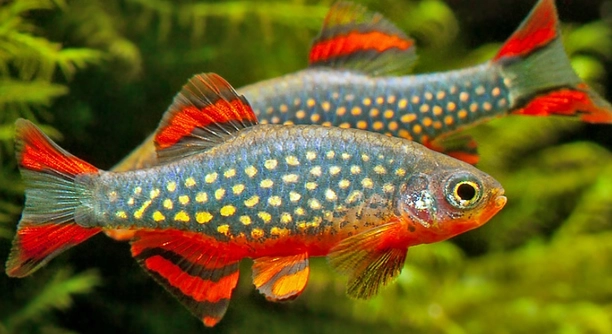
Keeping danios in a tank can be enjoyable, but it takes more than just adding water and fish. Many new fish owners find themselves unsure how to maintain a calm, healthy environment for their small aquatic pets.
Creating a stress-free danio habitat requires consistent water quality management, proper tank size, suitable filtration, and regular monitoring of temperature and light conditions. Providing hiding spots and maintaining a balanced diet also reduces stress and promotes healthy behavior.
Following these steps can make your aquarium a peaceful space, supporting your danios’ well-being and encouraging natural activity in their daily environment.
Choosing the Right Tank Size
A tank that is too small can stress danios quickly, causing them to hide or swim erratically. For a small group of danios, a minimum of 20 gallons is recommended. This allows each fish enough space to swim freely, explore, and establish territories without constant crowding. Overcrowding leads to higher ammonia and nitrite levels, which can harm fish health and trigger aggressive behavior. It’s also important to consider the adult size of danios, as they grow quickly and need room to maintain proper swimming patterns. Using a wider tank rather than a tall, narrow one can provide more horizontal swimming space, which danios prefer. Adding plants, rocks, or decorations can help reduce stress by offering areas to hide or explore, but these should not reduce swimming space drastically. A well-planned tank ensures a calm, balanced environment and helps prevent disease outbreaks due to poor water circulation or high stress levels.
A larger tank with adequate swimming space allows danios to move naturally, reducing aggressive interactions and promoting overall health and activity.
Keeping danios in a spacious, properly decorated tank improves water quality management and reduces stress. Regular maintenance, combined with the right layout, encourages natural schooling behavior and keeps fish active, healthy, and less prone to illness. It also makes cleaning and monitoring easier while providing a visually pleasing setup that benefits both the fish and the keeper. Adding moderate lighting, a gentle filter, and safe plant coverage ensures stability, helping the fish feel secure. Monitoring fish behavior regularly can indicate if the environment needs adjustments. Even small changes, like rearranging decorations or adjusting light cycles, can positively impact the tank’s atmosphere. Prioritizing tank size and layout establishes a foundation for a thriving danio environment, making daily care more manageable and enjoyable.
Maintaining Stable Water Conditions
Stable water conditions are key to keeping danios calm and healthy. Rapid changes in temperature, pH, or chemical levels can shock them and trigger stress responses, such as clamped fins or erratic swimming.
Regular testing and gradual adjustments prevent sudden fluctuations that can harm your fish.
Monitoring temperature, pH, and hardness consistently ensures your danios remain in their preferred conditions. Using a reliable heater, thermometer, and water test kits helps maintain a stable environment. Frequent water changes, around 20 percent weekly, keep ammonia and nitrite levels low, while proper filtration removes debris and toxins efficiently. Avoid overcrowding, as more fish produce more waste, which can destabilize water chemistry. When introducing new fish, acclimate them slowly to prevent shock and stress. Even small fluctuations in lighting schedules or seasonal changes in tap water can impact water parameters, so paying attention to these details is essential. By committing to stable water management practices, you create a safe, predictable habitat that supports your danios’ health, encourages natural schooling behavior, and reduces the risk of illness or aggression.
Proper Filtration
A reliable filter keeps the tank clean and maintains healthy water conditions. It removes debris, excess food, and waste, preventing toxins from building up. A gentle flow avoids stressing danios while ensuring oxygenation. Choosing the right filter type for your tank size is essential.
Filters should provide mechanical, chemical, and biological filtration. Mechanical filtration removes particles, chemical filtration neutralizes harmful substances, and biological filtration supports beneficial bacteria that break down ammonia and nitrites. Running the filter continuously helps maintain stable water quality. Regular cleaning is important, but avoid washing all filter media at once, as it can disrupt bacterial colonies. A properly maintained filter reduces maintenance work while keeping water conditions safe and stable.
Even with filtration, routine water changes are necessary. Partial water replacements help dilute toxins that accumulate despite the filter. Testing water parameters regularly ensures the filter functions effectively. Combining filtration, monitoring, and water changes creates a balanced environment that minimizes stress and supports danios’ natural behaviors. A stable, clean tank also reduces disease risk, encourages activity, and promotes healthy growth for all fish in the aquarium.
Temperature and Lighting
Consistent temperature is critical; sudden changes can shock danios, making them more vulnerable to stress and illness. Use a heater and thermometer to maintain a stable range between 72-78°F.
Lighting should mimic a natural day-night cycle, around 10-12 hours daily. Too bright or constant lighting can cause stress, while dim or irregular lighting disrupts activity patterns. Using timers helps maintain consistency, supporting healthy behavior and reducing aggression. Light exposure also affects plant growth and algae control, which indirectly influences water quality and fish comfort. Choosing soft, even lighting helps create a calm, natural environment for danios.
Monitoring both temperature and lighting ensures stability. Sudden spikes or drops in temperature can suppress appetite, weaken immune systems, or cause erratic swimming. Gradual adjustments are key when changes are necessary. Pairing consistent temperature with proper light cycles encourages natural schooling, exploration, and resting behaviors. Observing how your fish respond to the environment allows timely corrections, reducing stress and promoting a thriving tank. Using gentle lighting, stable temperatures, and regular checks creates conditions that keep danios active, healthy, and comfortable in their aquarium habitat.
Providing Hiding Spots
Adding plants, rocks, or small caves gives danios places to rest and feel secure. Hiding spots reduce stress, especially during feeding or when they feel threatened by sudden movements in the room.
Live or artificial plants both work well. Arrange them to allow open swimming areas while keeping sheltered corners.
Feeding a Balanced Diet
A varied diet keeps danios healthy and reduces stress. Offer high-quality flakes, frozen or live foods like brine shrimp or daphnia. Feeding small portions multiple times a day prevents overeating and maintains water quality. Consistent feeding schedules help them develop predictable routines, reducing anxiety and promoting active, natural behavior.
Avoiding Overcrowding
Keep stocking levels reasonable. Too many fish in one tank increases aggression, stress, and waste buildup.
FAQ
How often should I change the water in a danio tank?
Water changes are essential for keeping a danio tank healthy. Replace about 20 percent of the water weekly to remove toxins and keep ammonia and nitrite levels low. Avoid changing too much at once, as sudden shifts can stress the fish. Using a siphon makes removing debris and uneaten food easier. Always treat tap water with a dechlorinator before adding it to the tank to prevent harmful chlorine or chloramines from affecting the fish. Consistent partial changes maintain stable water conditions, which is critical for a stress-free environment.
What is the ideal tank temperature for danios?
Danios thrive in water between 72-78°F. Temperatures below or above this range can make them sluggish, stressed, or prone to illness. Use a reliable aquarium heater and thermometer to monitor conditions daily. Sudden changes in temperature should be avoided, as they can shock the fish. Gradually adjust water temperature when necessary, for example during seasonal shifts or if new water is added. Maintaining a consistent temperature supports proper feeding, natural swimming behavior, and overall health. It also reduces aggression and encourages active schooling.
Can danios live with other fish?
Yes, danios are generally peaceful and can coexist with other non-aggressive species of similar size. Avoid placing them with larger, predatory fish that may see them as food. Good tank mates include small tetras, rasboras, and some livebearers. Even with compatible species, overcrowding can increase stress and competition for food, so plan stocking levels carefully. Observing interactions regularly helps catch early signs of aggression. Providing hiding spots also allows shy or stressed fish to retreat, ensuring a balanced and calm environment for all tank inhabitants.
How do I prevent danios from getting stressed?
Stress in danios often comes from poor water quality, overcrowding, sudden changes in light or temperature, and aggressive tank mates. Maintaining clean water, a suitable tank size, hiding spots, and stable conditions reduces stress. Feeding a balanced diet and avoiding overhandling also helps. Regular observation of behavior allows you to catch stress signs early, such as erratic swimming, clamped fins, or loss of appetite. Stress-free danios are more active, school properly, and display bright coloration, which is an indicator of overall health.
How can I tell if my danios are healthy?
Healthy danios swim actively, school together, and show bright, consistent colors. Fins should be intact and free of tears or white spots. They should eat regularly and explore the tank. Lethargy, clamped fins, loss of appetite, rapid breathing, or unusual swimming patterns are signs of stress or illness. Regular water testing and observing behavior daily helps catch problems before they become serious. A proper diet, clean water, and a well-maintained tank make it easier to spot issues early.
Are live plants necessary for a danio tank?
Live plants are not required but are highly beneficial. They provide hiding spots, reduce stress, improve water quality by absorbing nitrates, and create a more natural environment. Hardy plants like Java fern, Anubias, or floating plants work well with danios. Artificial plants can be used if live plants are not an option, but they do not offer the same benefits for water quality. A mix of open swimming space and plant coverage keeps danios comfortable and encourages natural behavior.
How many danios should be kept together?
Danios are schooling fish and do best in groups of at least six. Smaller groups can lead to stress, aggression, or shyness. A larger group allows them to display natural behaviors and reduces bullying. Ensure the tank is large enough to accommodate the number of fish, with open swimming areas and hiding spots. Overcrowding causes poor water quality and heightened stress levels. Observing the group regularly helps ensure everyone is thriving, and adjustments can be made if aggressive behavior appears.
What should I do if a new danio shows signs of stress?
Quarantine new fish for at least two weeks before adding them to the main tank. Stress signs include hiding, clamped fins, or refusing food. Introduce them gradually by matching water conditions and adding them during the lights-on period when other fish are active. Providing extra hiding spaces helps them adjust. Keep water parameters stable and monitor behavior closely. Avoid sudden changes, and ensure they are eating properly. Patience and careful observation allow new danios to acclimate safely, reducing the risk of illness or aggression.
Can feeding too much harm danios?
Overfeeding is a common problem and can harm danios. Uneaten food decays, increasing ammonia levels and stressing fish. Feed small portions that they can eat within a few minutes, once or twice daily. A varied diet of flakes, frozen, or live food ensures proper nutrition without excess waste. Monitoring feeding behavior and removing leftover food maintains water quality and prevents digestive issues. Consistent, moderate feeding promotes healthy growth, vibrant colors, and active behavior while keeping the tank clean and stable.
How often should I clean the filter?
Clean the filter every two to four weeks depending on tank size and fish load. Rinse filter media in removed tank water, not tap water, to preserve beneficial bacteria. Avoid replacing all media at once, as this can disrupt biological filtration. Proper maintenance ensures efficient removal of debris, prevents water quality fluctuations, and reduces stress on danios. Monitoring filter performance and cleaning as needed keeps water conditions stable and supports a calm, healthy environment.
Caring for danios requires attention to several key aspects, and keeping their environment stress-free is crucial for their health and happiness. Tank size, water quality, filtration, temperature, lighting, and diet all play important roles in creating a balanced aquarium. A tank that is large enough allows danios to swim freely and display natural behaviors, while hiding spots provide security. Consistent water conditions and stable temperature help prevent stress, while proper filtration keeps the water clean and safe. Even small details, such as the arrangement of decorations or the placement of plants, can influence the comfort level of your fish.
Feeding practices and proper tank stocking also have a significant impact on stress levels. Overcrowding can lead to aggressive behavior, poor water quality, and increased disease risk, while a balanced diet ensures that fish remain healthy and active. Providing a mix of high-quality flakes, frozen foods, and occasional live foods supports proper nutrition and keeps danios engaged. Maintaining a feeding schedule and avoiding overfeeding helps prevent water contamination. Additionally, observing fish behavior regularly allows you to notice early signs of stress, illness, or imbalance in the tank. Small adjustments, such as changing water gradually or rearranging decorations, can make a noticeable difference in their overall well-being.
A calm and well-maintained aquarium also benefits the person caring for it. When water parameters are stable, filtration works effectively, and the tank is not overcrowded, maintenance becomes easier and more predictable. Stress-free danios are more active, display brighter colors, and school naturally, which makes observing them enjoyable. By focusing on these foundational aspects—tank size, water quality, temperature, lighting, diet, and proper stocking—you can ensure a healthier and happier environment for your fish. With patience and regular care, your aquarium becomes a peaceful, thriving habitat that encourages natural behaviors and reduces the risk of health problems, making it a satisfying experience to maintain.

Hello,
If you enjoy the content that we create, please consider saying a "Thank You!" by leaving a tip.
Every little bit helps us continue crafting quality advice that supports the health, happiness, and well-being of pets around the world, for pets of all shapes, sizes, and species.
We really appreciate the kindness and support that you show us!