
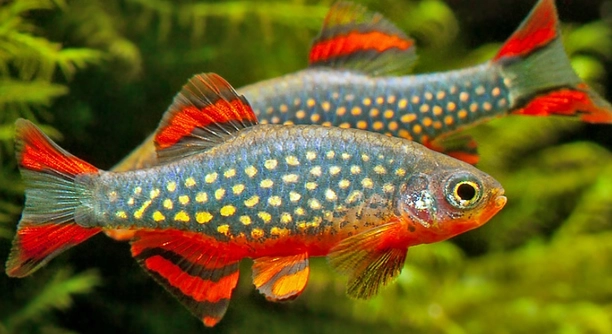
Are your danios’ tank waters turning cloudy despite regular cleaning and careful maintenance? Many aquarists face this common issue. Cloudiness can develop quickly, affecting both the appearance of the tank and the overall health of your fish.
Certain foods commonly fed to danios contribute directly to water cloudiness. Overfeeding, decaying particles, and excess proteins promote bacterial growth and suspended debris, which result in a hazy environment that can stress fish and disrupt the tank’s balance.
Understanding which foods affect water clarity is essential for maintaining a healthy aquarium. We will examine seven specific foods that commonly cloud danio tank water.
Flake Foods
Flake foods are among the most common options for feeding danios. They are convenient and widely available, but they often contain ingredients that dissolve quickly in water. When flakes are overfed or not fully consumed, small fragments remain suspended, creating a cloudy appearance. The high protein content in many flakes also accelerates bacterial growth when particles are left to decay. Over time, the combination of leftover flakes and bacterial activity can significantly reduce water clarity. Additionally, some brands include fillers that do not dissolve properly, which further contributes to the haze. Feeding smaller amounts and removing uneaten flakes promptly can reduce this effect, but repeated use without care can still impact water quality. Proper filtration helps, yet flakes remain a frequent source of minor cloudiness, particularly in smaller tanks. Observing how your danios respond to flakes and adjusting feeding habits is key to preventing excessive murkiness. Flakes are easy, but their impact on water requires attention.
Managing flake feeding carefully prevents clouded water and promotes healthier fish. Small portions are more effective than generous servings.
Flake foods vary in composition, but most include a mix of protein, vitamins, and fillers. When uneaten, the protein-rich portions quickly decompose, triggering a spike in bacterial activity. Fillers, often plant-based or synthetic, do not dissolve fully, creating visible particles in the water. Over time, these factors combine to form a persistent haze. Some flakes also float longer before sinking, allowing more time for disintegration at the surface. Removing excess flakes and using proper filtration significantly mitigates these effects, though complete prevention is unlikely without careful portion control. Observing your fish during feeding can reveal whether they are eating efficiently or leaving behind excess food. Reducing portions gradually ensures that the tank remains clear while your danios still receive proper nutrition. Consistent attention to feeding habits keeps the aquarium visually appealing and supports long-term fish health.
Freeze-Dried Foods
Freeze-dried foods are convenient, but they absorb water slowly and may expand. This can leave small particles floating temporarily.
These foods can break apart easily, producing dust that spreads throughout the water. Unlike flakes, freeze-dried options often sink slowly, giving bacteria time to consume remnants. Over time, uneaten portions may settle at the bottom, where decomposition releases nutrients that promote cloudiness and algae growth. Careful portioning and removing leftovers promptly prevent these effects, but the physical nature of freeze-dried foods inherently increases the risk of murky water. Observing feeding habits and preparing only what danios can finish quickly helps maintain clarity.
Freeze-dried foods, such as bloodworms or brine shrimp, retain nutrients after dehydration. When placed in the tank, they rehydrate and swell, sometimes leaving small fragments behind. These fragments can attract bacterial growth or form suspended particles that reduce visibility. Consistent monitoring and removing leftover pieces are necessary to avoid long-term water quality issues. The slow sinking of freeze-dried foods means that bottom feeders may not consume all particles immediately, creating debris that decomposes over time. Maintaining a clear tank requires balancing nutrition and minimizing leftover food. Combining careful feeding with routine cleaning and filtration helps maintain an optimal environment for danios while preventing persistent cloudiness caused by freeze-dried foods.
Pellets
Pellets sink slower than flakes but often contain concentrated protein. Uneaten pellets decompose at the bottom, promoting bacterial growth and clouding water. Overfeeding increases leftover particles, which dissolve slowly and release nutrients that feed microorganisms. Proper portioning minimizes these effects and helps keep the tank clear.
Pellets vary in size and density, but all share a tendency to leave residue when not fully eaten. This residue accumulates on the substrate, creating a layer of decomposing material that contributes to turbidity. The combination of leftover protein and slow dissolution encourages bacteria to multiply, which reduces visibility in the tank. Regular cleaning of the substrate and removing uneaten pellets immediately is essential. Feeding small amounts multiple times a day instead of one large portion ensures danios consume all the food, preventing buildup. Additionally, some pellets may crumble quickly, releasing fine particles that float temporarily before settling. Monitoring feeding habits and adjusting pellet size to match fish capacity helps maintain water clarity while still providing adequate nutrition.
When pellets start breaking down in the tank, they can trigger a cascade of water quality issues. Protein-rich fragments attract bacterial colonies, which release waste products that cloud the water. Over time, sediment from partially dissolved pellets settles on the bottom, further contributing to turbidity. The combination of floating dust and substrate accumulation makes the tank appear less clean, even if filtration is working efficiently. Removing uneaten pellets promptly and feeding according to tank capacity prevents excessive residue buildup. Maintaining consistent observation during feeding allows you to adjust portions or switch to a pellet type that your danios consume fully, reducing the risk of water cloudiness and ensuring a healthier environment.
Live Foods
Live foods are highly nutritious but often introduce debris. Uneaten portions decay quickly, leading to cloudy water and increased bacterial activity. Careful feeding prevents waste accumulation and maintains tank clarity.
Feeding live foods like daphnia or brine shrimp provides natural protein, but leftovers can rapidly degrade. Uneaten organisms die and release organic matter, which fuels bacteria and creates a visible haze. Frequent small feedings help ensure consumption.
Live foods may carry tiny particles or detritus that remain in the tank even after fish eat. This residual matter decomposes faster than processed foods, often resulting in sudden cloudiness. While live foods enhance diet and stimulate natural behaviors, their fast decay requires careful observation. Removing uneaten portions promptly, using fine nets, and maintaining proper filtration are necessary to prevent water quality issues. Live foods also increase nutrient levels temporarily, which may encourage algae growth if left unmanaged. Balancing quantity with tank capacity ensures danios benefit nutritionally without compromising water clarity, allowing for both healthy fish and a visually clear aquarium.
Frozen Foods
Frozen foods can cloud water if not thawed properly. Small fragments often break off during feeding and remain suspended.
When added directly, frozen foods release proteins and particles that bacteria quickly consume, producing visible haze. Thawing completely and feeding in controlled portions reduces water cloudiness.
Vegetables
Vegetables like peas or zucchini leave residue when uneaten. Softening or cooking slightly before feeding helps minimize decomposition.
Fish Fry or Baby Fish
Feeding baby fish can increase cloudiness. Tiny portions often remain uneaten and decay quickly. Proper portioning and removing leftovers immediately help maintain tank clarity.
FAQ
Why is my danio tank water cloudy even after cleaning?
Cloudy water often results from leftover food breaking down. Overfeeding flakes, pellets, or live foods leaves particles in the tank that bacteria consume. Even after cleaning, small debris in the substrate or filter media can continue releasing nutrients, causing temporary haze. Proper portioning and regular substrate cleaning reduce this effect.
Can overfeeding cause permanent water cloudiness?
Overfeeding does not cause permanent cloudiness, but repeated excess can create persistent conditions. Uneaten food decomposes, promoting bacterial blooms and algae growth. Continuous buildup can stress fish and complicate filtration. Adjusting feeding amounts and removing leftovers prevents recurring issues.
Are all types of fish food likely to cloud water?
Some foods are more likely to cause cloudiness. Flakes, pellets, freeze-dried, live, and frozen foods can all release particles or nutrients. Vegetables and baby fish feed can also contribute if uneaten. Observing how your danios consume different foods helps identify which types produce more debris.
How can I feed my danios without clouding the water?
Feed small amounts multiple times per day instead of one large portion. Observe how much your danios consume and remove any leftover food immediately. Thaw frozen foods completely before feeding and soften vegetables slightly to prevent excessive debris. Using high-quality foods that hold together also helps.
Does filtration prevent cloudy water from food?
Filtration helps, but it cannot completely prevent cloudiness if feeding habits are poor. Mechanical filters remove large particles, while biological filters handle waste decomposition. However, overfeeding overwhelms the system, allowing fine debris and bacteria to accumulate. Proper feeding and regular filter maintenance are essential.
Why do live foods make the water cloudier than flakes?
Live foods, like daphnia or brine shrimp, can leave debris and uneaten portions in the tank. These decay rapidly, producing organic matter that encourages bacterial growth. Flakes dissolve more slowly and often settle in smaller amounts, while live foods can introduce additional particles and increase nutrient levels suddenly.
Are freeze-dried foods worse than pellets for water clarity?
Freeze-dried foods can be more problematic if not handled correctly. They break into fine dust when sprinkled, creating temporary haze. Pellets sink slower and leave residue at the bottom, but are easier to manage by portioning carefully. Both require monitoring to prevent water quality issues.
How often should I clean my tank to prevent cloudiness?
Routine cleaning is critical. Weekly partial water changes remove debris and excess nutrients. Cleaning the substrate and filter media periodically ensures that leftover food and waste do not accumulate. Over-cleaning can stress beneficial bacteria, so balance is necessary.
Do vegetables affect water clarity differently than protein-based foods?
Vegetables break down more slowly but still contribute to cloudiness if uneaten. Softening them before feeding helps danios consume them fully. Protein-based foods decompose faster and can trigger bacterial blooms more quickly, making cloudiness appear sooner. Combining careful feeding with regular cleaning helps manage both types.
Can tank size impact how food clouds water?
Smaller tanks are more sensitive to leftover food and waste. A few uneaten flakes or pellets can quickly reduce water clarity. Larger tanks dilute particles more effectively, but overfeeding still causes issues. Adjust portion sizes according to tank volume to maintain clear water.
How do I know if cloudiness is food-related or from other causes?
Observe feeding habits and timing of cloudiness. If water becomes cloudy shortly after feeding, it is likely food-related. Other causes include poor filtration, new tank cycling, or algae growth. Removing excess food and monitoring bacterial activity helps confirm the source.
Is it better to remove uneaten food immediately or wait a while?
Removing leftover food immediately is best. Waiting allows decomposition, bacterial growth, and cloudiness to develop. Using a net or siphon to remove uneaten pieces during or shortly after feeding keeps the tank clean and reduces stress on danios.
Can overfeeding affect fish health besides clouding water?
Yes, overfeeding leads to digestive issues, obesity, and higher ammonia levels. Excess waste increases the risk of bacterial blooms and poor water quality. Careful feeding ensures fish remain healthy while maintaining tank clarity.
Are there ways to reduce cloudiness without changing food?
Improving filtration, performing regular water changes, and cleaning the substrate can reduce cloudiness even without changing food. However, adjusting portions and monitoring leftover food is the most effective long-term solution to maintain clear water consistently.
Do certain danio behaviors worsen food-related cloudiness?
Danios are active and may scatter food, causing it to break apart and float longer. Bottom-feeding or chasing food around increases debris distribution, which can cloud water. Feeding smaller amounts gradually allows them to eat efficiently and reduces leftover particles.
How long does food-related cloudiness usually last?
Temporary cloudiness from food often clears within a few hours to a day, depending on tank size, filtration, and water movement. Persistent haze indicates ongoing decomposition or overfeeding, requiring prompt intervention. Regular monitoring helps maintain clarity and prevents extended murkiness.
Can I feed mixed food types without causing cloudiness?
Yes, mixing food types is possible if portions are small and leftovers are removed. Observe how danios consume each type and adjust accordingly. Combining flakes, pellets, vegetables, or frozen foods in controlled amounts ensures balanced nutrition without excessive debris accumulation.
Does water temperature affect how quickly food clouds the tank?
Higher temperatures accelerate decomposition and bacterial growth, making cloudiness appear faster. Lower temperatures slow these processes. Maintaining appropriate tank temperature helps control food-related turbidity and keeps danios healthy.
Are there foods that rarely cloud water?
Well-formed pellets, appropriately sized vegetables, and fully thawed frozen foods are less likely to cloud water when fed in proper portions. Observation and portion control remain essential to prevent any residue buildup and maintain clarity consistently.
Can cloudiness harm danios immediately?
Temporary cloudiness is not usually harmful, but prolonged exposure to bacterial blooms or poor water quality can stress fish, reduce oxygen levels, and increase susceptibility to disease. Maintaining clarity supports both fish health and aesthetic appeal of the tank.
Is feeding frequency important for preventing cloudiness?
Yes, feeding small amounts more frequently reduces leftover food and limits water cloudiness. Large single feedings increase uneaten debris and decomposition, making water murky. Frequent, controlled portions ensure efficient consumption and maintain water quality.
What tools help manage food-related cloudiness?
Fine nets, siphons, and quality filters are effective. Skimming uneaten food during feeding, vacuuming substrate regularly, and maintaining filtration prevent residue buildup. Combining these tools with portion control ensures the tank stays clear without changing dietary routines.
How do I transition from high-clouding foods to less problematic options?
Gradually reduce flakes or freeze-dried foods while introducing pellets or vegetables. Monitor consumption and water clarity. Adjust portions to match fish appetite. Consistent observation ensures the transition does not create excessive leftover food or stress danios.
Are clouding issues more common in new tanks?
Yes, new tanks are more prone to cloudiness due to incomplete cycling and sensitive bacterial balance. Introducing foods gradually, performing partial water changes, and monitoring leftovers help prevent excessive turbidity during this period.
Can adding live plants reduce cloudiness?
Live plants absorb excess nutrients and compete with bacteria, helping reduce cloudiness. They also provide hiding spots and natural filtration support. While not a replacement for proper feeding practices, plants complement efforts to maintain clear water.
Does the type of substrate affect food-related cloudiness?
Substrates that trap debris, like fine sand or small gravel, can exacerbate cloudiness when food accumulates. Coarser substrates allow easier removal of uneaten food and reduce prolonged murkiness. Regular cleaning ensures sediment does not contribute to water haze.
How often should I monitor food consumption?
Observation during each feeding is essential. Watch how much food your danios eat, remove leftovers immediately, and adjust portion sizes as needed. Consistent monitoring prevents debris buildup and keeps water clear over time.
Can cloudiness be completely avoided?
Complete avoidance is difficult, but careful feeding, immediate removal of uneaten food, regular cleaning, and proper filtration minimize cloudiness. Observing fish behavior and adjusting portions ensures water remains clear most of the time while maintaining healthy danios.
Is it safe to use additives to clear food-related cloudiness?
Additives can temporarily improve clarity, but they do not address the root cause. Over-reliance may mask water quality problems. Correct feeding practices, substrate cleaning, and filtration are more effective long-term solutions for maintaining a clear tank.
Do clouded tanks affect fish behavior?
Yes, persistent cloudiness can stress danios, reduce activity, and impact feeding efficiency. Clear water supports natural behavior and reduces stress, promoting healthier fish and more consistent growth.
How long should I wait after feeding to check for leftovers?
Checking 10–20 minutes after feeding allows fish to consume most food. Remove any remaining portions promptly to prevent decomposition, bacterial blooms, and visible haze in the tank.
Can I feed multiple danio tanks the same way?
Feeding methods should be tailored to each tank size, fish count, and filtration. Overfeeding in smaller tanks leads to cloudiness more quickly. Adjust portions and monitor consumption to maintain clarity in every tank.
Are there alternative feeding methods to reduce cloudiness?
Using feeding rings, pre-soaking dry foods, or hand-feeding frozen items can minimize scattered debris. These methods ensure danios consume most food immediately, reducing residue and maintaining clearer water.
Does overstocking affect cloudiness from food?
Yes, more fish increase waste and uneaten food quickly. Overstocking amplifies cloudiness and strains filtration. Keeping fish density appropriate for tank size ensures that feeding habits do not compromise water clarity.
How does bacterial bloom relate to cloudy water?
Bacterial blooms occur when leftover food decomposes rapidly. The bacteria multiply, creating a visible haze. Limiting uneaten food, performing water changes, and maintaining filtration prevent blooms and maintain clarity.
Can changing food brands reduce cloudiness?
Switching to foods that hold together better or dissolve less quickly can reduce debris. Observe how your danios eat and adjust brand or type accordingly. Proper portioning remains essential for preventing cloudiness regardless of brand choice.
What is the fastest way to clear cloudy water caused by food?
Remove uneaten food, perform a partial water change, and clean substrate. Running the filter at full capacity and skimming floating particles accelerates clarity while preventing stress to the fish.
Are baby danios more sensitive to food-related cloudiness?
Yes, fry are more sensitive to poor water quality. Small amounts of leftover food decompose quickly, and bacterial blooms can affect oxygen levels. Feeding small portions and removing excess is critical for their survival and tank clarity.
Does cloudiness affect filtration efficiency?
Excess particles from food can clog mechanical filters and reduce biological filtration efficiency. Regular maintenance and careful feeding prevent clogging and ensure the filter continues to maintain water clarity effectively.
Can cloudiness be mistaken for disease?
Yes, cloudy water from leftover food or bacterial bloom may resemble early signs of illness, like fungal growth. Observing fish behavior and water conditions helps differentiate between cloudiness and actual disease presence.
Is it better to feed less often or in smaller amounts for clarity?
Smaller, frequent feedings reduce leftover debris and limit cloudiness. Large, infrequent feedings leave uneaten food that decomposes quickly, increasing bacterial activity and murkiness.
Do certain fish eat faster than others, affecting cloudiness?
Danios are fast eaters and may leave slower feeders behind. Uneaten portions contribute to cloudiness, so monitoring feeding ensures all fish consume food efficiently and minimizes leftover debris in the tank.
Does cloudiness from food affect pH levels?
Yes, decomposing food releases ammonia and other compounds, which can slightly alter pH. Maintaining proper feeding habits and performing regular water changes stabilizes pH and prevents long-term water quality issues.
How does tank lighting interact with cloudy water?
Bright lighting makes cloudiness more noticeable and can stimulate algae growth if leftover nutrients remain. Controlling feeding, water changes, and lighting intensity helps maintain clarity and overall tank health.
Can I use a fine mesh net to reduce cloudiness?
Yes, a fine net can remove uneaten food before it decomposes. This practice, combined with proper feeding amounts and regular cleaning, reduces suspended particles and keeps water visually clear.
Are certain times of day better for feeding to avoid cloudiness?
Feeding during periods of lower activity allows fish to consume food efficiently. Early morning or evening feedings often work best, minimizing uneaten food and subsequent cloudiness.
Do clouding foods impact long-term tank maintenance?
Repeated use of foods that easily cloud water increases substrate cleaning frequency and filter maintenance. Careful feeding reduces these burdens while keeping water clear and fish healthy.
How does protein content relate to water cloudiness?
High-protein foods decompose quickly, releasing nutrients that promote bacterial growth. Low-protein or plant-based options break down slower, reducing immediate cloudiness. Balancing protein intake prevents excessive haze while meeting nutritional needs.
Can adding a secondary filtration system help?
A secondary filter can improve clarity by removing fine particles and supporting bacterial breakdown. Combining this with proper feeding and cleaning ensures food-related cloudiness is minimized efficiently.
Does water movement influence food cloudiness?
Strong water flow disperses small particles, which may temporarily make water look cloudier. However, circulation also prevents sediment buildup, helping maintain overall clarity over time. Proper balance is key.
Are freeze-dried vegetables better than fresh for clarity?
Freeze-dried vegetables are easier to manage because they release less debris if fed in correct portions. Fresh vegetables may decompose faster if uneaten, increasing cloudiness in the tank.
How can I tell if cloudiness is bacterial or algae-based?
Bacterial cloudiness appears milky and often occurs after feeding. Algae-related haze is greenish and develops gradually. Observing water color and timing of cloudiness helps determine the source and corrective action.
Do clouded tanks affect oxygen levels?
Yes, bacterial blooms from decomposing food consume oxygen, reducing levels in the water. This can stress danios, making immediate cleaning and portion control essential to prevent oxygen depletion.
Can I feed mixed live and frozen foods without cloudiness?
Yes, if portions are controlled and leftovers are removed. Monitoring consumption and adjusting amounts ensures both types are eaten fully, preventing debris accumulation.
Does water hardness influence food decomposition?
Hard water slightly slows decomposition, while soft water may accelerate bacterial activity. Proper feeding and cleaning remain the main factors in preventing cloudiness, regardless of water hardness.
Are cloudy tanks more prone to algae growth?
Yes, leftover nutrients from decomposed food feed algae. Regular water changes, substrate cleaning, and controlled feeding reduce both cloudiness and algae proliferation.
How can I make sure danios eat all their food?
Feed small amounts, observe their behavior, and remove leftovers. Mixing food types they prefer or feeding in multiple small sessions improves consumption and prevents cloudiness.
Does adding more fish worsen food cloudiness?
Yes, more fish increase the amount of food consumed and leftover waste. Ensuring proper density and adjusting portions prevents excessive debris from clouding the tank.
Can cloudy water affect filtration media lifespan?
High debris levels can clog filter pads and reduce efficiency, requiring more frequent replacement. Controlled feeding and regular maintenance extend the life of filtration media while keeping water clear.
Do certain water treatments help with food-related cloudiness?
Some clarifiers temporarily bind particles, but they do not address underlying feeding issues. Consistent portion control and cleaning are more effective for long-term clarity.
Is cloudy water more stressful for danios?
Yes, reduced visibility can increase stress and affect feeding behavior. Maintaining clear water supports normal activity and overall fish health.
How often should I adjust feeding amounts to prevent cloudiness?
Adjust feeding as fish grow, tank populations change, or water clarity decreases. Regular monitoring ensures portions match consumption, reducing uneaten food and maintaining clear water.
Does cloudiness from food indicate filter failure?
Not necessarily. Even functional filters cannot fully compensate for overfeeding or decomposing debris. Cloudiness is often a result of feeding habits rather than filter performance.
Can adding snails or shrimp reduce food-related cloudiness?
Yes, scavenger species consume leftover food, reducing debris and nutrient buildup. They help maintain clarity but do not replace proper feeding and cleaning routines.
Are powdered foods worse than flakes for cloudiness?
Powdered foods disperse quickly and float, often creating temporary haze. Flakes break down slower and are easier to monitor, making powders more likely to cloud water if overfed.
Does temperature fluctuation impact food decomposition?
Sudden temperature increases accelerate bacterial growth and decomposition, causing faster cloudiness. Maintaining stable tank temperature helps manage food-related haze.
Can cloudiness indicate overstocking combined with overfeeding?
Yes, too many fish combined with excess food amplifies decomposition and bacterial blooms. Balancing fish population and portion sizes is critical for clear water.
Is cloudiness more noticeable in small tanks?
Yes, small tanks have less water volume to dilute particles, making even small amounts of leftover food visibly cloud the water. Careful feeding is essential.
Can aeration reduce cloudiness?
Aeration improves circulation and helps debris settle or pass through filters faster, but it does not remove the need for proper feeding and substrate cleaning to prevent cloudiness.
Do cloudy tanks require more frequent water changes?
Yes, partial water changes help remove suspended particles and nutrients from leftover food, maintaining clarity and supporting fish health.
How does tank age affect food-related cloudiness?
New tanks are more prone to cloudiness due to incomplete cycling. Older, established tanks handle leftover food better, but overfeeding still causes temporary haze.
Can cloudiness affect fish growth?
Yes, poor water quality from decomposing food can stress danios, reduce appetite, and impact growth rates. Maintaining clear water ensures healthy development.
Are certain feeding schedules better for clarity?
Feeding small, consistent amounts reduces leftover food. Irregular or large feedings increase debris and cloudiness. Regular schedules maintain water quality and support consistent fish health.
Does substrate type require different feeding strategies?
Yes, fine substrates trap more debris, while coarse gravel allows uneaten food to settle for easier removal. Adjust feeding amounts to match substrate type and reduce cloudiness.
Can cloudiness signal impending water chemistry issues?
Persistent cloudiness can indicate high nutrient levels, elevated ammonia, or bacterial blooms. Monitoring water parameters alongside feeding habits prevents long-term water quality problems.
Does the type of filter affect cloudiness from food?
Mechanical filters remove large particles, while biological filters manage waste breakdown. Choosing a filter appropriate for tank size and debris load helps minimize food-related cloudiness.
How do I balance feeding for multiple species without clouding water?
Observe each species’ eating speed and portion accordingly. Remove leftovers promptly and use multiple feeding
Keeping a danio tank clear requires careful attention to feeding habits, food type, and tank maintenance. The foods you choose for your fish can directly influence water clarity, as leftover particles quickly decompose and feed bacterial growth. Overfeeding is a common issue that leads to cloudy water, even when the tank is cleaned regularly. Flakes, pellets, frozen foods, and live foods all have the potential to create debris if not managed properly. Even vegetables and baby fish feed can contribute to haze when uneaten. Understanding how each type of food behaves in the water allows you to adjust portions, monitor consumption, and maintain a healthier environment for your fish.
Portion control is one of the most effective ways to reduce cloudiness in a danio tank. Feeding smaller amounts multiple times a day ensures that your fish consume the food fully without leaving behind fragments that can decompose. Observing how your danios eat during feeding sessions provides insight into whether adjustments are needed. Removing uneaten food promptly is essential, as decaying particles accelerate bacterial growth and can disrupt water quality. Proper thawing of frozen foods and softening vegetables also help prevent leftover debris. Combining careful feeding with regular water changes and substrate cleaning minimizes nutrient buildup, preventing the water from turning cloudy over time. Maintaining consistent filtration further supports clarity, but it cannot replace mindful feeding habits.
Ultimately, keeping your danio tank clear is a combination of good feeding practices, regular maintenance, and monitoring water quality. Choosing the right foods, adjusting portions to match your fish’s appetite, and removing leftovers promptly are all critical steps. Regular observation and a consistent cleaning routine help prevent the accumulation of decomposing food, which reduces bacterial blooms and keeps water visually appealing. By paying attention to the interactions between food, fish behavior, and tank conditions, you create a stable, healthy environment. Clear water not only improves the aesthetic of your aquarium but also contributes to the overall health and activity of your danios, ensuring they thrive for years to come.

Hello,
If you enjoy the content that we create, please consider saying a "Thank You!" by leaving a tip.
Every little bit helps us continue crafting quality advice that supports the health, happiness, and well-being of pets around the world, for pets of all shapes, sizes, and species.
We really appreciate the kindness and support that you show us!