
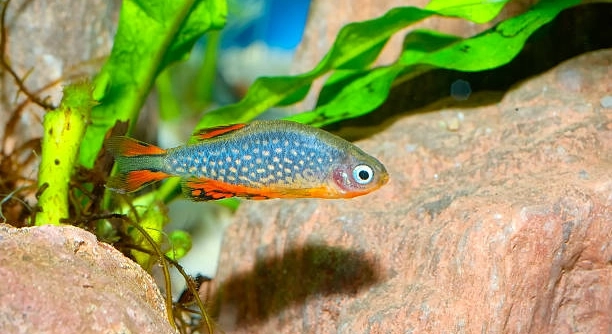
Danios are popular freshwater fish admired for their lively colors and active behavior. Many hobbyists enjoy keeping them in home aquariums but often struggle to tell males and females apart at first glance.
Sexing danios relies on observing subtle physical differences and behavioral patterns. Males tend to be slimmer, more vividly colored, and display distinct fin shapes, while females usually have fuller bodies, rounded abdomens, and slightly duller coloration. Careful observation is essential for accurate identification.
Recognizing these traits can enhance your aquarium care and help ensure the well-being of your fish over time.
Body Shape Differences
Male and female danios show noticeable differences in body shape, which makes sexing easier once you know what to look for. Males are usually slender with a streamlined body, allowing them to move quickly through water. Females, on the other hand, tend to have a rounder, fuller midsection. This is especially visible when they are carrying eggs, as their belly becomes slightly more pronounced. Observing these differences over time helps to accurately identify each fish, particularly in tanks with multiple individuals. Body shape can also influence behavior, as slimmer males often swim more actively, while females may stay closer to plants or tank decorations. Lighting and tank angle can affect how obvious these differences appear, so take your time to watch them in different conditions. Understanding these distinctions is crucial for breeding purposes and for maintaining balanced tank dynamics.
Male danios appear more streamlined and agile, whereas females have rounder midsections and slower movements in general.
Noticing these body shape differences can make daily care and feeding routines smoother. When introducing new fish, these visual cues help prevent aggressive encounters and ensure proper tank distribution. Over time, observing swimming patterns alongside shape can confirm gender more reliably. Consistent feeding also reveals subtle fullness in females, giving additional clues.
Coloration and Fin Patterns
Male danios are generally brighter in color, with more vivid stripes and distinct fin edges, while females exhibit slightly muted tones.
Color intensity and fin shapes are strong indicators of gender, and consistent observation allows for confident identification.
Colors in danios are not just for beauty—they signal health and reproductive readiness. Males often display more intense hues during mating periods, which can include flaring fins and performing short displays around females. Females’ colors are steadier and less flashy, serving as a practical indicator of their condition. Differences in fin shape are also key; males may have sharper, longer fins, whereas females’ fins are usually shorter and rounded. Watching these traits over several weeks provides a reliable method to distinguish genders. For aquarists who care about breeding or tank harmony, paying attention to coloration and fins is essential. Even subtle changes in hue or fin condition can reveal stress, diet issues, or health concerns, making this observation useful beyond sexing. Proper lighting enhances visibility, making colors and fin edges easier to track over time.
Behavior Differences
Males are more active and often chase females, especially during breeding periods. Females are calmer and spend more time exploring plants or staying near tank edges.
Males display territorial and courtship behaviors, such as flaring fins or quick darting movements, to attract females. These behaviors can become more pronounced in smaller tanks where space is limited, sometimes leading to chasing or brief skirmishes. Females respond by swimming away or hiding among decorations, showing patience and tolerance. Over time, these patterns become consistent, making it easier to distinguish genders based on actions rather than just appearance. Monitoring behavior alongside visual traits gives a fuller understanding of your danios’ dynamics and interactions.
Females tend to be more passive and deliberate in their movements, avoiding direct confrontation with males. Watching daily routines reveals these subtle differences, which help in managing tank balance. Observing interactions over several weeks allows you to notice patterns in feeding, swimming, and resting behaviors, making gender identification more reliable and predictable for breeding or tank management purposes.
Size Differences
Males are usually smaller and leaner, while females have slightly larger, rounder bodies due to egg development.
Body size is a simple indicator of gender, but it varies with diet and age. Female danios generally carry eggs, giving them a fuller appearance, while males maintain a slimmer build. Differences are subtle when young, becoming more noticeable as they mature. Males’ smaller size allows for quicker swimming and more agile maneuvers during courtship displays. Females’ size contributes to stability in the water, letting them conserve energy while foraging. Paying attention to size alongside shape, coloration, and behavior provides a more accurate identification method. It is important to consider tank population and nutrition, as overcrowding or inconsistent feeding can temporarily alter size cues. Consistent observation under normal conditions is the best way to reliably differentiate genders.
Belly Shape
Females have rounder, fuller bellies, especially when carrying eggs. Males remain slender with a straight profile.
The belly difference is one of the easiest visual cues for gender. Overfeeding or pregnancy can exaggerate this trait, so observing your danios over time gives a clear indication of which fish are female.
Dorsal Fin Differences
Males often have slightly longer, more pointed dorsal fins. Females’ dorsal fins are shorter and rounded.
Swimming Patterns
Males swim more actively and display frequent bursts of speed during courtship or territorial behavior. Females swim steadily and usually avoid chasing or sudden darting movements.
FAQ
How can I tell a male danio from a female without disturbing them?
Observing from a distance is often enough. Look at body shape, belly fullness, and fin length. Males are slimmer with sharper fins, while females have rounder midsections and shorter fins. Swimming behavior also helps—males are active and chase, females swim more steadily.
Do coloration differences always indicate gender?
Not always, but they are reliable when combined with other traits. Males display brighter stripes and more vivid colors, especially during breeding. Females tend to be muted in comparison. Lighting and tank environment can affect visibility, so check patterns consistently over time.
Can diet affect how easy it is to distinguish genders?
Yes, diet influences belly shape and coloration. Overfeeding may make a male appear fuller, while underfeeding can dull a female’s colors. Balanced nutrition ensures that size and color cues remain accurate for sex identification.
At what age can I reliably identify danio gender?
Most danios show noticeable gender traits around four to six months old. Juveniles are difficult to sex because their fins, coloration, and body shape are not fully developed. Waiting until maturity helps reduce mistakes.
Is one gender more aggressive than the other?
Males are typically more territorial and active, particularly when females are nearby. Chasing and fin displays are common during mating periods. Females are calmer and avoid conflicts, making tank management easier if behavior is monitored.
Do all danio species show the same gender traits?
While most species share general differences, subtle variations exist. Body shape, fin length, and color intensity can differ slightly depending on the species. It is best to research your specific danio type to accurately identify gender.
Can females appear similar to males during breeding periods?
Sometimes females may appear slimmer temporarily, especially if they have recently released eggs. Observing body shape over several days or weeks ensures you do not mistake temporary changes for male traits.
How important is lighting for sex identification?
Good lighting improves visibility of colors, fin edges, and body contours. Natural or bright aquarium lighting helps distinguish males’ vivid colors and females’ rounder bellies. Dim lighting can make subtle differences harder to see.
Should I separate males and females in a tank?
Separation is not necessary for general care but may help during breeding or if males become overly aggressive. Observing interactions first helps determine if intervention is needed to maintain harmony.
Are there behavioral signs besides swimming patterns that indicate gender?
Yes, courtship behaviors are key. Males often perform short displays near females, flaring fins or nudging gently. Females respond by swimming steadily or hiding. Watching these interactions over time gives reliable clues alongside physical traits.
How do I track multiple danios for gender identification?
Note their behavior, color, and shape consistently over days or weeks. Taking photos at intervals can help compare traits and ensure accurate identification, especially in larger tanks. Consistency is more reliable than one-time observations.
Can stress affect gender appearance?
Stress may temporarily alter coloration or swimming patterns, making males look dull or females appear slimmer. Minimizing sudden changes in water quality, temperature, or tank population helps preserve natural traits for accurate observation.
Are there other visual cues besides body shape, fins, and color?
Occasionally, subtle differences appear in the head or eye size, with males having slightly sharper facial features. These are minor and best used alongside the primary indicators for reliable sexing.
How often should I check my danios for sex traits?
Daily or every few days is sufficient. Consistent observation helps confirm differences over time, especially during feeding or activity periods. Monitoring during breeding seasons provides the clearest indicators.
Do males and females require different care?
Not significantly. Both need balanced nutrition, proper water conditions, and space. Differences matter mainly for breeding purposes or managing aggressive behaviors, where separating males or ensuring hiding spots for females can improve tank harmony.
Final Thoughts
Identifying the gender of danios can feel challenging at first, but paying attention to their physical traits and behavior makes it manageable. Observing body shape, belly fullness, fin length, and coloration provides reliable cues. Males are generally slimmer with longer fins and brighter colors, while females are rounder, slightly duller, and have shorter fins. Swimming patterns and activity levels are equally important—males tend to be more active and chase other fish, whereas females move more steadily and often avoid confrontation. These differences become clearer over time with consistent observation. Taking note of small details daily allows you to confidently distinguish genders, even in larger tanks where multiple fish interact. Lighting and tank conditions also influence how noticeable these traits are, so proper setup helps improve visibility.
Behavior plays a significant role in identifying gender as well. Males show courtship displays, chase females, and sometimes establish territories, which can be helpful indicators when physical differences are subtle. Females display calmer, more measured movements and often stay closer to plants or tank edges. Observing interactions over weeks rather than a single day provides a more accurate picture. Stress, diet, and water conditions can temporarily affect appearance and behavior, so keeping a stable environment is crucial. Consistent feeding helps maintain natural body shapes, and proper lighting highlights coloration and fin edges, making visual identification easier. Combining these physical and behavioral observations gives a comprehensive understanding of your danios’ genders, which is particularly useful for breeding, tank management, and ensuring a peaceful aquarium environment.
Understanding danio gender is not only about identification but also about improving care and tank dynamics. Recognizing males and females helps maintain balanced populations, prevent aggression, and create a comfortable habitat for all fish. Knowing which fish are female is important if breeding is intended, as it allows careful planning of tank setups and feeding schedules to support reproductive health. Even if breeding is not the goal, gender identification aids in monitoring growth and health, as changes in body shape, coloration, or behavior can indicate issues such as stress or illness. Taking the time to observe and document differences builds a stronger connection with your fish and enhances overall aquarium management. With careful attention and patience, distinguishing male and female danios becomes second nature, contributing to a healthier, more harmonious aquatic environment.

Hello,
If you enjoy the content that we create, please consider saying a "Thank You!" by leaving a tip.
Every little bit helps us continue crafting quality advice that supports the health, happiness, and well-being of pets around the world, for pets of all shapes, sizes, and species.
We really appreciate the kindness and support that you show us!