
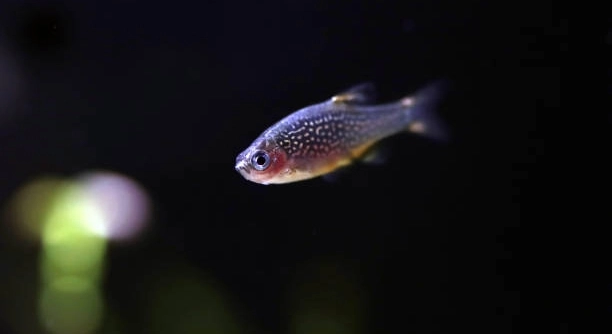
Have you ever found yourself drawn to the gentle shimmer of Celestial Pearl Danios while learning how to care for them in a peaceful home aquarium environment as you begin your journey into responsible fishkeeping.
New Celestial Pearl Danio owners often look for clear guidance on tank size, water stability, diet variety, and group behavior. Maintaining consistent conditions and offering a calm space supports their overall health, allowing these freshwater fish to grow in aquariums.
Learning these basics creates a smooth start for your new fish and offers insight into their needs within the aquarium.
Proper Tank Size for Celestial Pearl Danios
A stable tank size is the first thing I focus on when setting up a space for these small fish, because they respond best to calm surroundings. A group of Celestial Pearl Danios needs enough room to swim with ease, and a tank that is too small can limit their natural movement. I prefer using a larger setup since it lets their colors stand out and keeps the environment steady. Even though they are tiny, they appreciate space that allows them to feel safe. A well sized tank also supports healthier water conditions over time, which helps reduce stress and encourages steady behavior. Keeping them in a comfortable environment gives them more freedom to interact, explore, and settle in peacefully.
A spacious tank helps maintain better stability and prevents unnecessary stress while giving the group room to spread out comfortably.
Choosing a larger aquarium gives these fish a cleaner environment, steadier water, and a calmer atmosphere. A tank that supports a group comfortably makes their colors appear brighter and their activity more relaxed. I find that when they have extra room, they show more natural movements and settle into their surroundings with ease.
Water Conditions for Healthy Behavior
Stable water conditions keep these fish relaxed and active, supporting their natural patterns.
Consistent water quality determines how well these fish settle into their tank, so I rely on simple checks that help me maintain a balanced environment for them. Clean water keeps their colors vibrant and supports smooth movement, especially when they are kept in groups. I focus on steady temperature and gentle filtration because they dislike sudden changes. Their small size makes them sensitive to shifts that larger fish might tolerate, so a calm tank helps them stay confident. Keeping the water clear and well oxygenated encourages more natural group interaction while preventing unnecessary stress. By watching the temperature, ammonia, and overall clarity, I keep their surroundings predictable and peaceful. A stable setup makes them more willing to explore and display healthy behavior each day.
Diet and Feeding Habits
Feeding these fish a balanced mix keeps them active and comfortable. I rely on small portions offered a few times a day, making sure the food is easy for them to consume without overwhelming their space or disrupting their calm behavior.
A varied diet supports steady energy and clear coloration, so I combine micro pellets, crushed flakes, and small live or frozen foods that match their tiny mouths. I avoid overfeeding because leftover food affects water stability, which can unsettle them. Keeping portions light helps maintain a clean tank and encourages natural activity. I notice they respond best to gentle feeding routines rather than heavy meals, and spreading out feedings makes them more relaxed. Consistency plays a big role in keeping them confident during feeding time, especially when kept in groups.
Offering food that suits their size prevents stress and supports healthier patterns in the tank. These fish enjoy small bites that drift slowly, giving them enough time to eat without competing aggressively. I find that alternating between dry and live foods helps them stay responsive and engaged. They remain more active when meals are predictable and the water stays clear, allowing them to thrive peacefully.
Understanding Their Social Behavior
Group behavior is important for these small fish, and keeping them in the right number helps reduce stress while encouraging steady interaction among them.
They feel more secure when kept in groups large enough to prevent any single fish from feeling singled out. I choose a group size that supports constant movement without overcrowding, allowing them to display calm patterns. Their behavior becomes smoother when the tank is arranged with plants and shaded areas, giving them spots to rest while staying aware of one another. Balanced social structure also helps reduce signs of timid behavior, especially in new setups. With enough hiding places and consistent conditions, they interact naturally and show more confidence without becoming overwhelmed by their surroundings.
Temperature Needs
Maintaining a steady temperature helps these fish stay relaxed and responsive. I keep their water within a gentle range, avoiding sudden shifts that may unsettle them. A reliable heater and thermometer make it easier to protect their comfort.
Stable warmth supports calm movement and balanced behavior. They react quickly to fluctuations, so I check the temperature often. When the water stays consistent, their colors appear clearer and their activity remains smooth, helping them settle comfortably.
Lighting Requirements
Soft lighting keeps these fish at ease and highlights their natural colors without overwhelming them. I choose lights that create a gentle brightness, avoiding harsh setups that may cause stress. A calm lighting schedule also helps maintain steady behavior throughout the day.
Compatibility With Tank Mates
Selecting peaceful tank mates keeps these fish comfortable and active. I avoid species that move too aggressively or take up too much space, since these fish prefer gentle surroundings. A calm community lets them swim freely and show their natural patterns.
FAQ
How many Celestial Pearl Danios should be kept together for healthy behavior?
Keeping them in a group of at least six helps them feel secure. I notice they behave more confidently when they have companions moving around them. Larger groups reduce tension and create a smoother pattern of interaction, allowing each fish to settle into the tank without feeling isolated. Their colors often look brighter in a balanced group, and they show calmer movements when kept with enough companions to distribute their attention and activity.
What tank size works best for maintaining stable conditions for these fish?
A spacious tank makes everything easier, especially when focusing on steady water conditions and clear behavior. While they are small, they still need room to move comfortably. I recommend choosing a tank that supports smooth swimming and offers space for plants and hiding spots. A larger setup is easier to maintain because the water stays more stable, which is important for these fish since they react quickly to changes. Space also helps reduce crowding and keeps the group peaceful.
How often should the water be changed to keep them comfortable?
Regular water changes help maintain clean surroundings and predictable conditions. I use small weekly changes because large shifts can unsettle them. Clean water supports healthy patterns, brighter colors, and smooth activity. These fish respond positively when the tank remains clear and balanced, so steady upkeep is important. Simple routines work best and create a calmer environment that keeps them at ease while reducing the chance of stress related to sudden changes.
What kind of food keeps them healthy without overwhelming their tank?
Small, slow sinking foods suit them best. I use micro pellets, crushed flakes, and tiny live or frozen options. Light portions prevent leftover debris from affecting water quality, which helps maintain stable surroundings. Feeding several small meals instead of one large one keeps them active without crowding the surface or stirring too much movement. A gentle feeding routine also encourages healthier behavior and steadier energy throughout the day.
Do these fish need a lot of hiding spots in their tank?
They benefit from having places to retreat, so I always add plants, soft structures, and shaded areas. These spaces let them rest without withdrawing completely from the group. Hiding spots also support calmer interaction, especially for younger or more timid individuals. When they feel secure, they swim more naturally and explore their surroundings instead of staying still or darting nervously. Balanced cover also keeps the environment visually soft, which encourages steady movement.
How sensitive are Celestial Pearl Danios to water temperature changes?
They react quickly to even small shifts in temperature. I rely on a dependable heater and a clear thermometer to prevent fluctuations. Stable warmth keeps their behavior smooth and their colors consistent. Sudden changes can affect their confidence, making them less active and more withdrawn. Maintaining balance protects their overall comfort and helps them interact more evenly with one another.
Can they be kept with larger fish?
I avoid pairing them with bigger or fast moving species, since that disrupts their sense of safety. They feel more settled when surrounded by peaceful companions that do not dominate the space. Gentle tank mates help maintain calm patterns, encourage steady group movement, and prevent any unnecessary stress. When the community is well matched, these fish remain active and comfortable.
How can I tell if these fish are stressed or uncomfortable?
Subtle signs can appear in their movement and coloring. If they hide too often, move erratically, or show duller tones, something may be unsettling them. I look at their surroundings first, making sure the water is clear, the temperature steady, and the group size appropriate. When their environment is calm and predictable, their behavior becomes more relaxed, their colors look sharper, and they swim with natural ease.
Final Thoughts
Caring for Celestial Pearl Danios becomes more rewarding when their environment stays calm, clean, and predictable. I find that these small fish respond best to simple routines, steady maintenance, and surroundings that never feel rushed or overwhelming. When their tank has enough room, gentle lighting, and soft plants, they move with steady confidence and show their natural colors without hesitation. Their behavior becomes easier to understand once the environment supports them instead of challenging them. A stable setup not only keeps them healthy, it also creates a peaceful atmosphere that makes the aquarium feel more balanced. By paying attention to the small details, such as temperature stability and light feeding habits, it becomes easier to notice positive changes in their patterns. These fish adapt well when their needs stay consistent, and that consistency shapes their overall comfort in the tank.
Focusing on their social structure makes a noticeable difference, especially since they depend on group interaction to feel secure. I have seen how their movement becomes smoother and more natural when they have enough companions nearby, allowing each fish to stay active without tension. A group that feels balanced encourages healthy patterns and reduces signs of timid behavior. Creating this balance does not require complicated steps, only steady attention to keeping their surroundings welcoming and predictable. Soft lighting, steady water quality, and clean surfaces all work together to support healthy interaction. When the group feels comfortable, their activity becomes calm instead of frantic, and their colors appear more vibrant as they settle into the space. Their comfort depends on the environment being structured in a way that protects them from stress. Maintaining that structure with regular care helps them show the best version of their behavior.
Supporting their health also means recognizing how sensitive they are to shifts in their surroundings. Small changes in temperature, water clarity, or lighting can influence their mood and movement, so gentle routines help maintain stability. A well kept tank gives them the confidence to explore without hesitation, allowing them to interact with each other in a peaceful and steady way. Feeding them simple portions and avoiding clutter in the tank keeps their space clean and prevents unnecessary disruption. I have learned that when their surroundings remain calm, these fish show a graceful style of movement that reflects their overall comfort. Paying attention to their needs does not require complicated methods, only patience and consistency. Over time, these habits become second nature, and the fish respond with clear signs of comfort, making the aquarium a soothing and enjoyable part of everyday life.

Hello,
If you enjoy the content that we create, please consider saying a "Thank You!" by leaving a tip.
Every little bit helps us continue crafting quality advice that supports the health, happiness, and well-being of pets around the world, for pets of all shapes, sizes, and species.
We really appreciate the kindness and support that you show us!