
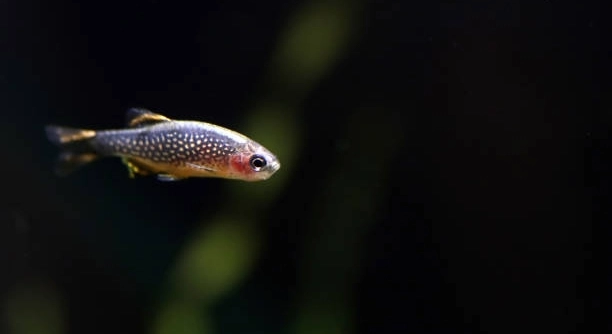
Do your Celestial Pearl Danios sometimes move in unusual ways while resting? These small, colorful fish are active swimmers, but their sleeping habits can occasionally surprise even experienced aquarists. Understanding their rest patterns is helpful for proper care.
Celestial Pearl Danios do not typically sleep upside down. These fish maintain a horizontal or slightly angled posture while resting. Observations indicate that unusual positions often result from stress, water quality issues, or illness rather than natural sleeping behavior.
Learning more about these behaviors can help ensure your fish remain healthy. Observing subtle signs will give insight into their comfort and environment.
Why Celestial Pearl Danios Might Appear Upside Down
Sometimes, Celestial Pearl Danios seem to float or rest at odd angles, making it look like they are sleeping upside down. In most cases, this behavior is not part of their natural sleeping pattern. Instead, it is usually caused by environmental stress, water conditions, or health issues. These fish are small and delicate, so even slight changes in temperature, pH, or ammonia levels can affect their swimming posture. Observing your tank regularly helps identify subtle changes before they become serious problems. It is also important to check for diseases such as swim bladder disorders, which can make a fish struggle to maintain proper orientation. Feeding practices can play a role too; overfeeding or low-quality food may lead to digestive issues that affect buoyancy. Maintaining consistent lighting and providing hiding spots can help fish feel secure while resting and reduce unusual positions in the water.
Regular observation is key to catching early signs of stress or illness. Small adjustments in care often correct odd sleeping behavior quickly.
Paying attention to water parameters, diet, and tank setup ensures Celestial Pearl Danios can rest naturally. Monitoring their posture provides insight into overall health and comfort.
Natural Sleeping Behavior of Celestial Pearl Danios
Celestial Pearl Danios usually rest in a horizontal or slightly angled position, often near plants or decorations that offer cover. They prefer low light conditions during rest periods, and activity decreases gradually as the tank darkens. Unlike some fish, they do not curl up or float upside down. Sleeping positions are subtle and may vary slightly among individuals, but horizontal alignment is consistent.
These fish are small and agile, making their sleeping habits easy to miss. They may stay motionless for a few minutes but remain alert to movement or changes around them.
Understanding these natural patterns allows for better tank management. Providing gentle water flow, adequate hiding spaces, and a calm environment encourages normal rest. Avoiding sudden changes in lighting or temperature reduces stress. Watching their daily behavior helps detect early signs of disease. If a fish starts floating oddly or struggling to maintain its posture, immediate attention is required. Routine tank maintenance, balanced feeding, and monitoring water quality all contribute to healthy sleeping habits. Healthy Celestial Pearl Danios will resume normal horizontal rest once environmental or dietary factors are corrected. Regular observation ensures these small fish stay active, comfortable, and display natural behaviors consistently in the aquarium.
Common Reasons for Upside-Down Swimming
Swim bladder issues are the most frequent reason a Celestial Pearl Danio may appear upside down. Overfeeding, poor diet, or sudden temperature changes can affect buoyancy. Stress from overcrowding or aggressive tank mates can also cause unusual swimming positions.
Swim bladder disorder affects the fish’s ability to maintain proper orientation. The swim bladder is an internal organ that regulates buoyancy. When it is inflamed, infected, or compressed due to constipation, the fish may float, sink, or tilt unnaturally. Poor water quality can aggravate these issues, making the problem worse. Regular feeding schedules with high-quality, fiber-rich food can reduce the risk. In some cases, fasting the fish for a day or two allows their digestive system to reset. Monitoring tank conditions and observing subtle changes in swimming behavior are essential to prevent further complications.
Behavioral stress can also lead to odd postures. Sudden environmental changes, aggressive tank mates, or overcrowding make fish feel unsafe. They may float near the surface or wedge themselves in corners. Proper tank setup with sufficient hiding spaces and calm water flow reduces stress significantly. Even slight disturbances, like loud noises or excessive handling, can trigger temporary upside-down swimming. Ensuring a consistent feeding routine, stable lighting, and appropriate group sizes encourages normal behavior. Observing each fish individually helps detect early signs of stress before it affects their health or orientation. Maintaining clean water and stable parameters allows them to recover quickly and resume natural swimming patterns.
Tank Conditions That Affect Swimming Posture
Water quality is crucial for Celestial Pearl Danios. High ammonia, nitrite, or nitrate levels can impair buoyancy and cause unusual swimming patterns. Temperature fluctuations also impact their stability and comfort.
Maintaining stable water parameters helps prevent stress-related posture changes. Regular testing for pH, ammonia, nitrite, and nitrate ensures the tank environment remains healthy. Sudden changes in temperature or light can startle fish, leading to temporary upside-down swimming. Adequate filtration, gentle water flow, and routine partial water changes reduce harmful chemical buildup. Overcrowding should be avoided, as it increases stress and competition, affecting behavior. Observing fish during feeding and rest periods provides insight into their comfort levels. Consistent care, appropriate tank size, and stable environmental conditions support normal swimming and resting positions, minimizing incidents of upside-down floating.
Diet-Related Causes
Overfeeding is a common factor that affects swimming posture. Celestial Pearl Danios have small stomachs, and too much food can cause bloating or constipation.
Low-quality food lacking fiber can also contribute to digestive issues. Providing balanced, portioned meals prevents swim bladder problems and keeps fish healthy.
Monitoring Feeding Habits
Feeding small amounts two to three times daily is ideal. Remove uneaten food promptly to avoid water contamination.
Consistent routines reduce stress and help maintain proper buoyancy. High-quality pellets or live food support digestion and overall health.
Stress and Environment
Stress can cause unusual swimming patterns. Loud noises, sudden movements, or aggressive tank mates may lead fish to tilt or float awkwardly.
Creating a calm environment with plants, hiding spots, and gentle water flow helps fish feel secure. Observing their behavior daily ensures early detection of stress and health issues.
Quick Adjustments
Small changes in water flow or hiding areas can restore normal swimming.
Maintaining clean water and reducing disturbances encourages Celestial Pearl Danios to resume natural postures.
Why is my Celestial Pearl Danio floating upside down?
Floating upside down is most often linked to swim bladder problems. Overfeeding, constipation, or sudden changes in water temperature can affect buoyancy. Stress from overcrowding or aggressive tank mates may also lead to temporary upside-down swimming. Observing your fish carefully helps identify the cause and determine whether it’s environmental or health-related.
Can stress really affect how my fish swims?
Yes, stress can significantly impact swimming behavior. Loud noises, sudden movements, and aggressive tank mates can make a Celestial Pearl Danio feel unsafe. When stressed, fish may float near the surface, wedge into corners, or tilt sideways. Providing plants, hiding spaces, and stable conditions helps reduce stress and encourages normal swimming.
How can I tell if it’s a swim bladder issue or something else?
Swim bladder disorders usually cause a fish to float, sink, or tilt at unusual angles consistently. Digestive issues, constipation, or bloating often accompany these symptoms. If posture returns to normal after fasting or dietary adjustments, it likely relates to digestion. Persistent upside-down swimming may require veterinary attention or a review of water parameters.
Does diet play a big role in upside-down swimming?
Yes, diet is critical. Overfeeding or low-quality food lacking fiber can cause digestive problems that affect buoyancy. Feeding small, balanced portions two to three times daily helps prevent constipation. Live or frozen food with adequate fiber supports healthy digestion and reduces swim bladder stress.
Can water quality affect swimming behavior?
Absolutely. High ammonia, nitrite, or nitrate levels, sudden temperature changes, or inconsistent pH can stress fish and affect posture. Regular water testing, routine partial water changes, and gentle filtration maintain a stable environment that supports normal swimming. Monitoring conditions daily helps catch early signs of stress.
How long does it take for a fish to recover from swim bladder issues?
Recovery depends on the cause. Minor constipation or bloating can resolve within a day or two if feeding is adjusted. Stress-induced posture changes may improve within hours once the environment stabilizes. Persistent issues from infection or internal injury can take longer and may require treatment or veterinary care.
Should I isolate a fish that is swimming upside down?
Isolation is not always necessary but can help if the fish is stressed by tank mates. Quarantining allows monitoring, easier treatment, and prevents potential aggression. Ensure the isolation tank has stable water conditions, hiding spots, and a calm environment to support recovery.
Are some fish more prone to upside-down swimming than others?
Smaller, delicate species like Celestial Pearl Danios are more sensitive to changes in water quality, diet, and stress. They can show posture changes more quickly than hardier fish. Maintaining consistent conditions and monitoring behavior regularly reduces the risk of unusual swimming patterns.
Can temperature changes trigger upside-down swimming?
Yes, sudden shifts in water temperature can affect buoyancy and stress levels. Celestial Pearl Danios thrive in stable temperatures between 22–26°C (72–79°F). Rapid increases or drops may cause temporary upside-down swimming, sluggishness, or hiding behavior until the water stabilizes.
What preventive measures can I take to avoid upside-down swimming?
Feeding small, balanced portions, maintaining stable water conditions, providing hiding spots, and avoiding overcrowding are key. Regular tank observation and testing help catch subtle issues early. Keeping a consistent routine reduces stress and supports proper digestion, allowing Celestial Pearl Danios to maintain normal swimming posture consistently.
Is it normal for Celestial Pearl Danios to tilt occasionally while resting?
Minor tilting can occur during brief rest periods, especially near plants or decorations. This is normal as long as it is occasional and the fish quickly returns to a horizontal position. Persistent tilting or upside-down floating indicates stress, digestive issues, or water problems that require attention.
Can medications help with upside-down swimming?
Medications can help if swim bladder issues are caused by bacterial infections or parasites. Always diagnose the problem before treatment. Over-the-counter remedies for digestive or internal issues may assist recovery, but improving water quality and adjusting diet is often sufficient for minor cases.
How can I monitor my fish to catch problems early?
Observe swimming patterns daily, especially after feeding or changes in tank conditions. Look for unusual angles, floating, or sinking. Check water quality regularly and note any behavioral changes. Early detection allows prompt adjustments, reducing stress and preventing long-term health problems.
Are there signs that indicate serious health concerns?
Persistent upside-down swimming, loss of appetite, rapid gill movement, or unusual spots can indicate serious issues. Swim bladder disorder is sometimes accompanied by bacterial or parasitic infections. If symptoms continue despite correcting diet and water quality, professional care is recommended to ensure recovery and long-term health.
Can tank decorations influence sleeping or swimming posture?
Yes, plants, rocks, and hiding spaces provide security and reduce stress. A well-structured tank encourages normal swimming and resting positions. Sparse or overly crowded setups can cause fish to float awkwardly or wedge themselves in corners. Balancing open swimming areas with secure hiding spots supports healthy posture.
Do group sizes matter for Celestial Pearl Danios?
They are schooling fish and feel more secure in groups of six or more. Isolation or very small groups can increase stress and lead to unusual swimming. Maintaining appropriate group sizes ensures social behavior and reduces incidents of tilt or upside-down swimming caused by anxiety or insecurity.
Can I correct upside-down swimming at home without medications?
Yes, often minor cases resolve by adjusting diet, water quality, or stress factors. Fasting for a day, feeding fiber-rich food, stabilizing temperature, and reducing disturbances frequently restores normal posture. Observing the fish carefully ensures changes are effective and prevents recurrence.
How long should I observe a fish before seeking professional help?
If unusual swimming persists for more than a day or two despite correcting water quality, diet, and environmental factors, professional assessment is recommended. Quick intervention prevents complications and improves recovery outcomes. Daily observation helps track progress and identify early warning signs.
Does lighting affect swimming posture?
Sudden changes in light can startle fish, leading to temporary upside-down swimming or erratic movements. Gradual transitions and consistent day-night cycles promote normal behavior and resting positions. Avoid sudden bright lights or frequent interruptions in the light schedule to maintain stability.
Are there specific signs that indicate recovery?
Improved horizontal swimming, resuming regular feeding, and reduced hiding indicate recovery. The fish should regain normal buoyancy and posture. Continued observation ensures the issue does not return and confirms that environmental or dietary adjustments were effective.
Observing your Celestial Pearl Danios closely provides valuable insight into their health and behavior. These small, delicate fish display subtle cues that indicate comfort, stress, or illness. Upside-down swimming is rarely a normal behavior for them and usually signals an underlying issue. By paying attention to posture, activity levels, and feeding patterns, you can quickly notice when something is off. Often, minor adjustments in water quality, tank setup, or feeding routines are enough to correct the problem. Fish rely on a stable environment to maintain buoyancy and proper swimming, so even small changes can make a significant difference. Maintaining consistent conditions and monitoring their behavior helps prevent issues before they escalate, ensuring your fish remain healthy and active.
Proper tank maintenance plays a central role in preventing unusual swimming behavior. Regular water testing for pH, ammonia, nitrite, and nitrate is essential, as elevated levels can stress fish and affect buoyancy. Temperature stability is equally important, as rapid fluctuations may trigger temporary upside-down swimming. Providing a balanced diet and avoiding overfeeding supports digestion and reduces the risk of swim bladder problems. Observing how your fish interact with their environment and each other also gives insight into their well-being. Stress caused by overcrowding, aggressive tank mates, or sudden disturbances can lead to temporary odd postures. Adding hiding spots, gentle water flow, and maintaining a calm tank environment encourages natural swimming patterns and restful behavior.
Understanding the factors that affect Celestial Pearl Danios’ swimming posture allows you to take proactive steps to maintain their health. Consistent care, a clean and stable tank, and attention to diet and stress levels help prevent most issues related to upside-down swimming. When problems do occur, identifying the cause early and making appropriate adjustments can resolve them quickly. Observing subtle behavioral changes is key, as these small signals often indicate how the fish are coping with their environment. With careful attention to these details, Celestial Pearl Danios can thrive in your aquarium, displaying natural, horizontal swimming and restful behavior. Regular monitoring, balanced care, and prompt action when needed ensure your fish enjoy a healthy and comfortable life.

Hello,
If you enjoy the content that we create, please consider saying a "Thank You!" by leaving a tip.
Every little bit helps us continue crafting quality advice that supports the health, happiness, and well-being of pets around the world, for pets of all shapes, sizes, and species.
We really appreciate the kindness and support that you show us!