
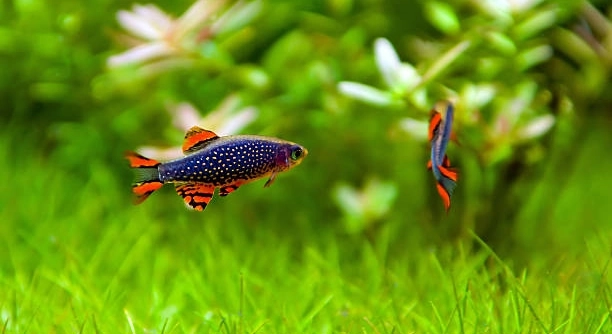
Danios are lively and social fish that thrive in well-maintained aquariums. Observing their behavior can help you identify stress before it becomes serious. Noticing subtle changes in movement or interaction is key to keeping them healthy and happy.
Social stress in danios often manifests through aggression, hiding, reduced feeding, or erratic swimming. Recognizing these behaviors early is essential, as prolonged stress can affect growth, immunity, and overall well-being, making timely intervention critical for their welfare.
Understanding these signs can improve your fishkeeping practices and ensure your danios lead a balanced, stress-free life in their aquatic environment.
Aggression Among Tank Mates
Aggression in danios is one of the first signs of social stress. You may notice chasing, nipping, or sudden bursts of speed toward other fish. This behavior is often more visible during feeding times or when new tank mates are introduced. Stress can make even typically peaceful danios act unpredictably, and the frequency or intensity of these behaviors can vary. Overcrowding or lack of hiding spots can amplify tension, causing dominant fish to assert control. Observing the tank regularly helps catch these signs early. Adjusting the number of fish or rearranging decor can reduce confrontations and make the environment calmer. Stress-induced aggression not only affects social dynamics but can lead to injuries or long-term health issues. Small interventions, such as adding plants or floating decorations, create territories and lessen direct competition. Understanding these behaviors ensures you maintain a harmonious and healthy aquarium.
Aggression often escalates when the tank is overcrowded or lacks hiding spaces. Small adjustments can reduce stress quickly.
Proper observation is crucial to understanding when aggression stems from social stress rather than normal hierarchy behavior. Noticing repeated chasing or fin damage signals an environment that may be too crowded or lacking shelter. Even minor changes in behavior, such as darting suddenly or avoiding certain areas, can indicate underlying tension. Rearranging tank layout or introducing visual barriers can help fish establish safer territories. Monitoring interactions daily allows you to intervene before injuries occur. Creating calm conditions benefits not only the stressed individuals but the entire group.
Hiding and Withdrawal
Hiding is a common stress response in danios. Fish may spend hours in corners, behind decorations, or under plants, avoiding interaction.
Persistent hiding can lead to reduced feeding and weakened immune systems. Stress relief requires creating a balanced tank environment and reducing triggers.
When danios withdraw, it often signals that social dynamics are causing discomfort. Stress from dominant fish or aggressive interactions can force others into constant concealment. Limited space, sudden introductions of new fish, or environmental changes may also contribute. Hiding reduces visibility but increases vulnerability if ignored. It can interfere with regular feeding patterns, slowing growth and weakening overall health. Providing sufficient space, adding plants, or rearranging decorations creates secure areas for retreat. Observing which fish hide most frequently helps identify the individuals under stress. Consistent patterns of withdrawal indicate a need for environmental adjustments. Ensuring calm, balanced conditions supports recovery and reduces the likelihood of chronic stress, benefiting all tank residents.
Erratic Swimming
Erratic swimming is a clear sign of stress in danios. Fish may dart quickly, swim in circles, or bump into tank walls. These sudden movements often indicate anxiety caused by social pressure or environmental changes, requiring prompt observation and intervention.
Erratic movements in danios can stem from multiple stressors. Overcrowding, aggressive tank mates, or sudden changes in water parameters can trigger nervous, unpredictable swimming. Even slight disruptions, like moving decorations or introducing new fish, can cause panic. Monitoring their behavior closely helps pinpoint the cause and guide adjustments. Providing hiding spots, maintaining stable water conditions, and ensuring a calm environment reduce anxiety and allow danios to regain normal swimming patterns.
Long-term erratic swimming can affect health and social behavior. Constant stress may weaken immunity and make fish more susceptible to disease. Addressing environmental factors promptly, such as adjusting population density or enhancing tank structure, promotes recovery. Observing which fish show repeated erratic swimming helps identify stressed individuals. Maintaining consistent feeding routines, water quality, and tank conditions further reduces tension. Awareness of subtle behavioral changes ensures stress does not escalate, supporting both physical health and social stability among danios.
Loss of Appetite
Loss of appetite is often an early indicator of social stress. Danios may ignore food or eat less than usual, signaling discomfort or tension in the tank.
Stress affects feeding behavior by disrupting digestion and energy levels. Even minor stressors, like new tank mates or territorial disputes, can make fish avoid eating. Consistent monitoring helps identify issues quickly and prevent long-term health decline.
Reduced appetite can lead to slower growth and weaker immunity. Fish under social stress may hide during feeding, avoiding competition and creating nutritional gaps. Over time, this affects energy levels and overall well-being. Adjusting the tank environment, reducing aggression, and ensuring calm feeding times help encourage eating. Observing feeding patterns daily allows identification of individuals most affected. Providing multiple feeding spots and balancing population density also supports stressed fish, helping them regain healthy appetite and reducing social tension.
Color Fading
Color fading is a noticeable sign of stress in danios. Fish may appear duller, losing the vibrancy they usually display. Social tension or environmental changes often trigger this response, signaling discomfort.
Fading can indicate prolonged stress or illness. Stress suppresses natural pigmentation, and persistent dullness may affect social interactions. Regular observation of color changes helps identify individuals under pressure and allows timely adjustments to improve their environment.
Gill Clamping
Gill clamping occurs when danios hold their gills tightly against their bodies. This behavior is usually a response to stress, poor water quality, or aggression from tank mates.
Persistent gill clamping reduces oxygen intake, affecting overall health. Maintaining clean water, proper aeration, and a calm tank environment helps stressed fish recover normal breathing patterns and supports long-term well-being.
Frequent Hiding
Danios may hide more than usual when stressed, avoiding open areas and interaction. This behavior is often triggered by dominant tank mates or sudden changes in the aquarium setup.
Hiding reduces activity and feeding opportunities. Providing secure spots and monitoring interactions ensures fish regain confidence and balance within their environment.
FAQ
How can I tell if my danios are stressed?
Signs of stress in danios include aggression, hiding, erratic swimming, loss of appetite, color fading, gill clamping, and lethargy. Observing daily behaviors helps identify changes early. Even small shifts, like reduced activity or sudden hiding, can indicate social tension or environmental discomfort.
What causes social stress in danios?
Social stress often arises from overcrowding, incompatible tank mates, or sudden changes in the aquarium. Dominant fish may chase or intimidate others, causing tension. Limited hiding spaces, abrupt rearrangements, and inconsistent feeding routines can also contribute to stress. Maintaining stable conditions reduces these risks.
Can stress affect my fish’s health long-term?
Yes. Prolonged stress weakens immunity, slows growth, and can make fish more susceptible to disease. Stress also affects behavior, making danios more aggressive or withdrawn. Promptly addressing the underlying causes supports recovery and prevents long-term health problems.
How can I reduce aggression among danios?
Providing adequate space and hiding spots helps fish establish territories and reduces conflicts. Avoid sudden introductions of new fish and monitor interactions closely. Rearranging decorations occasionally can break up aggressive patterns and balance social dynamics.
Why do my danios hide so much?
Frequent hiding is often a response to dominant fish or environmental changes. Stress makes fish seek shelter to avoid confrontation. Ensuring secure areas and sufficient plants or decorations allows stressed individuals to retreat safely and regain confidence.
What should I do if my danios stop eating?
Loss of appetite often signals stress or illness. Observe the tank for aggression, overcrowding, or sudden changes. Feeding in multiple spots and providing a calm environment encourages eating. Gradually, normal feeding routines should resume once stressors are addressed.
How do water conditions affect stress levels?
Poor water quality, such as high ammonia, nitrite, or fluctuating temperatures, increases stress. Regular testing, water changes, and proper filtration maintain stable conditions. A clean, well-maintained tank supports both physical health and calmer social interactions.
Can tank layout impact social stress?
Yes. Lack of hiding spaces or open, featureless areas can heighten tension. Adding plants, rocks, or decorations creates territories and visual barriers, reducing stress. Observing how fish use these spaces helps refine the tank setup for a balanced environment.
Are some danios more prone to stress than others?
Individual fish may react differently based on temperament or social ranking. Some are naturally more submissive and may experience higher stress in crowded or aggressive groups. Identifying sensitive fish allows targeted interventions, like separating or providing extra shelter.
How quickly can stressed danios recover?
Recovery depends on the severity of stress and environmental improvements. Minor stress may resolve within days after adjustments, while prolonged tension or illness may take weeks. Consistent care, stable conditions, and monitoring feeding and behavior support a full recovery.
Is it normal for danios to display erratic swimming occasionally?
Occasional bursts of speed or darting are normal, but persistent erratic swimming indicates stress. Factors include overcrowding, aggression, or sudden environmental changes. Reducing stressors and providing a stable, comfortable tank encourages regular swimming patterns and overall well-being.
How often should I check for signs of social stress?
Daily observation is ideal. Monitoring interactions, feeding behavior, color, and movement helps catch stress early. Keeping notes of any changes can identify patterns and guide interventions before issues escalate.
Can stress in one fish affect the whole group?
Yes. Aggressive or dominant behavior can trigger stress in others, affecting feeding, growth, and social dynamics. Addressing the stressed individuals and overall tank environment ensures all fish remain healthy and balanced.
What are the best ways to prevent stress in danios?
Maintain stable water conditions, provide adequate space and hiding spots, avoid overcrowding, and monitor behavior closely. Gradual introductions of new fish and consistent feeding routines help create a calm, stress-free environment for all danios.
When should I consult a specialist?
If stress signs persist despite environmental adjustments, or if fish show illness, injury, or prolonged hiding, seeking advice from an aquatic veterinarian or experienced fishkeeper is recommended. Early intervention prevents long-term health problems and ensures proper care.
Danios are active, social fish that thrive in well-maintained aquariums. Observing their behavior closely can reveal early signs of social stress, which is important for keeping them healthy and happy. Stress often shows through changes in movement, interaction, or feeding habits. Aggression, hiding, erratic swimming, and loss of appetite are common indicators that the social dynamics in the tank are affecting the fish. Even subtle behaviors, like faded coloration or clamped gills, can signal that the fish are uncomfortable or anxious. Paying attention to these signs allows you to make adjustments before the stress has long-term effects on their health. Regular observation and a consistent routine are key elements in preventing and managing stress among danios.
Maintaining a calm and balanced environment is essential for their overall well-being. Providing enough space, hiding spots, and visual barriers reduces tension among tank mates and allows each fish to feel secure. Overcrowding or sudden changes in the tank setup can easily trigger stress, so it’s important to make any adjustments gradually. Feeding routines also play a role in social harmony. Ensuring that all fish have access to food without competition reduces stress-related behaviors. Additionally, keeping water parameters stable, such as temperature, pH, and cleanliness, supports both physical health and social stability. These measures help danios recover from stress more quickly and prevent long-term problems.
Understanding and responding to signs of stress ensures a healthier, more balanced aquarium. Even small interventions, like rearranging decorations or providing additional plants, can make a noticeable difference in reducing tension among fish. Observing how individual fish behave in response to tank mates and the environment allows you to identify those most affected and take action. Maintaining a calm, consistent, and well-structured tank supports natural behavior and promotes growth, immunity, and social balance. Prioritizing these factors benefits both the individual fish and the group as a whole, creating an environment where danios can thrive without unnecessary stress.

Hello,
If you enjoy the content that we create, please consider saying a "Thank You!" by leaving a tip.
Every little bit helps us continue crafting quality advice that supports the health, happiness, and well-being of pets around the world, for pets of all shapes, sizes, and species.
We really appreciate the kindness and support that you show us!