
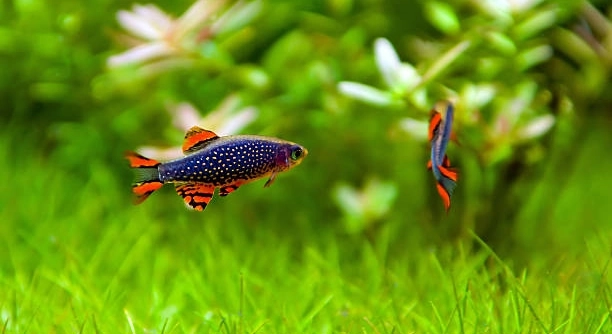
Many aquarium enthusiasts enjoy keeping Celestial Pearl Danios because of their bright colors and small size. Watching them swim gracefully in a well-planted tank can be relaxing and rewarding, especially when you notice new behaviors developing.
Celestial Pearl Danios typically show breeding readiness through specific behaviors and physical changes. Signs include color intensification, frequent pairing, fin displays, chasing patterns, and preparing secluded spawning areas, all of which indicate sexual maturity and readiness to reproduce.
Observing these behaviors closely will help you prepare the right environment and conditions to encourage successful breeding in your aquarium.
Increased Color and Vibrancy
When Celestial Pearl Danios are ready to breed, their colors often become brighter and more pronounced. Males usually display vivid blue and orange spots, while females appear slightly rounder and paler in comparison. These changes are subtle at first but become more noticeable as the fish prepare for spawning. The intensity of their colors can also depend on water quality, temperature, and diet. Providing a stable environment with plenty of hiding spots and plants encourages natural behavior. Watching these shifts in appearance is rewarding because it shows the fish are healthy and mature. Often, the males will start showing off their brightest patterns to attract females, swimming more actively and frequently around the tank. This behavior signals that they are ready to mate. Ensuring consistent feeding with high-quality food and maintaining clean water conditions will help the fish maintain their vibrant colors and overall well-being.
Color changes are one of the earliest and most reliable signs of breeding readiness.
Observing these color shifts can also help identify which individuals are likely to pair up. Males displaying stronger colors are usually more dominant and confident, chasing away rivals and attempting to impress females. Females with a fuller body shape may be ready to release eggs. Recognizing these changes early allows for proper tank adjustments, such as separating a pair for spawning or adding spawning mops. Creating a calm and structured environment reduces stress, making the fish more likely to engage in natural breeding behavior. In addition, monitoring temperature and lighting helps mimic natural conditions, further encouraging spawning. Paying attention to both male and female changes ensures successful pairing and increases the chance of a healthy brood.
Frequent Pairing and Chasing
Celestial Pearl Danios that are ready to breed spend more time together, often swimming in pairs and chasing each other.
This behavior helps establish bonds and stimulates natural spawning instincts, making the fish more likely to reproduce.
Pairing and chasing are key behaviors that signal readiness for reproduction. Males often pursue females around the tank, nudging them gently or flaring fins to attract attention. These interactions are not aggressive but rather a part of courtship. Observing them closely can reveal which fish are compatible and likely to spawn successfully. Sometimes, multiple males may chase a single female, leading to short bursts of activity followed by rest periods. Providing plants, small caves, or spawning mops gives the fish areas to interact safely while encouraging natural behavior. Maintaining stable water conditions, regular feeding, and minimal disturbances increases the chances of successful breeding. By recognizing these pairing patterns, you can prepare the tank appropriately and anticipate when spawning is most likely to occur, improving overall breeding outcomes.
Fin Display and Body Movements
Males often flare their fins and make subtle body movements to attract females. These displays are a natural part of courtship and indicate that they are actively seeking to mate. Observing these behaviors helps identify readiness for spawning.
Flaring fins and body movements are critical indicators of breeding readiness. Males will position themselves near females, often shaking their bodies gently or circling in small patterns. These displays serve to impress and signal health and vitality. Females may respond by staying close, allowing the pair to synchronize movements. The intensity and frequency of these actions tend to increase as breeding time approaches. Such behavior is more apparent in a calm tank with sufficient hiding spots and plants, reducing stress and encouraging natural interactions. Recognizing these cues allows for timely preparation of spawning areas, ensuring a better chance of success.
These movements also help the pair establish dominance and compatibility. Male displays can influence which females respond positively, and females may use these signals to choose the most fit partner. Watching for consistent patterns over several days can reveal genuine readiness, as opposed to brief, random displays. By understanding these signs, it becomes easier to adjust the tank environment, provide optimal feeding, and create conditions favorable for egg-laying. Supporting these natural behaviors contributes to healthier, more successful breeding outcomes in Celestial Pearl Danios.
Preparing Spawning Areas
Providing plants, mops, or secluded corners gives the fish a safe space to lay eggs. These areas are essential for reducing stress and encouraging natural breeding behavior.
A proper spawning area increases the chances of successful reproduction. Dense plants, fine-leaved moss, or spawning mops mimic natural habitats, allowing females to deposit eggs safely while males fertilize them. The fish feel secure, which reduces aggression and prevents eggs from being eaten prematurely. Positioning these areas in quiet parts of the tank encourages the pair to focus on breeding instead of exploring or hiding. Lighting should be gentle, and water conditions stable to simulate natural conditions. Consistent feeding of protein-rich foods enhances energy levels and overall readiness. Over time, the fish learn to recognize these zones as safe spawning spots, increasing the likelihood of frequent and successful egg-laying events. Monitoring the area ensures eggs remain undisturbed, giving fry a higher survival rate.
Chasing and Courtship
Males will chase females around the tank more frequently as part of courtship. This behavior helps stimulate spawning and allows the pair to synchronize movements for egg-laying.
Chasing is a natural part of breeding. Males may follow females closely, nudging or circling them repeatedly. This encourages the female to prepare for egg release while showing the male’s fitness. Watching these interactions helps identify active pairs ready to spawn.
Egg Laying
Females will begin depositing eggs in plants, moss, or spawning mops once they feel secure. This stage indicates actual breeding is underway. Observing the tank carefully ensures eggs are not disturbed and increases survival rates for the fry.
Male Fertilization
Males fertilize eggs immediately after the female lays them. This process is fast and requires the pair to stay close together. Fertilization success depends on timing, tank conditions, and minimal stress to both fish.
Protecting the Eggs
Eggs are delicate and vulnerable to being eaten by adults. Separating eggs or providing dense cover increases survival and gives fry a better chance to develop safely.
How long does it take for Celestial Pearl Danio eggs to hatch?
Eggs usually hatch within 2 to 3 days if water conditions are stable. Temperature plays a major role; warmer water around 78–80°F accelerates hatching, while cooler water slows the process. It’s important to maintain clean, oxygen-rich water to prevent fungal infections, which can damage eggs before they hatch.
Do adult Celestial Pearl Danios eat their eggs?
Yes, adults can eat eggs if left in the main tank. They do this instinctively, not out of aggression. Using a spawning mop or separating eggs into a breeding tank helps prevent this and improves survival rates. Dense plants or moss also give eggs a safer place to develop.
How many eggs can a female lay at once?
A healthy female can lay between 20 and 50 eggs per spawning session. Factors like age, diet, and tank conditions influence the number. Younger females tend to produce fewer eggs, while older, well-fed females may lay more. Repeated spawning within a short period can reduce the total number per batch.
What is the best temperature for breeding?
The ideal temperature is generally 78–80°F. Stable temperature encourages active behavior, vibrant colors, and readiness to spawn. Sudden changes can stress the fish, slow breeding, or even harm eggs. Using a reliable heater and thermometer ensures the tank stays consistent.
How should I feed the pair before spawning?
High-quality, protein-rich foods such as live or frozen daphnia, brine shrimp, or micro worms help prepare the fish for breeding. Feeding small amounts multiple times a day increases energy levels and improves egg quality. A well-fed pair is more likely to spawn successfully and produce viable eggs.
Do I need a separate breeding tank?
A separate breeding tank is helpful but not required if the main tank has dense plants and spawning mops. A dedicated tank allows easier protection of eggs and fry, reduces stress from other fish, and gives more control over water conditions. Many hobbyists find this improves survival rates.
How long do fry take to swim freely?
Fry usually start swimming freely 4–5 days after hatching. Initially, they remain attached to the yolk sac for nourishment. During this stage, water quality and gentle filtration are crucial. Once free-swimming, they can begin eating tiny foods like infusoria or powdered fry food.
How often will the pair spawn?
Pairs can spawn every few days under optimal conditions. However, repeated spawning can be stressful if water quality or food supply is poor. Giving the female time to recover and maintaining consistent feeding helps keep both adults healthy and improves egg viability.
How can I prevent fungal infections on the eggs?
Adding a few drops of methylene blue to the breeding tank helps prevent fungus. Removing dead or unfertilized eggs promptly also reduces the risk. Clean water, gentle filtration, and minimal disturbance are essential for healthy development.
When should I move the fry to a larger tank?
Once fry reach about 1–1.5 cm and can eat regular micro foods, they can be transferred. Moving them too early can increase stress and mortality. Ensure the new tank has gentle filtration, plenty of plants, and stable water parameters to support growth.
Can I keep multiple pairs in one tank for breeding?
Multiple pairs can breed in the same tank if space and hiding spots are abundant. However, this increases the chance of eggs being eaten. Dense planting and spawning mops can help, but separating pairs often gives higher survival rates and less stress for adults.
What signs indicate fry are healthy?
Healthy fry are active, swimming freely, and feeding eagerly once they leave the yolk sac. They grow steadily and develop color patterns within a few weeks. Lethargy, poor swimming, or fading color may indicate stress, poor water quality, or inadequate nutrition.
How long until fry show adult coloration?
Fry begin to show adult-like spots and color patterns around 2–3 months of age. Growth and coloration depend on diet, water quality, and tank conditions. Consistent care helps ensure vibrant colors develop properly, making them easier to identify as males or females.
Can I breed Celestial Pearl Danios year-round?
Yes, they can breed year-round if tank conditions, temperature, and diet remain stable. Seasonal changes are less important in a controlled aquarium. Consistency in care and providing proper spawning conditions encourages frequent breeding without causing stress to the adults.
What is the survival rate of eggs and fry?
Survival rates vary depending on tank setup, protection of eggs, and water quality. With careful management, including separating eggs, providing dense plants, and maintaining clean water, survival rates can be significantly improved. Unprotected eggs in a community tank often have much lower survival.
Breeding Celestial Pearl Danios can be a rewarding experience if you understand their needs and behaviors. Observing signs like color intensification, frequent pairing, fin displays, chasing, and preparation of spawning areas helps identify when your fish are ready to reproduce. Each of these behaviors reflects natural instincts and maturity, giving you clues about the best time to encourage spawning. By paying close attention to these subtle cues, you can provide the right conditions for successful breeding without causing stress or harming the fish. Maintaining clean water, stable temperatures, and a consistent feeding routine are essential to support both the adults and their developing eggs. Small adjustments in tank setup, such as adding plants, spawning mops, or secluded corners, can make a big difference in the comfort and safety of the fish, allowing them to focus on natural breeding behaviors rather than reacting to stress or environmental disturbances.
It is important to be patient and methodical when breeding Celestial Pearl Danios. While they may show multiple signs of readiness, not all pairs will spawn immediately or consistently. Some behaviors, like chasing or fin displays, may last for several days before actual egg-laying occurs. Observing the fish over time helps you distinguish between routine activity and genuine breeding behavior. Preparing the environment in advance, such as providing suitable hiding spots for eggs or fry, ensures higher survival rates and lessens the need for intervention later. Additionally, feeding high-quality, protein-rich foods before and during breeding periods improves energy levels and egg quality. Proper nutrition and stable water conditions contribute to healthy adults and fry, making the breeding process smoother and more predictable. Watching the pair interact and recognizing patterns gives you insight into which individuals are compatible and most likely to produce viable eggs.
Taking care of eggs and fry is equally important to ensure successful outcomes. Eggs are fragile and may be eaten by adults if left unprotected, so creating safe spawning areas or separating eggs into a dedicated breeding tank increases survival chances. Once hatched, fry require gentle care, such as small, frequent feedings and careful monitoring of water quality. Observing their growth and development over the first few weeks helps detect problems early, allowing you to address any issues before they become serious. Consistency in temperature, feeding, and tank maintenance ensures that fry grow steadily and develop adult coloration naturally. While breeding Celestial Pearl Danios requires attention and patience, following these basic practices creates a healthy environment for both adults and offspring. With careful observation, proper preparation, and steady care, you can enjoy watching your fish thrive and successfully reproduce, making the experience both manageable and satisfying.

Hello,
If you enjoy the content that we create, please consider saying a "Thank You!" by leaving a tip.
Every little bit helps us continue crafting quality advice that supports the health, happiness, and well-being of pets around the world, for pets of all shapes, sizes, and species.
We really appreciate the kindness and support that you show us!