
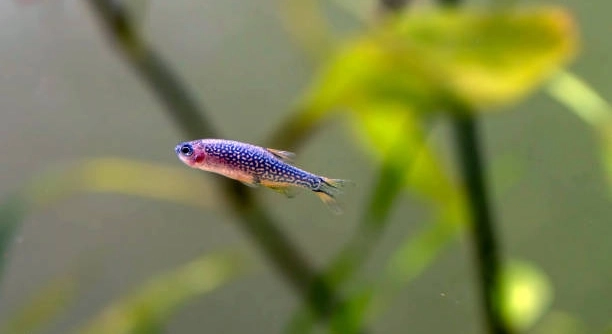
Raising danio fry can be both exciting and challenging, especially when preparing them for life in the main tank. Ensuring their survival requires careful attention to feeding, water conditions, and gradual acclimation to their new environment.
Proper preparation of danio fry for the main tank involves a structured approach including consistent feeding with suitable live or prepared foods, monitoring water parameters to match the main tank, and gradually introducing fry to the adult fish environment to minimize stress and mortality.
Following these steps will help your fry grow healthy and adapt successfully, making the transition to the main tank smoother and less risky.
Choosing the Right Foods for Danio Fry
Feeding danio fry the right foods is essential for their growth and survival. In the first few days, they benefit from infusoria or liquid fry food that is easy to digest. As they grow, finely crushed flakes or specialized fry powders can be introduced. Frequent, small feedings are better than large meals, as fry have tiny stomachs and digest slowly. Rotifers and newly hatched brine shrimp are excellent live options that promote healthy development. Maintaining water quality during feeding is critical, so avoid overfeeding and remove uneaten food promptly. Gradually, the fry can be offered a variety of foods to ensure balanced nutrition and optimal growth. Observing their behavior during feeding helps identify which foods they accept most readily, ensuring they receive enough energy for strong development. Consistency and careful monitoring make a noticeable difference in their overall health and survival rate.
Using the right foods helps fry grow steadily and reduces the risk of stunted growth or illness.
Balanced feeding with careful portioning promotes stronger fry that are ready for life in the main tank.
Acclimating Fry to the Main Tank
Acclimating fry requires a slow, careful process. Sudden changes in water temperature, pH, or hardness can stress them severely. Begin by placing fry in a small container within the main tank, allowing them to experience gradual environmental changes. Slowly add small amounts of main tank water over several hours to help them adjust to new conditions. Monitor the fry closely for signs of stress or unusual behavior during this period. Proper acclimation prevents shock and improves survival rates. Once acclimated, fry can be released fully into the main tank, with continued attention to feeding and hiding places to ensure they feel secure.
Gradual acclimation minimizes stress and helps fry adapt successfully to their new environment.
Acclimation is more than simply moving fry to a larger tank. It involves controlling water parameters, timing, and careful observation. Temperature differences should be minimized, ideally within one or two degrees of their original tank. The gradual introduction of water allows fry to adjust to pH, mineral content, and other factors slowly, preventing shock. Hiding places in the main tank are crucial to reduce exposure to adult fish and establish a sense of safety. The process requires patience and consistency, but it significantly increases the chance of survival. By controlling the pace and monitoring behavior, the fry can integrate naturally, learn feeding routines, and develop confidence in their surroundings, preparing them for a stable life among older fish.
Maintaining Water Quality
Keeping water clean is essential for danio fry survival. Frequent water changes and careful monitoring of ammonia, nitrite, and nitrate levels prevent stress and disease. Small, regular water adjustments are better than large changes, which can shock the fry and stunt their growth.
Regular water testing ensures that all parameters remain stable. Using a sponge filter helps maintain gentle circulation without harming delicate fry. Remove uneaten food and debris daily to prevent toxins from building up. Temperature should remain consistent, ideally matching the conditions the fry were raised in, and pH should be stable. Consistent observation of fry behavior can signal water issues early, allowing for quick adjustments and a healthier environment. Clean water supports proper digestion, growth, and immune system development in young fish.
Keeping the tank clean also means observing the tank for overgrowth of algae or sudden changes. Algae can provide shelter, but excessive growth reduces oxygen and can change water chemistry. Controlling algae and maintaining filtration ensures a balanced environment. Additionally, avoid introducing chemicals or medications unnecessarily, as fry are sensitive to additives. By creating a stable, clean habitat, fry adapt more confidently to the main tank, reducing mortality and promoting healthy development. Proper water management is a cornerstone of successful danio fry care.
Providing Safe Hiding Places
Fry need secure hiding spots to reduce stress from adult fish. Plants, small decorations, or floating moss provide refuge and allow fry to explore safely. Dense areas give them confidence and reduce aggressive encounters.
Providing safe spots helps fry feed without fear. Even in a well-maintained tank, adult danios may chase smaller fish. Strategically placed plants or artificial shelters create micro-habitats that fry can retreat to when threatened. Using floating plants also helps regulate light and provides cover. Observing fry interactions shows which areas are preferred, allowing adjustments for maximum safety. Fry that feel secure grow more steadily and are more active during feeding periods, improving overall survival.
Consistent access to hiding places also supports natural behavior development. Fry learn to navigate their environment and develop instincts for feeding and avoiding threats. Plants and decorations should be arranged so that fry can move freely while still accessing cover quickly. Rotating or adjusting hiding spots occasionally prevents boredom and encourages exploration, which strengthens their physical development. The presence of safe zones reduces stress hormones, improves immune response, and ensures fry integrate more smoothly when fully released into the main tank.
Gradual Introduction to Tankmates
Introducing fry to adult fish should be done slowly. Sudden exposure can stress fry and lead to injury or death. Use a divider or small container within the tank to separate fry while allowing them to observe the adults.
Observe interactions closely during this period. Ensure adult fish are not overly aggressive, and adjust hiding places if necessary. Gradual exposure helps fry build confidence and reduces fear when they are fully integrated.
Monitoring Growth and Development
Tracking fry growth ensures they are receiving proper nutrition and care. Measure size regularly and note physical changes, including coloration and fin development. Early detection of slow growth or deformities allows adjustments in feeding, water conditions, or environmental enrichment. Consistency in care promotes healthy maturation and prevents long-term health issues.
Avoiding Overcrowding
Overcrowding can stunt growth and increase aggression. Ensure the tank has enough space and hiding spots for all fry to move freely and develop naturally.
FAQ
How often should I feed danio fry?
Danio fry need frequent, small meals to grow properly. In the first week, feed them four to six times daily with liquid fry food or infusoria. As they get older, you can reduce feedings to three times daily and introduce finely crushed flakes or specialized fry food. Overfeeding can harm water quality, so remove uneaten food promptly. Regular, consistent feeding ensures steady growth and healthy development.
What type of live food is best for fry?
Newly hatched brine shrimp and rotifers are excellent live foods for fry. They are small enough for fry to eat easily and rich in nutrients that promote strong growth. These live foods encourage natural hunting behavior and improve survival rates. As fry grow, you can gradually introduce microworms or finely crushed high-quality flakes to diversify their diet and ensure balanced nutrition.
How do I acclimate fry to the main tank?
Acclimation should be gradual to prevent shock. Place fry in a small container inside the main tank and slowly add small amounts of main tank water over several hours. Monitor their behavior during this process and ensure the temperature and water parameters match closely. Once the fry are comfortable and show normal swimming, they can be fully released into the main tank. Providing hiding spots helps them adjust safely and reduces stress from adult fish.
How important is water quality for fry?
Water quality is critical for fry survival. Ammonia, nitrite, and nitrate levels should be monitored regularly, and small, frequent water changes are better than large changes. Using a gentle sponge filter prevents fry from being sucked in while maintaining circulation. Clean water reduces disease risk, supports healthy digestion, and allows fry to grow without stress. Observing their behavior helps detect any issues early.
What hiding places should I provide?
Fry need secure areas to reduce stress and avoid aggression from adult fish. Floating moss, small plants, and decorations create safe zones. These hiding spots allow fry to feed confidently and explore the tank without fear. Arranging multiple areas ensures all fry have space to retreat, which promotes growth and reduces mortality. Rotating or adding new shelters occasionally encourages natural behavior and keeps fry active.
How do I prevent stunted growth?
Stunted growth usually results from inadequate nutrition, poor water quality, or overcrowding. Provide a varied diet and ensure clean water conditions. Maintain a proper fry-to-space ratio to prevent competition and stress. Observing fry daily allows early detection of growth issues. Adjusting feeding schedules, water changes, and hiding spaces can improve development. Proper care ensures fry reach their full potential.
When can fry be fully released into the main tank?
Fry can be fully released when they are strong swimmers, consistently eating prepared or live foods, and show confidence navigating hiding places. Gradual acclimation to the main tank’s water conditions and careful observation of adult fish behavior are key. Releasing too early can lead to stress or predation, so patience is essential. Ensuring the tank is well-structured with plants and shelters improves their safety and survival.
How can I tell if fry are stressed?
Signs of stress include erratic swimming, hiding excessively, refusal to eat, or lethargy. Changes in coloration or fin clamping can also indicate poor conditions. Stress can be caused by water quality issues, aggressive tankmates, or sudden environmental changes. Identifying and correcting the cause promptly is crucial to prevent disease and mortality. Maintaining stable conditions and safe spaces reduces stress levels effectively.
Can fry survive with adult danios?
Fry can survive with adults if there are sufficient hiding places and a gradual introduction. Dividers or small containers can help fry adjust while observing adults. Adults may chase smaller fish, so monitoring behavior is important. Proper preparation, acclimation, and tank layout significantly increase fry survival alongside mature fish.
What is the best way to monitor fry health?
Monitor growth, behavior, and appearance daily. Healthy fry are active, eat consistently, and develop proper coloration and fins. Record observations to notice any changes in swimming patterns, size differences, or signs of disease. Prompt intervention, such as adjusting feeding, water changes, or isolating sick fry, ensures long-term health and reduces mortality. Regular attention prevents minor issues from becoming serious problems.
Raising danio fry and preparing them for life in the main tank is a process that requires patience and careful attention. From the moment they hatch, they need consistent care to ensure proper growth and survival. Feeding plays a critical role, as fry have tiny stomachs and need small, frequent meals. Starting with infusoria or liquid fry food and gradually introducing finely crushed flakes or live options like brine shrimp helps meet their nutritional needs. Observing how the fry respond to each type of food is important, as it shows whether they are eating enough and thriving. Water quality is equally important, and maintaining stable parameters prevents stress and disease. Small, frequent water changes and careful monitoring of ammonia, nitrite, and nitrate levels create a safe environment for fry to grow. Using a sponge filter ensures gentle circulation without harming the delicate fry.
Acclimating fry to the main tank should be done gradually to reduce stress and increase survival rates. Placing them in a small container within the tank and slowly adding water from the main tank over several hours allows them to adjust to new conditions safely. Providing hiding places, such as plants, moss, or small decorations, helps fry feel secure and reduces the chances of aggression from adult fish. Gradually increasing exposure to tankmates allows fry to build confidence, explore their environment, and develop natural behaviors without fear. Monitoring fry during this period is essential to detect stress or signs of illness early. Maintaining proper spacing and avoiding overcrowding ensures that each fry has room to move, feed, and grow at a healthy rate.
Consistency and attention to detail throughout the process are the keys to successful fry care. Healthy fry develop steadily, gain strength, and are better prepared to thrive alongside adult fish. Observing growth, behavior, and general health on a daily basis allows small issues to be corrected before they become serious problems. By focusing on proper feeding, clean water, safe hiding spots, and gradual acclimation, you can create an environment where danio fry grow confidently and safely. Taking these steps ensures that your fry not only survive but develop into strong, active fish ready to enjoy life in the main tank. Proper care at every stage lays the foundation for long-term success in maintaining a healthy, thriving aquarium.

Hello,
If you enjoy the content that we create, please consider saying a "Thank You!" by leaving a tip.
Every little bit helps us continue crafting quality advice that supports the health, happiness, and well-being of pets around the world, for pets of all shapes, sizes, and species.
We really appreciate the kindness and support that you show us!