
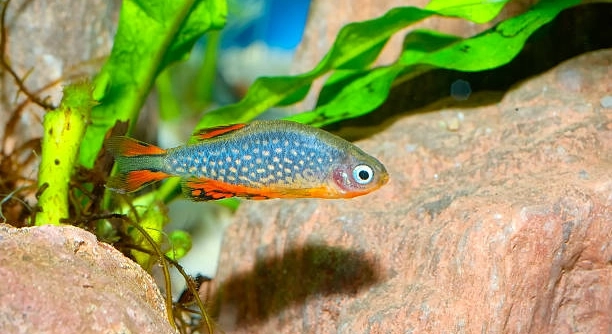
Danios are lively fish that often display sudden flashes of color in the tank. These bursts are not random but are part of their natural behavior. Observing these changes can reveal fascinating interactions among them.
The seven color flashes observed in Danios are indicators of competitive behavior. These flashes signal dominance, mating readiness, or territorial disputes. Monitoring these visual cues helps aquarists understand social hierarchies and interactions within the aquarium population.
Recognizing these flashes can improve your understanding of Danios and enhance your experience keeping them in a healthy, interactive environment.
Recognizing Danio Color Flashes
Danios can show a variety of color flashes that indicate different behaviors. Bright flashes along their bodies often appear when they compete for food or establish dominance in the tank. These sudden shifts in hue are caused by pigment cells called chromatophores that expand or contract to display stronger colors. Some flashes are short and sharp, while others last longer, signaling ongoing tension or courtship. Observing patterns can reveal which fish are more dominant and how they interact with others. Color changes often coincide with quick movements, darting, or chasing. Environmental factors like lighting, water quality, and tank size also influence the intensity and frequency of flashes. Even subtle differences in pattern and placement can give clues about social hierarchies. Learning to read these flashes helps maintain balance in the tank and reduces stress among Danios. Over time, noticing these cues can make caring for them more intuitive and rewarding.
Color flashes serve as communication signals that convey dominance, readiness to mate, or defensive behavior.
Keeping an eye on these behaviors helps predict conflicts, manage feeding times, and maintain a harmonious environment for all Danios.
Understanding Competition Among Danios
Competition among Danios is common, especially in confined tanks.
Competition usually arises when fish vie for resources like space, food, or mates. Dominant individuals will show more frequent and intense color flashes, while subordinate fish may display muted or fading colors. Observing these interactions allows you to identify which fish are stressed or under pressure. By providing multiple feeding points, hiding spots, and a balanced environment, aggression can be minimized. Even slight changes in tank setup, like adding plants or rearranging decorations, can alter social dynamics. Monitoring behavior over time ensures the tank remains stable. Adjustments like separating overly aggressive individuals or increasing tank size may be necessary for long-term health. Recognizing the signs of competition early can prevent injuries and reduce stress-related illness. Keeping a log of behaviors and color patterns is useful for tracking trends and planning interventions. A calm and structured environment encourages natural behaviors without unnecessary conflict, supporting the overall wellbeing of the Danios.
Spotting Aggressive Flashes
Aggressive flashes in Danios are bright, sudden, and often accompanied by chasing. These flashes indicate a fight for dominance or territory. Fish showing repeated bright streaks may be establishing control over space or asserting authority over others in the tank.
Aggressive behavior usually begins with a sudden flare of color along the body and fins, followed by rapid swimming toward another fish. The dominant fish often chases or corners the subordinate, who may attempt to escape or hide. Over time, these interactions form a hierarchy, with certain individuals consistently displaying more intense flashes. Noticing these patterns early allows tank adjustments, such as adding hiding spots or rearranging decorations, to reduce stress. Ensuring sufficient space and food distribution helps minimize repeated conflicts and keeps all fish calmer.
Even subtle aggressive flashes can indicate tension among Danios. Watching how fish respond to these flashes helps predict potential disputes. Adjustments in tank layout or population density may be required to maintain balance.
Courtship and Mating Displays
Mating flashes are usually vivid and rhythmic, often appearing when males display to females.
Male Danios typically show stronger colors to attract attention from females. These flashes are often paired with circling or gentle nudging as part of courtship rituals. Females may respond with smaller flashes, signaling receptiveness or interest. Timing of feeding, lighting, and tank environment can affect the intensity of these displays. Observing these patterns helps understand which pairs are likely to mate. Courtship flashes are distinct from aggressive ones because they are less erratic and more patterned, creating a visual dialogue between potential mates. Recognizing these behaviors can improve breeding management and reduce misinterpretation of interactions as fighting.
Courtship displays often involve a combination of color flashes, fin flares, and specific swimming patterns. Male Danios may perform repeated passes in front of females, enhancing the visual impact of their colors. Females may respond by lingering or swimming alongside the male, indicating acceptance. Environmental adjustments, like dim lighting or gentle filtration, can help reduce stress and encourage natural mating behavior. Observing multiple individuals allows identification of compatible pairs and monitoring of their interactions. Documenting these displays provides insight into breeding readiness and social dynamics within the tank, ensuring healthier reproduction and reducing potential conflicts among fish.
Warning Flashes
Warning flashes are short, sharp bursts of color used to signal danger or annoyance. They often occur when a Danio feels threatened by another fish entering its personal space or approaching too closely. These flashes are usually accompanied by brief, rapid movements.
Subtle warning flashes may go unnoticed but are important signals in the tank. They prevent physical confrontations by letting other fish know boundaries. Recognizing these flashes early helps maintain harmony, especially in smaller aquariums.
Flashing During Feeding
Feeding times trigger quick, intense flashes as Danios compete for food. The flashes are concentrated near the head and fins, showing eagerness and mild aggression. Fish often dart rapidly between feeding spots, creating a dynamic display of color. Watching feeding flashes can reveal social hierarchies, as dominant fish usually access food first. Ensuring multiple feeding points and evenly distributed food helps reduce stress and allows all fish to eat adequately. Over time, observing these flashes provides insight into behavior patterns and can guide adjustments in feeding routines to maintain a calm and balanced tank.
Subtle Social Signals
Some Danios use faint flashes to communicate without aggression. These signals indicate recognition, curiosity, or mild interest in nearby tank mates.
FAQ
Why do Danios flash different colors at different times?
Danios flash colors as a way to communicate and respond to their environment. Changes in lighting, water quality, tank size, or the presence of other fish can influence how often and how brightly they flash. Dominance, mating readiness, and stress are common triggers. Observing these flashes over time helps you understand the context and purpose of each color change. By tracking patterns, you can identify which fish are more dominant, which are stressed, and which are engaging in courtship. Adjusting tank conditions and monitoring interactions can help manage these behaviors.
Are all color flashes a sign of aggression?
Not all flashes indicate aggression. While bright, sudden flashes often accompany chasing or disputes, other flashes are part of social interactions or mating rituals. Courtship flashes are usually patterned and rhythmic, while warning flashes are brief and aimed at creating distance without physical conflict. Recognizing the difference requires observing body language, swimming patterns, and context. Aggressive flashes are paired with lunging, nipping, or prolonged chasing. Social or mating flashes involve less erratic movement and more controlled displays. Understanding these distinctions allows you to interpret behaviors accurately and ensure the tank remains balanced and calm.
How can I reduce aggression in my Danio tank?
Aggression is often linked to competition for food, space, or mates. Adding hiding spots, rearranging decorations, and ensuring multiple feeding locations helps reduce conflict. Providing enough space for each fish to swim freely also decreases tension. Monitoring dominant fish and occasionally separating overly aggressive individuals can prevent injury. Observing flashes and adjusting environmental factors like lighting, tank layout, and water flow improves harmony. Maintaining a proper male-to-female ratio is particularly important for breeding tanks, as imbalance can increase aggressive displays. Regular observation allows you to intervene early, keeping stress levels low and ensuring all fish thrive.
Do color flashes indicate health problems?
While flashes are mostly behavioral, sudden changes in intensity, frequency, or pattern can signal stress or illness. Dull, faded, or irregular flashes may indicate poor water quality, disease, or nutritional deficiencies. Tracking normal flashing behavior allows you to notice deviations quickly. Ensuring clean water, a balanced diet, and appropriate tank conditions supports healthy coloration. Consistent, bright flashes generally indicate a healthy, active fish. However, persistent aggression or unusual flashing without environmental triggers may warrant closer inspection or consultation with a veterinarian. Keeping a log of behaviors and water conditions helps maintain long-term health and wellbeing.
Can I use flashes to identify dominant fish?
Yes, dominant Danios typically flash more intensely and frequently. These individuals often assert control over food and space, with subordinate fish showing more muted colors. Watching interactions during feeding and social encounters highlights the hierarchy. Dominant fish may chase, corner, or nudge others, while subordinates avoid confrontation and display paler flashes. Understanding this hierarchy is essential for maintaining a peaceful tank. Adjustments like adding hiding spots or separating overly aggressive individuals help balance interactions. Observing flashes over time provides insight into which fish are leaders and which are more submissive, supporting better tank management and reduced conflict.
How do environmental changes affect color flashes?
Lighting, temperature, water quality, and tank decorations influence the intensity and frequency of flashes. Bright, consistent lighting enhances visibility of flashes, while poor lighting may make them harder to observe. Adding plants, rocks, or hiding spots can reduce aggressive interactions and create safe spaces for subordinates. Sudden environmental changes often trigger stress flashes or heightened aggression. Maintaining stable conditions encourages natural behavior, making flashes easier to interpret. Regular monitoring of water parameters, tank layout, and lighting schedules supports healthy color displays and helps prevent unnecessary stress among Danios.
Can flashes help with breeding Danios?
Yes, flashes are an important indicator of breeding readiness. Males often show more vivid colors and perform repeated displays to attract females. Females may respond with subtler flashes and approach behaviors. Observing these interactions helps identify compatible pairs. Adjusting tank conditions, such as gentle filtration, proper lighting, and adequate hiding spaces, encourages natural courtship displays. Keeping track of these flashes ensures successful mating attempts and reduces confusion between aggressive and courtship behaviors. Understanding and interpreting these visual cues allows careful management of breeding and helps maintain harmony within the tank.
Is it normal for flashes to occur at feeding times?
Yes, feeding times trigger quick, bright flashes as Danios compete for food. These flashes often appear along the head, body, and fins, paired with rapid swimming. Dominant fish usually get the first share, while others wait or dart between feeding points. Providing multiple food locations reduces conflict and stress. Observing flashes during feeding gives insight into social hierarchy and interaction patterns. By managing feeding routines and distribution, you can minimize competition and maintain a balanced, calmer tank environment where all fish receive adequate nutrition.
Final Thoughts
Observing Danios in a tank can be fascinating because their flashes of color reveal so much about their behavior. Each flash has a purpose, whether it is showing dominance, signaling a warning, or attracting a mate. Paying attention to these flashes helps you understand the relationships and hierarchies among the fish. Over time, you start recognizing patterns that indicate which fish are more dominant, which are more submissive, and which may need extra space or hiding spots. This awareness allows for better tank management and ensures that all Danios have a healthier, calmer environment.
Flashes are not just about aggression or competition; they are an essential part of how Danios communicate. For example, courtship flashes are deliberate and patterned, while warning flashes are brief and aimed at creating distance. Even subtle flashes serve as social cues, letting other fish know what to expect in their interactions. By understanding these differences, you can prevent unnecessary stress or misinterpretation of behavior. Making small adjustments to the tank, like adding decorations, rearranging plants, or ensuring enough space, can reduce tension and create a more balanced habitat. Monitoring feeding behavior is also important because flashes often intensify during meals, reflecting both eagerness and competition.
Taking the time to observe and interpret Danio flashes allows you to respond appropriately to their needs. Healthy, bright flashes usually indicate active, happy fish, while changes in intensity or frequency can signal stress or health issues. Maintaining stable water conditions, providing adequate space, and offering consistent feeding routines all support well-being. Recording observations of flashes and behavior helps track long-term trends and identify any potential problems early. By understanding these visual signals, you can improve your management of the tank, promote natural behaviors, and ensure that your Danios thrive in a comfortable and harmonious environment.

Hello,
If you enjoy the content that we create, please consider saying a "Thank You!" by leaving a tip.
Every little bit helps us continue crafting quality advice that supports the health, happiness, and well-being of pets around the world, for pets of all shapes, sizes, and species.
We really appreciate the kindness and support that you show us!