
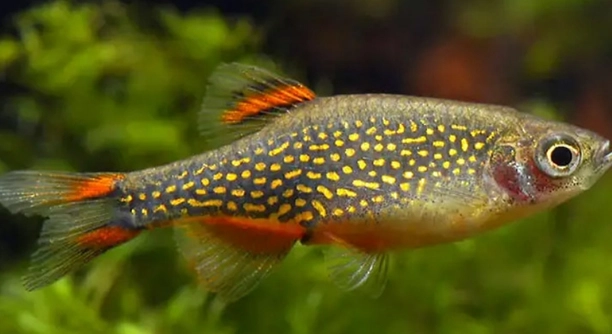
Are your danios swimming unevenly and struggling to maintain balance in the tank? Observing your fish closely can reveal subtle signs of distress or irregular behavior that indicate an underlying issue affecting their swimming patterns.
Uneven swimming in danios can result from multiple factors including water quality, dietary deficiencies, infections, swim bladder disorders, genetic predispositions, physical injuries, and environmental stressors. Identifying the precise cause is essential for implementing corrective measures and ensuring fish health.
Recognizing the causes early can prevent long-term harm and improve the overall well-being of your danios in their aquatic environment.
Poor Water Quality
Poor water quality is one of the leading reasons danios swim unevenly. High levels of ammonia, nitrites, or nitrates can irritate their gills and affect their buoyancy. Sudden changes in pH or temperature shock can also disorient them, causing them to swim erratically. Regular water testing and partial water changes are crucial to maintain a stable environment. Filtration should be efficient enough to remove debris and chemical buildup while keeping the current gentle for danios. Overfeeding can also worsen water quality, as leftover food decomposes and contributes to harmful chemical levels. Stress from poor water conditions can weaken their immune system, making them more prone to infections that further impair swimming. Observing your fish daily and checking for unusual behavior or discoloration helps catch water-related problems before they escalate. Using water conditioners and monitoring tank parameters ensures a healthier, more balanced environment. Stability in water quality directly influences danios’ energy levels and swimming patterns.
Maintaining proper filtration, regular testing, and water changes helps prevent swimming issues caused by environmental stressors.
Consistency in water quality supports healthy gill function and buoyancy. Clear water and stable parameters allow danios to swim naturally and maintain proper balance. Keeping the tank clean avoids sudden spikes in harmful chemicals, which can lead to chronic swimming problems. Attention to water conditions ensures your fish remain active, comfortable, and resilient against stress-induced illnesses.
Swim Bladder Disorders
Swim bladder disorders often result in uneven swimming, making fish float, sink, or tilt. They can arise from constipation, bacterial infections, or genetic predisposition.
Treatment includes fasting, feeding high-fiber foods like peas, and maintaining stable water conditions. Severe cases may require veterinary attention to prevent long-term damage.
Swim bladder issues disrupt a danio’s balance and coordination. Overfeeding or poor diet can strain the digestive system, pressing against the swim bladder and affecting buoyancy. Infections can also damage the organ, causing persistent swimming problems. Adjusting feeding habits and providing gentle water flow can aid recovery. Monitoring behavior during treatment helps track improvement and prevent relapses. Swim bladder health is essential for normal movement, and small interventions often yield noticeable results, restoring swimming confidence. Maintaining a balanced diet and avoiding rapid dietary changes reduces the risk of disorders and supports overall aquatic health.
Dietary Deficiencies
A poor diet can lead to uneven swimming in danios. Lack of essential nutrients affects muscle strength and energy levels. Feeding only flakes or a single type of food can cause deficiencies that impact buoyancy and coordination. A varied diet supports overall health and proper swimming.
Providing a mix of high-quality flakes, pellets, and occasional live or frozen foods ensures danios receive necessary vitamins and minerals. Protein supports muscle function, while fiber aids digestion, which indirectly helps swim bladder performance. Fatty acids contribute to energy and fin health, promoting smoother, more controlled swimming. Irregular feeding or overfeeding can also stress their system, making it harder to maintain balance. Observing how they eat and adjusting portions helps prevent nutritional imbalances. Consistency in diet plays a key role in maintaining normal swimming patterns.
Supplementing their diet with vegetables like blanched peas or spirulina helps prevent digestive issues that strain the swim bladder. Balanced feeding routines encourage energy and coordination, reducing erratic movements. Careful observation of their appetite and behavior ensures dietary deficiencies are addressed before they affect swimming significantly.
Physical Injuries
Physical injuries can occur from rough tank decorations, aggressive tank mates, or accidental collisions. Damaged fins, bruising, or internal injuries disrupt swimming and balance. Prompt care is necessary to avoid infections and further complications.
Monitoring interactions among danios and choosing smooth decorations reduces the risk of injury. If a fish shows signs of fin damage or erratic movement, isolating it in a quarantine tank can aid recovery. Minor injuries often heal with proper water conditions and a nutrient-rich diet. Severe injuries may require veterinary intervention to prevent lasting swimming problems. Handling the fish gently during tank maintenance also minimizes accidental harm, ensuring their safety and mobility.
Tank setup and careful observation prevent injuries that impair swimming. Providing open swimming space and monitoring fish behavior lowers stress and collisions. Adjusting decorations and avoiding overcrowding ensures physical health, which directly impacts balanced, natural swimming patterns in danios.
Infections
Bacterial, parasitic, or fungal infections can interfere with a danio’s swimming. Signs include clamped fins, erratic movement, or lethargy. Prompt identification and treatment are crucial to prevent worsening conditions and restore normal swimming behavior.
Maintaining clean water and quarantining new fish helps prevent infections. Early intervention with appropriate medication increases recovery chances and minimizes long-term swimming issues caused by illness.
Genetic Predispositions
Some danios are naturally prone to swim bladder issues or skeletal deformities due to genetics. These conditions can cause persistent uneven swimming despite proper care. Selecting healthy fish from reputable breeders reduces the likelihood of inherited problems.
Environmental Stressors
Rapid changes in light, temperature, or tank activity can stress danios. Stress disrupts balance and coordination, leading to irregular swimming. Maintaining a stable, calm environment supports their natural movement.
Physical Obstructions
Objects in the tank, such as sharp decorations or dense plants, can hinder smooth swimming. Careful arrangement ensures open space for free movement and reduces accidental collisions.
FAQ
Why is my danio swimming sideways or upside down?
Danios swimming sideways or upside down usually indicate swim bladder issues, which can result from constipation, infections, or genetic factors. Overfeeding or an improper diet can put pressure on the swim bladder, disrupting buoyancy. Maintaining a balanced diet and stable water conditions often improves swimming.
Can water quality really affect their swimming?
Yes, poor water quality is a major factor in uneven swimming. High ammonia, nitrite, or nitrate levels irritate gills and reduce oxygen efficiency, making fish weak and disoriented. Regular water testing, partial water changes, and proper filtration help maintain stability and prevent swimming problems.
How can I prevent infections that affect swimming?
Quarantining new fish before introducing them to the tank minimizes infection risk. Clean water, avoiding overcrowding, and removing uneaten food are key steps. Early signs of illness like clamped fins or unusual swimming behavior should be addressed promptly with appropriate treatment.
Could diet be the cause of swimming issues?
Absolutely. A diet lacking essential nutrients weakens muscles and affects coordination. Feeding a mix of flakes, pellets, and occasional live or frozen foods ensures proper nutrition. Adding vegetables like blanched peas supports digestion, which indirectly helps swim bladder function.
Do tank decorations matter for swimming?
Yes. Sharp or dense decorations can cause injuries or obstruct movement, leading to erratic swimming. Smooth ornaments and plants arranged to provide open swimming space reduce collisions and stress, helping danios move naturally.
Are all danios equally prone to swim bladder problems?
No. Genetic factors can make certain danios more susceptible to swim bladder disorders. Selecting fish from reputable breeders and observing their behavior early can help reduce the likelihood of inherited swimming issues.
How do I know if uneven swimming is temporary or serious?
Monitor your danios closely. Short-term swimming changes may result from stress, minor digestive issues, or water fluctuations. Persistent or worsening behavior, especially combined with lethargy, clamped fins, or loss of appetite, indicates a more serious problem requiring intervention.
Can stress from the environment cause uneven swimming?
Yes, sudden changes in light, temperature, or excessive tank activity can stress danios. Stress affects coordination and balance, often leading to erratic movements. Maintaining consistent lighting, temperature, and minimal disturbances supports healthy swimming.
What steps can I take if my fish is injured?
Isolate injured fish in a quarantine tank to prevent further harm. Ensure water is clean and provide a gentle current. Minor fin tears often heal with proper care, while severe injuries may need professional attention to avoid long-term swimming problems.
Is overfeeding a common problem for danios?
Overfeeding contributes to digestive strain, swim bladder pressure, and poor water quality. Feeding small portions and removing uneaten food prevents both nutritional imbalances and environmental stress, supporting smoother, more controlled swimming patterns.
How long does it take for a danio to recover from uneven swimming?
Recovery depends on the cause. Minor dietary or environmental adjustments can show improvement within days. Swim bladder or infection-related issues may take one to two weeks with proper care. Consistent monitoring and patience are essential for full recovery.
Can I prevent uneven swimming entirely?
While some genetic factors are unavoidable, most causes like poor water quality, improper diet, injuries, infections, and environmental stress can be managed. Regular observation, proper tank maintenance, balanced feeding, and careful selection of fish significantly reduce swimming problems.
Are there medications safe for treating swim bladder or infections?
Yes, but only use medications specifically labeled for aquarium fish. Antibiotics treat bacterial infections, and antiparasitic treatments target parasites. Follow dosing instructions carefully, maintain clean water, and monitor fish closely during treatment to ensure recovery without added stress.
Should I change tank mates if swimming issues appear?
Sometimes. Aggressive or overly active tank mates can stress danios, worsen injuries, or compete for food. Observing interactions and providing separate spaces for weaker fish can reduce stress and help restore normal swimming behavior.
Is uneven swimming reversible?
In many cases, yes. Addressing diet, water quality, infections, or injuries often allows danios to regain balance. Persistent problems may be linked to genetic factors, but proper care can still improve quality of life and overall mobility.
How often should I monitor my danios for swimming problems?
Daily observation is ideal. Check for unusual swimming patterns, clamped fins, lethargy, or sudden changes in appetite. Early detection allows you to address problems before they become severe, ensuring healthier and more active fish.
Does tank size affect swimming?
Yes. Small or overcrowded tanks limit movement, increase stress, and elevate waste concentration. Providing sufficient space allows danios to swim freely, reduces collisions, and lowers the risk of stress-related swimming issues. Proper stocking density supports both behavior and health.
Can water temperature fluctuations cause uneven swimming?
Rapid changes in temperature can shock danios, affecting muscle function and coordination. Maintaining a stable temperature within the species’ preferred range minimizes stress and helps them swim consistently. Use a reliable heater and monitor variations regularly.
What is the most common cause of uneven swimming in danios?
While multiple factors contribute, water quality, diet, and swim bladder problems are the most frequently observed causes. Addressing these issues promptly often restores normal swimming and prevents secondary complications.
Is it necessary to consult a vet for swim bladder issues?
Consulting a veterinarian is recommended for severe, persistent, or unexplained swim bladder problems. A vet can identify infections, internal injuries, or other conditions that home care may not fully address, ensuring proper treatment and recovery.
Uneven swimming in danios can be caused by several factors, ranging from diet and water quality to infections and genetic predispositions. Each issue affects their balance and coordination in different ways. Poor water conditions, for example, can irritate their gills and reduce oxygen absorption, leaving them weak and disoriented. Overfeeding or feeding an unbalanced diet may lead to digestive problems that put pressure on the swim bladder, which directly impacts buoyancy. Infections, injuries, or environmental stressors can also disrupt normal swimming, sometimes causing long-term issues if not addressed promptly. Understanding these causes helps in identifying the problem quickly and taking the right steps to improve their condition. Observation is key, as changes in swimming patterns, appetite, or energy levels are often the first signs that something is off.
Taking preventive measures can significantly reduce the chances of uneven swimming. Regular water testing, partial water changes, and proper filtration maintain a stable and healthy environment. Feeding a varied diet that includes high-quality flakes, pellets, and occasional live or frozen foods provides essential nutrients that support muscle function, digestion, and swim bladder health. Proper tank setup also matters: smooth decorations, open swimming space, and carefully chosen tank mates minimize injury and stress. Even small changes, such as maintaining a consistent temperature and gentle lighting, can make a noticeable difference in how comfortable danios feel in their environment. These steps not only help prevent swimming problems but also contribute to their overall well-being, making them more active, resilient, and less prone to illness.
Recovery and improvement depend on the underlying cause, but many issues can be managed with consistent care. Swim bladder disorders, mild injuries, or stress-related swimming problems often show improvement within days to weeks if diet, water quality, and environment are adjusted properly. Infections or more severe health issues may require medications or professional intervention, but early detection increases the chances of a full recovery. Paying close attention to their behavior allows you to spot changes early and take action before the problem worsens. Maintaining a stable, clean, and nourishing environment helps danios swim naturally and energetically. With proper care, many swimming irregularities can be corrected, ensuring that your danios stay healthy, balanced, and active for a long time.

Hello,
If you enjoy the content that we create, please consider saying a "Thank You!" by leaving a tip.
Every little bit helps us continue crafting quality advice that supports the health, happiness, and well-being of pets around the world, for pets of all shapes, sizes, and species.
We really appreciate the kindness and support that you show us!