
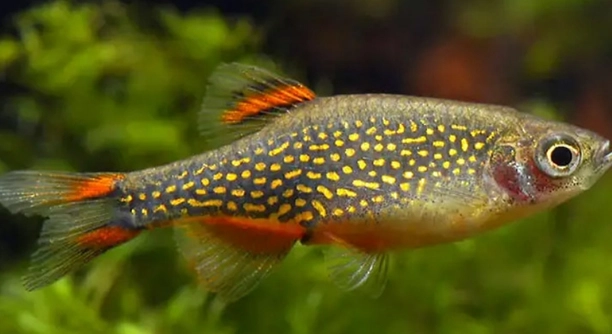
Keeping a group of Danios healthy requires more than just clean water and proper feeding. Observing their behavior and appearance can give early signs of wellbeing or distress, helping you maintain a thriving aquarium environment.
Key visual cues in Danio groups include body coloration, fin condition, swimming patterns, appetite, social interaction, gill movement, and eye clarity. Monitoring these indicators consistently allows caretakers to detect potential health issues and address them before they escalate.
Paying attention to these subtle signs can make a significant difference in the overall health and happiness of your Danios.
Body Coloration
Healthy Danios display vibrant, consistent colors across their body. Any dullness, fading, or irregular spots can indicate stress, illness, or poor water conditions. Maintaining stable water parameters and providing a balanced diet supports natural pigmentation. Observing color changes daily helps detect early signs of disease, allowing timely intervention. Environmental factors such as lighting, tank decoration, and substrate can also affect appearance, so it is important to monitor all conditions carefully. Stress from overcrowding or aggressive tank mates may also impact coloration, making observation critical for a harmonious group.
Color changes can signal disease, so it is important to act quickly.
Regularly checking for consistent body coloration allows you to spot potential problems early. This practice helps prevent more serious health issues and supports overall tank stability, keeping your Danios vibrant and active.
Fin Condition
Fins should be intact, clear, and free of tears or spots. Damage or fraying may indicate infection or physical injury.
Fin rot or tears often result from bacterial infections, poor water quality, or aggressive tank interactions. Regular tank maintenance, including water changes and monitoring pH and ammonia levels, is essential. Avoid overcrowding and provide plenty of hiding spaces to reduce stress-related fin damage. Nutrition also plays a role, as deficiencies in vitamins can weaken fin structure. Observing the fins daily helps identify early issues, allowing timely treatment. Removing infected fish to quarantine and treating with appropriate medications can prevent spread. Maintaining consistent conditions and reducing stress ensures fins heal properly.
Strong, healthy fins contribute to swimming efficiency and overall activity. Keeping them in good condition ensures Danios remain energetic and responsive, reflecting overall health.
Swimming Patterns
Healthy Danios swim actively and smoothly, with coordinated movements and minimal hesitation. Erratic or sluggish swimming may indicate stress, disease, or poor water quality.
Changes in swimming patterns often reflect underlying health issues. Slow movements or staying at the bottom of the tank may signal bacterial infections or parasites. Rapid darting or sudden stops can be a response to water quality fluctuations or sudden stressors. Maintaining consistent temperature, pH, and oxygen levels helps support normal swimming behavior. Observing how the group moves together provides insight into social dynamics, energy levels, and potential health concerns, allowing early intervention before problems worsen.
Schooling behavior is also an important aspect of Danio health. Disruption in group cohesion or repeated isolation of certain individuals may indicate illness or stress. Paying attention to these patterns helps maintain a stable and thriving aquarium environment.
Appetite
A healthy Danio shows interest in food and eats consistently during feeding times. Loss of appetite is often an early warning sign of health issues.
Changes in appetite can stem from illness, stress, or poor water conditions. Monitoring feeding behavior helps detect problems early. Fish that refuse food for multiple days may be suffering from internal parasites or bacterial infections. Providing a varied diet ensures nutritional needs are met, which strengthens immunity. Adjusting feeding schedules and observing reactions to different foods helps determine if appetite loss is temporary or a symptom of illness. Consistent feeding behavior reflects overall vitality and well-being.
Encouraging proper feeding habits can improve health outcomes. Feeding small portions, observing consumption, and avoiding overfeeding reduce waste buildup and minimize stress in the group. Keeping a record of appetite changes can help identify patterns and make care adjustments as needed.
Social Interaction
Danios are social fish that interact frequently with their group. Healthy fish swim together, chase gently, and maintain a natural hierarchy.
Isolation or aggression can indicate stress or illness. Observing interactions helps identify individuals that may need attention or a separate space to recover.
Gill Movement
Gills should move rhythmically and evenly during breathing. Rapid or labored movement can signal poor water quality, oxygen deficiency, or infection. Maintaining clean water and proper aeration helps keep gill function stable.
Eye Clarity
Clear, bright eyes are a sign of good health. Cloudiness or swelling may indicate disease or injury.
FAQ
How often should I check my Danios for health issues?
Regular observation is essential. Daily checks allow you to notice subtle changes in coloration, swimming patterns, fins, gill movement, and appetite. Even small deviations can indicate stress or disease, giving you the opportunity to take early action before conditions worsen. Consistency is key to maintaining a healthy group.
What are the first signs of illness in Danios?
Early indicators include faded body coloration, frayed fins, unusual swimming behavior, loss of appetite, labored gill movement, and eye cloudiness. Stress, poor water conditions, and nutritional deficiencies often trigger these symptoms. Noticing them early can prevent more serious infections or complications.
Can water conditions alone affect my Danios’ health?
Yes, water quality is critical. Parameters such as temperature, pH, ammonia, nitrite, and nitrate levels directly impact health. Fluctuations can cause stress, weaken the immune system, and increase susceptibility to infections. Frequent water testing and proper filtration are necessary to maintain stable conditions.
How should I address changes in fin condition?
Minor tears or fraying may heal on their own with proper water quality and nutrition. Severe damage or fin rot requires treatment with antibacterial medications and isolation in a quarantine tank. Reducing stress from aggressive tank mates and avoiding overcrowding helps prevent further issues.
What should I do if my Danios stop schooling?
Disruption in schooling behavior often signals illness or stress. Observe for other symptoms like lethargy or lack of appetite. Check water parameters and tank conditions. Separating affected fish for observation or treatment can help prevent the spread of disease and support recovery.
How important is diet in maintaining health?
A varied and balanced diet is vital. High-quality flakes, pellets, and occasional live or frozen foods provide essential nutrients. Poor nutrition can weaken fins, dull coloration, and reduce immunity. Feeding small, regular portions helps maintain consistent appetite and prevents water pollution from uneaten food.
Can I treat all diseases at home?
Not all diseases are manageable without intervention. Minor stress-related issues may improve with improved water quality and nutrition. Bacterial or parasitic infections often require specific medications. Early detection is critical, and quarantine tanks reduce the risk of spreading infections to the rest of the group.
How do I know if a fish needs quarantine?
Any fish showing abnormal behavior, visible injury, clouded eyes, frayed fins, or labored breathing should be quarantined immediately. Isolation prevents disease spread, allows targeted treatment, and reduces stress on healthy fish. Monitor the quarantined fish daily and maintain optimal water conditions.
Are there signs of long-term stress in Danios?
Chronic stress may appear as consistent dull coloration, constant hiding, disrupted schooling, frequent gasping at the surface, or slow growth. Long-term stress weakens the immune system, making the fish prone to infections. Providing stable tank conditions and minimizing disturbances supports recovery and long-term health.
How often should I perform water changes?
Partial water changes, typically 25-30% weekly, are important to remove waste, control nitrates, and maintain oxygen levels. More frequent changes may be needed in crowded tanks or when water tests indicate rising toxins. Regular maintenance ensures a healthy and stable environment for Danios.
Can tank decorations affect health?
Yes, rough or sharp decorations can tear fins, while dense plants may restrict swimming space. Adequate hiding spots are beneficial, but the layout should allow free movement and proper water circulation. Careful selection and arrangement of decorations support both physical safety and natural behavior.
What is the best way to observe subtle health changes?
Spend a few minutes daily watching swimming patterns, interactions, coloration, and feeding behavior. Taking notes or photos can help track trends over time. Early detection of minor changes allows for timely adjustments in care, preventing serious health issues.
How do I support recovery after illness?
Maintain excellent water quality, reduce stress, provide high-quality food, and isolate affected fish if necessary. Follow any prescribed treatments completely. Monitor behavior and physical condition closely until normal patterns resume. Consistent care is essential for full recovery.
Are there common mistakes to avoid with Danio groups?
Overcrowding, inconsistent water quality, poor diet, ignoring early warning signs, and mixing aggressive or incompatible species can all harm health. Monitoring the group carefully and maintaining stable conditions reduces risks and supports long-term vitality.
Can behavioral changes indicate environmental problems?
Yes, sudden darting, gasping at the surface, or lethargy often reflect poor water quality, inadequate oxygen, or temperature fluctuations. Correcting environmental conditions promptly helps restore normal behavior and prevents illness. Regular monitoring ensures these issues are caught early.
How do I know if my Danios are happy?
Healthy Danios are active, swim in coordinated schools, display vibrant coloration, eat consistently, and interact socially. Smooth gill movement and clear eyes also reflect well-being. Observing these indicators regularly helps maintain a thriving and balanced aquarium environment.
What steps can I take to prevent disease?
Maintain clean water, stable conditions, and a balanced diet. Avoid overcrowding and incompatible tank mates. Quarantine new fish, monitor for early symptoms, and respond quickly to signs of illness. Consistent care minimizes the risk of disease and promotes long-term health in Danio groups.
Keeping Danio groups healthy requires careful observation and consistent care. Paying attention to body coloration, fin condition, swimming patterns, appetite, gill movement, eye clarity, and social interaction can reveal early signs of stress or illness. Even minor changes can indicate that something in the tank environment or the fish’s diet needs adjustment. By noticing these cues, you can act quickly to prevent problems from becoming severe. Simple daily checks make it easier to maintain a thriving aquarium, and over time, these observations become second nature, allowing you to spot issues almost immediately.
Water quality is one of the most important factors in maintaining healthy Danios. Regular water testing and partial water changes help keep parameters such as pH, ammonia, nitrite, and nitrate within safe ranges. Stable temperature and proper aeration also contribute to overall well-being. Overcrowding, sharp decorations, or aggressive tank mates can stress fish and lead to health issues, so careful planning of tank layout and group size is essential. A balanced diet, including high-quality flakes, pellets, and occasional live or frozen foods, supports immune function and natural coloration. Proper nutrition and environment work together to ensure fish remain energetic, resilient, and free from disease.
Routine observation and maintenance are equally important as feeding and cleaning. Noting small changes in behavior or appearance helps you identify potential issues before they escalate. Isolating sick fish in a quarantine tank and providing targeted care prevents the spread of infections and promotes recovery. Encouraging healthy social interaction, providing adequate hiding spots, and avoiding sudden disturbances contribute to a stable and stress-free environment. With consistent attention and thoughtful care, your Danio group can remain active, vibrant, and healthy for years. Maintaining this balance not only supports the physical health of the fish but also creates a visually pleasing and harmonious tank environment.

Hello,
If you enjoy the content that we create, please consider saying a "Thank You!" by leaving a tip.
Every little bit helps us continue crafting quality advice that supports the health, happiness, and well-being of pets around the world, for pets of all shapes, sizes, and species.
We really appreciate the kindness and support that you show us!