
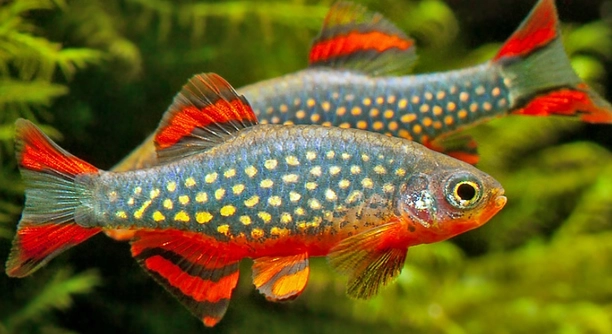
Do you ever notice your danios lingering in one spot, moving only slightly while the rest of the tank seems alive with motion? This behavior can appear puzzling, especially when these fish are usually so active and playful in their environment.
Danios often linger due to factors such as water temperature fluctuations, feeding habits, territorial behavior, low oxygen levels, stress, illness, or hiding instincts. Each of these elements can significantly influence their movement patterns and overall activity.
Understanding why your danios pause in certain areas can help you create a healthier, more comfortable tank environment and promote more consistent activity throughout the aquarium.
Water Temperature Fluctuations
Danios are sensitive to changes in water temperature. Even a small drop or rise can make them pause and stay in one spot. When the water is cooler than usual, their metabolism slows, and they conserve energy. Warmer water can stress them, causing them to hide or linger. Consistent temperature is essential for their movement and overall health. Monitoring the thermometer regularly ensures stability, and adjusting heaters gradually helps prevent sudden shocks. Seasonal changes or tank placement near windows can affect water temperature, so careful observation is key. Proper temperature promotes activity, feeding, and breeding behaviors, making the tank more vibrant.
Keeping water within the ideal range for danios helps them remain active and reduces periods of inactivity.
Observing your danios at different times of the day can indicate if temperature changes are influencing their behavior. A stable heater, placed correctly, ensures even heat distribution. Avoid placing the tank near drafts or direct sunlight, which can create hotspots or cooler patches. Over time, maintaining consistent warmth encourages normal swimming patterns and reduces stress-related lingering. Regular testing with a thermometer and minor adjustments when necessary supports a lively and healthy group of danios.
Feeding Habits
Danios may linger if they are full or uncertain about food availability. Feeding too much or too little affects their movement.
Irregular feeding schedules can make them pause while waiting for predictable food times.
Feeding small portions several times a day encourages regular activity. Danios are fast-moving fish and tend to dart for food when hungry. If feeding is inconsistent, they may stay in one spot, anticipating the next meal. Overfeeding can cause bloating and lethargy, while underfeeding leaves them hesitant to explore. Choosing high-quality flakes, pellets, or occasional live food keeps them motivated to swim. Observing their behavior during feeding helps you adjust portions. Clean uneaten food quickly to prevent water quality issues that further discourage movement. A structured feeding routine not only ensures proper nutrition but also stimulates normal swimming and interaction, keeping your danios lively and engaged.
Low Oxygen Levels
Danios tend to linger in areas where oxygen is higher when levels drop. Poor water circulation or overstocking can reduce oxygen availability.
Ensuring proper aeration with air stones, filters, or water movement is important. Plants also help oxygenate the tank naturally. Fish may cluster near the surface or near filter outlets when oxygen is low. Observing these behaviors can alert you to potential problems. Adding live plants or adjusting flow can improve oxygen levels. Maintaining a clean tank and avoiding overcrowding supports better water quality. Proper aeration reduces stress and encourages normal swimming patterns, keeping danios active and healthy.
Regular monitoring of oxygen-related behavior helps you maintain a stable environment.
Even slight decreases in dissolved oxygen can impact danios. Tank design matters: open water surfaces allow gas exchange, and filtration systems increase circulation, reducing stagnation. Overstocked tanks or excessive waste production can lower oxygen, causing the fish to stay in oxygen-rich spots. Aeration devices, proper plant selection, and frequent water changes ensure sufficient oxygen. By paying attention to these factors, your danios will maintain consistent activity, swim freely, and avoid lingering in a single area for extended periods.
Stress and Tank Environment
Danios may stay in one spot when stressed due to sudden changes or strong tank lights.
Stress from new tankmates, moving decorations, or loud vibrations can cause lingering.
A calm, predictable environment helps danios feel safe. Avoid sudden rearrangements or tapping on the glass, which may startle them. Dimmer lighting or shaded areas create comfort zones, encouraging normal swimming. Hiding spots like plants or decorations provide security, reducing stress-related lingering. Consistent routines, gentle water changes, and careful introduction of new fish help maintain a stable environment. Observing how danios respond to surroundings can indicate if stress is a factor. Reducing environmental stress promotes natural movement, feeding behavior, and overall well-being.
Illness or Injury
Danios often linger when they are sick or injured. Changes in behavior, such as staying in one spot, can indicate health problems.
Look for physical signs like faded colors, frayed fins, or unusual swimming. Early detection helps prevent further issues.
Territorial Behavior
Danios may hold a spot to establish dominance or mark territory. Aggressive interactions or repeated chasing can cause some fish to stay in safe zones. Proper tank space and hiding areas reduce conflicts. Observation of tank dynamics ensures peaceful coexistence and normal movement among all fish.
Hiding Instincts
Danios linger in areas that feel safe, like near plants or decorations. These hiding spots help them feel secure.
FAQ
Why do my danios stay in one spot most of the time?
Danios may linger due to temperature changes, low oxygen, stress, or illness. They also respond to feeding patterns and tank layout. Observing their environment carefully often reveals the cause. Stable water conditions, consistent feeding, and safe hiding spots encourage regular activity and normal swimming behavior.
Can overfeeding make danios less active?
Yes. Overfeeding can cause bloating and lethargy, leading danios to stay in one spot. Uneaten food can also pollute water, lowering oxygen and stressing the fish. Feeding small, controlled portions multiple times a day keeps them active and healthy.
How does tank size affect their movement?
Smaller or overcrowded tanks limit swimming space. Danios may linger in certain areas to avoid conflicts or feel secure. Providing sufficient space and decorations for hiding reduces stress and promotes even distribution throughout the tank.
Do danios prefer specific areas in the tank?
Danios often linger near plants, rocks, or filter outlets. These spots provide safety, slightly higher oxygen, and areas to rest. Adding live plants and gentle currents helps them feel secure while encouraging natural activity.
Can water quality influence lingering behavior?
Poor water quality, including high ammonia, nitrite, or nitrate levels, causes stress. Danios may stay in one spot to conserve energy or avoid strong currents. Regular water changes, proper filtration, and testing help maintain optimal conditions and reduce stress-related lingering.
How do tankmates impact danio behavior?
Aggressive or overly dominant fish can make danios pause or hide. Territorial disputes often lead to clustering in safe spots. Ensuring compatible species, providing hiding areas, and monitoring interactions helps maintain a peaceful environment and encourages consistent swimming.
Do danios linger when they are sick?
Yes. Illness often causes reduced movement, fading colors, or clamped fins. Early recognition allows for timely treatment, improving recovery and reducing prolonged inactivity. Quarantining sick fish and maintaining water quality helps prevent spread of disease.
Can lighting affect their activity?
Strong or sudden lighting can stress danios, making them linger near shaded areas. Using dimmer lighting or providing plants and decorations for cover reduces stress. Gradual light changes mimic natural conditions and promote normal swimming patterns.
How often should I check water parameters?
Regular testing is crucial. Temperature, oxygen, pH, and ammonia levels directly influence danio activity. Weekly testing and adjustments prevent stress and support healthy behavior. Keeping a log helps track patterns and address recurring issues promptly.
Will adding plants help reduce lingering?
Yes. Plants provide hiding spots and oxygenate the water, giving danios safe areas without restricting movement. Balanced placement of decorations encourages exploration while offering comfort, reducing the tendency to linger in one spot.
How can I encourage more movement in my danios?
Maintaining stable water conditions, a consistent feeding schedule, compatible tankmates, and adequate hiding areas encourages activity. Moderate water flow and occasional rearrangement of decorations stimulate exploration, helping danios remain active and healthy.
Are certain danio species more prone to lingering?
Some species may naturally be less active or more cautious. Observing their normal behavior and adjusting tank conditions to suit their temperament ensures they swim freely while still feeling secure.
What signs indicate lingering is a problem?
Persistent inactivity, fading colors, clamped fins, or gasping at the surface indicate stress, illness, or poor conditions. Prompt intervention improves health and restores normal behavior.
Does water current influence their position in the tank?
Strong currents can tire danios, causing them to linger in calmer spots. Gentle, evenly distributed flow allows natural swimming without forcing them to remain stationary, promoting even activity throughout the tank.
How important is a stable daily routine?
Consistency in feeding, light cycles, and maintenance reduces stress. Danios thrive in predictable environments, moving naturally instead of lingering due to uncertainty. Regular routines support healthy behavior and general well-being.
Can seasonal changes affect lingering?
Temperature or daylight changes can subtly influence activity. Maintaining stable tank conditions and gradual adjustments helps prevent stress-related lingering, keeping danios active year-round.
Do danios linger when breeding?
Yes. During breeding, males and females may occupy specific areas for spawning or guarding eggs. Providing flat surfaces, plants, and calm spaces supports natural reproductive behavior without over-stressing the fish.
What immediate steps should I take if danios are inactive?
Check water temperature, oxygen, and quality first. Observe for signs of illness or stress. Adjust feeding, provide hiding spots, and ensure tankmates are compatible. Quick action helps prevent prolonged inactivity and potential health issues.
Are there long-term effects if danios linger too often?
Prolonged inactivity can lead to weaker muscles, stress, and higher susceptibility to illness. Maintaining optimal conditions and encouraging natural movement ensures long-term health and vitality.
How can I make my tank more engaging for danios?
Add plants, decorations, and gentle water flow to create interesting areas. Balanced hiding spots and open swimming spaces stimulate activity while providing safety, reducing prolonged lingering in a single spot.
Can changes in diet influence lingering?
Yes. A varied, nutritious diet keeps danios motivated to explore and swim. Occasional live or frozen foods stimulate activity, while poor-quality or monotonous food may reduce movement and encourage lingering.
Is lingering ever normal behavior?
Occasional pausing or resting is normal. Danios may linger briefly to conserve energy, rest, or observe surroundings. Persistent or unusual lingering, however, often indicates environmental or health issues that need attention.
How do I know if lingering is due to stress or illness?
Look for accompanying signs like clamped fins, faded colors, erratic swimming, or gasping. Stress often correlates with environmental changes, while illness shows physical symptoms. Addressing the cause promptly ensures healthier behavior and activity.
Does tank placement matter for danio activity?
Yes. Tanks near windows, drafts, or high-traffic areas can stress danios, causing them to linger. Placing the tank in a quiet, stable environment with controlled lighting encourages natural movement and reduces stress-induced inactivity.
Can water hardness or pH levels influence lingering?
Extreme pH or hardness levels may stress danios, causing them to stay in one spot. Regular testing and adjustments help maintain comfortable water parameters, supporting healthy activity patterns and reducing prolonged inactivity.
Do danios react to human presence?
Danios often watch or swim around humans but lingering may occur if they feel threatened. Gentle movements near the tank and consistent interaction reduce stress and encourage normal swimming behavior.
Are there behavioral signs to track progress?
Yes. Increased swimming, exploration, active feeding, and vibrant colors indicate improvement. Tracking these behaviors helps ensure interventions, whether environmental adjustments or health treatments, are effective over time.
How long does it take for danios to return to normal activity?
Recovery depends on the cause. Environmental adjustments, proper feeding, or treatment of illness may take days to weeks. Consistent care and observation support quicker restoration of healthy, active behavior.
Can seasonal lighting changes affect activity?
Yes. Danios respond to light cycles. Gradual changes in duration or intensity mimic natural conditions, promoting regular swimming and reducing prolonged lingering. Sudden shifts can induce stress and inactivity.
Is it normal for older danios to linger more?
Older fish may naturally slow down and linger, especially if minor health issues or reduced stamina occur. Ensuring comfortable conditions, proper diet, and safe spaces helps maintain activity appropriate for their age.
How does tank decoration placement affect lingering?
Cluttered or poorly arranged decorations may limit swimming space, causing danios to linger. Balanced placement of plants, rocks, and open areas encourages exploration while providing safe spots. Observation and small adjustments improve movement patterns.
Can seasonal temperature drops in a home affect danios?
Yes. Cooler ambient temperatures can lower tank water slightly, causing danios to slow and linger. Using a reliable heater and monitoring water temperature prevents stress-related inactivity.
What role do bubbles and aeration play?
Aeration improves oxygen levels and encourages active swimming. Danios often linger near areas of higher oxygen when aeration is insufficient. Consistent air flow and proper filter placement reduce stationary behavior.
How do I balance hiding spots with open swimming areas?
Provide enough plants and decorations for security without overcrowding. Open areas encourage movement, while shaded spots reduce stress. A balanced layout promotes natural exploration and prevents excessive lingering in one spot.
Is lingering during the day different from at night?
Danios are more active during the day. Nighttime lingering is normal as they rest. If daytime inactivity persists, environmental or health issues are likely affecting their behavior.
Does water current direction matter?
Yes. Strong currents tire danios, causing them to linger. Gentle, evenly distributed flow encourages swimming without forcing them to stay in calmer spots. Observing flow patterns ensures balanced activity throughout the tank.
How can I safely introduce new danios without increasing lingering?
Acclimate them slowly, provide hiding areas, and monitor interactions. Gradual introduction reduces stress and prevents resident fish from pausing or hiding excessively. Maintaining calm conditions supports normal swimming behavior for all fish.
Are lingering spots usually the same each time?
Yes. Fish often return to areas where they feel secure or where conditions are favorable, like near plants or filter outlets. Observing these patterns helps identify environmental factors that influence their behavior.
Can water changes influence lingering behavior?
Yes. Sudden water changes can stress danios, causing them to pause or hide. Gradual, partial changes maintain stability while improving water quality, encouraging normal swimming and reducing lingering.
Do danios react to feeding cues?
Yes. They may linger near predictable feeding areas. Using consistent schedules and varied food types stimulates movement and prevents prolonged waiting in one spot.
How can I tell if lingering is temporary or a concern?
Brief pauses are normal. Persistent inactivity, especially with physical or behavioral changes, indicates a problem. Monitoring trends over days helps distinguish natural behavior from issues needing intervention.
What tank maintenance steps reduce lingering?
Regular water changes, testing parameters, cleaning filters, and monitoring fish health all reduce stress and environmental problems. These steps encourage natural swimming and prevent prolonged stationary behavior.
Are there any environmental additions that stimulate activity?
Adding gentle currents, live plants, varied terrain, and floating objects encourages exploration. Rotating decorations occasionally keeps the tank engaging without causing stress, promoting regular movement instead of lingering.
Does water temperature stability matter more than exact degrees?
Yes. Sudden changes, even if small, affect danio behavior. Maintaining consistent temperature allows normal metabolism and activity, preventing stress-related lingering. Gradual adjustments are safer than precise but abrupt shifts.
Can seasonal feeding adjustments help?
Yes. Slightly increasing or varying food during cooler periods keeps danios motivated to swim. Regular, measured portions maintain energy levels and prevent inactivity caused by hunger or overfeeding.
Are hiding spots important for young danios?
Yes. Young fish are more vulnerable and linger near plants or decorations. Providing safe spaces reduces stress, encourages exploration, and supports healthy swimming habits as they grow.
How do I know if a lingering spot is safe?
Safe spots are free from strong currents, aggressive tankmates, and sharp decorations. Observing where fish pause naturally helps ensure these areas provide security without causing harm.
Can lingering affect breeding behavior?
Yes. Stressed or inactive fish may avoid spawning areas. Providing calm, suitable environments and hiding spaces supports natural breeding behavior and encourages movement.
Does diet variety affect lingering long-term?
Yes. Nutrient-rich, varied diets keep danios active. Regular inclusion of live or frozen foods stimulates movement and reduces prolonged pauses caused by boredom or low energy.
How often should I observe behavior for changes?
Daily observation helps identify lingering patterns early. Recording unusual spots, frequency, or duration ensures timely interventions for health or environmental adjustments.
Are there signs that indicate lingering is improving?
Increased swimming, consistent feeding, vibrant coloration, and exploration of the tank indicate improvement. Gradual changes show the fish are adapting to better conditions.
Can tank lighting schedules impact lingering?
Consistent light cycles encourage natural activity. Sudden shifts or overly bright lighting may cause stress, making danios stay in shaded spots. Gradual adjustments prevent inactivity.
How do I maintain a balanced tank environment overall?
Regular water testing, proper feeding, compatible tankmates, hiding spots, gentle flow, and stable lighting create a balanced habitat. Monitoring behavior ensures active, healthy danios that do not linger excessively.
Is lingering a sign of aging?
Older danios may slow down naturally. Providing comfortable conditions, proper nutrition, and safe spaces supports activity appropriate to age, reducing stress-related pauses.
Do live plants reduce stress-related lingering?
Yes. They offer oxygen, hiding areas, and visual comfort. Plants make fish feel secure while promoting exploration and normal swimming patterns.
Can lingering indicate a need for tank rearrangement?
Occasionally, yes. Fish may linger due to blocked paths or insufficient safe areas. Rearranging decorations and plants carefully encourages movement and exploration.
How long should I monitor before making changes?
Observe for several days to identify consistent patterns. Quick reactions to minor pauses may stress fish unnecessarily. Careful monitoring ensures informed adjustments.
Are there specific spots danios prefer for resting?
They often choose areas near plants, rocks, or calm water. These spots provide security, moderate current, and comfort, allowing brief pauses without stress.
Does tank depth affect lingering?
Danios may linger at mid or upper levels for comfort, oxygen, or visibility. Ensuring proper depth and water flow supports natural swimming throughout the tank.
Can water hardness changes cause lingering?
Yes. Sudden shifts in hardness may stress danios, leading them to stay in familiar areas. Gradual adjustments support healthy activity.
Do danios linger more in groups or alone?
Danios are social and often stay near their school. Small or stressed groups may linger to maintain security. Observing group dynamics helps encourage movement.
Is lingering affected by filter placement?
Yes. Fish may hover near outlets for oxygen or avoid strong currents. Balanced filter placement encourages even distribution and natural swimming.
How do I balance water flow for activity?
Moderate, even flow encourages swimming without causing exhaustion. Adjusting filter output and adding gentle currents promotes movement and reduces lingering.
Are danios more likely to linger in planted tanks?
Yes, if plants are dense. Proper spacing ensures safe areas without restricting swimming, promoting activity and exploration.
Can lingering indicate social hierarchy issues?
Dominant fish can cause others to stay in safe spots. Observation and providing multiple hiding areas reduce stress and encourage equal activity.
Does water clarity influence lingering?
Murky water can cause hesitation and lingering. Maintaining clear water through filtration and regular changes supports confident swimming and exploration.
Are certain tank shapes better for danio activity?
Longer tanks provide more horizontal swimming space. Narrow or tall tanks may limit movement, encouraging lingering. Choosing the right tank supports natural behavior.
Can lingering be seasonal?
Yes. Changes in temperature, light, and energy needs may influence activity. Stable conditions minimize seasonal inactivity while supporting natural behavior.
Do floating decorations affect movement?
Yes. Floating objects provide shelter but can also block paths. Placement should allow open swimming while offering security, encouraging balanced activity.
Are there long-term strategies to prevent excessive lingering?
Yes. Maintaining stable water, proper diet, compatible tankmates, hiding spots, gentle flow, and observation ensures active, healthy danios consistently explore the tank.
Danios are lively, small fish that often bring movement and color to an aquarium. Observing them linger in one spot can feel unusual, but understanding the reasons behind this behavior helps create a more suitable environment for them. Factors such as water temperature, oxygen levels, feeding habits, tank layout, and stress all influence how often and where danios pause in the tank. Even subtle changes in their surroundings can cause them to stay in a particular area for longer periods. By monitoring these factors, it becomes easier to identify patterns and make adjustments that support their natural behavior. When conditions are stable and comfortable, danios are more likely to swim actively, explore, and interact with other fish.
Proper care and attention play a key role in encouraging healthy movement. Maintaining consistent water temperature and testing water quality regularly ensures that danios are not stressed by sudden changes or poor conditions. Feeding them at regular intervals with balanced portions of high-quality food helps prevent inactivity caused by hunger or overfeeding. Tank design also contributes to their behavior. Providing open swimming areas alongside safe hiding spots allows danios to feel secure without restricting movement. Observation is crucial; by watching their behavior closely, it becomes clear whether lingering is normal or a sign of a problem. Small adjustments, like rearranging decorations or improving aeration, can make a significant difference in their activity levels. Consistency in these practices promotes both physical health and psychological comfort, reducing prolonged stationary behavior.
Finally, it is important to remember that occasional lingering is a normal part of danio behavior. Like all fish, they need moments to rest, observe their surroundings, or respond to environmental changes. Persistent or unusual lingering, however, can indicate stress, illness, or suboptimal tank conditions. Taking proactive steps to provide a stable and stimulating environment helps prevent problems and supports overall well-being. Attention to diet, water quality, tank mates, and layout ensures that danios can maintain their natural energy and movement. By understanding and responding to their needs, the tank becomes a space where danios can thrive, remain active, and display the lively behavior that makes them a popular choice for home aquariums.

Hello,
If you enjoy the content that we create, please consider saying a "Thank You!" by leaving a tip.
Every little bit helps us continue crafting quality advice that supports the health, happiness, and well-being of pets around the world, for pets of all shapes, sizes, and species.
We really appreciate the kindness and support that you show us!